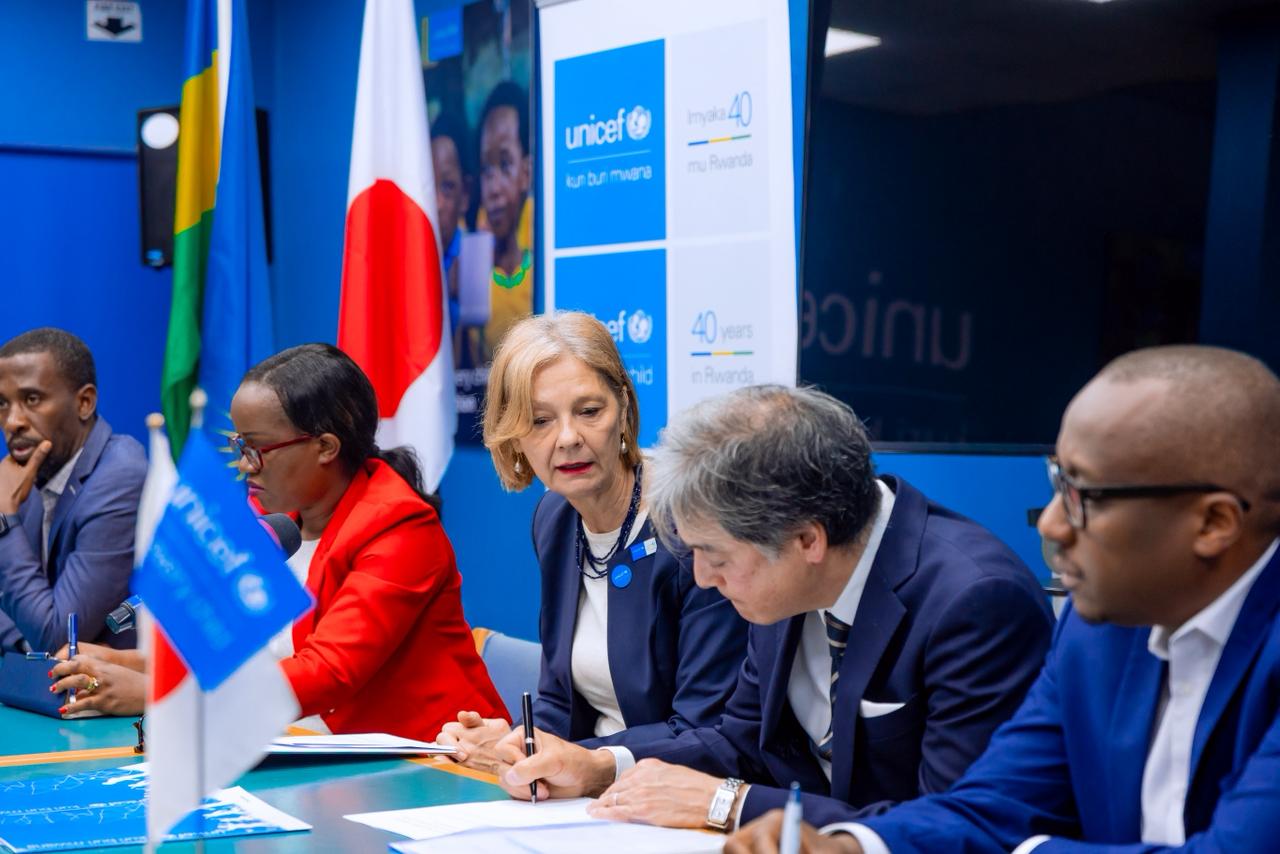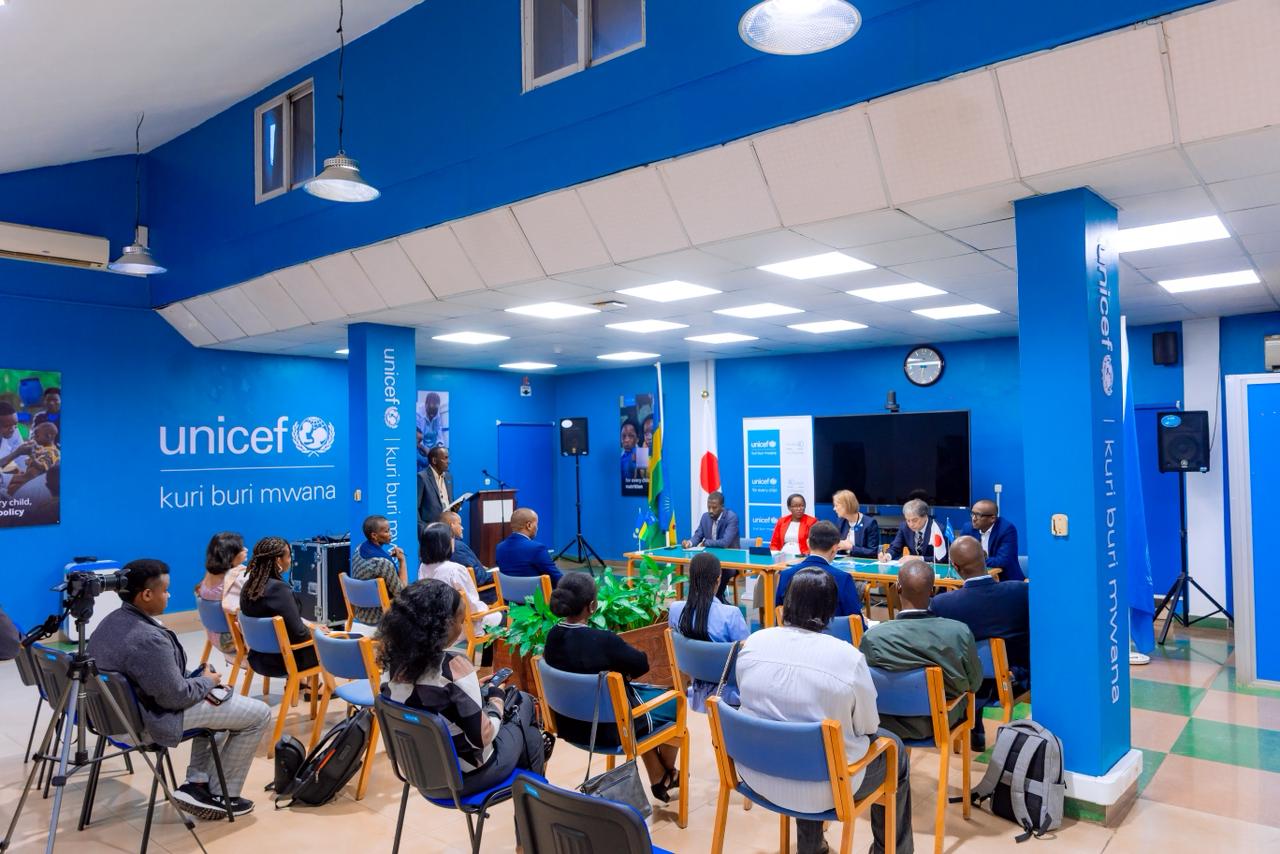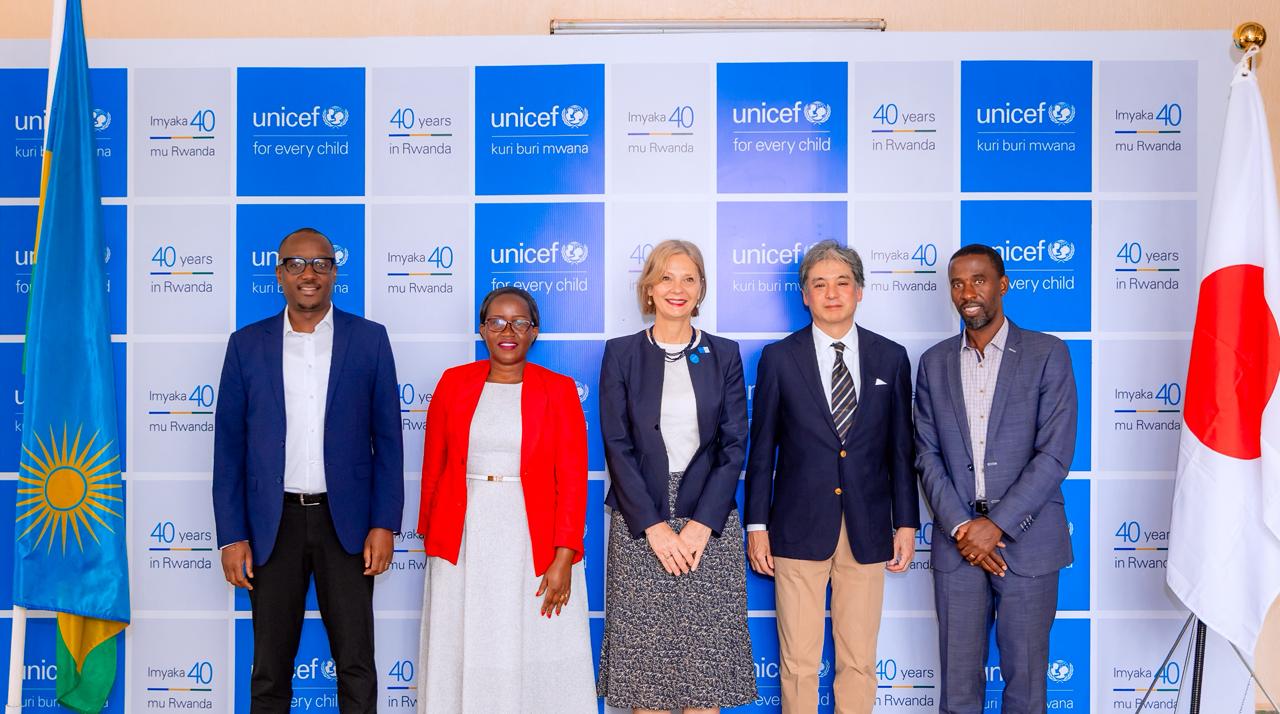




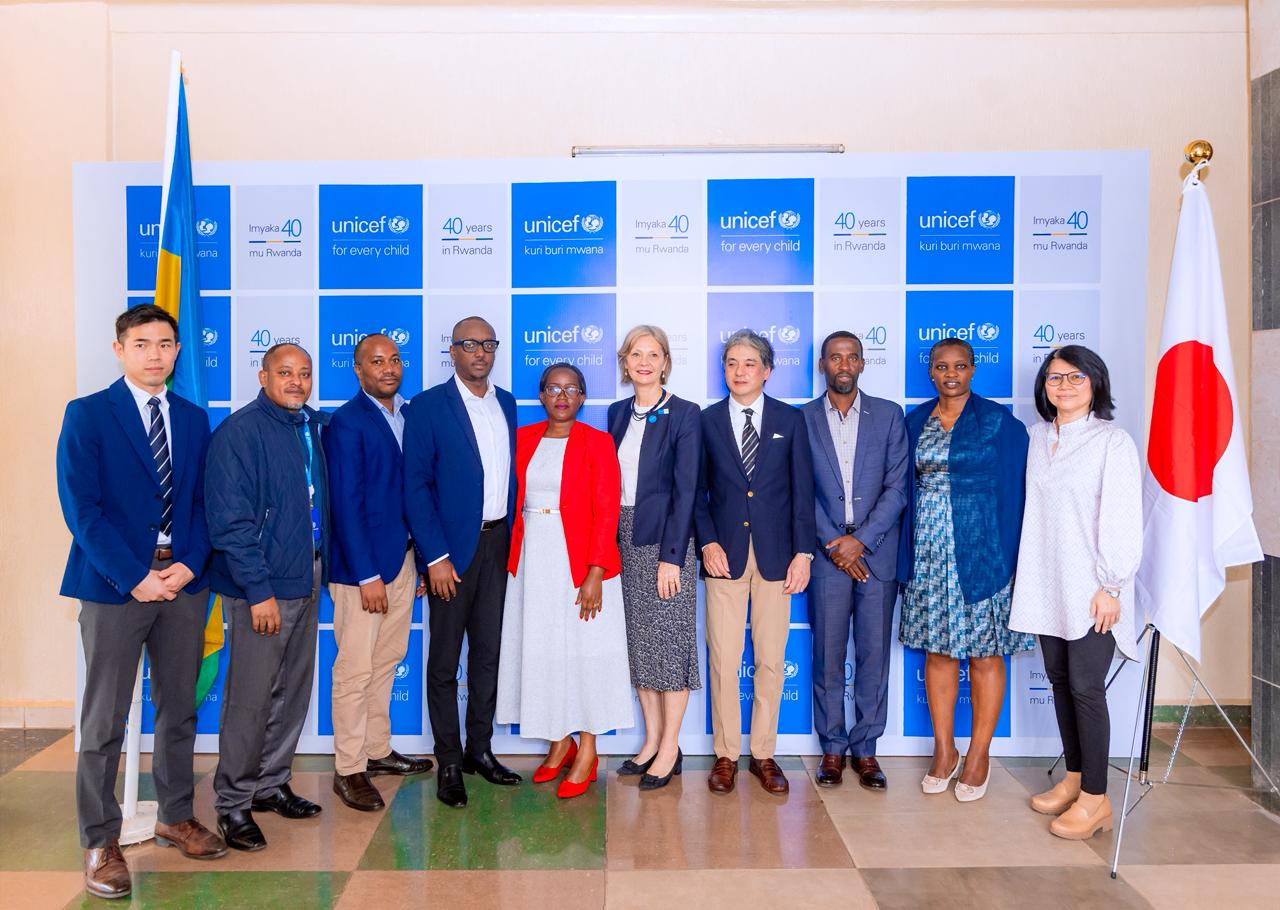
UNICEF Rwanda, in partnership with the Embassy of Japan, has officially launched Japan’s Supplementary Budget (FY2025), which will support disaster-prone districts in building sustainable health, nutrition, and Water, Sanitation and Hygiene (WASH) services for vulnerable communities.
This initiative is part of the Government of Japan’s total budget of approximately USD 2.5 million, released in 2023 and 2025, which has resulted in the rehabilitation and restoration of water supply systems in Nyamasheke and Rusizi districts, bringing clean water to thousands of people.
The latest grant commitment of USD 1.3 million (approximately Rwf 2 billion) will make a critical difference in providing health, nutrition, and WASH services to vulnerable communities and returnees affected by floods, landslides, and mpox in the six most affected border districts in Rwanda’s Western Province.
The grant will be used to rehabilitate and strengthen health, nutrition, and Water, Sanitation, and Hygiene (WASH) infrastructure, ensure access to safe and climate-resilient water supply services, and directly impact the lives of nearly 115,000 people in Rubavu, Nyabihu, Karongi, Rusizi, Nyamasheke, and Rutsiro districts. Rutsiro, in particular, will benefit from the rehabilitation of its damaged water infrastructure.
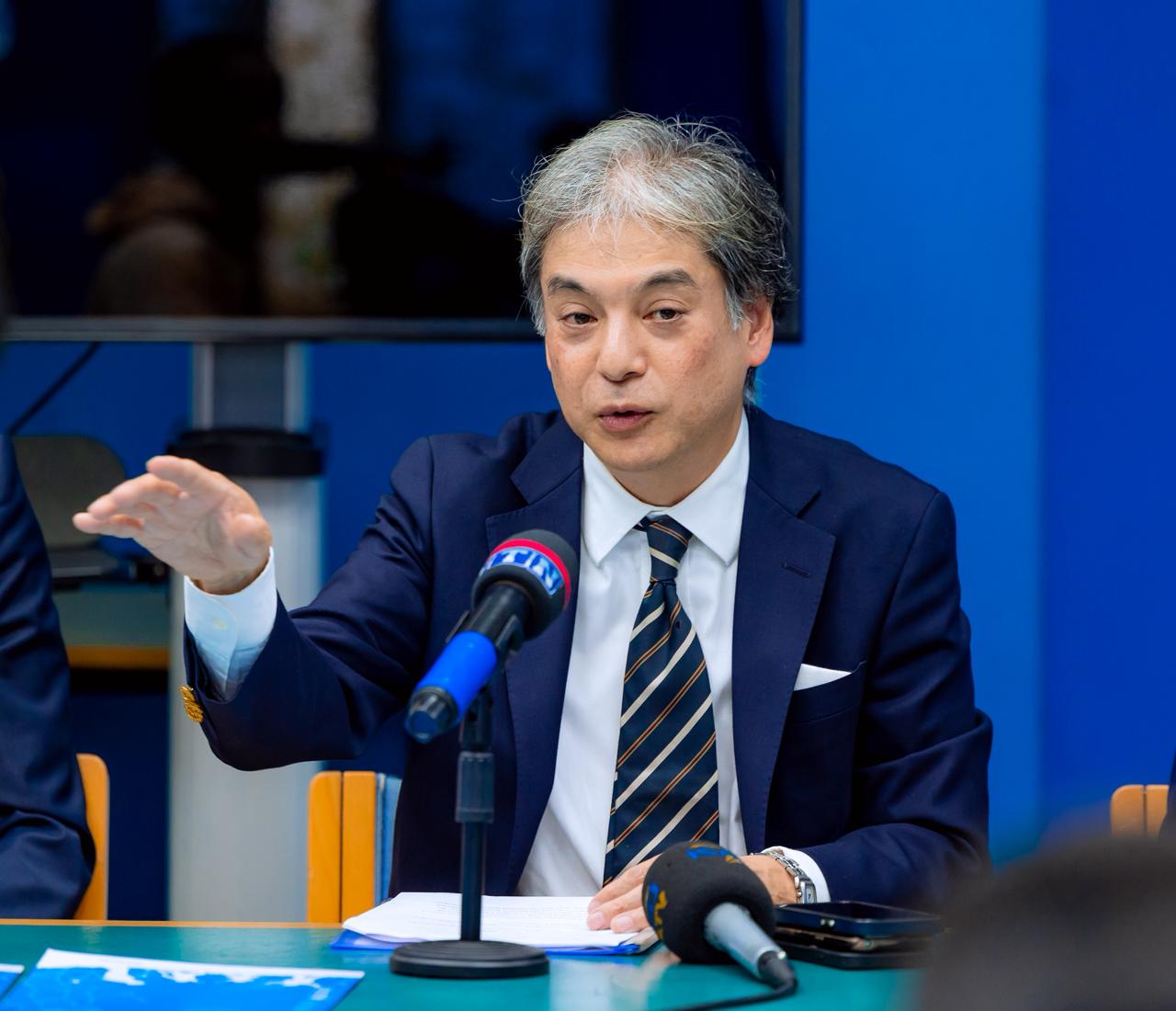
Kazuya Nakajo, Ambassador of Japan to Rwanda
Kazuya Nakajo, Ambassador of Japan to Rwanda said the USD 2.5 million lumpsum support will reach more than 100,000 beneficiaries and aligns with Rwanda’s National Strategy for Transformation (NST2) targets, addressing stunting and advancing universal health coverage to help end endemic diseases.
Gemma Maniraruta, Director General of Water and Sanitation at the Ministry of Infrastructure, said that physical progress from previous grants had reached about 94 percent and that this progress will be sustained through the new funding to further improve water infrastructure, especially in Rutsiro District.
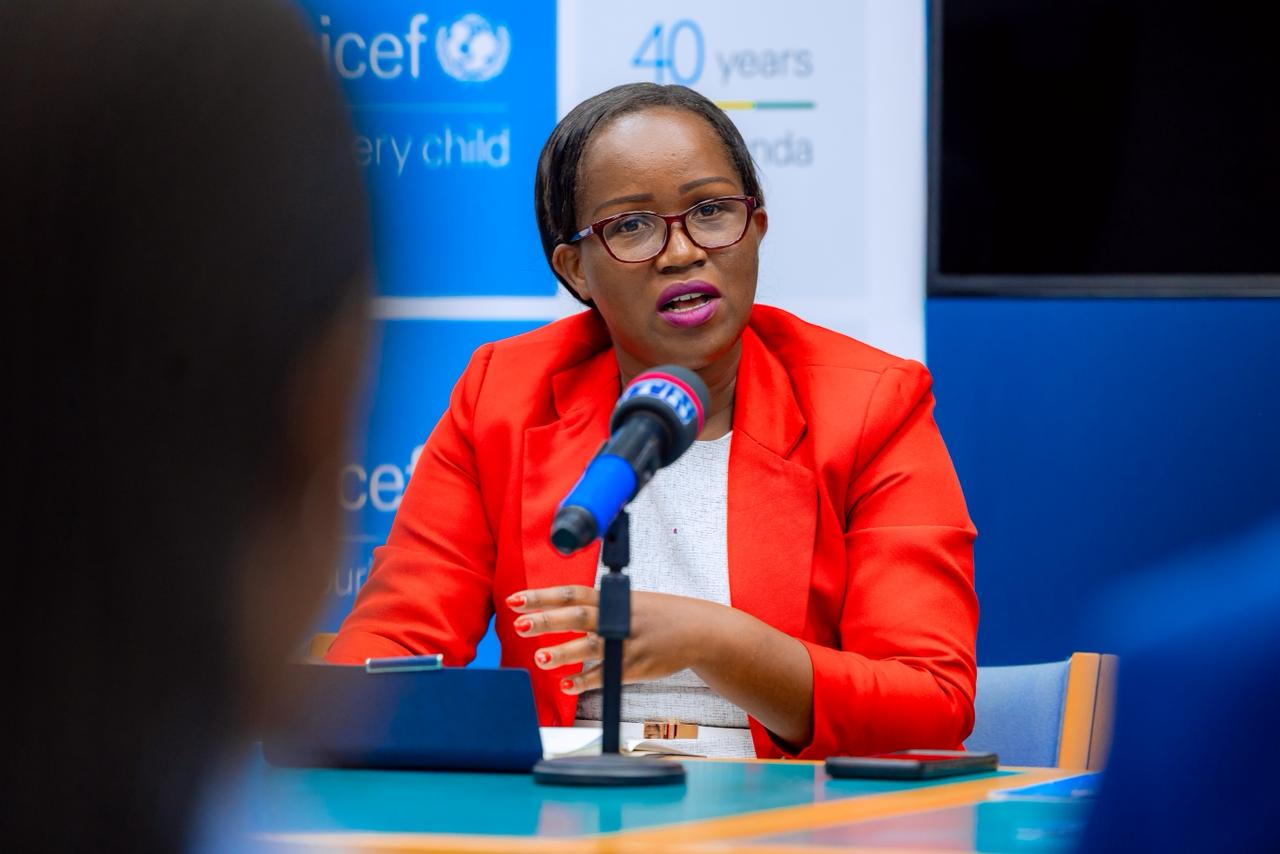
Gemma Maniraruta, Director General of Water and Sanitation at the Ministry of Infrastructure
Maniraruta noted that Japan’s support follows a holistic approach and that the strong partnership with UNICEF will contribute to achieving universal access to clean water. However, she emphasized the need for technical assistance to ensure sustainability.
“We are requesting a technical team to maintain the existing projects, and we submitted a proposal in 2024. Considering our shortage of expertise, we hope this request will be considered,” Maniraruta said.
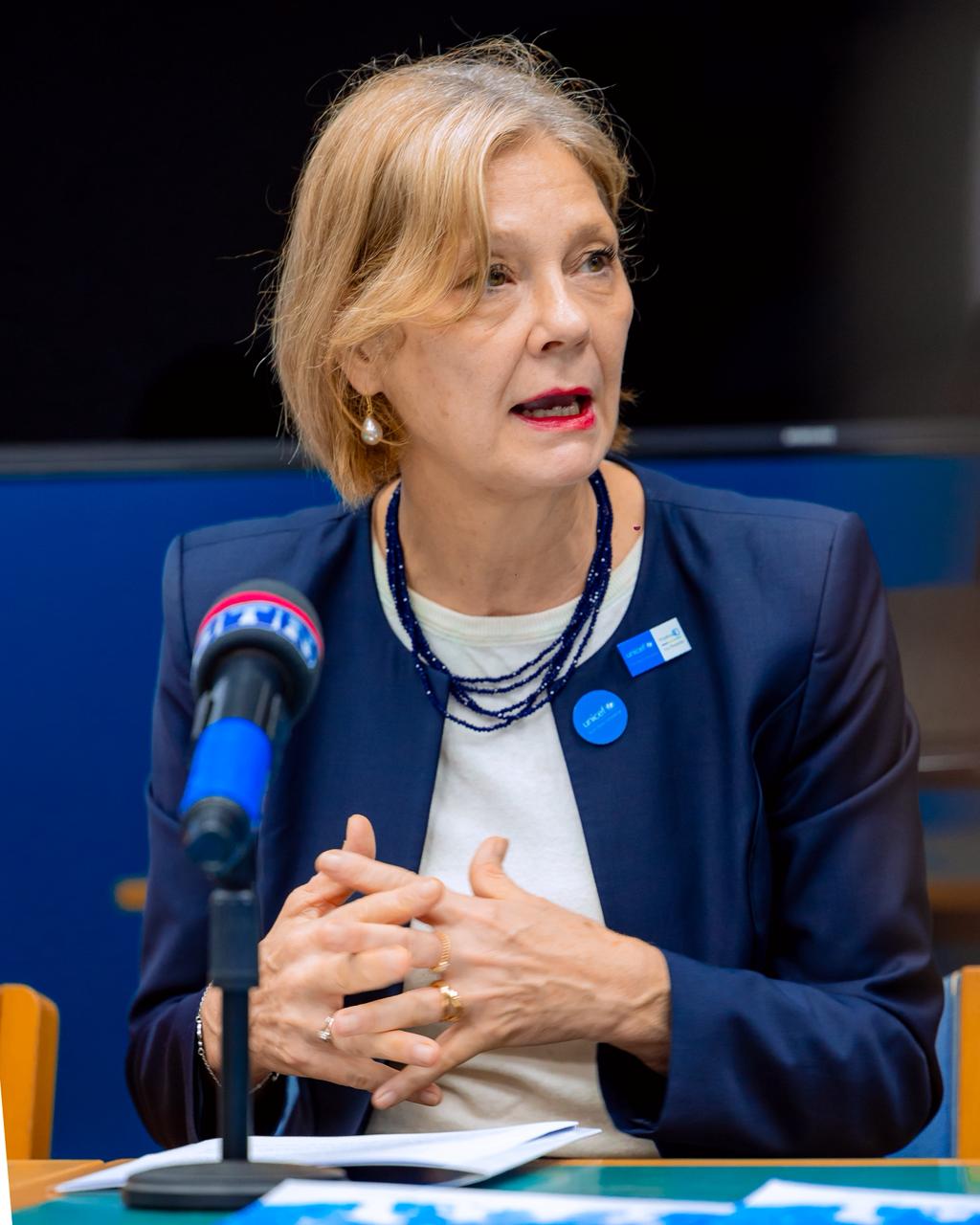
Lieke van de Wiel, UNICEF Representative in Rwanda
Lieke van de Wiel, UNICEF Representative in Rwanda, said the country is prone to floods and landslides exacerbated by climate change and has recently faced health emergencies such as the mpox outbreak in border districts. She noted that these disasters have damaged water supply systems and placed additional strain on health facilities, leaving vulnerable communities at increased risk of waterborne diseases and malnutrition.
Van de Wiel said the contribution will go a long way in supporting children and families affected by emergencies such as floods and landslides.
“The contribution will strengthen essential health, nutrition, and WASH services—helping to save lives today, prevent disease, and build resilience for the future,” she said, adding that UNICEF is committed to diligent implementation through regular monitoring and reporting.
Anticipated Future Solutions:
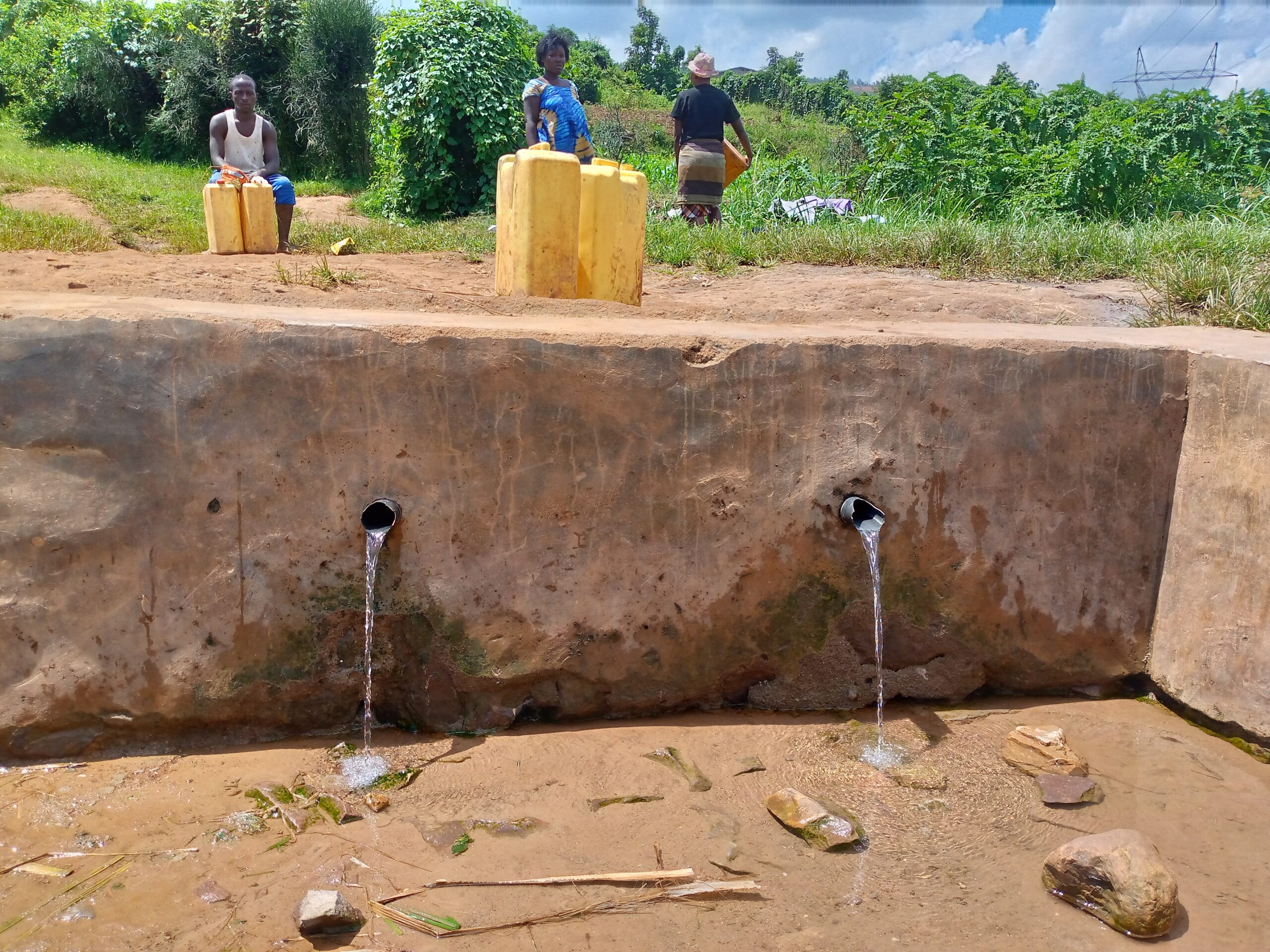
Rwanda’s Demographic and Health Survey (RDHS 7, 2025) highlights persistent inequalities in child nutrition outcomes. Stunting remains most severe in the Northern and Western provinces, particularly in districts where this grant will be implemented—Nyabihu, Ngororero, Karongi, Rubavu, Rusizi, and Rutsiro—where prevalence rates exceed 30 percent, compared to the national average of 27 percent.
Although Rwanda has achieved a notable reduction in stunting among children under five—from 33.1 percent in 2019 to 27 percent in 2025, an average decline of about one percentage point per year—experts at the 2026 National Conference on Early Childhood Development (ECD) called for stronger collective efforts. These include scaling up access to water and sanitation services and strengthening financing to meet the 15 percent stunting reduction target by 2030.
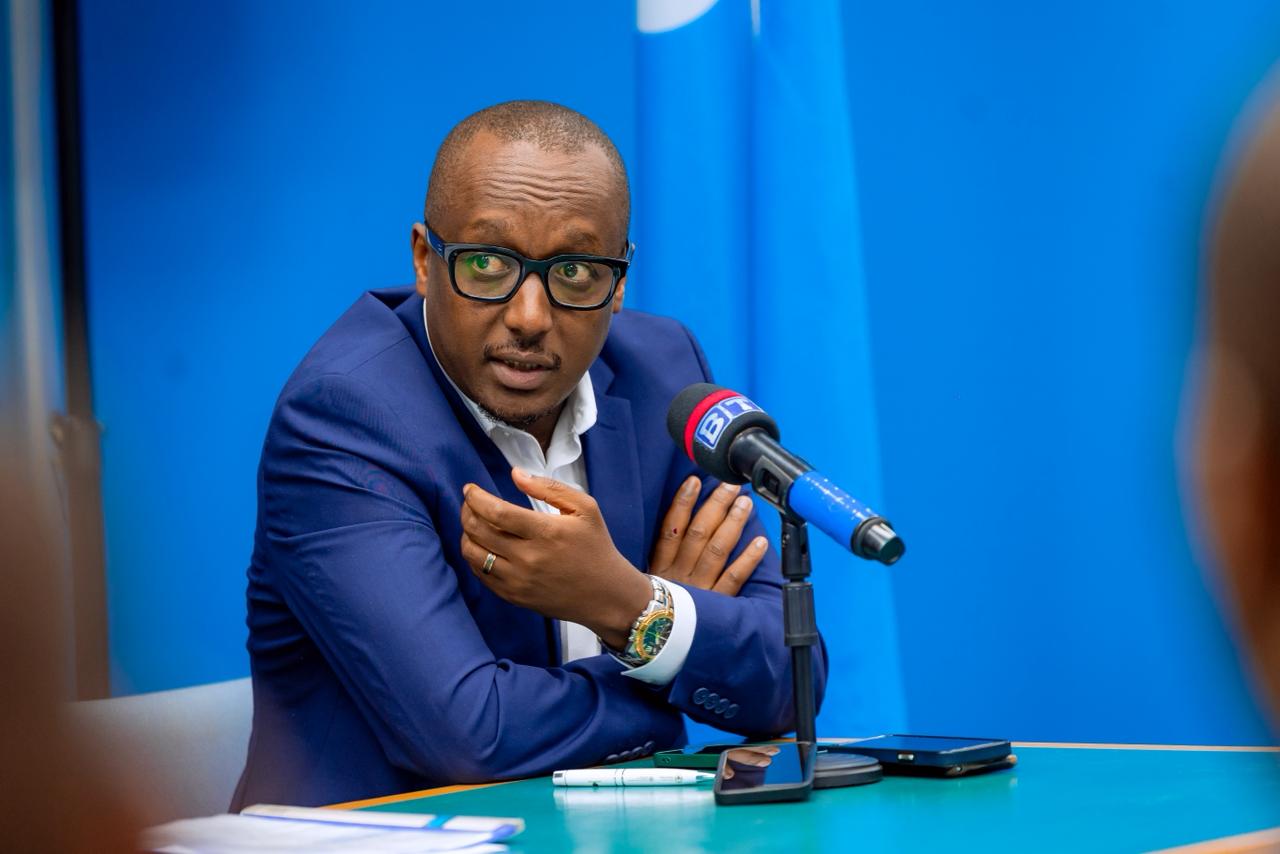
Dr. Claude Mambo Muvunyi,
Dr. Claude Mambo Muvunyi, Director General of the Rwanda Biomedical Center (RBC), thanked the Government of Japan for supporting Rwanda’s health and public health interventions, noting that the support will improve overall health outcomes and reduce stunting linked to poor water and sanitation.
Dr. Muvunyi said Rwanda continues to face public health emergencies caused by natural disasters and disease outbreaks, making the support critical for disease control and timely interventions, particularly for preventable diseases affecting vulnerable communities.
“This timely support will strengthen essential public health functions, including disease prevention and control, ensure continuity of primary healthcare services, and support nutrition and other critical interventions for at-risk populations,” he said.
He added that Rwanda must continue to ensure these interventions are community-led to reduce exposure to waterborne and communicable diseases.
“This support will enable us to move beyond emergency response toward preparedness and resilience-building, ensuring our health system remains functional even during crisis periods,” Dr. Muvunyi said.
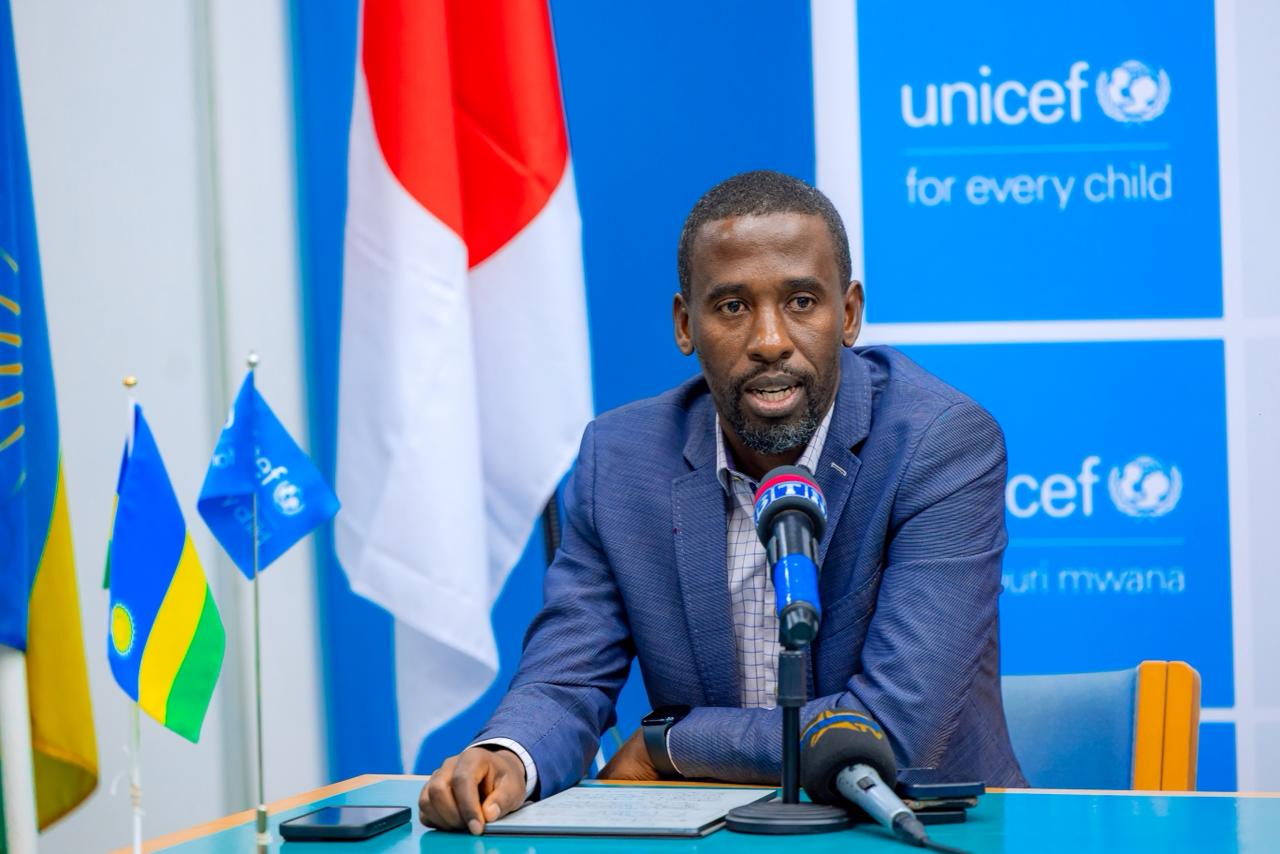
Dr. Asaph Kabaasha, Chief Executive Officer of the Water and Sanitation Corporation Group (WASAC Group), said the funding will support infrastructure rehabilitation and help the country transition toward climate-resilient solutions.
“We are developing a plan to embed climate solutions into our services. We will prioritize climate-resilient approaches and ensure this infrastructure is preserved,” Kabaasha said.