



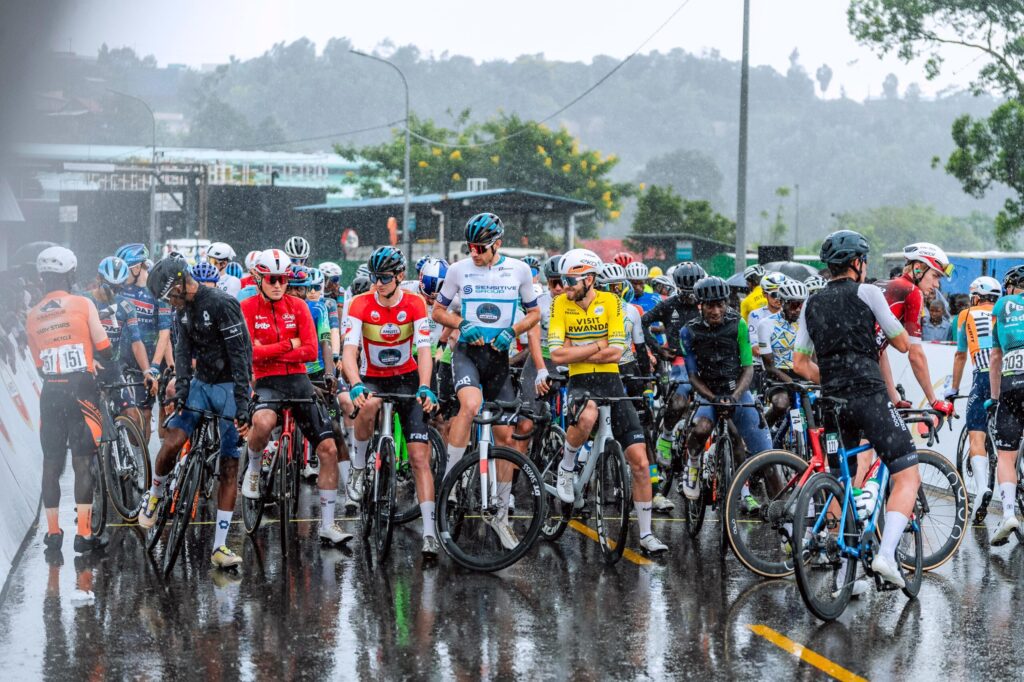
Morning Mist Lifts Over Musanze as Peloton Regroups Against a Volcanic Backdrop, Setting the Stage for the Decisive Final Stretch of the 2026 Tour du Rwanda.
KIGALI – The mist has lifted from the volcanic shoulders of Musanze, and a familiar, restless electricity now hums across the Land of a Thousand Hills. After six bruising days of climbing and survival, the 2026 Tour du Rwanda finally turns its handlebars toward its natural theatre — the capital. The wide, cross-country adventure tightens into something far more intimate and dangerous. The story narrows. The noise grows louder. This weekend, the Tour comes home to Kigali.
As Friday evening settles in, the yellow jersey rests on the shoulders of Germany’s Moritz Kretschy of the NSN Development Team — the man everyone must now unseat. His advantage stands at just over two minutes, a lead that looks commanding on a timing sheet, but feels alarmingly small on Rwanda’s steep, twisting roads. In this race, margins are fragile and confidence can dissolve as quickly as the morning mist.
The Joy of the Journey So Far
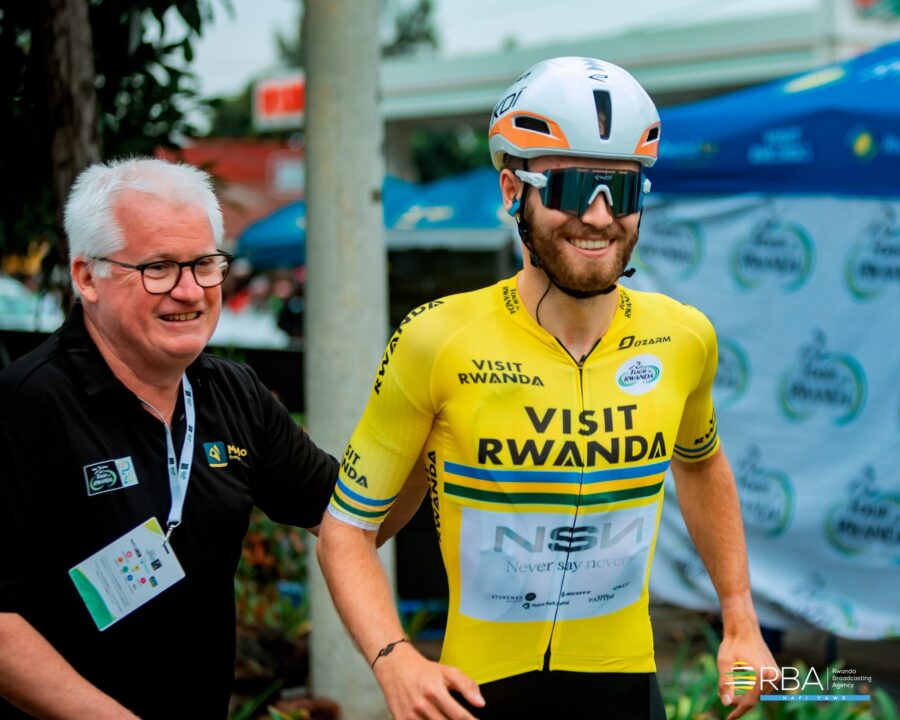
Composed and Commanding, Moritz Kretschy Leads the Charge, Showcasing NSN Development Team’s Iron Grip on the General Classification.
Looking back at the week, the 18th edition of the Tour has been a visual and emotional masterpiece. We’ve seen the “Blue Train” of NSN dominate the flat stretches, but the real soul of the race has been found in the “Emerald Abyss.” Watching the peloton carve through the ancient, towering greenery of Nyungwe National Park was a highlight for the ages. The synthetic neon of the riders’ jerseys popped brilliantly against the deep, unending sea of green—a striking collision of human endurance and untamed nature. From the shores of Lake Kivu to the high-altitude crispness of the north, the race has lived up to its reputation as the most visually spectacular event on the African sporting calendar.
The Shining Home Talent
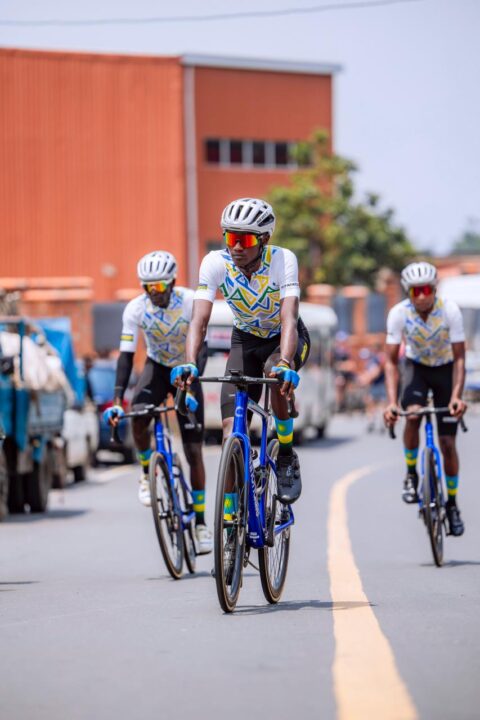
Rwandan riders surge forward under roaring home support, showcasing the rising strength and confidence of the nation’s cycling generation.
While international names like Itamar Einhorn have snatched stage wins, the heartbeat of the crowd belongs to the local heroes. The most shining home talent this year has undoubtedly been Vainqueur Masengesho. Watching him hunt for breakaways has been a lesson in grit. Alongside veterans like Moise Mugisha, these riders carry the weight of a nation that hosted the World Championships just months ago. They are proving that Rwandan cycling isn’t just a participant—it’s a contender. Every time a Rwandan jersey moves to the front of the pack, the hills literally erupt in sound.
People of the Land: Watching from the Farms
Perhaps the most distinctly Rwandan element of this race is not the bikes, but the people who line the route. In a country where the majority of the population depends on agriculture, the Tour becomes the one rare week when the farm meets the fast lane. As the riders climb toward the capital, the road cuts through a living tapestry of terraced gardens that define Rwanda’s hillsides.
Along these slopes, farmers pause their work and lean quietly on their hoes, standing between rows of maize and beans as the peloton flashes past in a burst of colour and sound. It is a familiar and deeply moving sight — a reminder that this race does not pass through empty landscapes, but through working lives. For a few moments, the rhythm of planting and harvesting gives way to the rhythm of wheels and cheers.
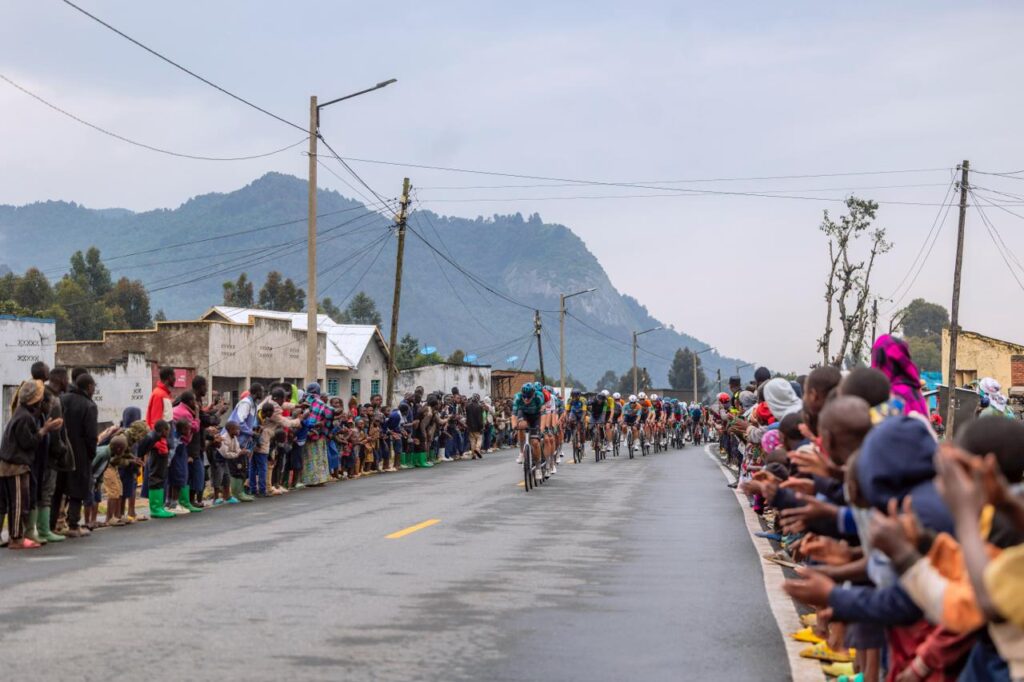
Farmers and students pause their daily work to watch the peloton flash past, a vivid reminder of how deeply the Tour du Rwanda is woven into rural life.
These are spectators who understand the meaning of the “grind.” They know what it takes to work steep land from sunrise to sunset, and there is an unspoken respect between the farmer on the hillside and the cyclist on the road below. For seconds that feel symbolic, Rwanda’s heritage farms and its fast-moving future pause together, united by the same miracle of speed.
Saturday: The Queen Stage Homecoming
Musanze to Kigali. Branded the race’s “Queen Stage”, it is the day designed to stretch both legs and limits. For travellers following the Tour, the backdrop could not be more iconic: the route unfolds beneath the Virunga Mountains, home to Rwanda’s world-famous mountain gorillas, and winds through the lush foothills that draw visitors from across the globe.
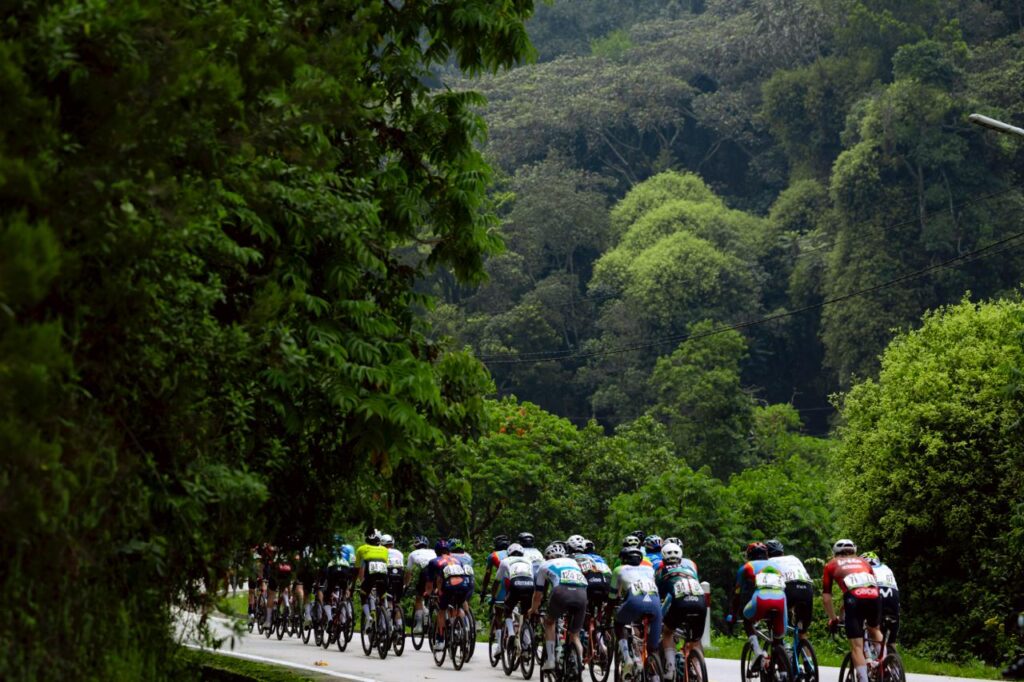
Riders disappear momentarily into the lush abyss of Nyungwe’s greenery, where winding roads test endurance amid one of Africa’s oldest forests.
Beyond the scenery, the numbers tell a brutal story. More than 2,000 metres of climbing await the peloton, with the long and unforgiving Shyorongi ascent expected to deliver the first decisive blow. This is the terrain where ambitions are tested and contenders are separated from the rest. Any serious challenge to Kretschy’s grip on the race must begin on these slopes.
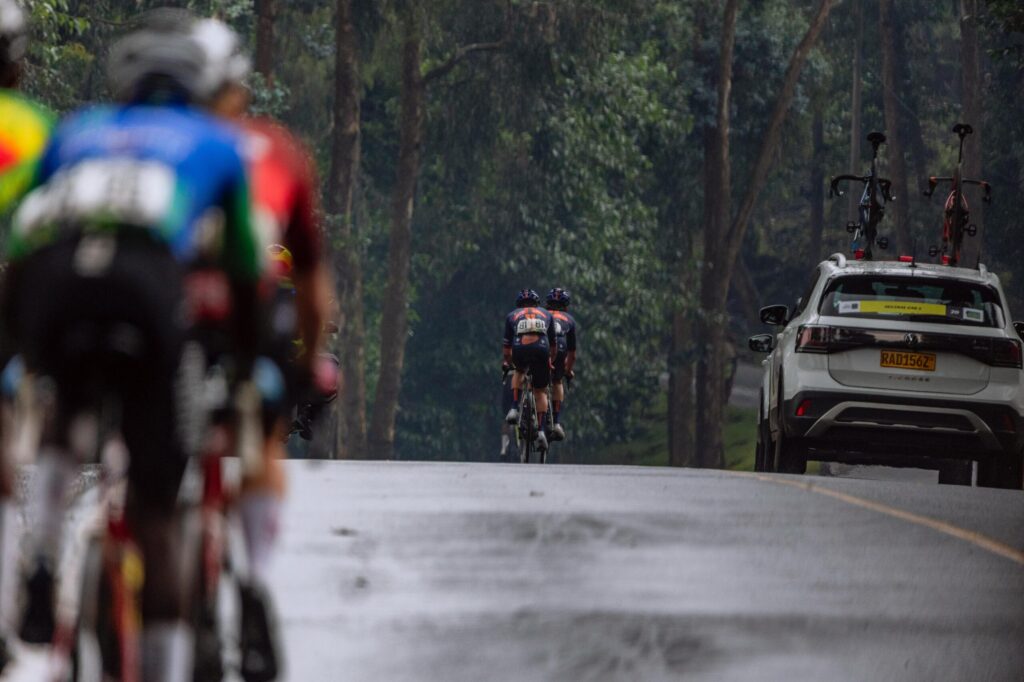
For the first time in years, the Tour returns to Kigali Pelé Stadium in Nyamirambo, setting the stage for a dramatic urban finish. By early afternoon, the neighbourhood will be packed, waiting for the riders to plunge down into the capital and for the Queen Stage to reveal who still has the strength to rule this race.
Sunday: The Grand Finale — Where Kigali Rises for the Final Roar
Sunday is not just the last stage — it is Kigali’s love letter to cycling. The 84-kilometre Kigali City Circuit, starting and finishing at the Kigali Convention Centre, becomes a moving theatre where every lap peels back the truth of the race and tightens the grip of the general classification. By the time the riders turn toward the Mur de Kigali, the city already knows what is at stake.
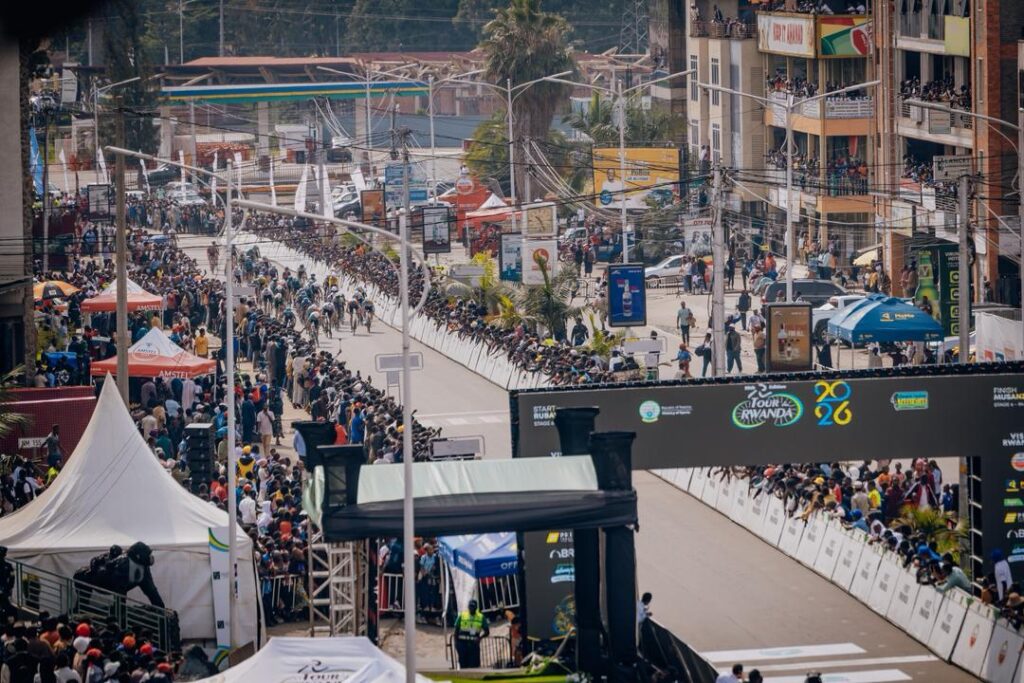
The Mur de Kigali is more than a climb. It is Nyamirambo’s cobblestone heartbeat — a short, brutal wall wrapped in music, whistles, flags and fearless joy. Here, the race slows just enough for the crowd to touch the moment, and the moment to touch back. It feels less like a sporting contest and more like a shared celebration, where strangers sing the same chorus and every surge on the pedals is answered by a surge of belief from the roadside.
Forget the road closures. Sunday belongs to the people. The city centre opens into a giant, walkable festival, with the Kigali Convention Centre as its vibrant anchor — live screens, live DJs and a constant ripple of cheers rolling across the circuit. Above it all, Rebero Heights offers a breathtaking balcony over the action, the peloton weaving through green hills and glass towers in one perfect Kigali postcard.
And when the final lap comes home, it will not feel like an ending. It will feel like a thank-you — to the hills, to the fans, to the streets of Nyamirambo, and to a city that turns a bike race into a celebration of who it is. On Sunday, the winner crosses the line — but Kigali steals the show.