



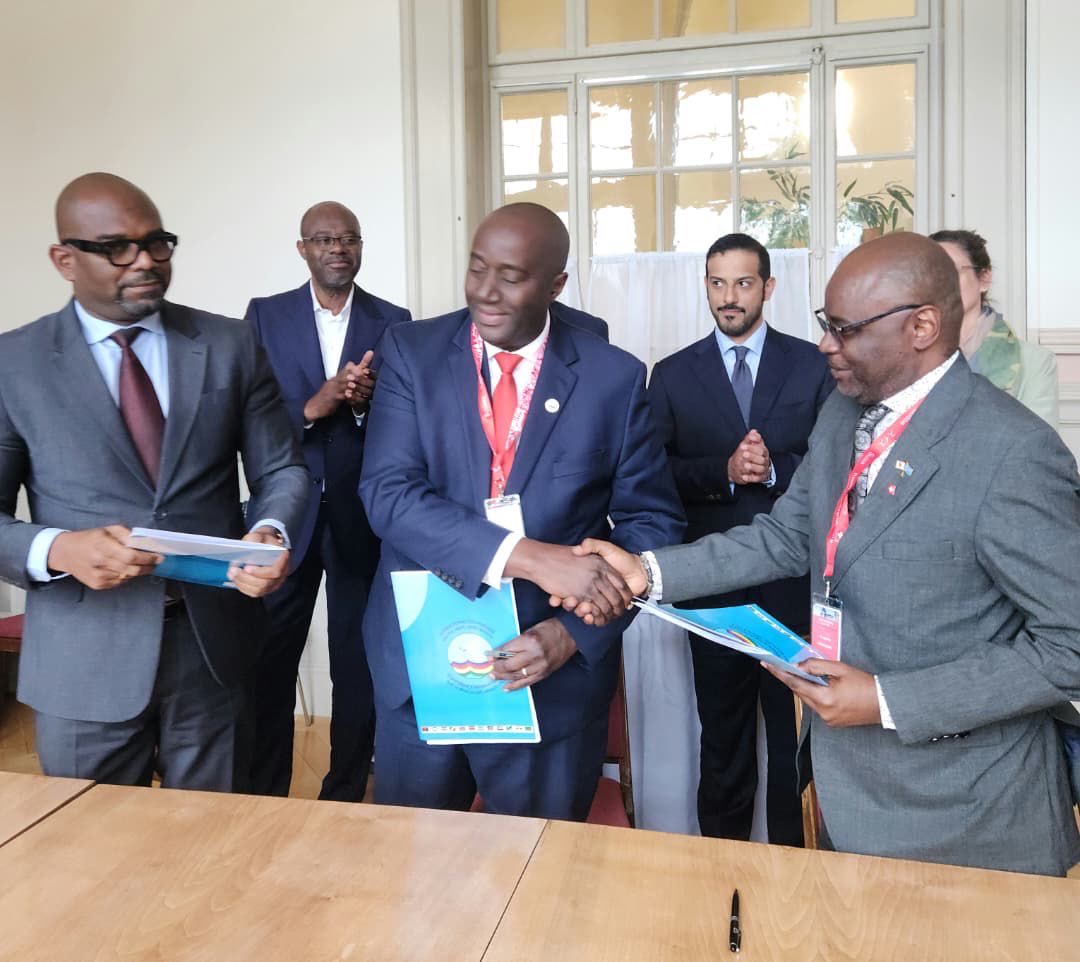
Geneva — Representatives of the Democratic Republic of the Congo government and the AFC-M23 rebel movement signed an agreement on Wednesday in Switzerland to strengthen monitoring of a fragile cease-fire in the country’s conflict-ridden east, in what officials described as a cautious step toward de-escalation.
The memorandum of understanding, reached near Geneva, formally integrates officers from the rebel group—also known as the Alliance Fleuve Congo/M23—into a joint cease-fire verification mechanism alongside government representatives.
The move effectively upgrades the existing monitoring structure into an expanded system intended to improve transparency and build trust between the two sides.
Under the deal, rebel officers will participate directly in on-the-ground verification efforts, a significant shift in a conflict where both parties have repeatedly accused each other of violations.
The mechanism will also coordinate with the United Nations peacekeeping mission, MONUSCO, particularly in sensitive regions such as Uvira in South Kivu, where clashes have flared in recent months.
The agreement is part of a broader peace process initially brokered in Doha and supported by the International Conference on the Great Lakes Region and the African Union.
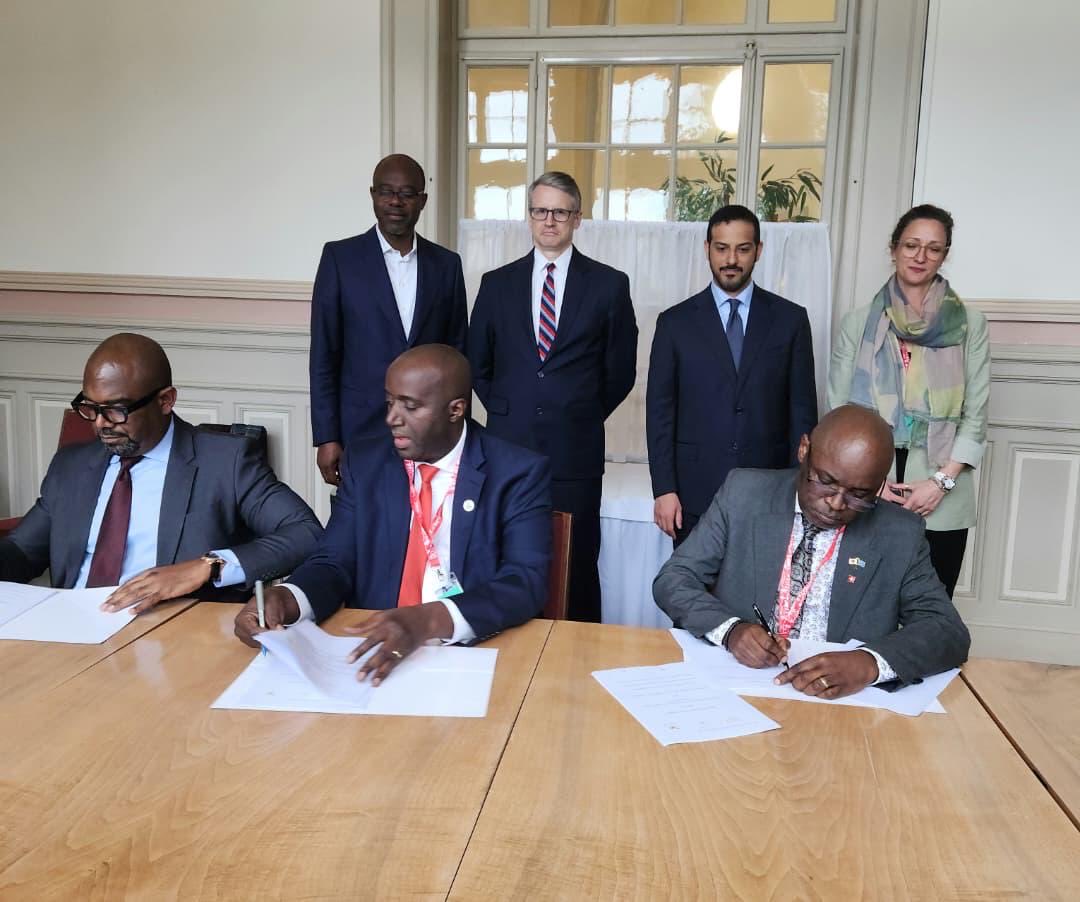
Talks were relocated to Switzerland this week after disruptions linked to tensions in the Middle East, with delegations resuming negotiations over humanitarian access, civilian protection, and prisoner exchanges.
Eastern Congo has endured decades of instability, but the resurgence of M23 has intensified the crisis, with the group seizing and holding strategic territory in North and South Kivu.
The government in Kinshasa has accused neighboring Rwanda of backing the rebels, an allegation Kigali has repeatedly denied.
While officials involved in the talks described Wednesday’s agreement as a meaningful advance, analysts cautioned that previous commitments have often faltered in implementation.
Fighting has continued in remote areas even during declared cease-fires, underscoring the gap between diplomatic progress and realities on the ground.
No comprehensive peace accord was signed, and negotiators are expected to continue discussions in the coming days.
For now, the new monitoring arrangement represents an incremental effort to stabilize a conflict that has repeatedly resisted resolution.
