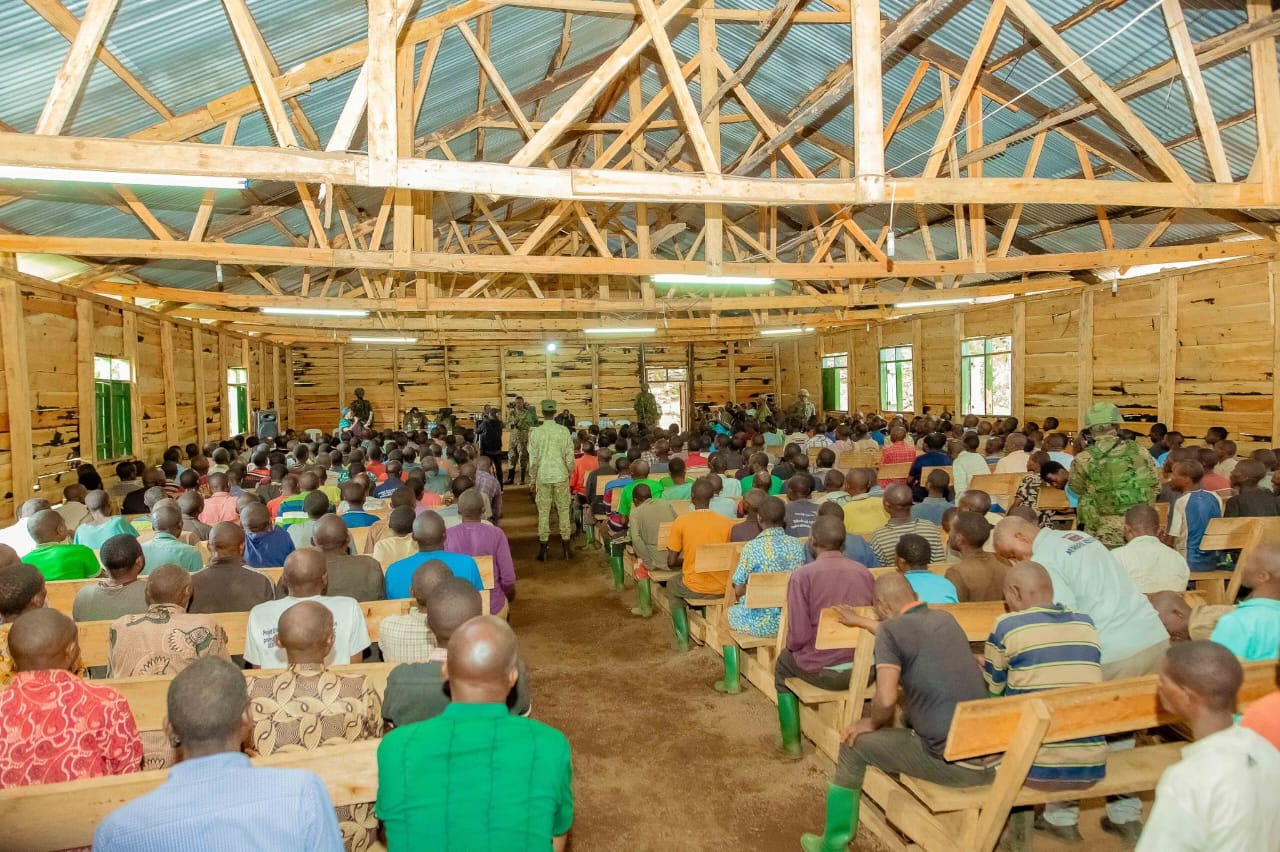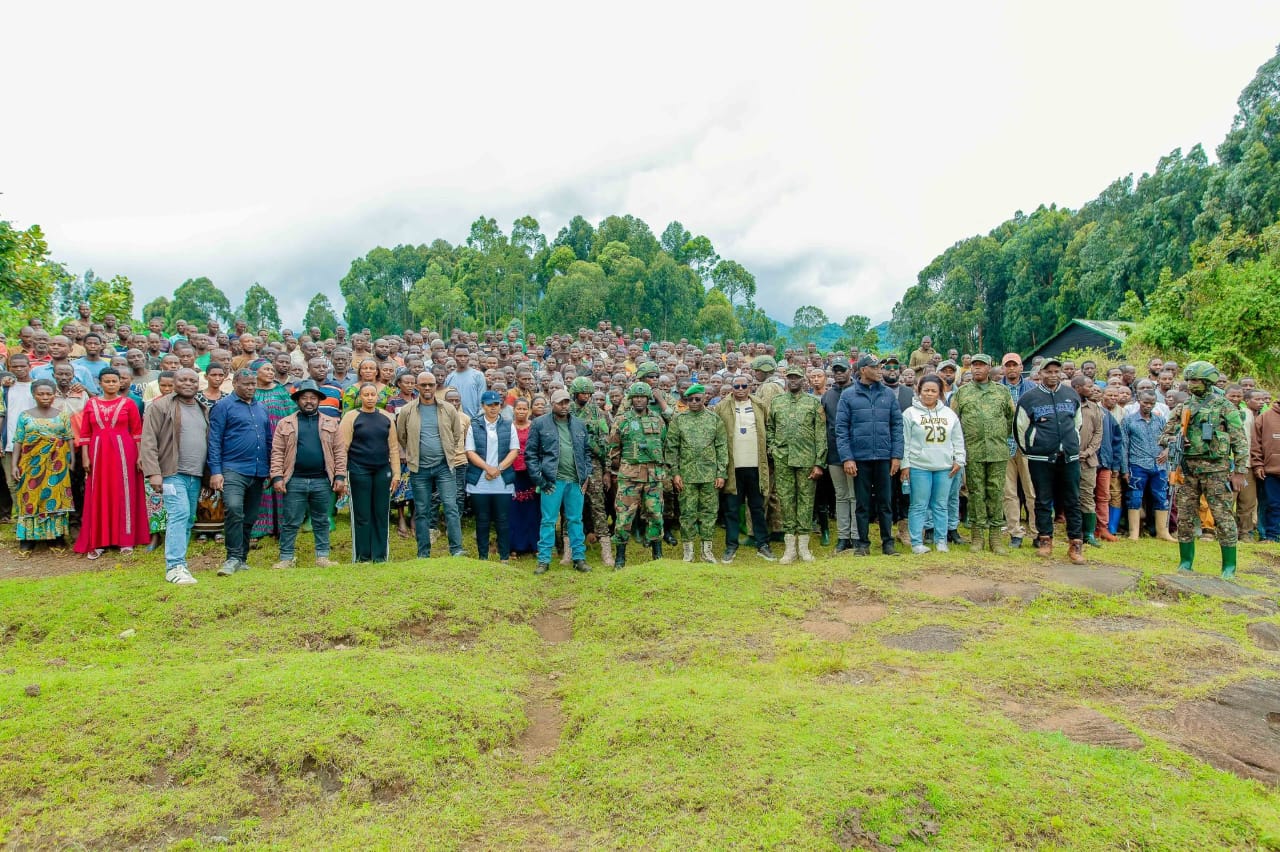
The graduates take group photo with AFC-M23 top leaders
Authorities aligned with the AFC-M23 Movement have begun expanding civilian administrative structures in parts of eastern DR Congo under their control.
This week, they graduated 395 politico-administrative cadres. The group’s top leaders said the program is meant to support long-term governance and the region’s recovery after years of conflict.
The graduation ceremony took place Thursday at a training center in Kanombe, in Rutshuru territory. It marked the completion of the first cohort, known as “INTAKE 001 – Uongozi Bora.”
The training was organized by the movement’s armed wing, the Armée Révolutionnaire Congolaise.
Participants received instruction in leadership, discipline, operational planning and administrative management. Organizers said the goal is to prepare mid-level officials to run local systems and coordinate public services.
AFC-M23 top military commander Gen. Maj. Sultani Makenga presided over the event. He told graduates to apply their training through practical action.
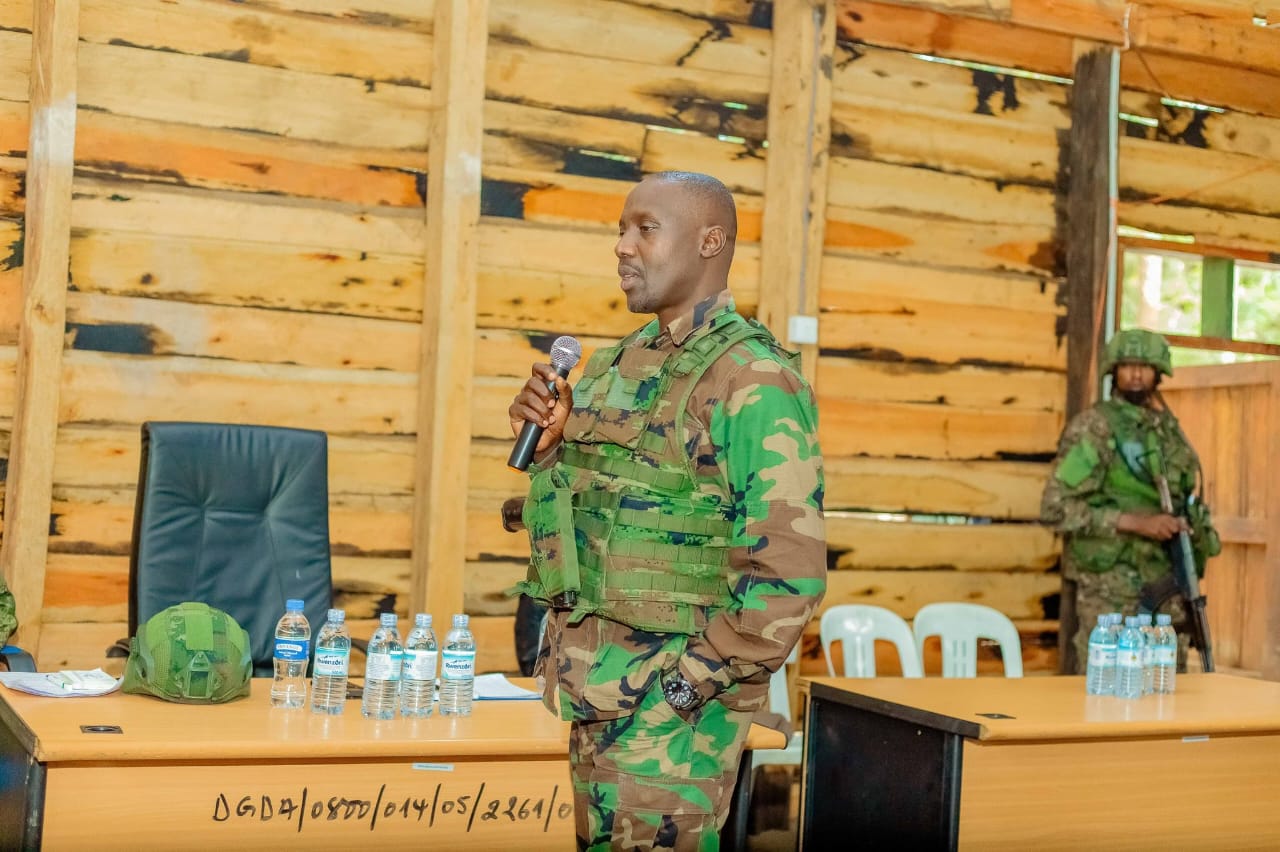
He said their role would be to support local populations and maintain order. The graduates took a pledge to carry out those responsibilities.
The group described the program as part of a broader effort to establish stable structures in areas under their control.
In recent months, the movement has also appointed local administrators and expanded its presence in key parts of North Kivu. The focus, according to organizers, is on building systems that can function over time.
These developments come as diplomatic efforts continue in parallel.
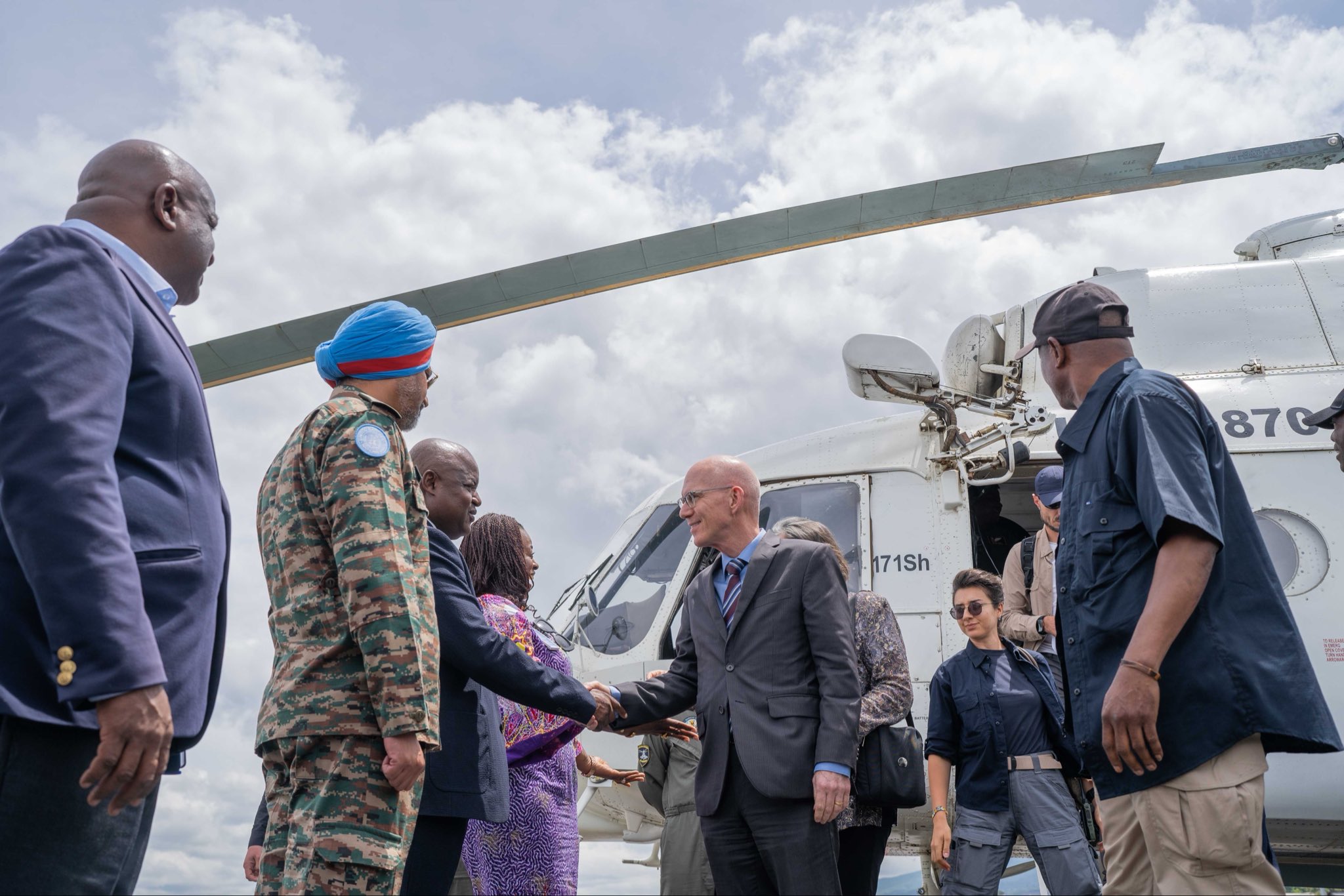
On Friday, James Swan arrived in Goma. He leads the United Nations mission, MONUSCO. His visit is part of a broader tour of eastern Congo, including Beni and Ituri.
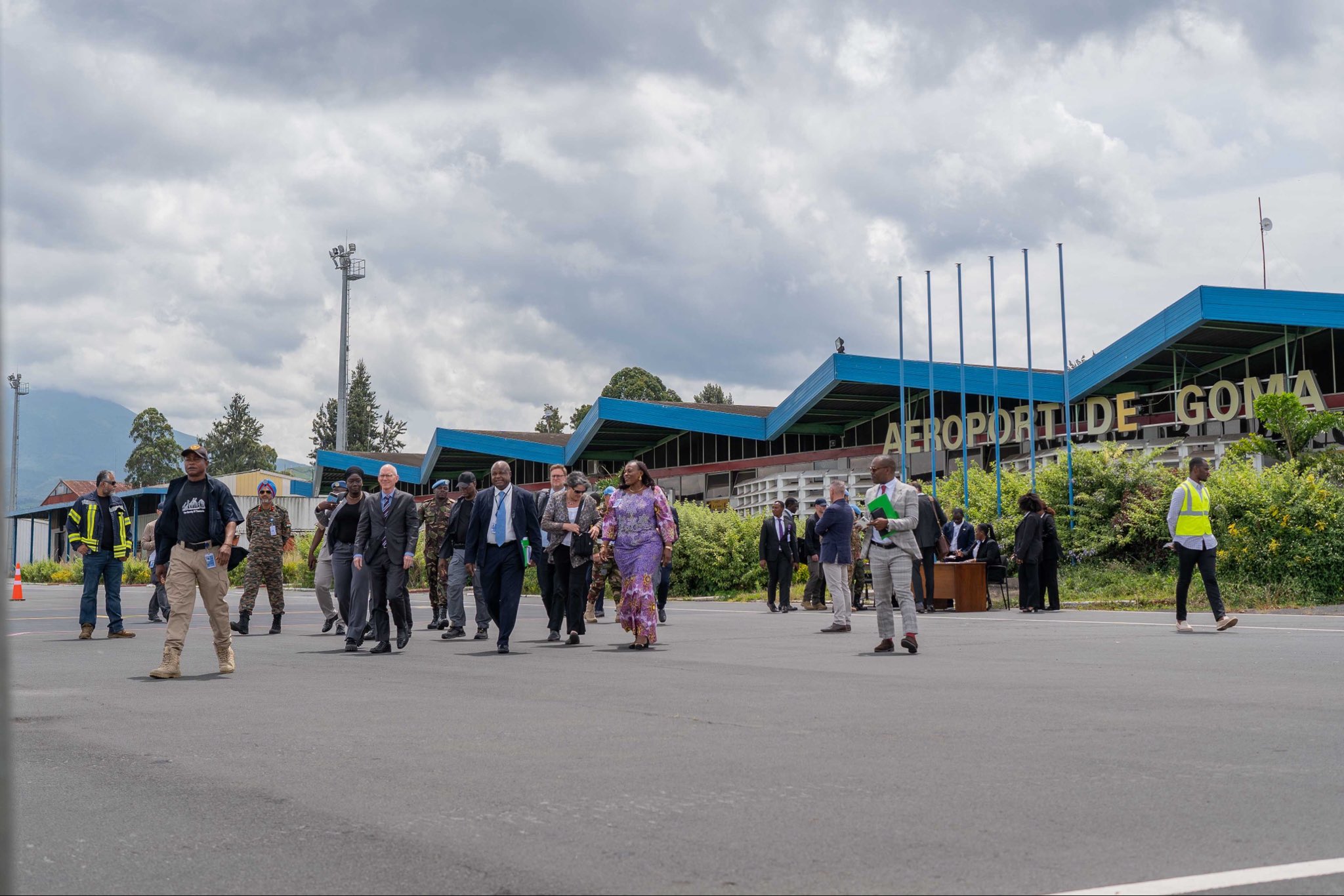
U.N. officials said discussions would focus on cease-fire monitoring, protection of civilians and support for ongoing peace efforts. The visit follows continued engagement between the Congolese government and the M23 movement.
Recent talks in Doha and Switzerland have addressed cease-fire arrangements and related measures. Some technical agreements have been reached. Implementation remains in progress, according to officials involved.
Eastern Congo has faced prolonged conflict involving multiple armed groups. Large-scale displacement and humanitarian challenges persist.
Current developments show two tracks unfolding at the same time.
On the ground, administrative systems are being organized in controlled areas.
At the diplomatic level, efforts continue to push for stabilization and a negotiated path forward.
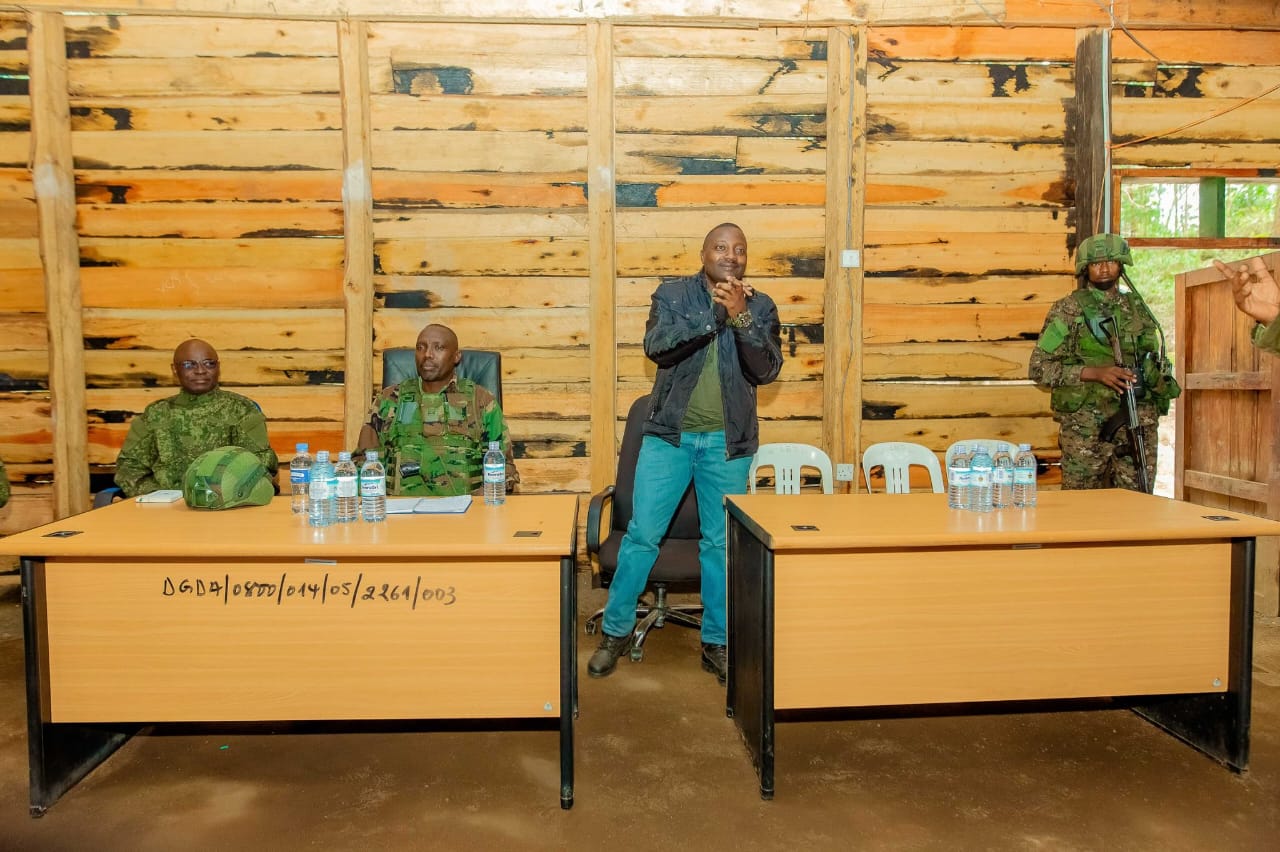
AFC-M23 top leaders at the training