Rwanda’s biggest companies are starting 2026 on a high note, showing remarkable strength even as the world deals with rising prices and international conflicts. While these global challenges have made doing business difficult, Rwanda’s top firms are proving that investing in technology and digital services is the best way to stay profitable.
By moving more services online and making them accessible via mobile phones, these companies have built a shield against economic instability.
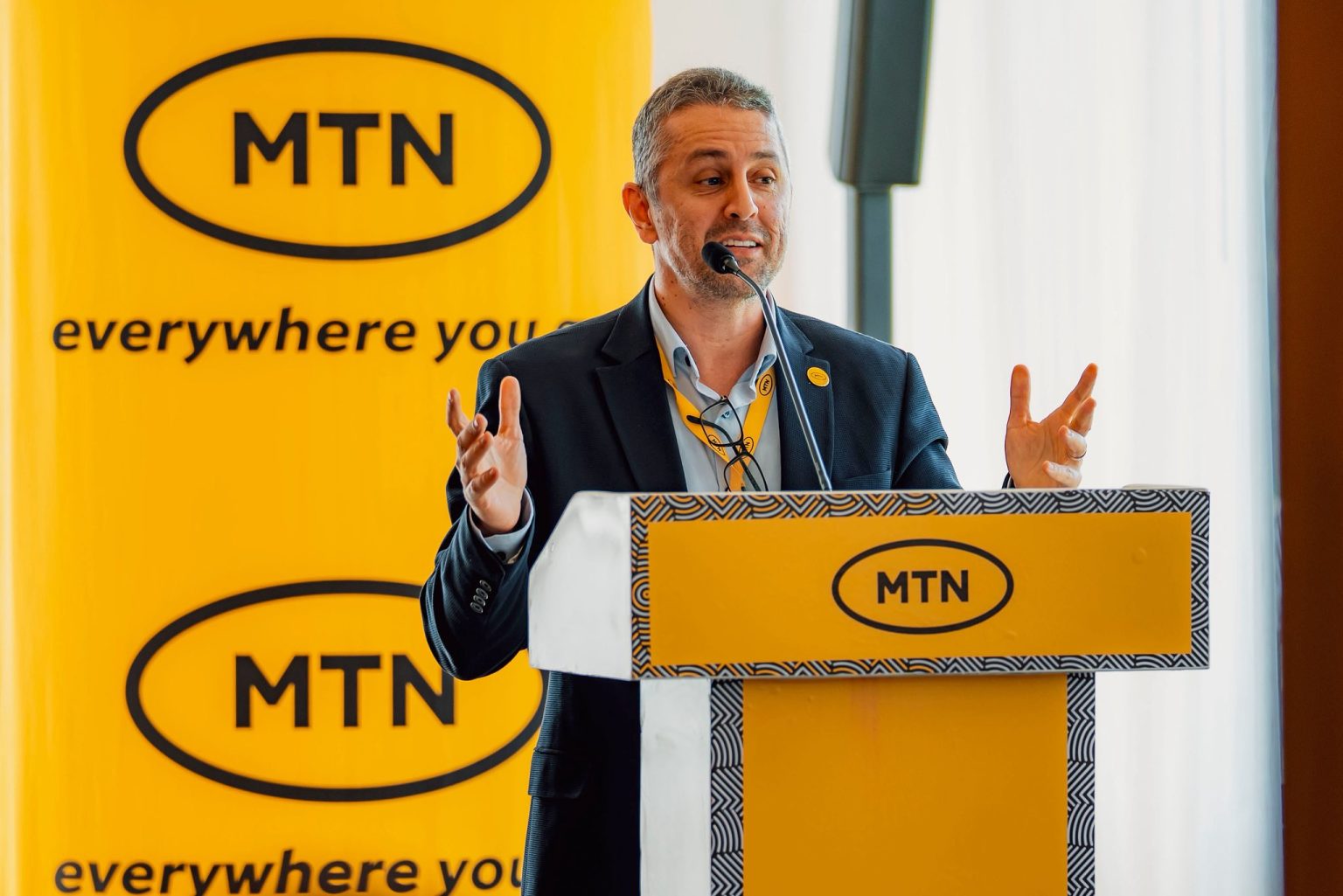
Leading this recovery is MTN Rwanda, which has officially returned to profitability. After a tough 2025, the telecom giant reported a Rwf 10.8 billion profit for the first three months of 2026. This is a major comeback compared to the losses the company saw this time last year.
As one of the largest businesses in the country, MTN’s success is a clear sign that the shift toward a digital economy is paying off for both the company and the nation.
The Engines of Growth: Data and MoMo
The turnaround was a revenue-led recovery, with total service revenue climbing 14.7 percent to Rwf 295.7 billion. This growth was fueled by two primary engines that have become the backbone of the company’s operations. Revenue from the fintech sector surged by 27.6 percent, driven by the 6.2 million monthly active users on the MoMo platform.
Simultaneously, the data boom continued as revenue from internet services grew by 15.6 percent, supported by a 14.1 percent increase in active subscribers. These gains pushed the company’s EBITDA margin to 35.8 percent, signaling a leaner and more efficient operation compared to the previous year.
EBITDA stands for Earnings Before Interest, Taxes, Depreciation, and Amortization. In other words, it is a measure of a company’s operating performance. It essentially shows how much cash a business is making from its core operations before the “math” of taxes and accounting adjustments gets involved.

A Mobile Money agent processes a transaction in Kigali early this year. Photo by Mellisa Isimbi, KT Press.
A Broader Corporate Shift
MTN’s performance is part of a wider winning streak across the Rwanda Stock Exchange. The banking sector, in particular, continues to act as the economy’s engine. BK Group recently posted a significant jump in net profit, driven by a surge in customer deposits and new loans. At the same time, I&M Bank Rwanda and Equity Bank Rwanda reported healthy earnings, largely thanks to their success in moving more customers toward digital banking and expanding their reach to small businesses.
This wave of profitability extends beyond the heavyweights, as several other listed firms also reported a strong start to the year. These combined results point to a resilient private sector where increased consumer spending and financial inclusion are creating a “rising tide” effect. For investors, this consistent growth across different industries suggests that Rwanda’s corporate landscape is firmly on a path of expansion, even as it navigates global economic pressures.
Navigating the New Normal
The recovery has not been without its hurdles. CEO Monzer Ali noted that while the start of the year is promising, the company remains focused on efficiency to combat the “triple threat” of energy price hikes, urban inflation, and global supply chain disruptions. Geopolitical tensions, particularly in the Middle East, have increased operating expenses and impacted customer purchasing power.
In response to these persistent inflationary pressures, the National Bank of Rwanda has maintained a policy rate of 7.25 percent to stabilize the economy without stifling the investment momentum that companies like MTN depend on.
The Bottom Line: Small Market, Giant Leaps
While MTN Rwanda’s 8.2 million subscribers are a fraction of the scale seen in massive markets like Nigeria, the depth of digital engagement sets Rwanda apart. With approximately 5.9 million adults actively using mobile money, the country has become a continental blueprint for financial inclusion.
Moving forward, MTN plans to reinvest between 7 and 10 percent of its revenue into capital expenditure, focusing on network expansion and 5G rollout. The company’s return to profitability adds to growing evidence that Rwanda’s private sector is weathering global headwinds and positioning itself for sustained growth through the remainder of 2026.