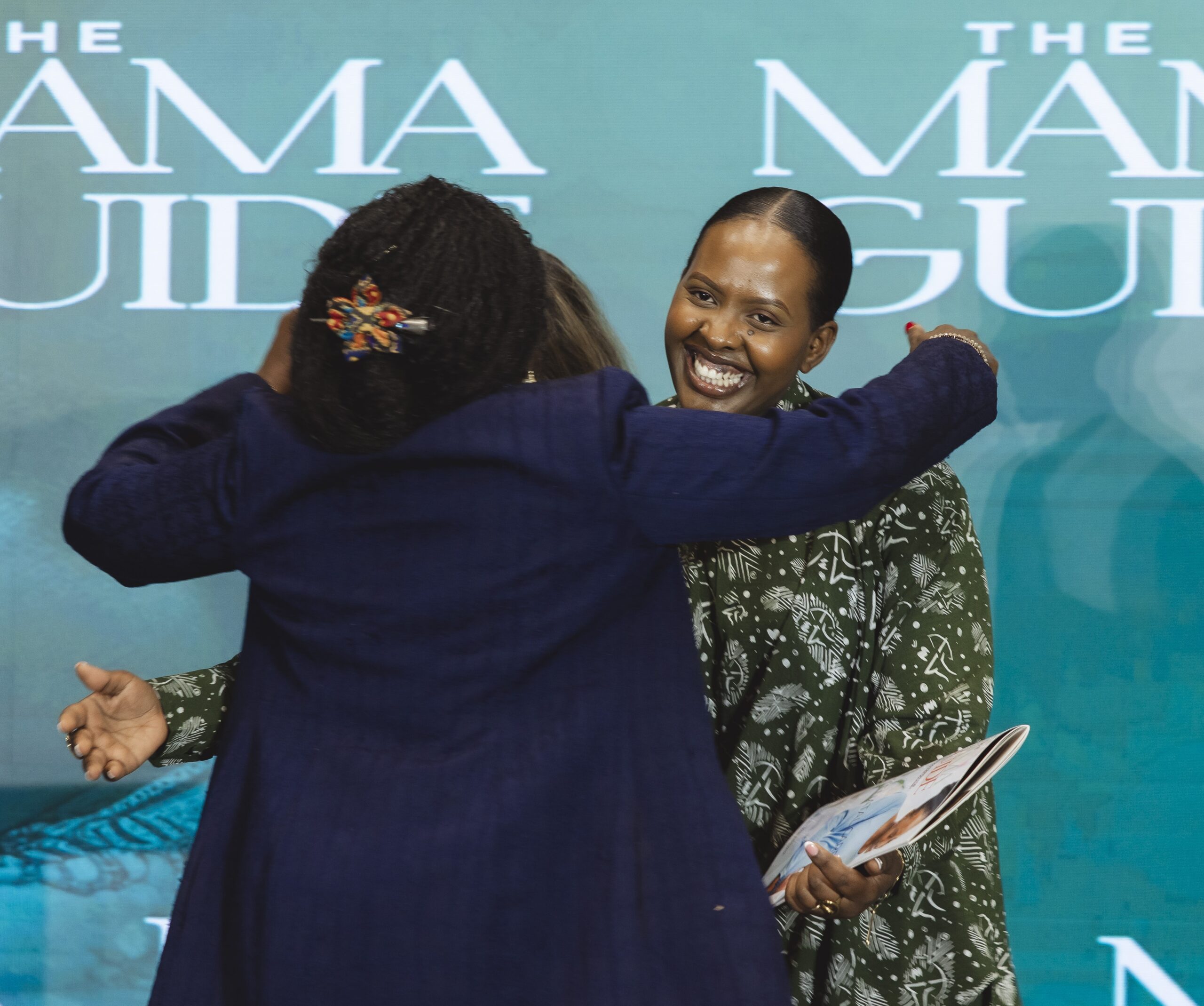
Dr. Marie Chantal Umunyana being congratulated upon publication of her book.
KIGALI – Six years ago, when Dr. Marie Chantal Umunyana was pregnant with her first daughter, she found herself facing a condition she had spent years learning about but never expected to experience herself.
As a young, ambitious medical doctor and expectant mother, she developed a severe pregnancy complication that causes excessive vomiting and can lead to dangerous health consequences for both mother and baby (hyperemesis gravidarum).
She understood the condition from a clinical perspective, yet living through it proved to be an entirely different experience.
“I knew the signs and symptoms because I had the background. What I missed by that time was that I wasn’t mentally prepared and I wasn’t strongly empowered to face it,” she recalls, her voice carrying the calm conviction of someone who has found meaning in a difficult experience.
Medically, hyperemesis gravidarum has no single clear cause and is often considered idiopathic, meaning it arises differently in each woman’s pregnancy. As such, it cannot be fully prevented, but early awareness of warning signs and timely medical care can help manage its severity.
Despite having medical knowledge, access to healthcare and support from family, Umunyana found herself grappling with uncertainty, fear and questions that many women face during pregnancy.
At the same time, advice seemed to come from every direction. “Everyone wants to advise you, do this and do that. Sometimes the myths are many compared to the evidence-based information,” she says.
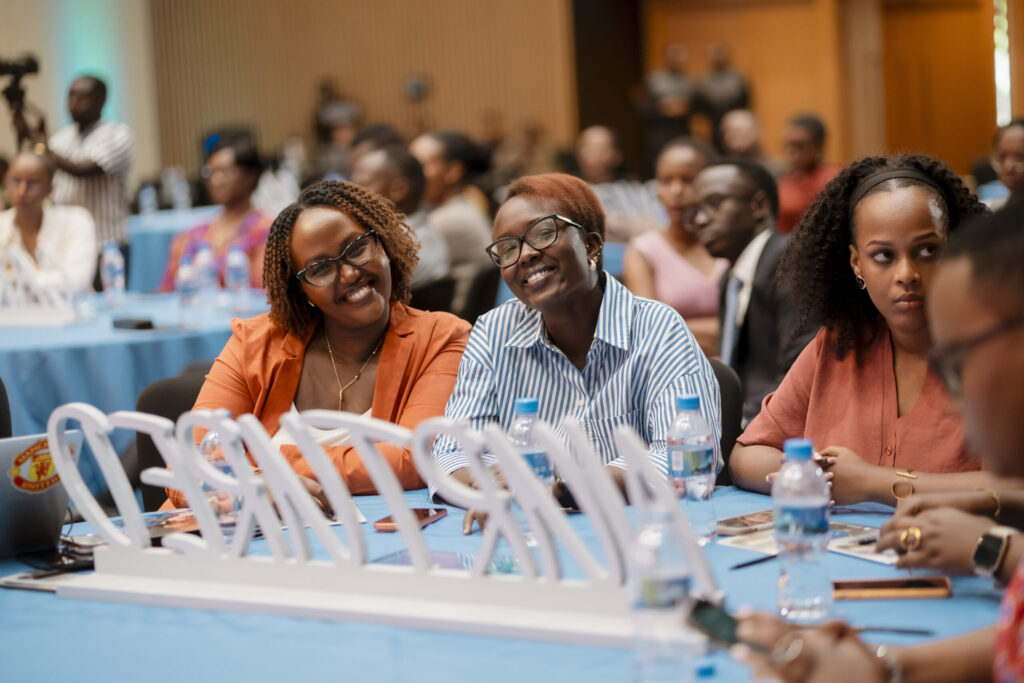
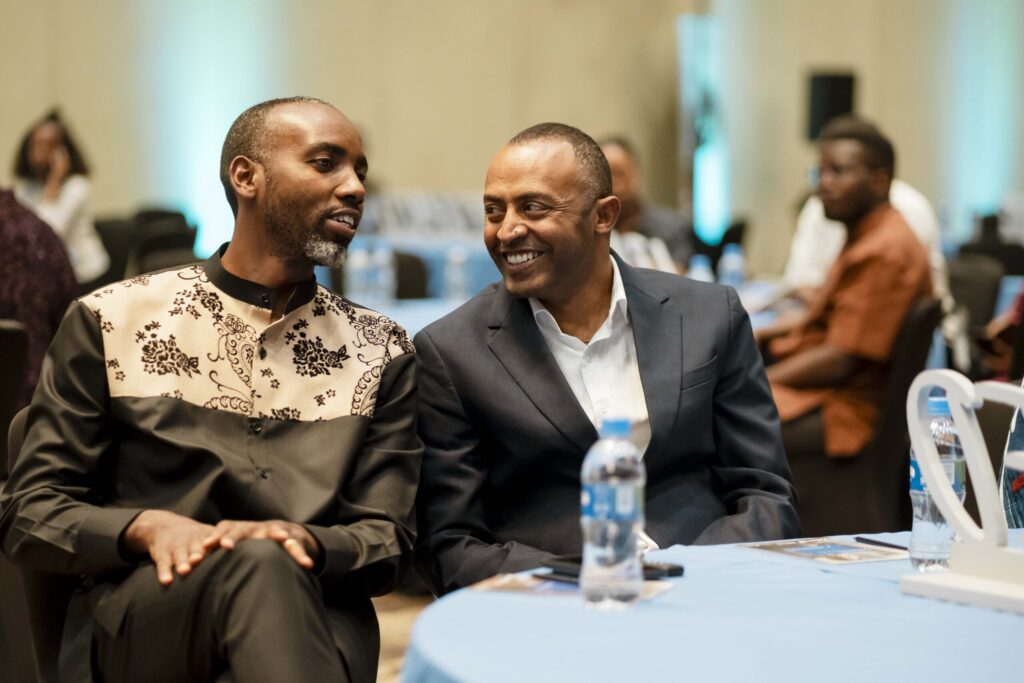
Guests during the launch of the book “Mama Guide”
As she navigated the difficult months of her pregnancy, one question kept lingering in her mind.
“If I’m struggling and I have all that support, how about a woman who probably doesn’t have a family, who doesn’t have any clue about health information or maybe a medical career?”
The question would stay with her long after her daughter was born.
Beyond One Woman’s Experience
When Umunyana returned to her work after giving birth, she began noticing something she had previously overlooked. Many women arriving at health facilities were carrying the same fears and uncertainties she had experienced.
Some delayed seeking care because they assumed certain symptoms were normal. Others relied on information from friends, relatives or social media without knowing whether it was medically accurate. Many simply lacked access to information they could trust.
What struck her most was how isolated women often felt. “Most of the time you feel like it’s your own issue. Since no one is talking about it, probably it’s you,” the mother of two says.
The more she listened, the more she realized that many health challenges were being compounded by a lack of reliable information.
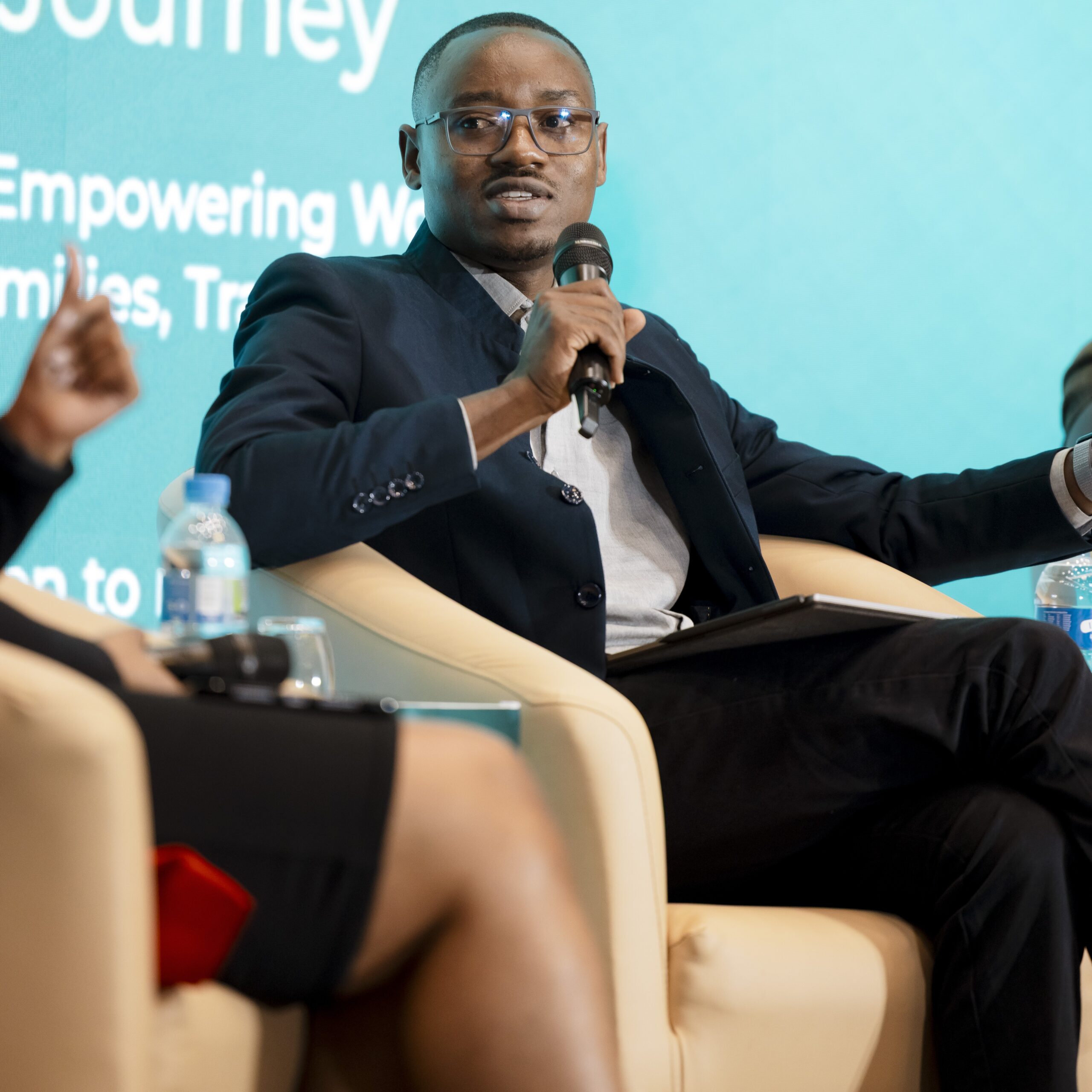
Dr. Polyphile Ntihinyurwa, an obstetrician and gynecologist is the co-author of the book “Mama Guide”
This is how Umunyana came to collaborate with Dr. Polyphile Ntihinyurwa, an obstetrician and gynecologist to co-author the book “Mama Guide”, a comprehensive collection of information that is now widely used as a powerful tool in healthcare countrywide.
“Information is the foundation of good decision-making. An informed woman is more likely to become a healthy woman, and healthy women contribute to healthy families and stronger communities,” Ntihinyurwa, who is also and President of the Rwanda Menopause Society says.
Without accurate information, he notes, women can become vulnerable to myths and misinformation, particularly during pregnancy when decisions about nutrition, behaviour and healthcare directly affect both mother and child.
Turning Questions into Answers
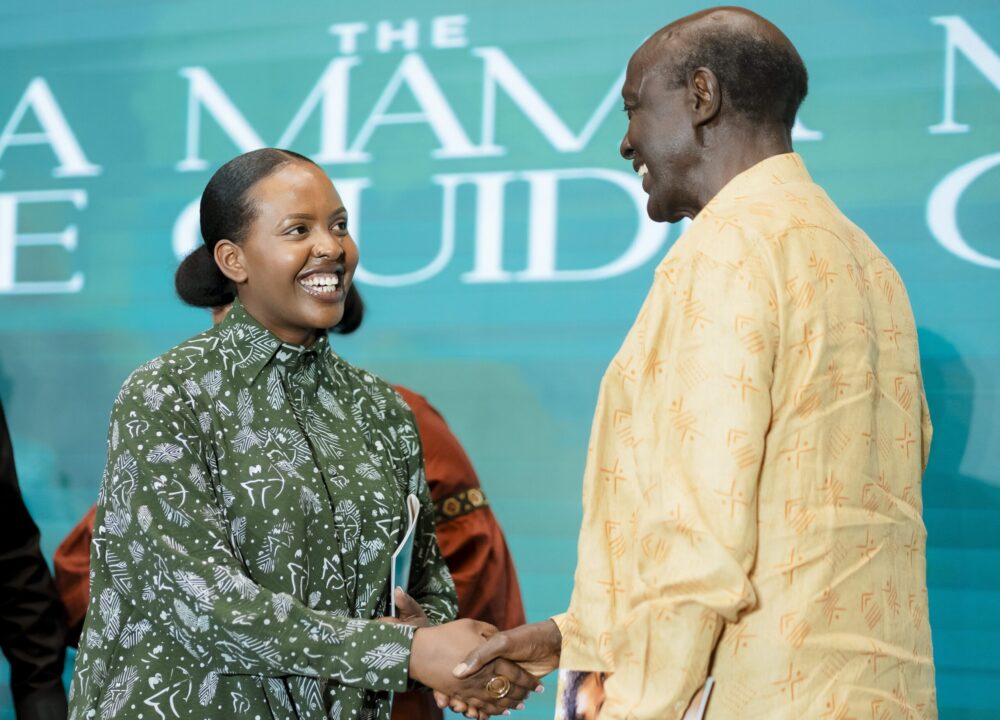
Dr. Marie Chantal Umunyana shares a happy moment with a guest during the launch of her book Mama Guide.
Determined to address the problem, Umunyana began organizing community awareness sessions where women could openly discuss their experiences and ask questions about pregnancy, childbirth, breastfeeding, nutrition and reproductive health.
The conversations revealed a clear pattern, with women of all ages and backgrounds asking the same questions and seeking for the same reassurance.
Rather than letting those conversations end there, Umunyana and her team began documenting the concerns women raised most often. Over time, those questions, stories and expert insights evolved into what is now Mama Guide.
“It is more than a book. It is a companion,” she says.
The guide provides evidence-based information on women’s health from preconception through menopause, while also highlighting the role families and support systems play in supporting women at critical stages of life.
The publication has been validated by the Rwanda Biomedical Centre (RBC) and developed with a focus on the realities women face within Rwanda and across Africa.
Health Begins at Home
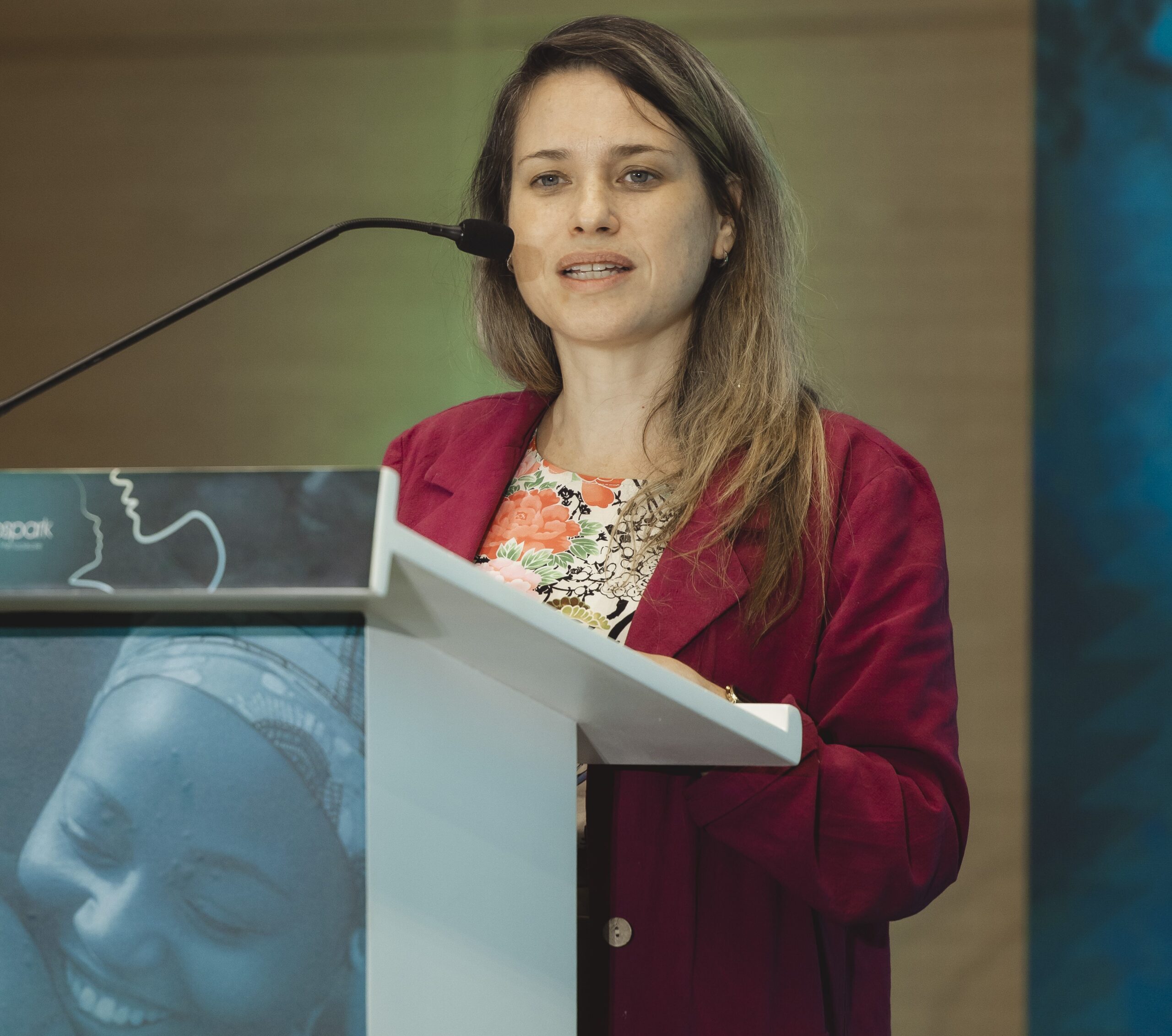
At the launch of the book, Jeanne Umuhire, the Deputy Director General at RBC said empowering women with knowledge is essential to improving health outcomes.
“Health begins at home, but for health to truly begin at home, girls and women must have access not only to healthcare services, but also to information they can trust, understand and then act upon,” she noted.
For Umunyana, that message reflects the lesson she learned during one of the most challenging periods of her life. What began as a difficult pregnancy became a mission to help other women navigate similar experiences with greater confidence and support.
The questions she once asked herself have since become the foundation of a resource designed to help thousands of women make informed decisions about their health and the health of their families.
Six years after that life-changing pregnancy, Umunyana hopes no woman will have to face uncertainty simply because she lacked access to reliable information.
If she succeeds in giving women answers before a crisis occurs, then a deeply personal and emotional struggle will have achieved something far greater than she imagined.
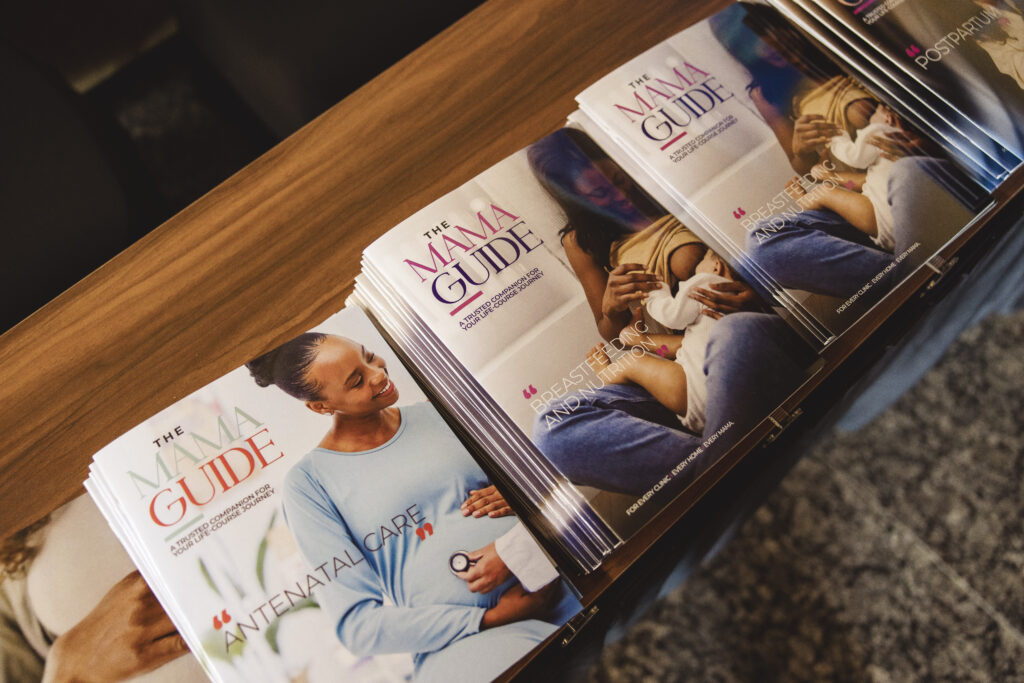
The guide is a collection of evidence-based information on women’s health from preconception through menopause.