

KIGALI — Government if Rwanda has enlisted one of the world’s most renowned memorial architects to help reimagine the country’s principal site of remembrance for the 1994 Genocide against the Tutsi.
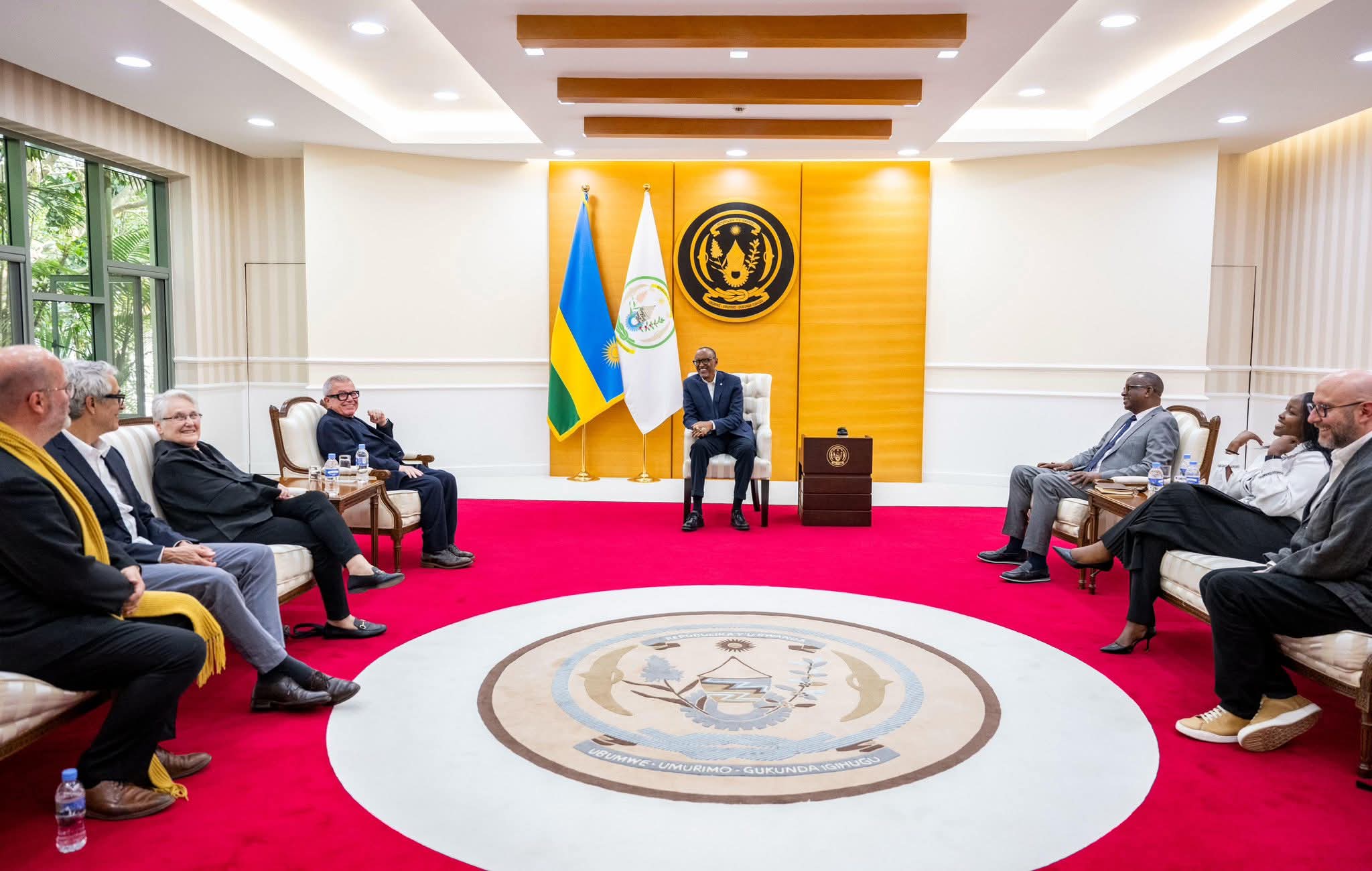
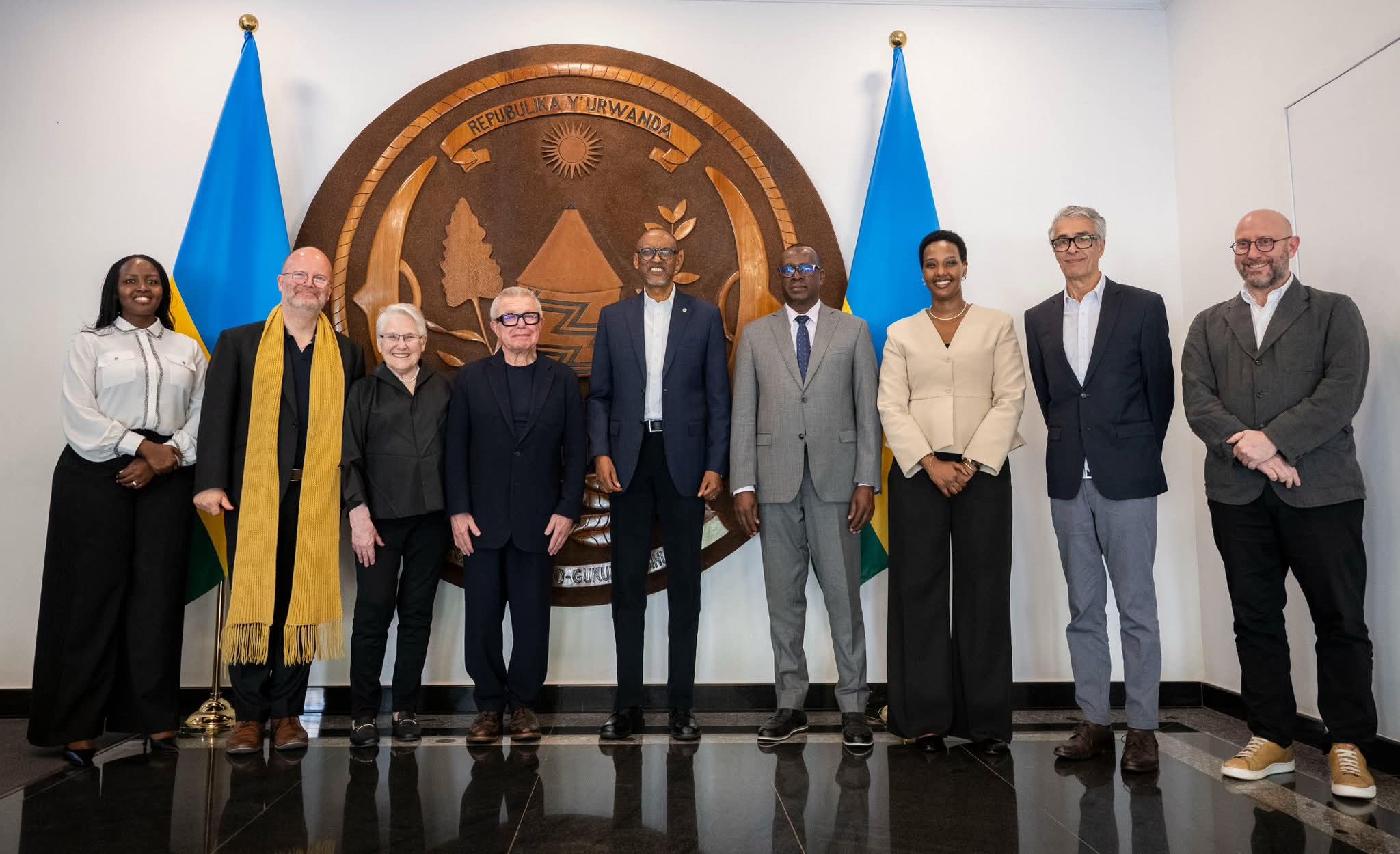
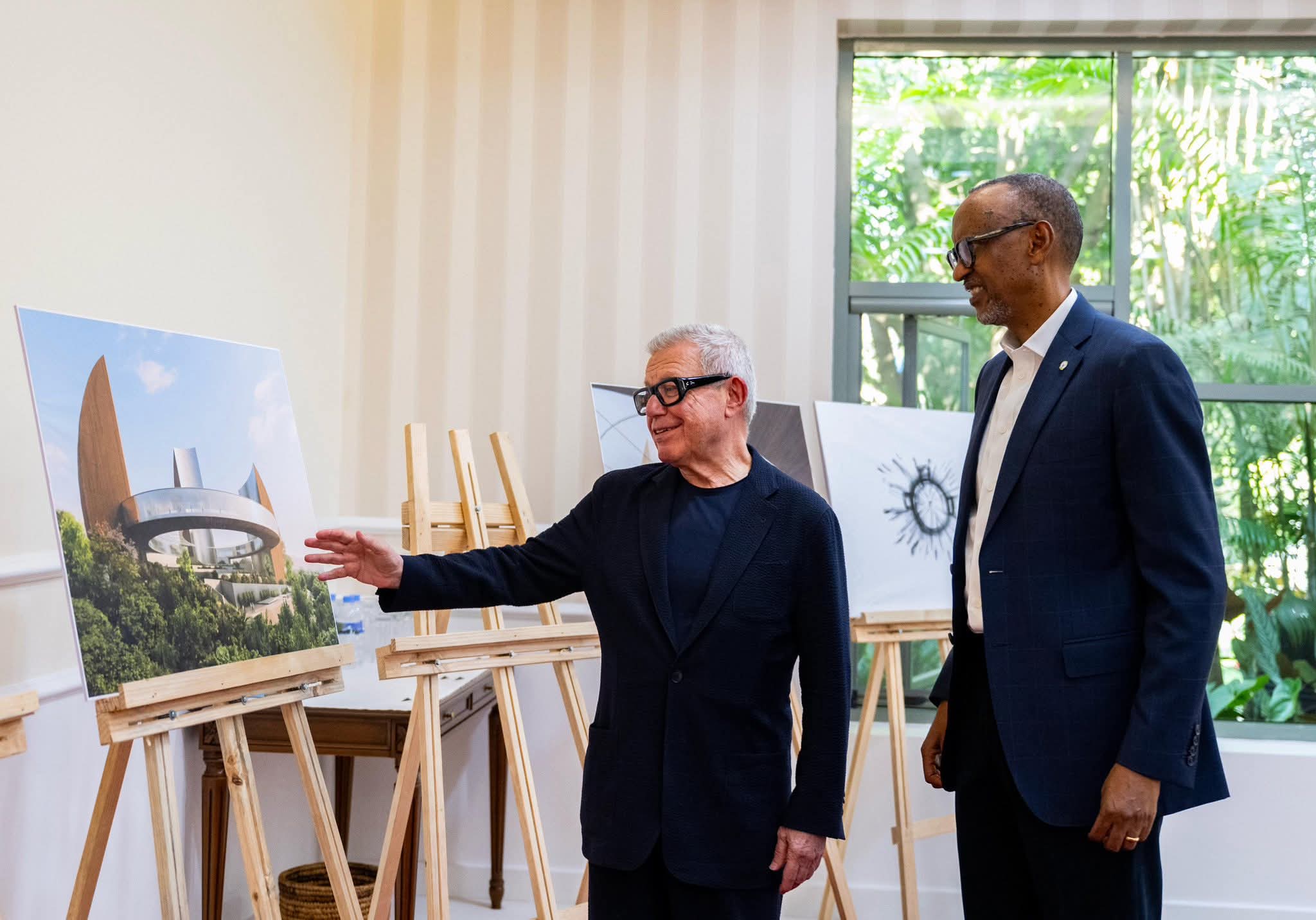
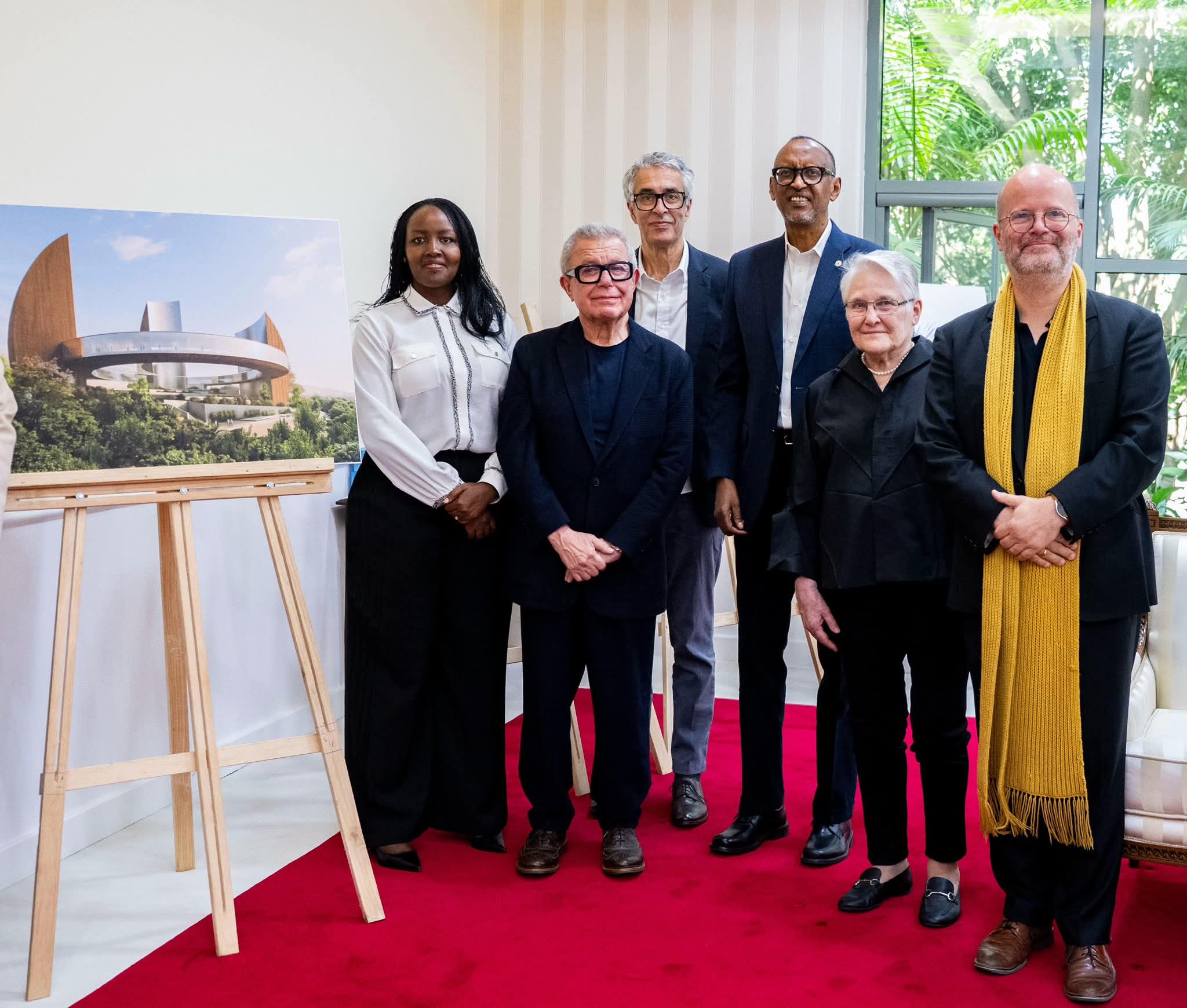
President Paul Kagame on Thursday received Daniel Libeskind, the internationally acclaimed architect whose work includes some of the world’s most significant memorial and remembrance projects, to discuss plans for a new National Genocide Monument at the Kigali Genocide Memorial.
Libeskind was accompanied by Nina Libeskind, Co-founder of Studio Libeskind; Stefan Blach, a Partner at the firm; and Holm Keller, Chairman of the kENUP Foundation.
According to Urugwiro Village, discussions focused on plans for a new National Genocide Monument envisioned as a powerful space for remembrance, education and reflection, combining cutting-edge technology with deeply immersive and personal experiences for visitors.
Libeskind is widely regarded as one of the world’s leading architects of memory and commemoration. His work has become synonymous with projects that confront some of humanity’s darkest chapters through architecture designed to evoke reflection, loss, resilience and remembrance.
Among his most celebrated works is the Jewish Museum Berlin, considered one of the most influential museum buildings of the modern era. The structure’s fragmented geometry, symbolic voids and dramatic spaces were designed to tell the story of Jewish life and the Holocaust in Germany.
He also designed Canada’s National Holocaust Monument in Ottawa and the Dutch Holocaust Memorial of Names in Amsterdam, which commemorates more than 102,000 Dutch Holocaust victims.
Beyond Holocaust memorialization, Libeskind gained global prominence after winning the international competition to develop the master plan for the redevelopment of New York’s World Trade Center site following the September 11, 2001 terrorist attacks.
His “Memory Foundations” proposal established the framework for rebuilding Ground Zero while preserving spaces dedicated to remembrance.
The architect’s involvement in Rwanda’s new monument is likely to attract international attention given his long association with projects centered on collective memory, historical trauma and national healing.
The initiative comes as Rwanda continues efforts to preserve the memory of the Genocide against the Tutsi and ensure future generations understand both the causes and consequences of one of the twentieth century’s worst atrocities.