



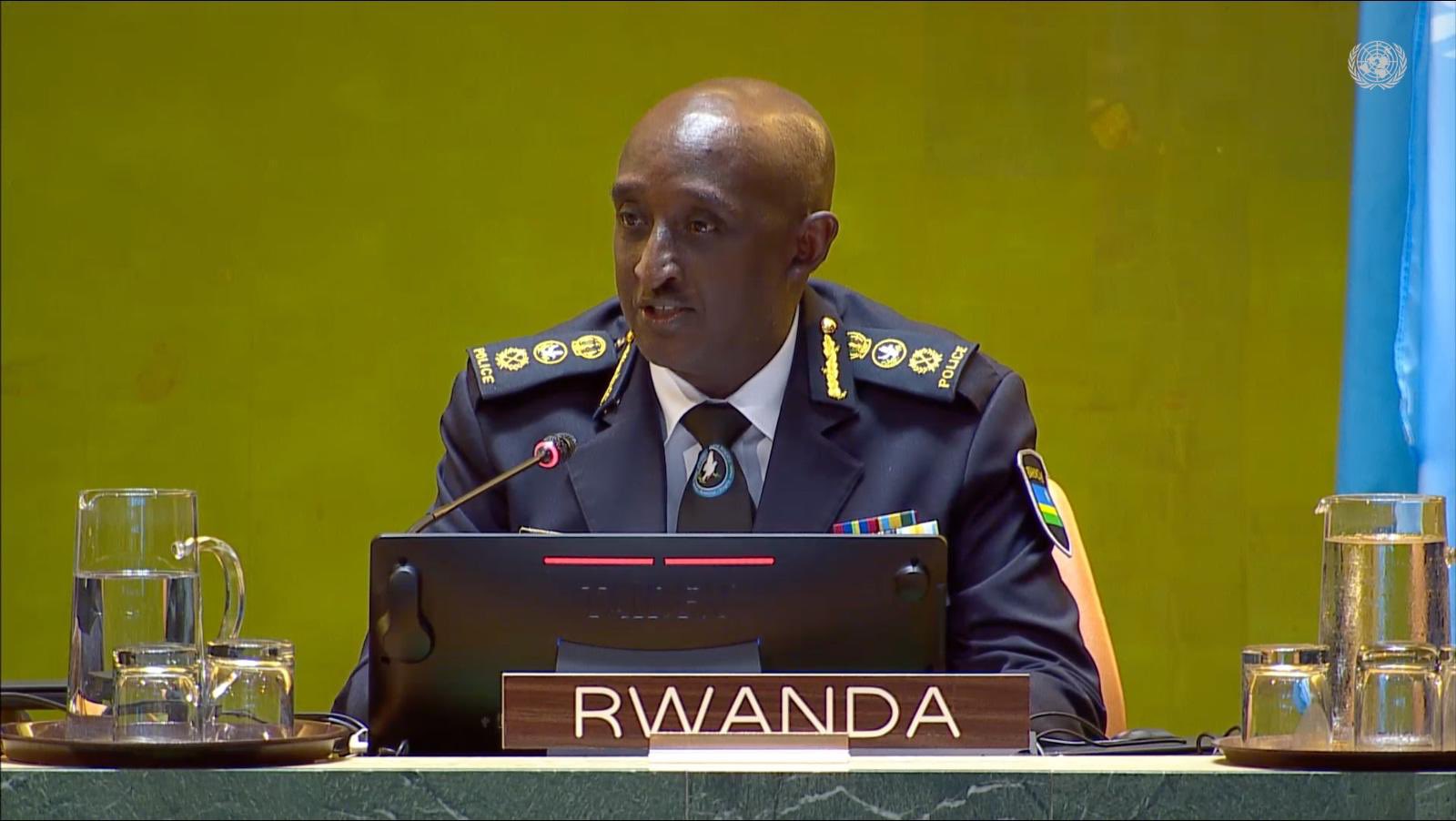
NEW YORK — Rwanda’s police chief on Tuesday called for stronger safeguards governing the use of artificial intelligence in criminal investigations, warning that technological advances must be matched by accountability and respect for human rights as law enforcement agencies increasingly adopt AI-powered tools.
Inspector General of Police Felix Namuhoranye made the remarks during a side event at the Fifth United Nations Chiefs of Police Summit (UNCOPS 2026), where senior police officials, ministers and U.N. leaders gathered to discuss emerging security challenges and the future of international policing.
The discussion focused on the use of artificial intelligence in crime scene investigations, including AI-powered forensic tools and smart hands-free cameras designed to improve evidence collection and documentation.
“Technology is not simply transforming forensic science; it is redefining how we pursue truth, accountability and justice,” Namuhoranye said in closing remarks at the event.
He said artificial intelligence could improve the accuracy of crime scene investigations, reduce human error and strengthen the reliability of forensic evidence, but cautioned that its use must remain subject to clear legal and ethical standards.
“Artificial intelligence is not replacing professional judgment; it is supporting it,” he said. “The integrity of crime scene investigations depends on striking the right balance between technological innovation and ethical responsibility.”
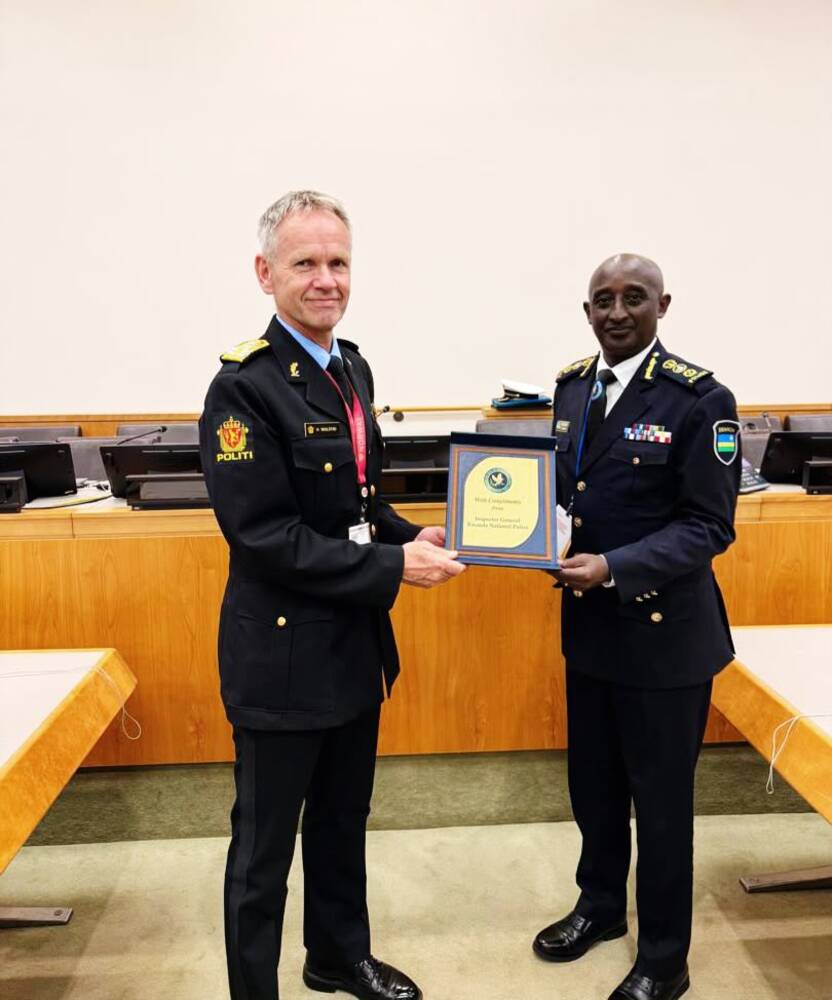
His remarks come as police agencies around the world increasingly explore artificial intelligence to assist with investigations, surveillance and forensic analysis, even as governments and civil rights advocates debate how to regulate the technology and prevent misuse.
Namuhoranye said effective adoption of AI requires robust governance frameworks, continuous training for investigators, strong data protection measures and close collaboration between law enforcement agencies, forensic experts and technology developers.
He said Rwanda remains committed to adopting emerging technologies in ways that strengthen public safety while preserving public confidence in the justice system.
“Responsible adoption of these technologies is not simply about embracing innovation,” he said. “It is about ensuring they are trusted, secure and aligned with the rule of law.”
The two-day summit at United Nations headquarters brought together police chiefs, gendarmerie commanders and senior U.N. officials to exchange best practices, strengthen cooperation between national police services and U.N. peace operations, and examine how policing can respond to increasingly complex security threats.
The conference also explored how emerging technologies, including artificial intelligence, are reshaping policing at a time when law enforcement agencies face growing cybercrime, transnational crime and digital evidence challenges.



1 comment
Interesting!
Comments are closed.