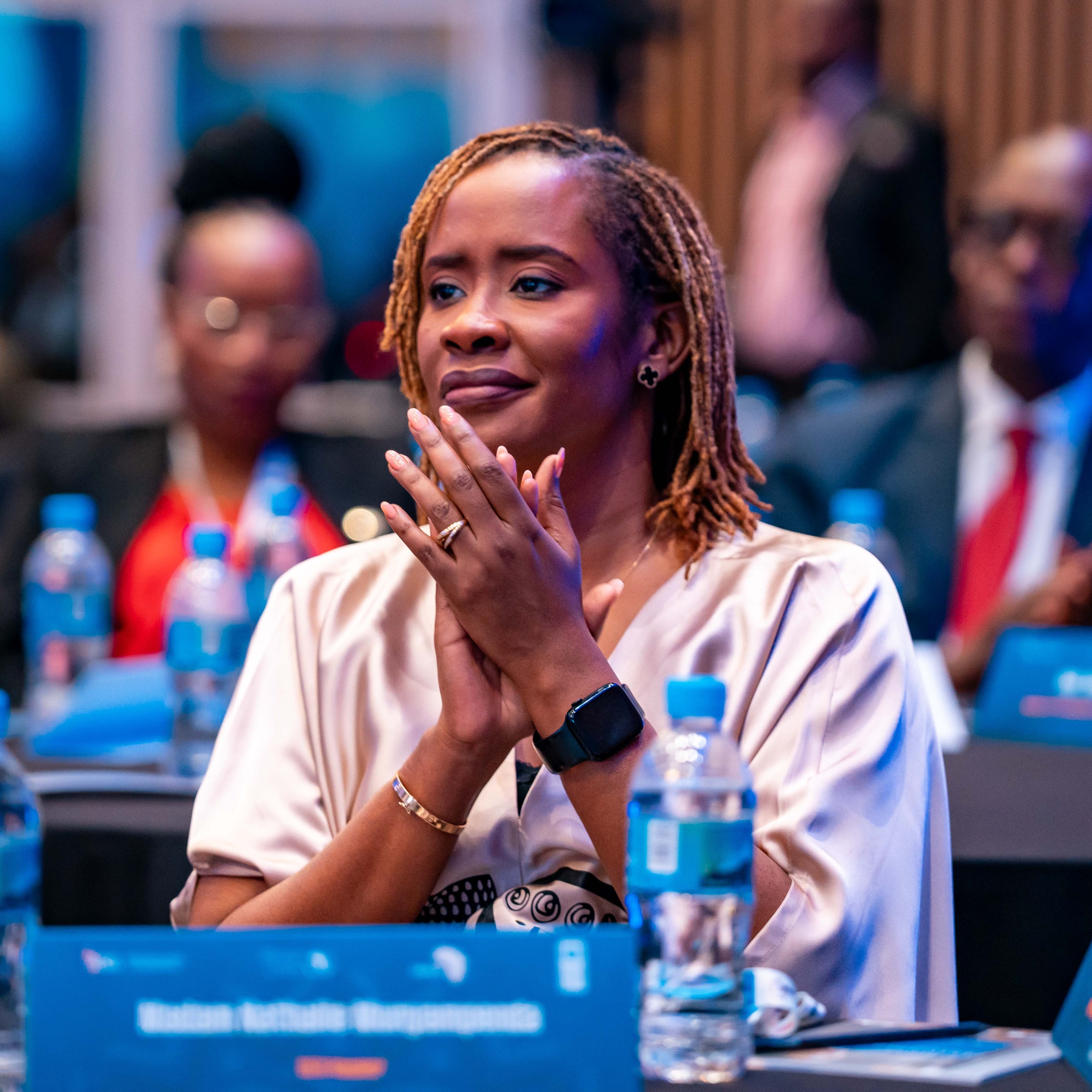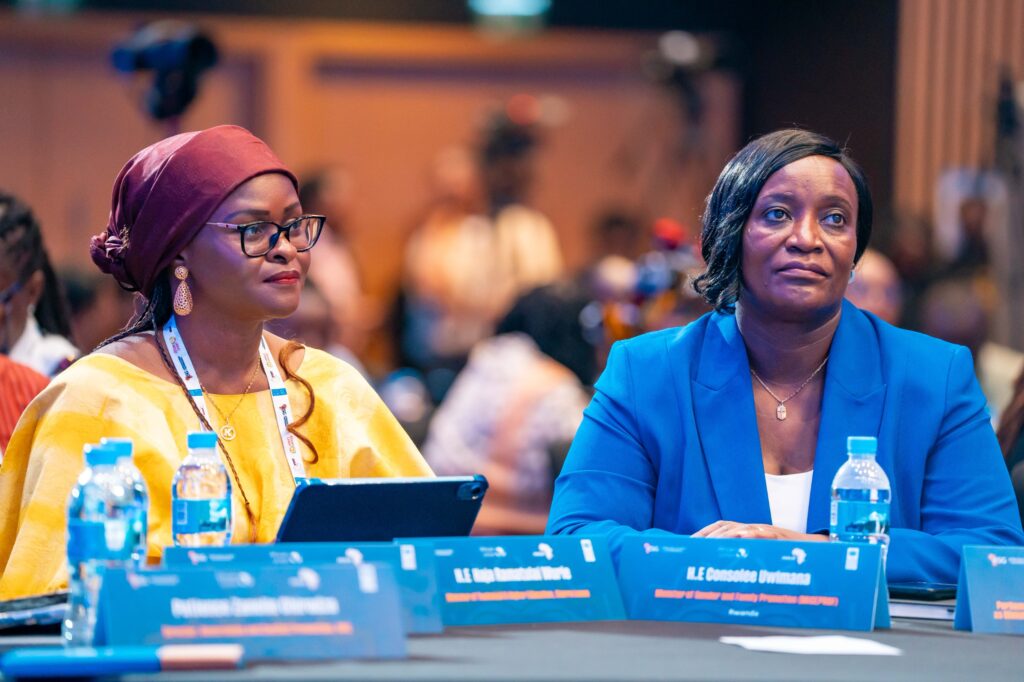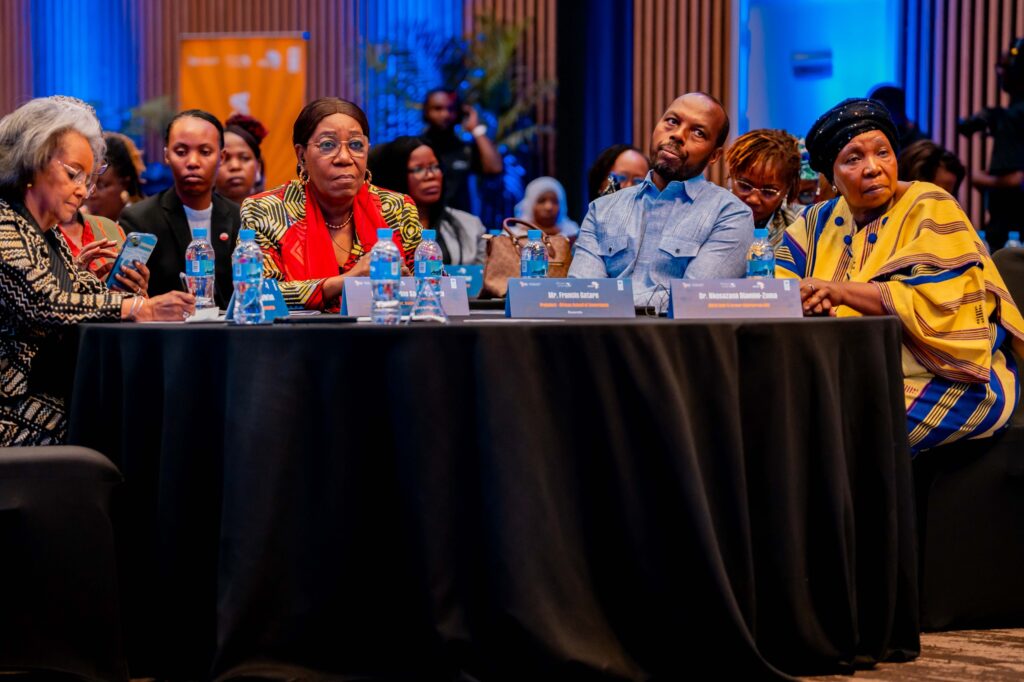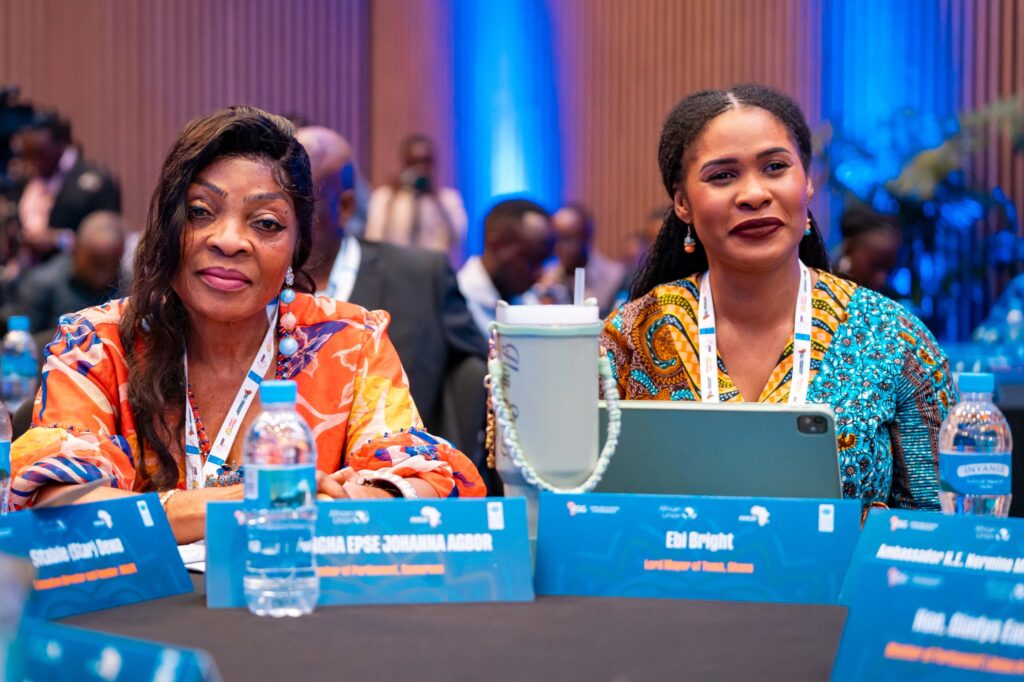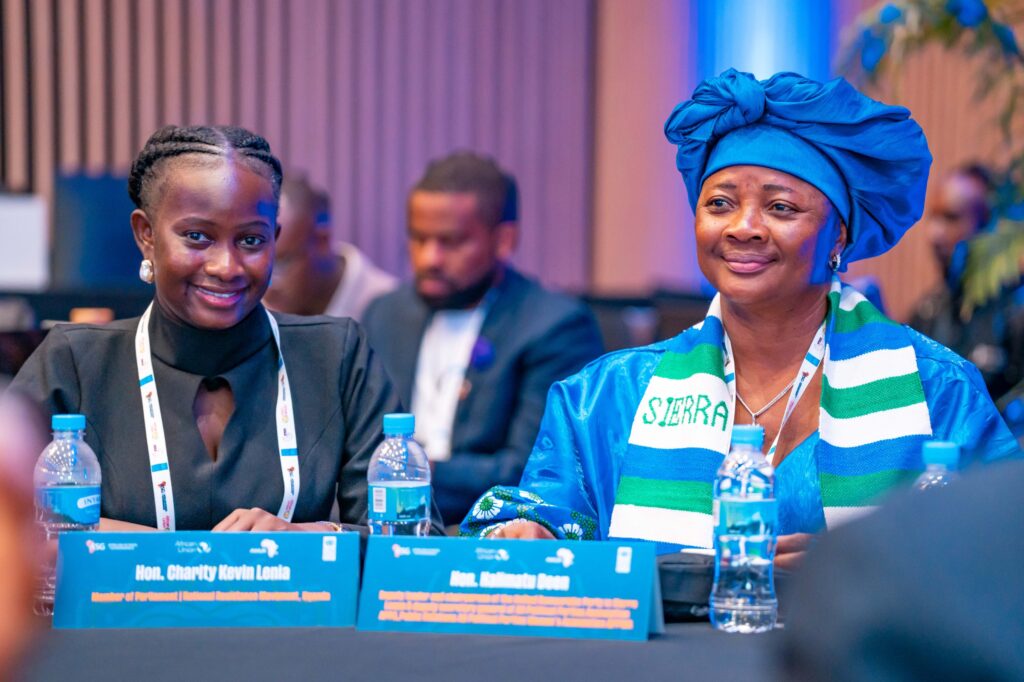
Guests at the launch launch the African Academy for Women in Political Leadership.
KIGALI – Despite Africa’s push for more women to enter politics, many of those who make it into public office navigate heavy obstacles such as expensive campaigns, weak political networks, intimidation and limited mentorship.
Leaders who gathered in Kigali on Monday to launch the African Academy for Women in Political Leadership said those practical barriers continue to hold back women’s political leadership across the continent.
In an attempt to change that, the Academy has been established with an initial cohort of 40 sitting women leaders from 28 countries across Africa and the Caribbean for a four-week program combining residential and virtual learning.
The academy will be hosted by the African School of Governance (ASG) in partnership with the African Union, UNDP and the African Women Leaders Network (AWLN).
The launch also saw UNDP and the African School of Governance Foundation sign a Memorandum of Understanding formalizing their collaboration on the initiative.
According to Francis Gatare, President of ASG, the academy aligns with the school’s mission of nurturing ethical and transformative leaders committed to public service.
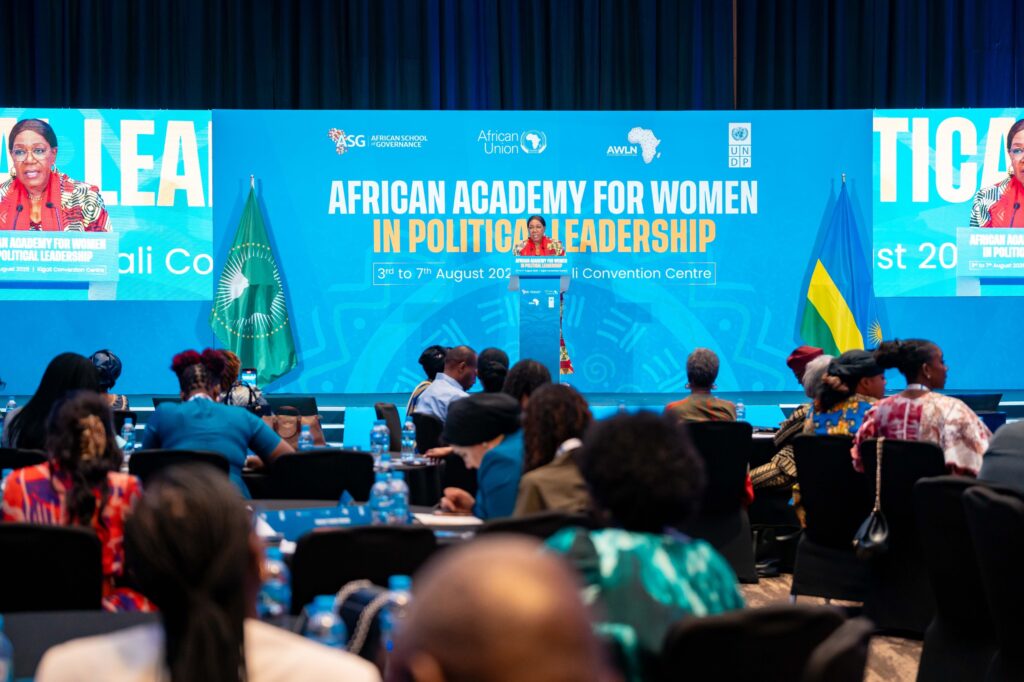
Leaders gathered in Kigali on Monday to launch the African Academy for Women in Political Leadership.
He noted that women remain underrepresented in political decision-making across Africa, making deliberate investment in leadership development essential.
“Running for office and obtaining authority and power is not sufficient. What makes a difference is the character and the impact that the person makes with that responsibility,” Gatare said.
He explained that the academy is intended to become a lasting institution rather than a one-off training.
Participants will join ASG’s alumni network and remain connected through mentorship and peer support, allowing them to continue learning from one another long after the program ends.
Beyond Representation
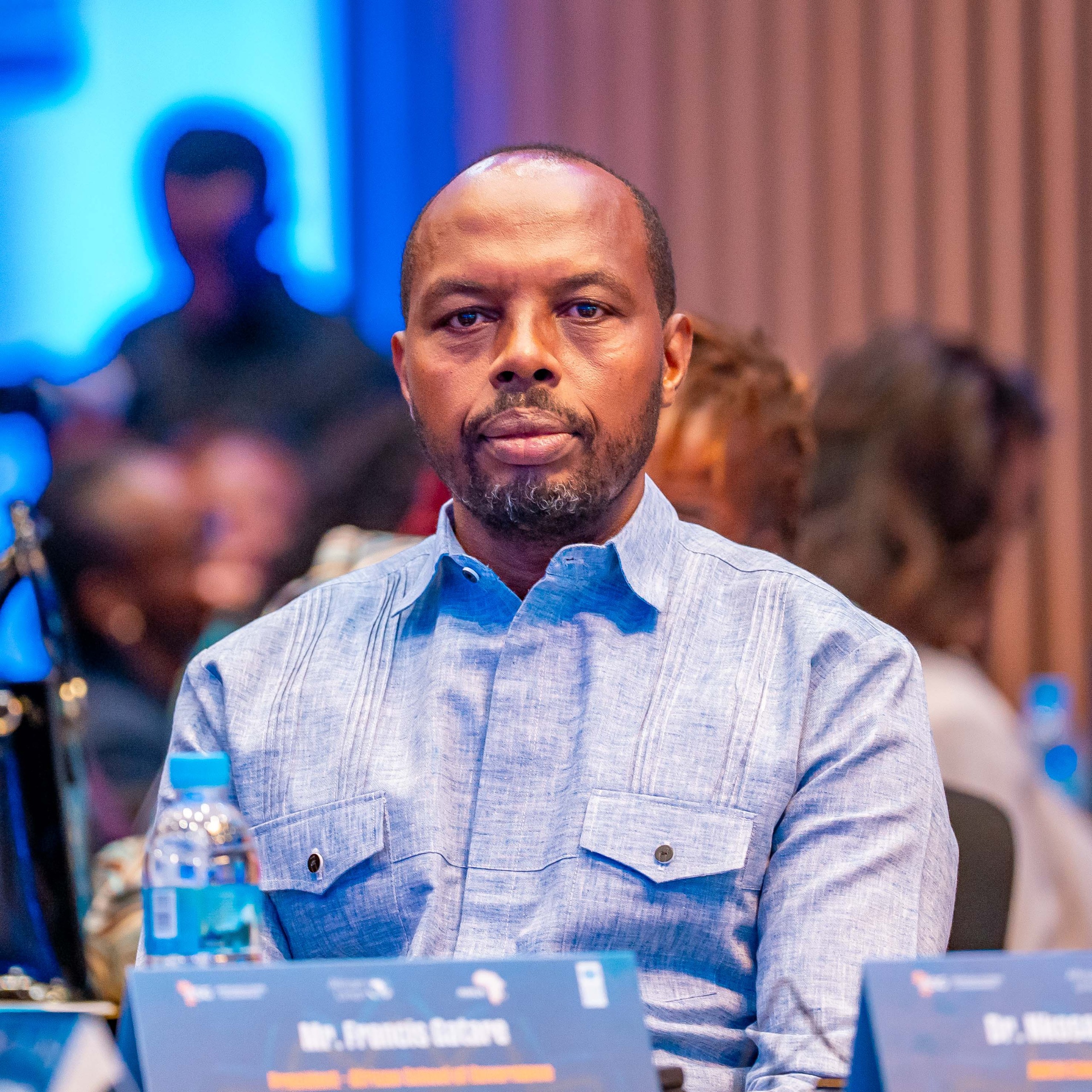
Francis Gatare is the President of the African School of Governance (ASG)
UNDP Regional Program for Africa Director Dr. Jide Okeke said the academy was deliberately designed to focus on the realities of political life instead of abstract theory.
Its curriculum includes campaign financing, coalition building, communications, legislative leadership and ethical governance. Recalling the vision behind the initiative, Okeke said the guiding instruction was simple: “Build an academy, but don’t make it academic.”
He noted that women candidates frequently struggle to raise campaign resources and often face intimidation despite having the ability to lead. “Anyone who declines to teach women about raising money has already decided who is going to lose,” he said.
Okeke also urged governments to judge progress by how many women exercise real influence after election, not simply by how many win seats. He described Rwanda, which has the world’s highest proportion of women parliamentarians, as a fitting place to launch the academy.
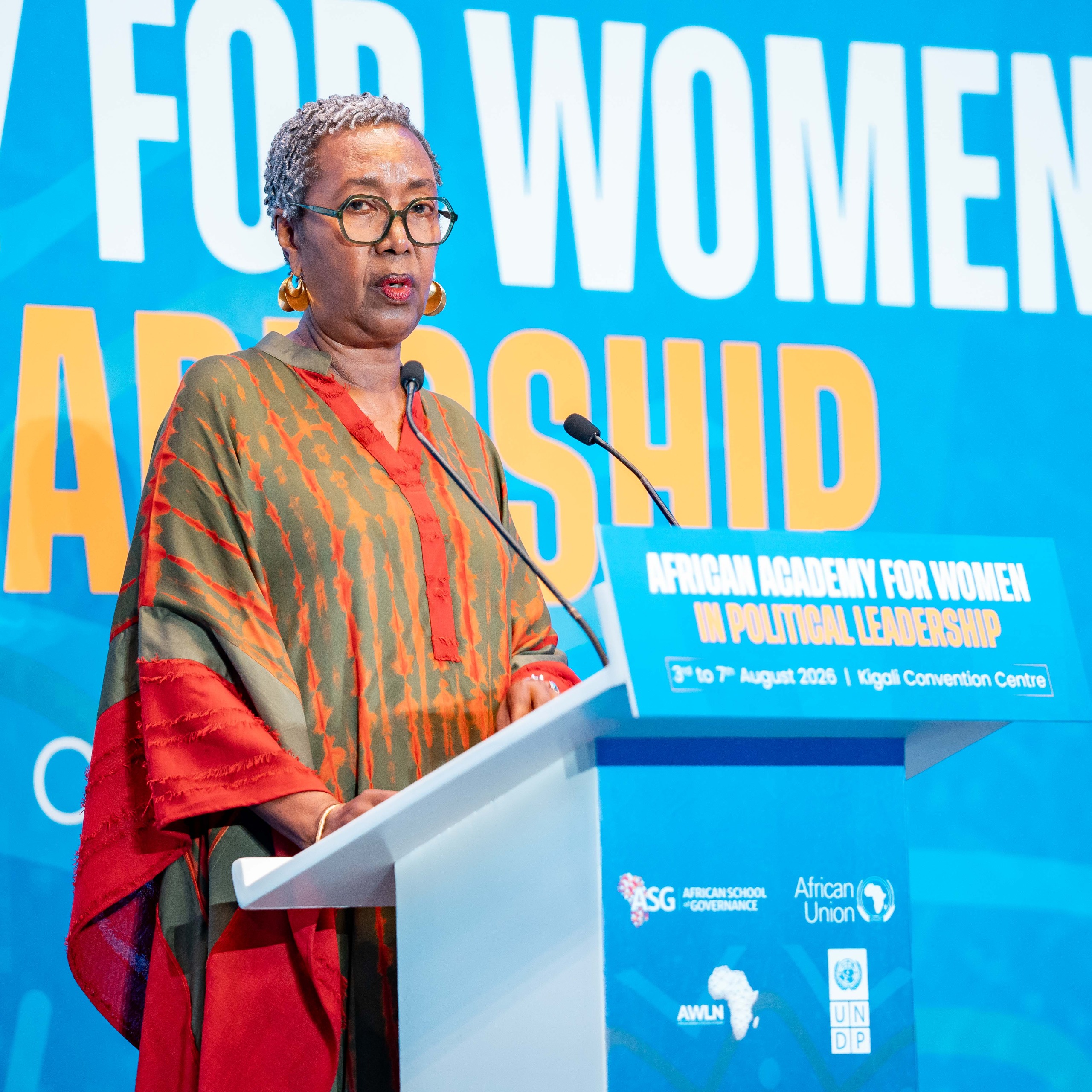
Senator Bibiane Gahamanyi speake on behalf of First Lady Jeannette Kagame.
Speaking on behalf of First Lady Jeannette Kagame, Senator Bibiane Gahamanyi said Rwanda’s experience demonstrates that women’s political leadership grows when political commitment is matched by deliberate investment in inclusion.
She said the country chose to champion gender parity because lasting national progress depends on ensuring women have equal opportunities to participate in decision-making.
Gahamanyi noted that the academy reflects the same philosophy, arguing that women do not need permission to lead but rather the opportunities, networks, knowledge and support systems that enable them to lead effectively and sustainably.
She said bringing the inaugural cohort to Kigali offers participants a chance to build the relationships and solidarity needed not only to enter political office but to influence institutions across Africa.
From Advocacy to Action
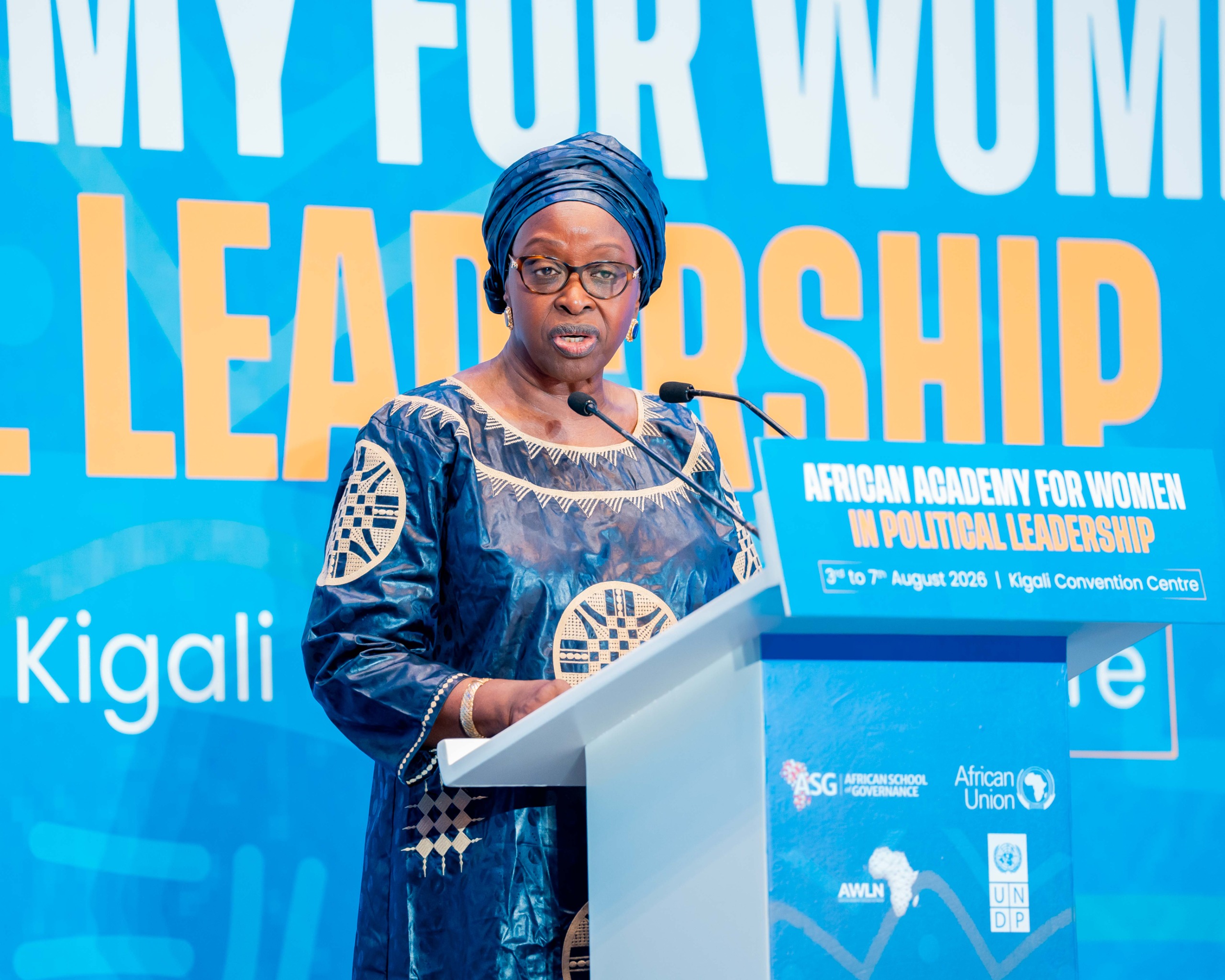
AWLN Co-Convener Bineta Diop said the academy represents a shift from discussing women’s leadership to building the systems needed to sustain it.
She noted that Africa has never lacked capable women leaders but has often lacked an ecosystem that intentionally prepares and supports them. “Today we moved decisively from advocacy to implementation,” she said.
More than 1,000 women applied for the inaugural cohort, with only 40 selected. Beyond technical skills, participants will learn directly from former presidents, ministers and parliamentarians while building networks expected to support their careers across borders.
Leadership That Outlives the Classroom
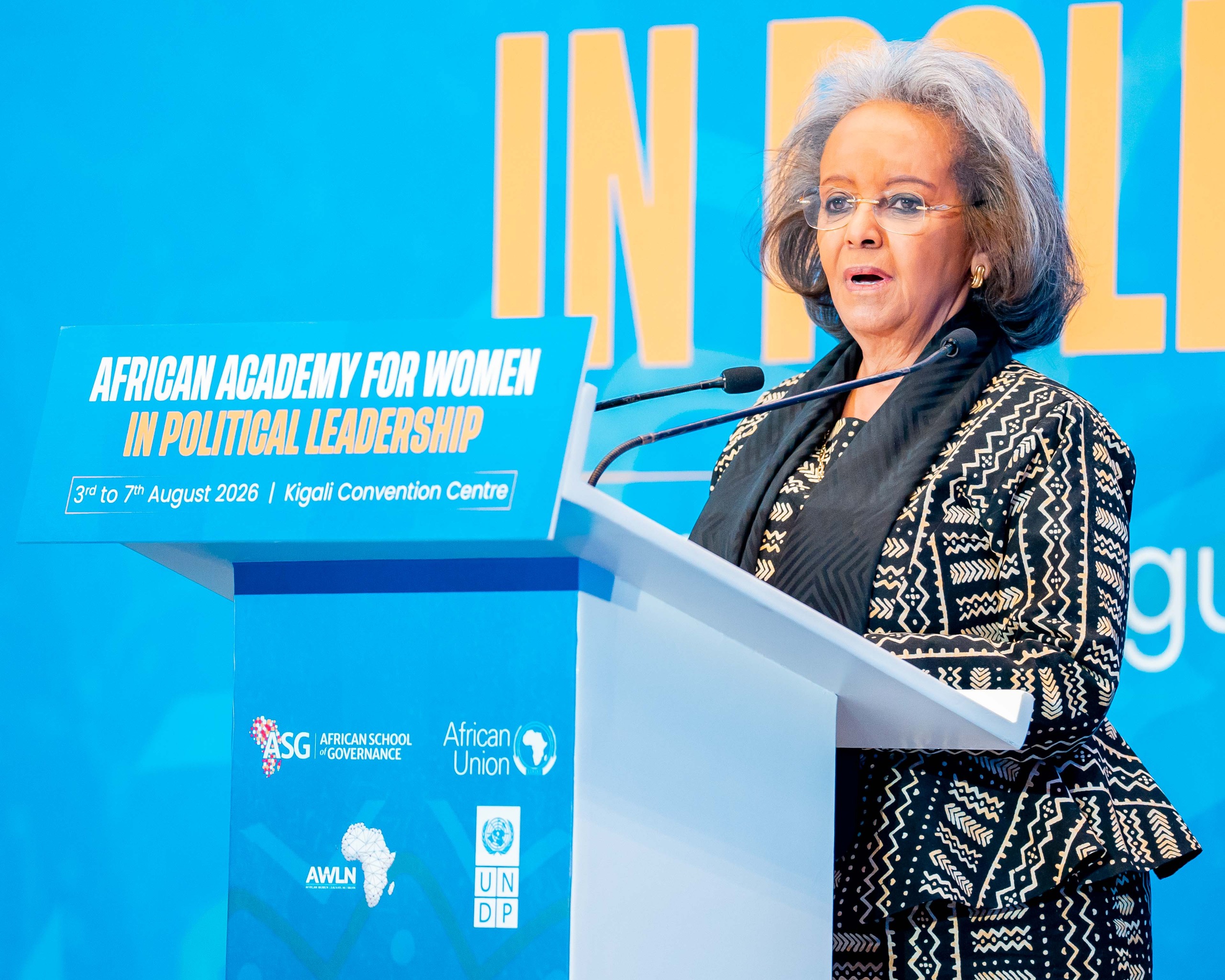
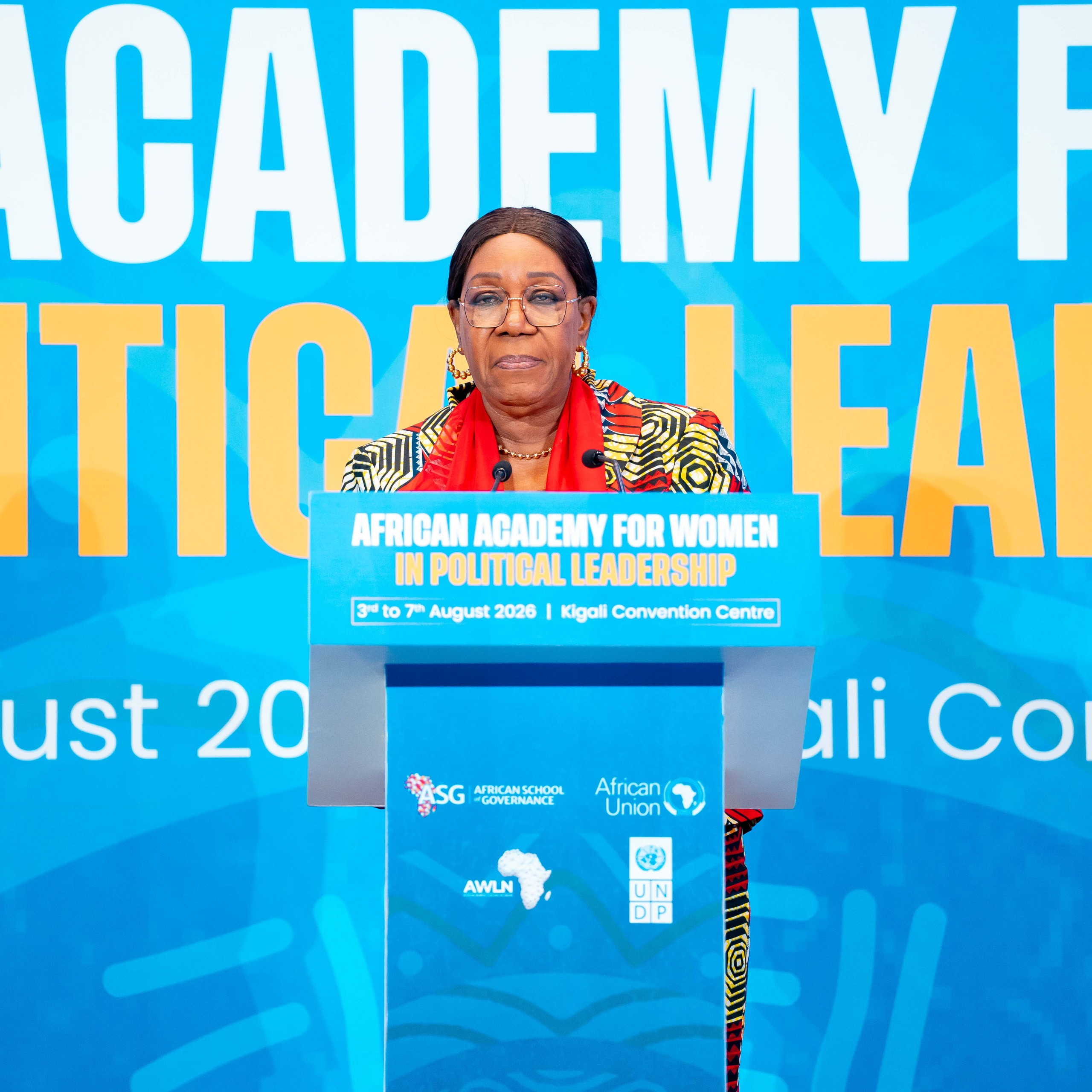
Former Ethiopian President Sahle-Work Zewde addressing guests
Former Ethiopian President Sahle-Work Zewde said the academy changes a long-standing pattern in which women have had to overcome political barriers alone. Instead, it creates a structured pathway where experience is shared across generations.
“For too long, women have entered politics by overcoming hard barriers individually. This academy changes that narrative,” she said.
She encouraged participants to remain guided by integrity and purpose, reminding them that leadership is about strengthening institutions and serving people. “A woman who assumes power is there to change the nature of power, but not power to change her true nature.”
The academy’s long-term success will ultimately be measured not by the certificates awarded in Kigali but by whether its graduates go on to shape stronger institutions, mentor future leaders and widen the path for more African women to lead.