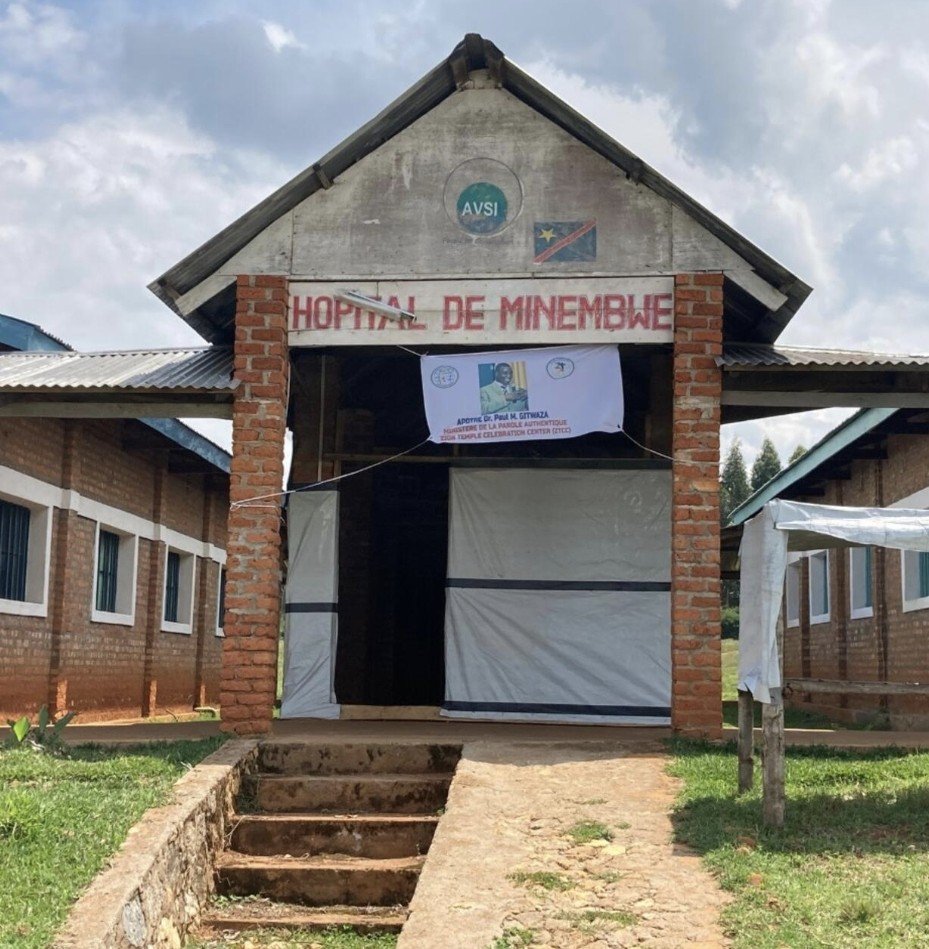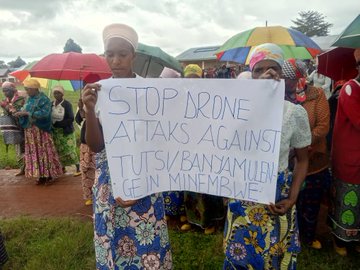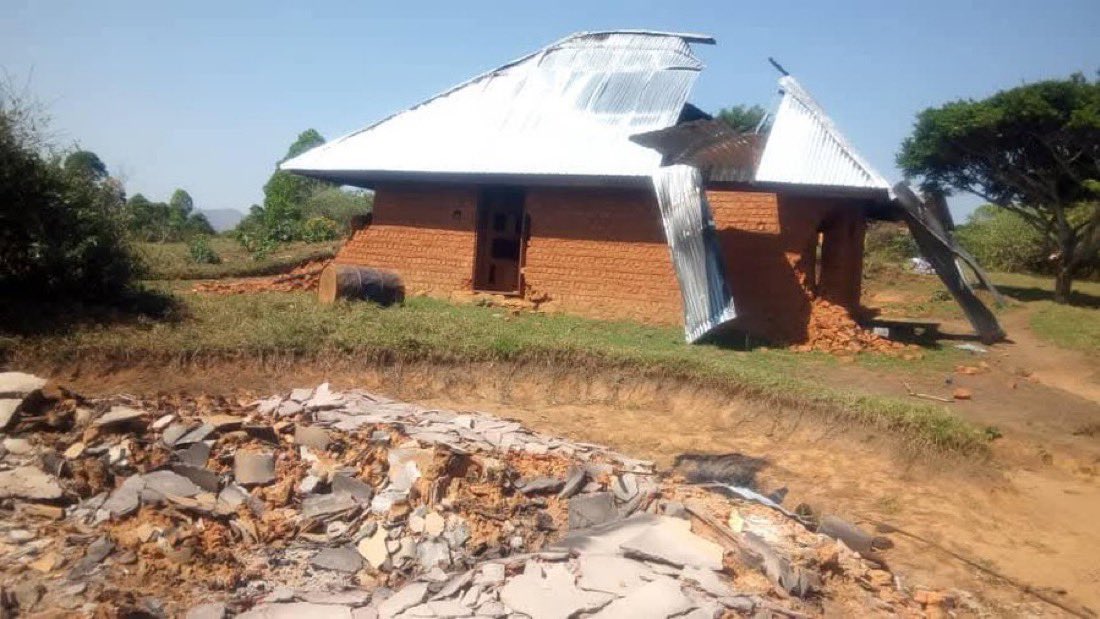



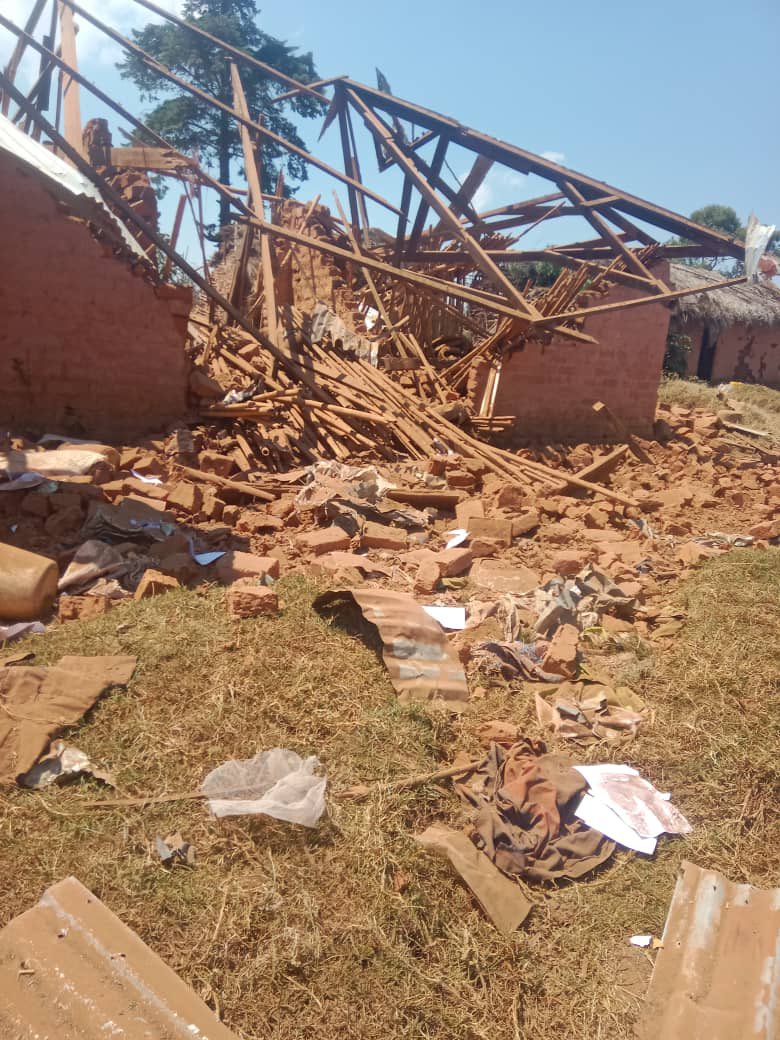
A sign of the desperation in the Minembwe region as Government forces unleash campaign of bombardments
LONDON – The United Kingdom has formally acknowledged the worsening situation facing the Banyamulenge community in eastern Democratic Republic of Congo (DRC), as renewed fighting in South Kivu’s High Plateau and Minembwe areas intensifies.
In a letter dated 25 June 2026, UK Minister of State for International Development and Africa Baroness Chapman of Darlington responded to concerns raised by Salford constituent Alexis Shama, saying the British government was “aware of the ongoing reporting from Minembwe and High Plateau of South-Kivu on the terrible situation facing the Banyamulenge people.”
The Minister said the UK “condemn[s] all human rights violations” and stressed that those responsible for abuses “must be held accountable,” including perpetrators of violence against Banyamulenge communities.
Baroness Chapman said she raised the issue directly with Congolese President Félix Tshisekedi during a late May meeting in Kinshasa, emphasizing the need for the government to respect commitments made under ongoing peace processes, protect civilians and uphold international humanitarian law.
The UK statement comes as the security situation in South Kivu remains volatile. In recent weeks, the AFC/M23 coalition has expanded its control in the Minembwe highlands, taking over key areas previously contested by Congolese forces and allied armed groups.
The rebel coalition has described its operations in Minembwe and surrounding areas as defensive actions aimed at protecting communities it says have faced attacks and discrimination. However, Kinshasa has accused AFC/M23 of expanding territorial control and undermining national sovereignty.
The fighting has also been accompanied by accusations of heavy bombardments by government forces and their allies. AFC/M23 has repeatedly accused the Congolese army (FARDC) and allied forces of carrying out artillery and drone attacks on positions and civilian areas under its control, allegations Kinshasa disputes.
The conflict in South Kivu is further complicated by the involvement of multiple armed actors, including Burundian forces, the FDLR (Democratic Forces for the Liberation of Rwanda), Wazalendo militias and other pro-government armed groups. AFC/M23 has accused these forces of coordinating operations against its positions, while the Congolese government maintains that it is fighting armed groups threatening state authority.
The Banyamulenge community, a Congolese Tutsi-speaking community largely based in the highlands of South Kivu, has faced decades of insecurity, including displacement, attacks on villages and restrictions on access to essential services.
Community representatives have reported widespread destruction, displacement of more than 400,000 people and a worsening humanitarian situation, including shortages of food and healthcare.
The UK has previously engaged in regional diplomacy over eastern DRC. Baroness Chapman, who has visited the country twice this year, travelled to Kigali in October 2025 and visited the DRC in March 2026, when Britain announced more than £13 million in funding for peacebuilding, humanitarian assistance and support for survivors of sexual violence.
The Minister has also offered to facilitate discussions between officials from the UK Foreign, Commonwealth and Development Office (FCDO) and the Banyamulenge Community Association in the UK (BACA) to hear concerns directly from community representatives.
“The UK remains committed to engaging with both Governments and civil society organisations to understand the situation on the ground and respond accordingly,” Baroness Chapman wrote, adding that Britain would continue using diplomatic efforts to support a peaceful resolution to the conflict.
However, with AFC/M23 strengthening its presence in parts of South Kivu and fighting continuing between rival forces, the humanitarian situation facing communities such as the Banyamulenge remains one of the most sensitive issues in the wider eastern DRC crisis.