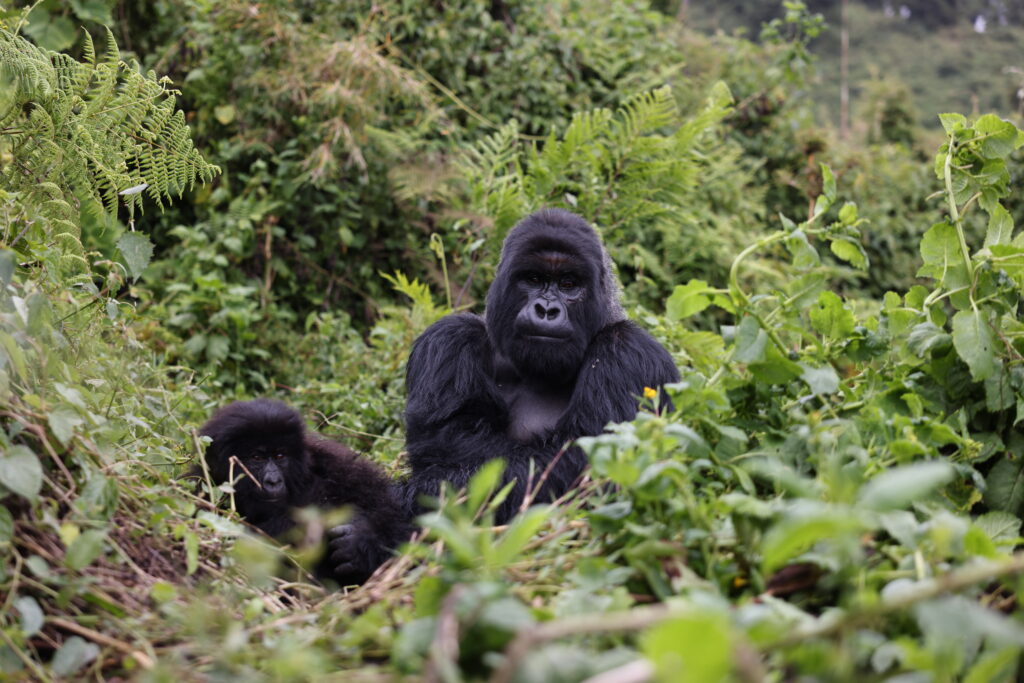
Rwanda has a strong global reputation around mountain gorillas.
KIGALI – Rwanda has spent many years building a global reputation around mountain gorillas, pristine national parks and environmental protection. But a new approach of not only protecting nature for its own sake, but transforming it into a valuable economic asset, is emerging.
Instead of treating forests, wildlife and biodiversity as resources that simply need protection, proponents believe they should be managed as productive assets capable of creating jobs, supporting businesses, attracting investment and generating long-term prosperity for communities.
This vision is increasingly shaping conversations around Rwanda’s green growth agenda, with conservation leaders arguing that protecting nature will only be sustainable if the people living alongside it become direct beneficiaries of its economic value.
Kaddu Kiwe Sebunya, the Chief Executive Officer of the African Wildlife Foundation (AWF) says that Rwanda’s conservation model is a good example of “evolvement beyond protecting wildlife for environmental reasons alone.”
“Rwanda has successfully demonstrated that green economy is not conservation on one side and development on the other. It is development designed for nature to create jobs, support businesses and improve livelihoods while remaining healthy,” Sebunya said.
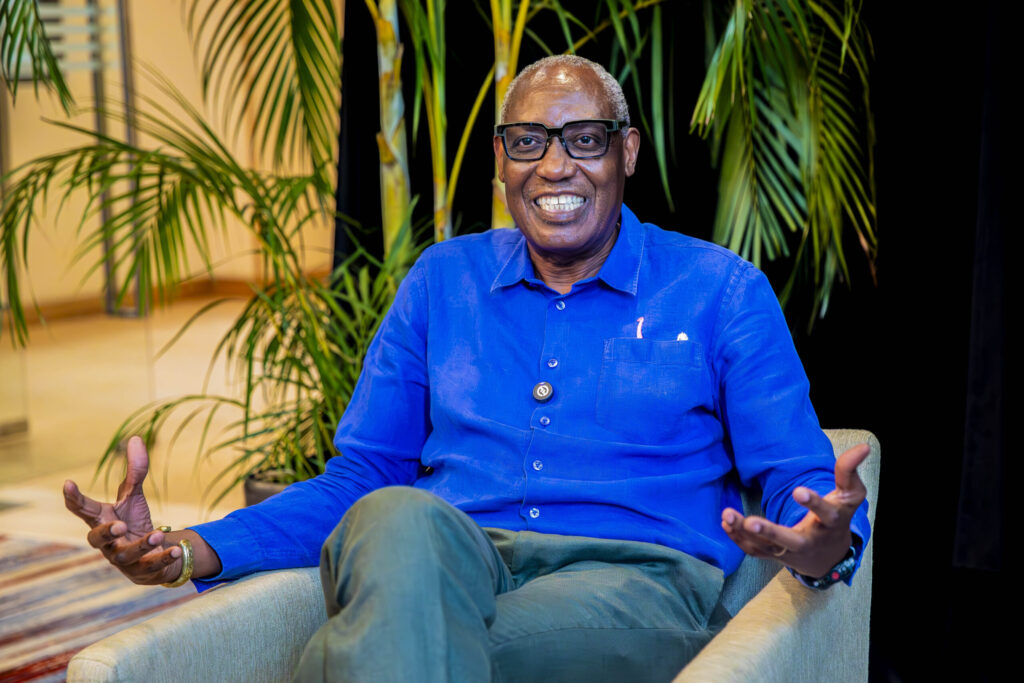
Kaddu Kiwe Sebunya, the Chief Executive Officer of the African Wildlife Foundation (AWF) said that Rwanda’s conservation model is a good example.
He believes Africa has historically measured its wealth by what lies beneath the ground including minerals, oil and timber, while overlooking the enormous economic potential of the natural assets that remain above it.
“Africa’s enduring wealth is above the ground. Healthy forests, fertile soils, wildlife and thriving landscapes can continue creating value for generations if we manage them as productive assets instead of resources to be consumed once,” he said.
For Rwanda, that thinking fits naturally into its broader ambition of building a climate-resilient, green economy under Vision 2050. Currently, community-owned enterprises around Volcanoes National Park testify that conservation can become a local economic engine.
Protected wildlife areas and restoring degraded landscapes through climate-smart agriculture and environmental restoration programs are built on the same principle that healthy ecosystems are essential to sustainable economic growth.
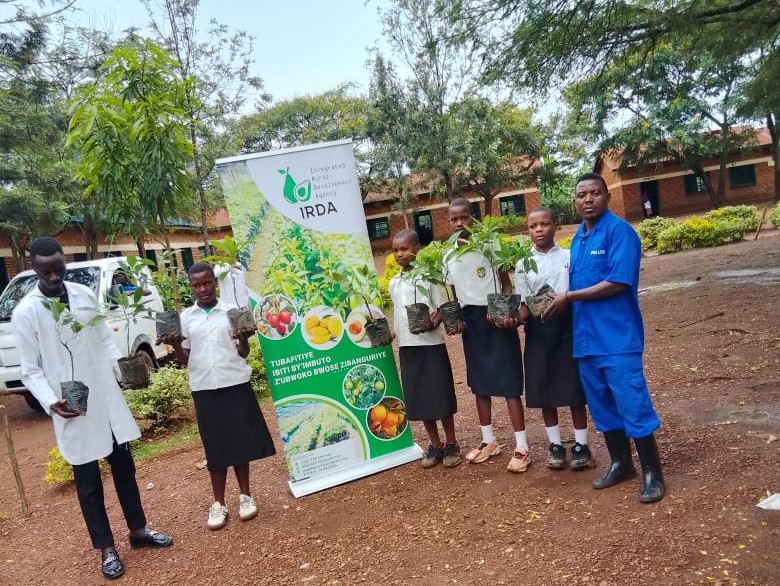
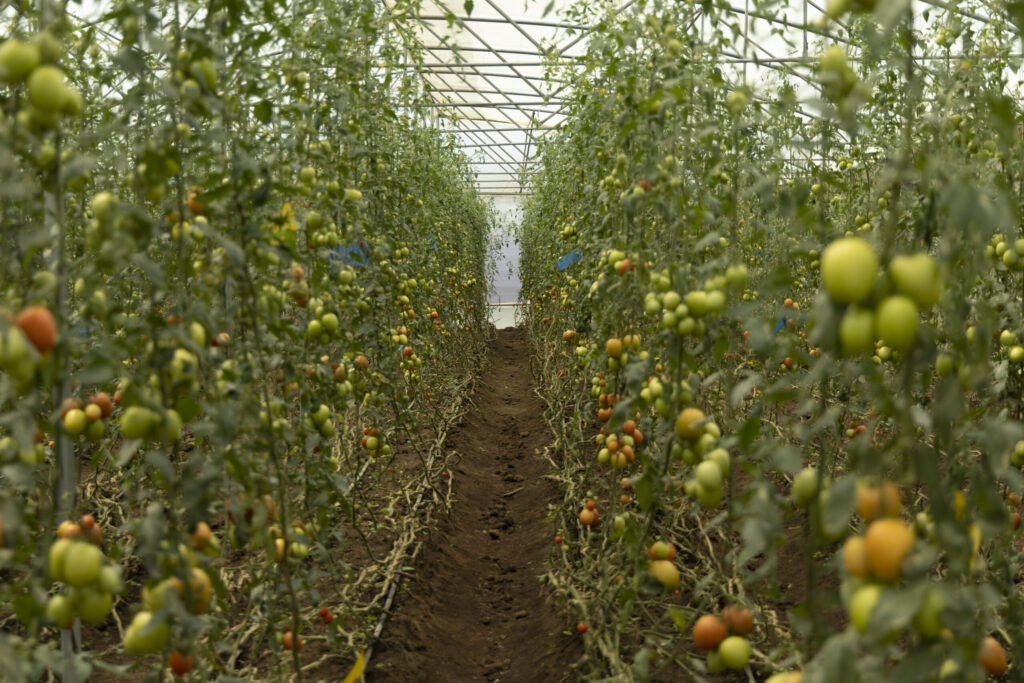
That philosophy is already finding expression beyond Rwanda’s wildlife parks. Across the country, the Integrated Rural Development Agency (IRDA) is helping farmers restore degraded landscapes.
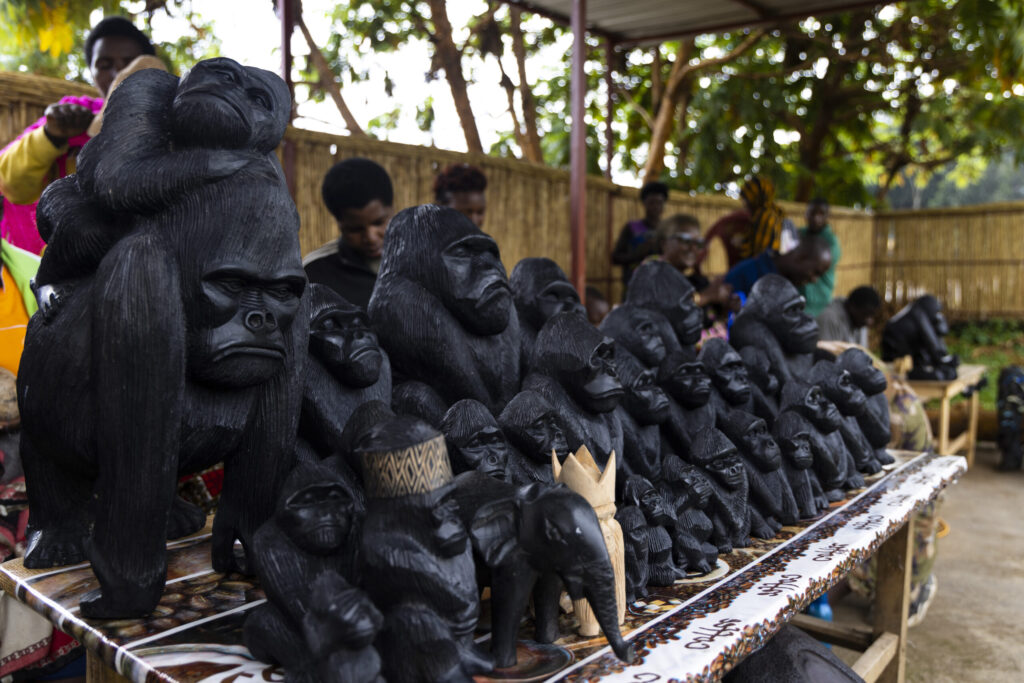
Community-owned enterprises around Volcanoes National Park testify that conservation can become a local economic engine.
Jean Eric Hitimana, IRDA’s Project Manager, says agriculture and conservation cannot be separated because one depends on the other.
“Agriculture cannot stand alone without environmental conservation. Healthy soils, protected water sources and restored landscapes are what make farming productive and sustainable over the long term,” Hitimana said.
IRDA’s programs place particular emphasis on producing and distributing tree seedlings across the country in a bid to create livelihoods while strengthening the country’s environmental resilience. Women and young people make up the majority of participants the restoration projects.
“When we grow quality seedlings, we are not simply planting trees. We are investing in people’s livelihoods, protecting natural resources and securing a better quality of life for future generations,” he said.
This is precisely the kind of thinking Africa needs if conservation is to survive. Protecting the environment without creating sufficient economic incentives for surrounding communities have produced mixed results across the continent.
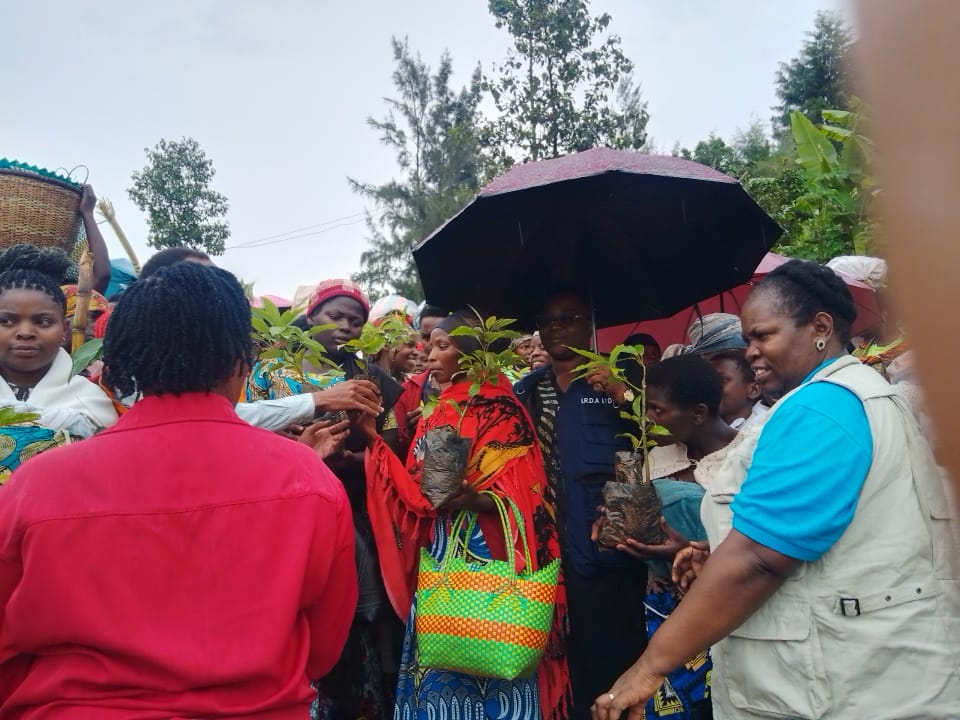
IRDA’s programs place particular emphasis on producing and distributing tree seedlings across the country.
Unless people benefit from conservation, conservation will ultimately fail. People protect what improves their lives, which is why enterprise and livelihoods must become part of conservation itself.
In Rwanda, conservation is gradually being viewed not simply as an environmental obligation or a tourism strategy, but a part of a wider economic model capable of supporting entrepreneurs, strengthening agriculture, restoring ecosystems and creating green jobs.
Thus, the country’s conservation legacy may eventually be measured not only by the number of mountain gorillas protected or forests restored, but also by the businesses created, the communities empowered and the prosperity generated by keeping nature alive.
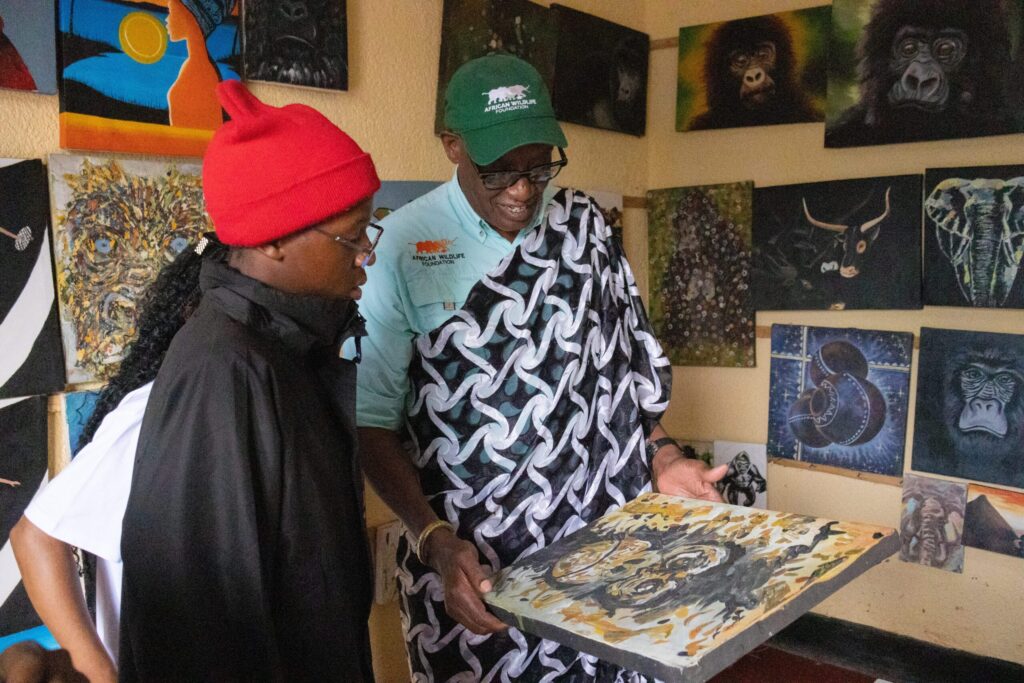
Kaddu Kiwe Sebunya (R), the Chief Executive Officer of the African Wildlife Foundation (AWF) admires a portrait created by one of the youths at the volcanoes community based tourism centre.