


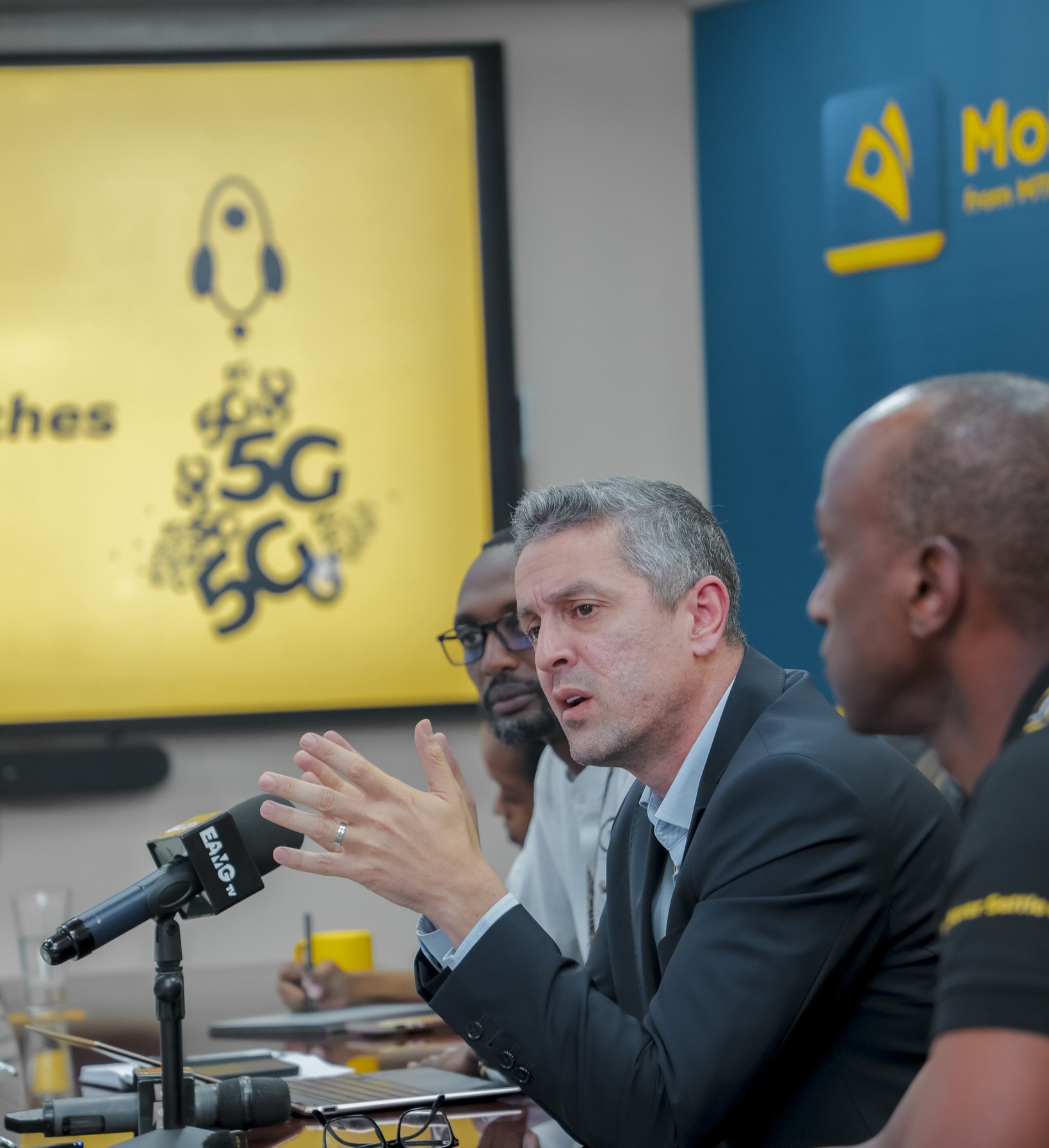
MTN Rwanda and other telecoms have introduced 5G for some of their clientelle
KIGALI — Rwanda will begin phasing out its ageing 2G and 3G mobile networks as part of a national plan to expand faster, more reliable and affordable digital connectivity, the Ministry of ICT and Innovation has announced.
The nationwide shutdown of 3G services is scheduled for June 30, 2027. The retirement of 2G services will follow after an assessment of network coverage, service continuity and the availability of compatible devices.
The transition will free up network capacity currently used by older technologies. Mobile operators will be able to invest more in expanding and strengthening 4G networks and gradually roll out 5G services across the country.
The government said the shift is expected to provide faster internet speeds, fewer dropped connections and better access to digital services. These include mobile banking, government e-services, online education and digital health platforms.
The Ministry of ICT and Innovation, known as MINICT, and the Rwanda Utilities Regulatory Authority are coordinating the transition with mobile network operators, government institutions, private-sector players and the public.
The process will be guided by several readiness indicators. These include reliable nationwide 4G coverage, quality of service and the continued operation of essential services such as calls, text messages, mobile money and emergency communications.
The government will also monitor the availability of affordable and compatible devices. Public awareness campaigns and customer support will be provided during the transition.
Pilot shutdowns will be conducted in 2026. They will take place alongside continued expansion of 4G coverage and regular monitoring of progress.
The public has been advised to check whether their mobile phones and SIM cards support 4G. MTN customers can dial *465*1# to check whether their SIM cards are 4G-compatible. Airtel customers can dial *255*5*4# for the same service.
Mobile operators will notify customers who may need to upgrade their phones or SIM cards.
Businesses and public institutions using equipment or services that depend on 2G or 3G networks have also been urged to begin planning for replacements or upgrades.
The affected systems may include mobile money, payment services, utilities, transport, health services, public safety systems and government platforms.
MINICT and RURA said further guidance will be issued to service providers and the public as the transition progresses.
