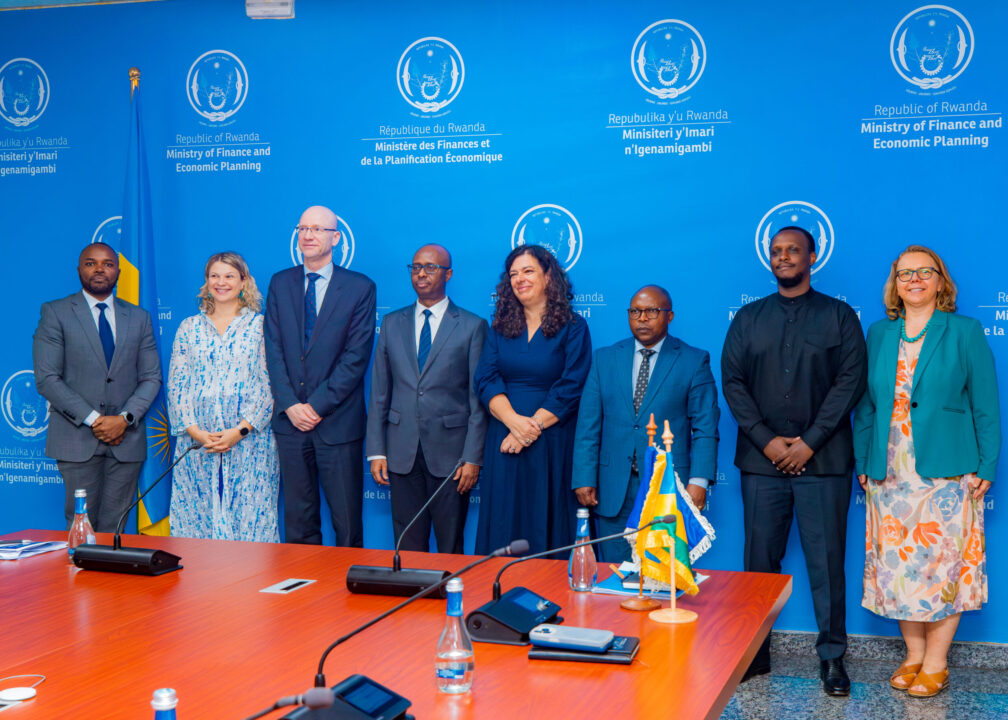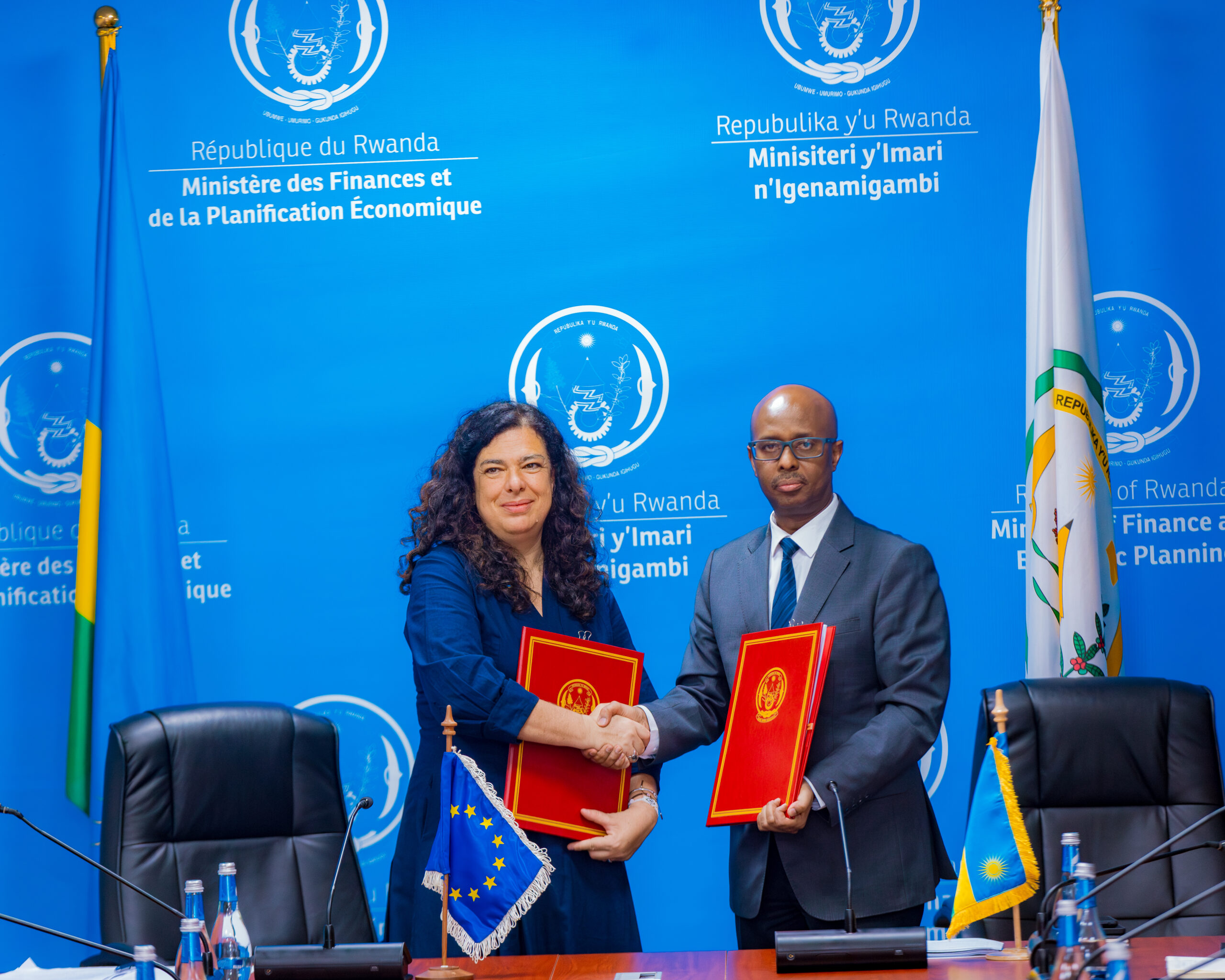
On Tuesday after the Ministry of Finance and Economic Planning and the European Union signed a financing agreement to support this next phase of the country’s agricultural transformation.
KIGALI – Rwanda is replacing stand-alone agricultural interventions with an integrated strategy that combines irrigation, improved crop genetics, agroforestry, environmental conservation and climate resilience as the foundation of future food production.
The strategy received a €40 million (about Frw67 billion) boost on Tuesday after the Ministry of Finance and Economic Planning and the European Union signed a financing agreement to support this next phase of the country’s agricultural transformation.
While previous investments often targeted individual areas such as irrigation, land conservation or crop productivity, the new program seeks to bring them together under a single framework aimed at helping farmers produce more food while adapting to increasingly unpredictable weather patterns.
According to the Ministry of Agriculture and Animal Resources (MINAGRI), this integrated approach underscores a growing belief that feeding the nation and protecting its natural resources can no longer be pursued separately.
Dr. Telesphore Ndabamenye, the Minister in charge of MINAGRI. said modern agriculture and environmental conservation now meet at the same point, making it impossible to pursue one without the other.
He said with this funding, the government’s priorities are supporting better farming practices through expanding affordable irrigation systems, promoting agroforestry by integrating suitable tree species with crops, strengthening agricultural research and improving crop genetics.

Dr. Telesphore Ndabamenye, the Minister of Agriculture and Animal Resources (MINAGRI).
“We are putting together a package that ensures the sustainability of harvests,” Ndabamenye said, explaining that long-term food security will depend on combining innovation with conservation rather than treating them as separate programs.
The new financing agreement, known as HANGARIBIHE: Transformational Climate-Smart and Inclusive Agriculture in Rwanda, will provide €36 million in budget support alongside €4 million for technical assistance over the next five years.
The program supports Rwanda’s National Strategy for Transformation (NST-2), the Fifth Strategic Plan for Agriculture Transformation (PSTA-5) and national environmental priorities.
The investments are expected to strengthen climate resilience, restore degraded ecosystems and improve climate information systems while increasing agricultural productivity.
For the European Union, the agreement reflects growing confidence in Rwanda’s decision to embed climate resilience across government policy rather than limiting it to environmental programs.
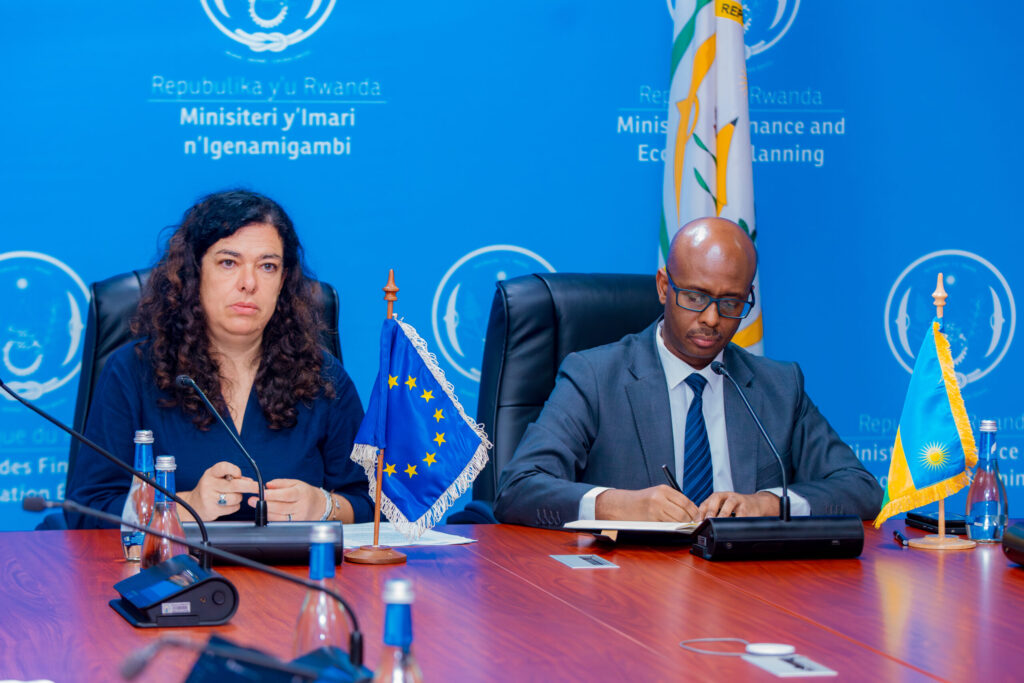
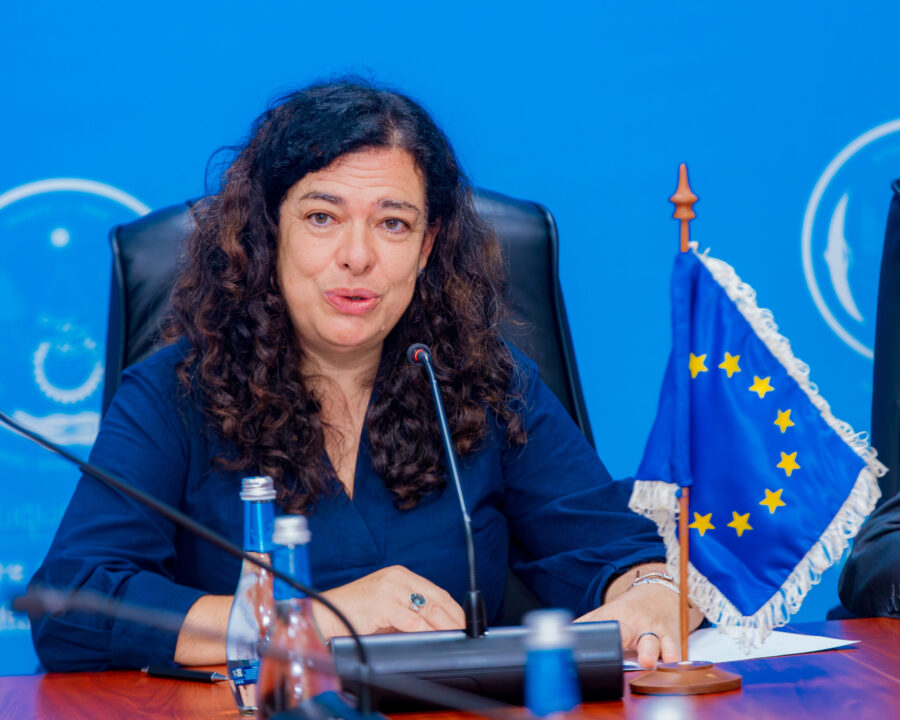
EU Ambassador to Rwanda Belén Calvo Uyarra said the partnership represents the continuation of a journey that has steadily expanded from supporting climate-smart farming to integrating climate resilience across national development planning.
“This is not the beginning of a new journey. It is the continuation of a journey that we started together some years ago,” she said.
According to the ambassador, the first phase of cooperation focused largely on supporting smallholder producers, but Rwanda has since broadened its approach by incorporating climate-smart principles into infrastructure planning, public finance and wider economic policy.
“We are very pleased because it reflects a high level of ambition in policymaking and in mainstreaming climate resilience and adaptation into one of the key sectors of the economy,” she said.
She noted that the new program will support interventions ranging from agroforestry and soil erosion control to the expansion of irrigated land, small-scale irrigation schemes and sustainable forest management, helping farmers maintain productivity while adapting to climate change.
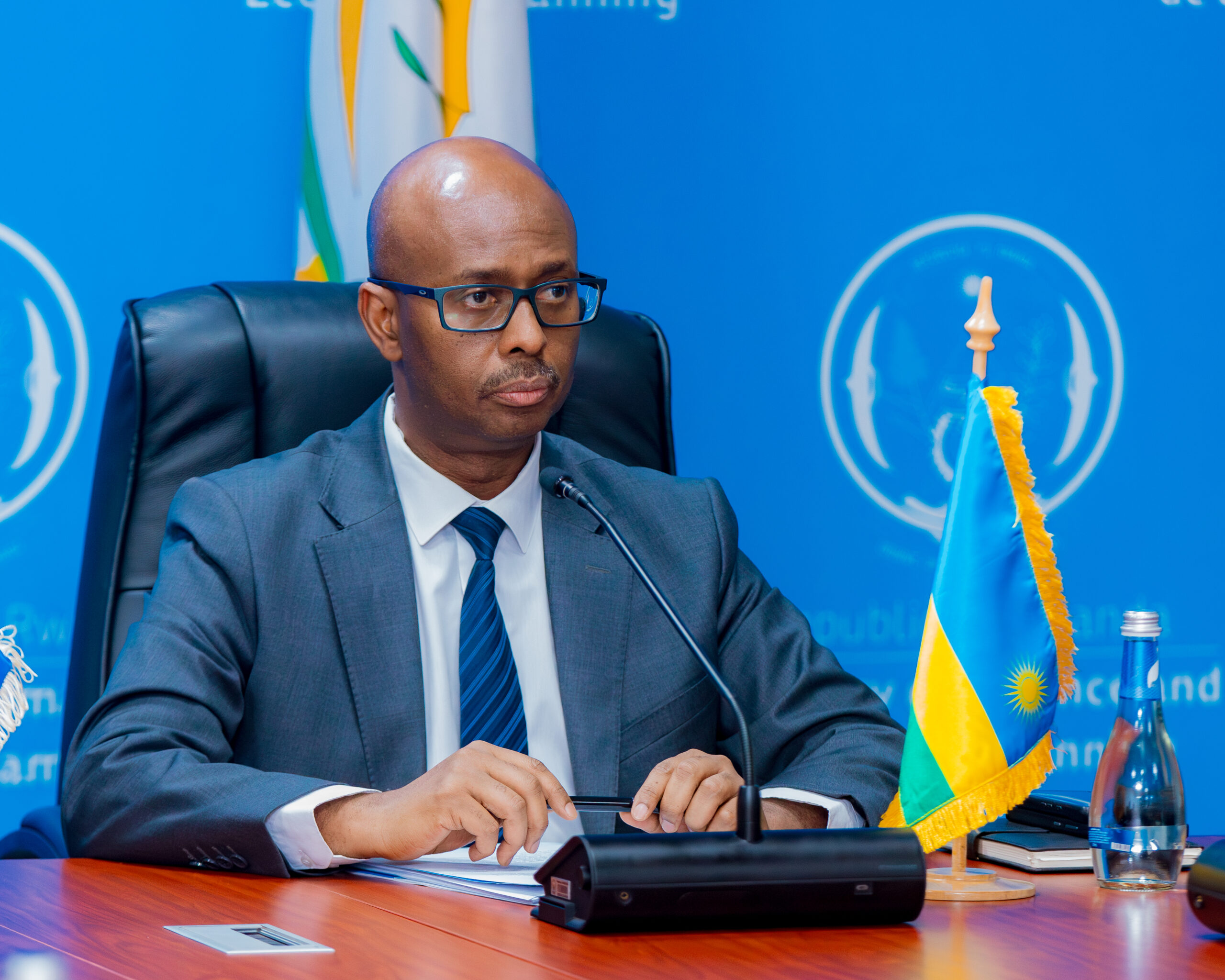
On his part, Minister of Finance and Economic Planning Yusuf Murangwa said the agreement demonstrates the strong and trusted partnership between Rwanda and the European Union while supporting the country’s ambition to build a modern, productive and climate-resilient agriculture sector.
He said the program will particularly benefit smallholder farmers, cooperatives, women, young people and small and medium-sized enterprises by improving productivity and resource efficiency across agricultural value chains.
Murangwa added that the funding will be released in phases based on Rwanda’s progress in implementing agreed policy reforms and program targets.
Beyond the €40 million commitment, the agreement forms part of the European Union’s broader €390 million cooperation program with Rwanda for the 2021–2027 period, covering education, skills development, green growth and governance.
As climate pressures increasingly threaten agricultural production across Africa, Rwanda’s latest strategy shows that the future of farming will not be secured by producing more alone, but by ensuring that every investment in agriculture also strengthens the resilience of the land on which that production depends.