


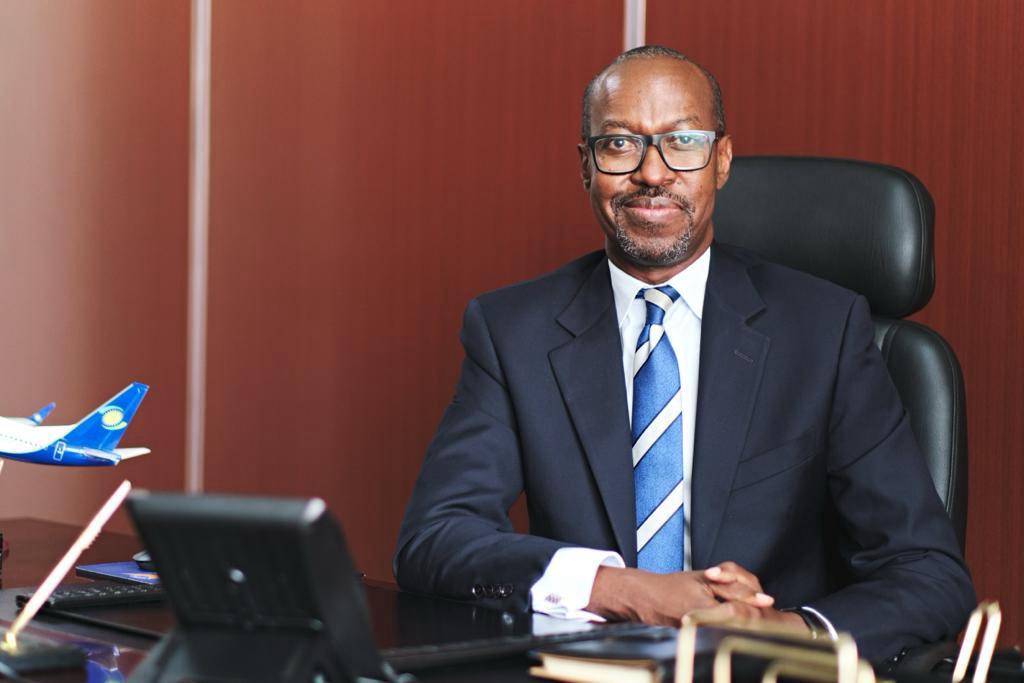
Jules Muheto Ndenga
KIGALI, Rwanda — President Paul Kagame on Thursday appointed Jules Muheto Ndenga as chief executive of the Bugesera Airport City, creating a dedicated leadership role for one of Rwanda’s most ambitious development projects and marking a new phase in the country’s plan to build an aviation-driven city.
The appointment separates the management of the Airport City from Rwanda’s broader state aviation portfolio for the first time. Muheto, who had been leading the state-owned aviation holding company ATL Ltd, will now focus exclusively on overseeing the development of the Airport City taking shape around the new Bugesera International Airport.
To fill the vacancy, Kagame appointed Brig. Gen. Innocent Munyengango as Chief Executive Officer of ATL Ltd.
The leadership changes come as construction advances beyond large-scale earthworks and core infrastructure into the construction of major airport facilities, including passenger terminals, cargo hubs and commercial developments.
Far more than a replacement for Kigali International Airport, the Bugesera project is designed to create an entirely new economic and urban centre south of Kigali.
Government envisions it as a city built around aviation that could eventually reshape Rwanda’s commercial geography.
More than an airport
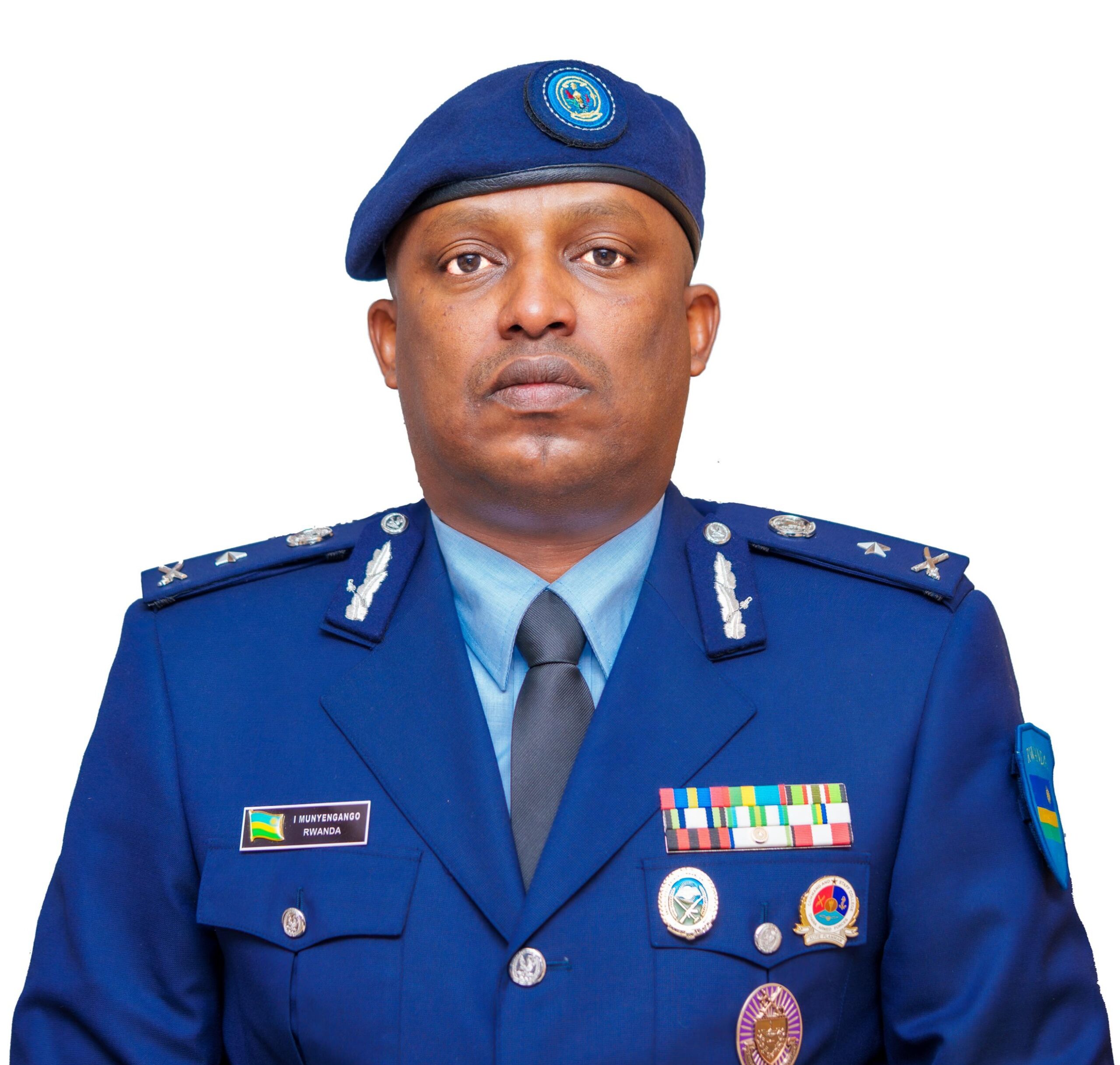
Brig. Gen. Innocent Munyengango
The Airport City is based on the concept of an aerotropolis—a city where an international airport serves as the economic engine around which businesses, logistics, manufacturing, hospitality and residential communities are planned.
Rather than travelling to Kigali for essential services, passengers, investors, airline workers and residents will be able to access hotels, conference facilities, healthcare, schools, warehouses, offices, entertainment and shopping within the Airport City itself.
The development stretches across four sectors of Bugesera District—Rilima, Juru, Nyamata and Gashora—creating what planners hope will become a self-sustaining satellite city.
Bugesera was selected not only because of the availability of land, but also because of its proximity to Kigali, its growing industrial base, abundant agricultural potential and strategic location for regional trade.
Construction enters a new phase
The appointment comes as the project moves into a significantly different stage.
Government says between 25 and 30 percent of the overall master plan has now been completed.
The core horizontal infrastructure has largely been finished. This includes the 4.2-kilometre runway, drainage systems and the airport’s internal road network.
Construction teams are now concentrating on vertical infrastructure. Foundations are being laid and major structures, including the passenger terminal and cargo facilities, are beginning to rise.
The airport’s first phase is expected to become operational in the coming years.
Building a regional logistics hub
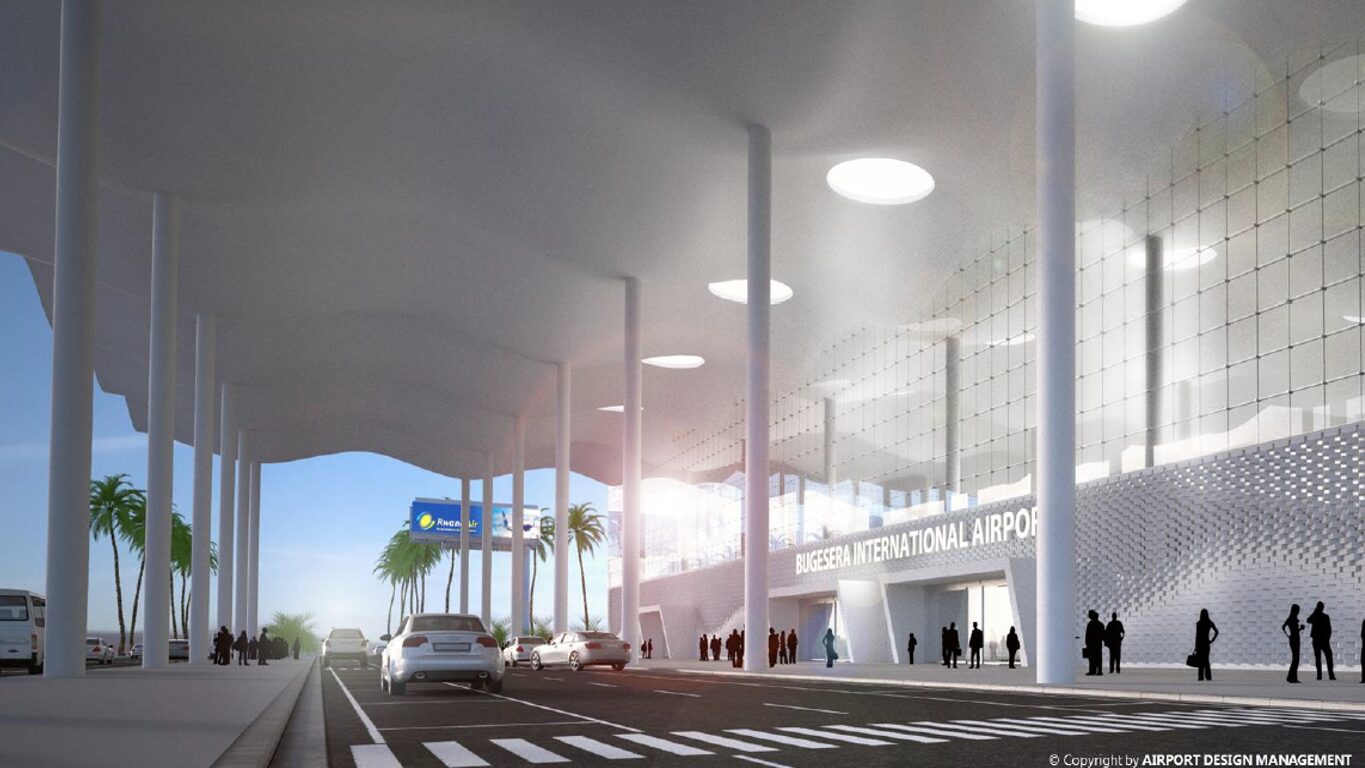
When completed, the airport’s first phase will handle between seven and eight million passengers annually.
Its cargo terminal is designed to process approximately 150,000 tonnes of freight every year, positioning Rwanda as a regional logistics hub under the African Continental Free Trade Area (AfCFTA).
To support that ambition, the Airport City will include refrigerated warehouses, cargo terminals, container storage yards, truck parks and logistics centres designed to speed exports of fresh produce such as flowers, fruits, vegetables, dairy products and meat to international markets.
The airport will also be integrated with the 335-hectare Bugesera Special Economic Zone, enabling manufacturers to process, package and export goods through the nearby airport.
A city built for business and living
Airport City is planned as far more than a commercial district.
The master plan includes hotels, conference facilities, shopping centres, office buildings, residential neighbourhoods and entertainment venues to serve both travellers and the growing local population.
Government planners also see Bugesera’s lakes and wetlands as offering opportunities for tourism. Future developments could include lakeside resorts, restaurants, boating facilities and bird-watching attractions, alongside cultural and historical sites in the district.
The Government has also identified opportunities for a major convention and exhibition centre capable of hosting around 5,500 delegates, reinforcing Rwanda’s ambition to become a leading destination for international meetings and conferences.
Agriculture, education and healthcare
The Airport City is also expected to transform agriculture in Bugesera.
The master plan identifies more than 52,000 hectares for export-oriented commercial agriculture. The area will be supported by expanded irrigation, cold-chain logistics and food-processing industries. The aim is to reduce post-harvest losses while enabling farmers to reach international markets more efficiently.
Beyond agriculture, the city is expected to attract investment in specialist healthcare, including advanced diagnostic services, as well as international schools, technical colleges and aviation training centres to prepare the workforce needed for the airport economy.
Planners also envision Airport City as a centre for medical tourism and skills development, reducing the need for residents and visitors to travel elsewhere for specialised services.
A new phase of development
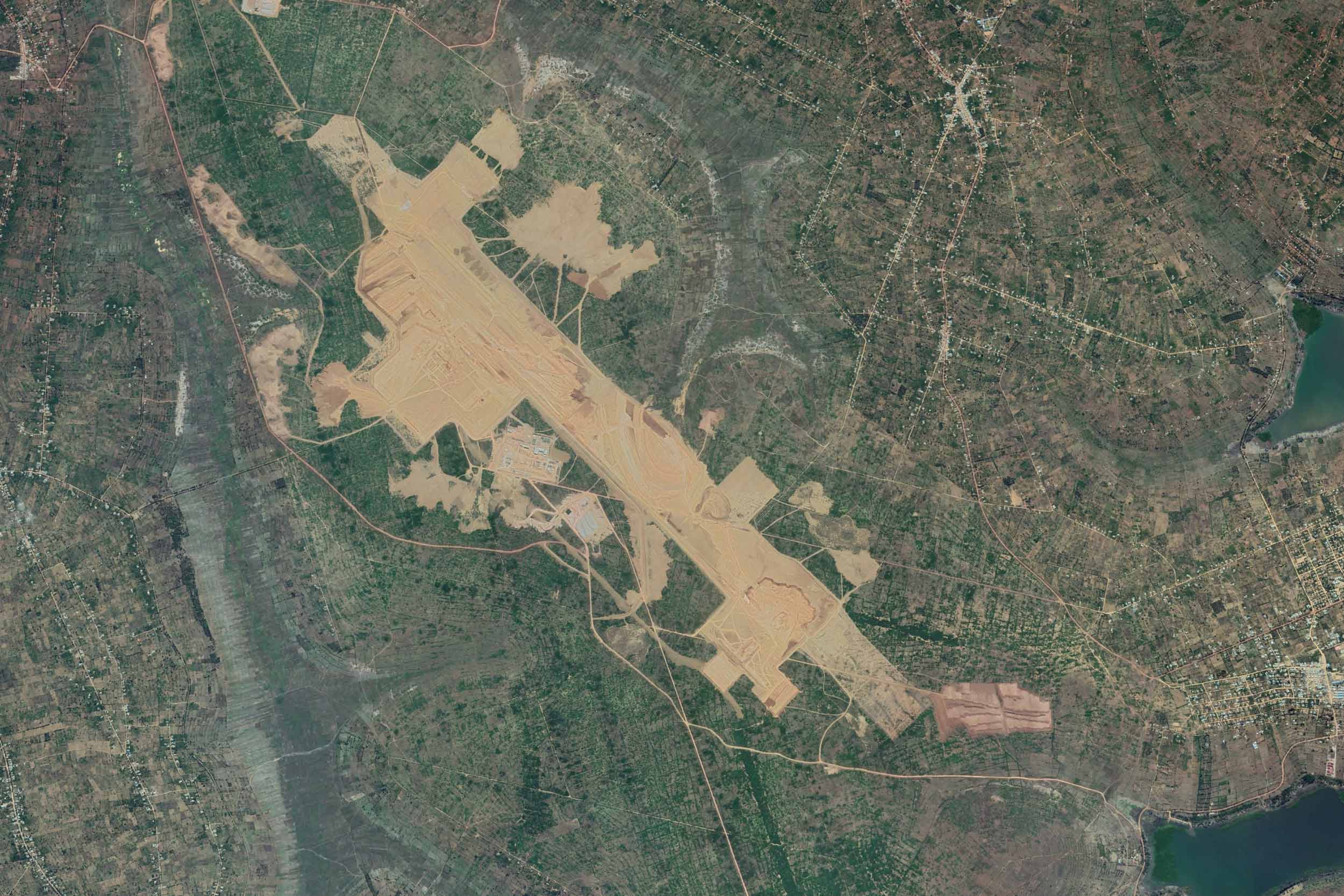
The creation of a dedicated chief executive suggests the government’s attention is shifting from building an airport to building the economy that will grow around it.
Once completed, Airport City is expected to bring together aviation, logistics, manufacturing, tourism, commerce, agriculture, education and healthcare within a single integrated urban ecosystem.
For Rwanda, the ambition extends beyond replacing an ageing airport. It is to establish a new gateway for trade, investment and travel while creating a new centre of economic activity.
The project is intended not simply to move Kigali’s airport to Bugesera, but to create a new city where businesses can invest, industries can grow, travellers can access services and communities can live and work around one of Africa’s emerging aviation hubs.
With Muheto now solely focused on leading Airport City, the project enters a new chapter. The challenge is no longer simply building an airport. It is turning one of Rwanda’s most ambitious urban visions into a functioning city.
