



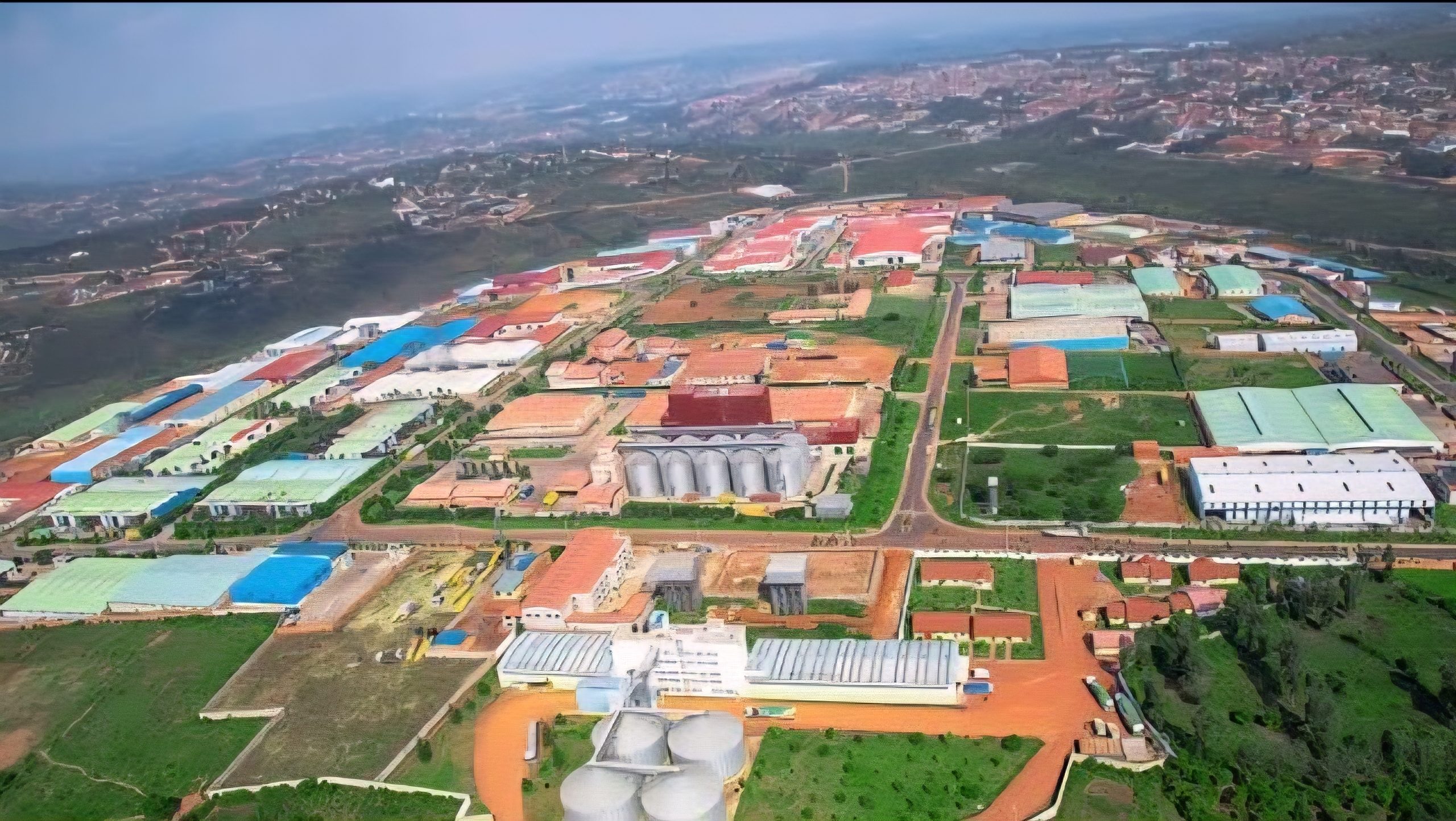
This is the Kigali Special Economic Zone where a significant portion of the country’s manufacturing takes place. Many of the factories here need such tax incentives to operate
KIGALI — Rwanda gave up Rwf 291.6 billion in taxes on imported goods during the 2024/25 financial year as part of government efforts to support businesses and encourage investment, according to the Ministry of Finance.
The money was not paid directly to companies. Instead, the government allowed some businesses to pay less tax, or no tax at all, when bringing certain goods into Rwanda.
Registered investors and manufacturers can receive import duty exemptions for raw materials and industrial inputs needed for production.
An April 2026 report, only out this week, shows that most of the tax relief came from import duty exemptions, which amounted to Rwf 224.7 billion.
Import duty is the tax normally charged on goods entering Rwanda from other countries. Businesses can receive exemptions when they import raw materials, machinery or other goods needed for production.
The government also gave up Rwf 27.2 billion through exemptions on the Infrastructure Development Levy, a small tax on imports that helps fund roads, bridges and other public infrastructure.
Another Rwf 18.6 billion was forgone through exemptions on a 5 percent withholding tax paid by some importers.
The largest increase came from the Duty Remission Scheme, which allows manufacturers to import certain raw materials at reduced or zero tax.
Tax breaks under this scheme rose from Rwf 85 billion in the previous financial year to Rwf 101.4 billion in 2024/25.
Beyond import taxes, Rwanda also gave up Rwf 37.5 billion in business income tax in 2024 through measures such as reduced tax rates, tax holidays and special deductions for some companies.
The report says 26 companies benefited from accelerated depreciation, a tax incentive that allows businesses to deduct the cost of machinery and equipment more quickly. This incentive cost the government Rwf 13.4 billion in 2024.
Another 26 companies benefited from the preferential 15 percent tax rate for priority sectors, which cost Rwf 6.6 billion.
The report also shows that 8 companies benefited from the preferential 15 percent tax rate for export investments, costing the government Rwf 7.9 billion.
A further 5 companies received a seven-year tax holiday for very large investments in sectors such as energy, manufacturing, tourism, health, information technology and exports. This incentive cost Rwf 4 billion.
In addition, 9 companies benefited from a preferential 3 percent corporate income tax rate, which cost the government Rwf 2.5 billion.
The manufacturing sector received the largest share of business tax incentives, accounting for Rwf 16.64 billion, or 44 percent of the total.
The Ministry of Finance said the tax incentives are intended to attract investment, support local manufacturing, increase exports and create jobs.
