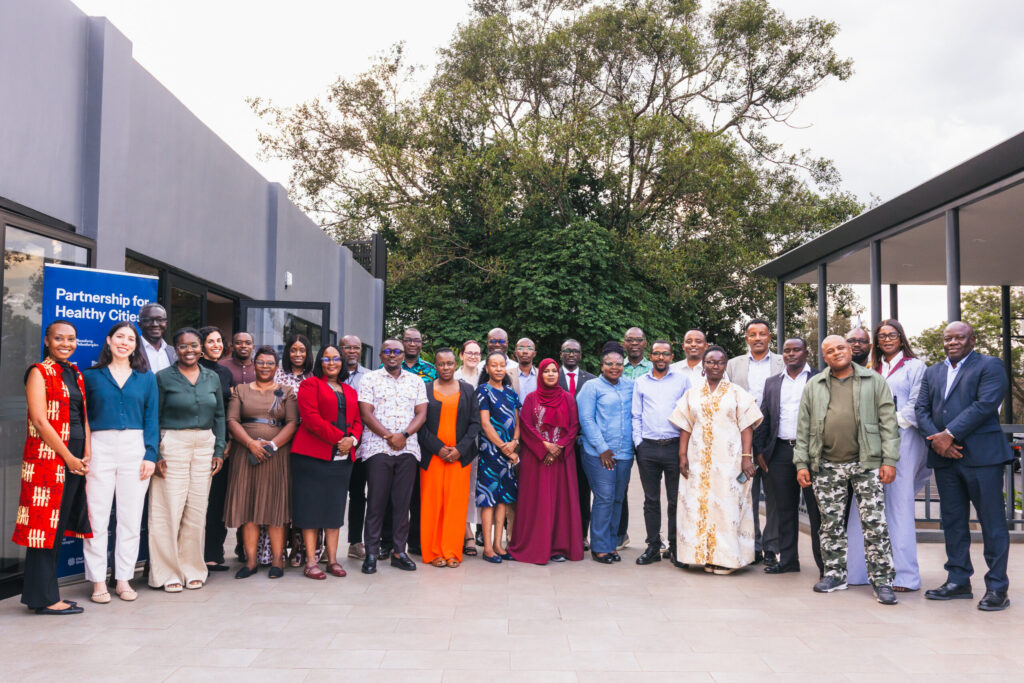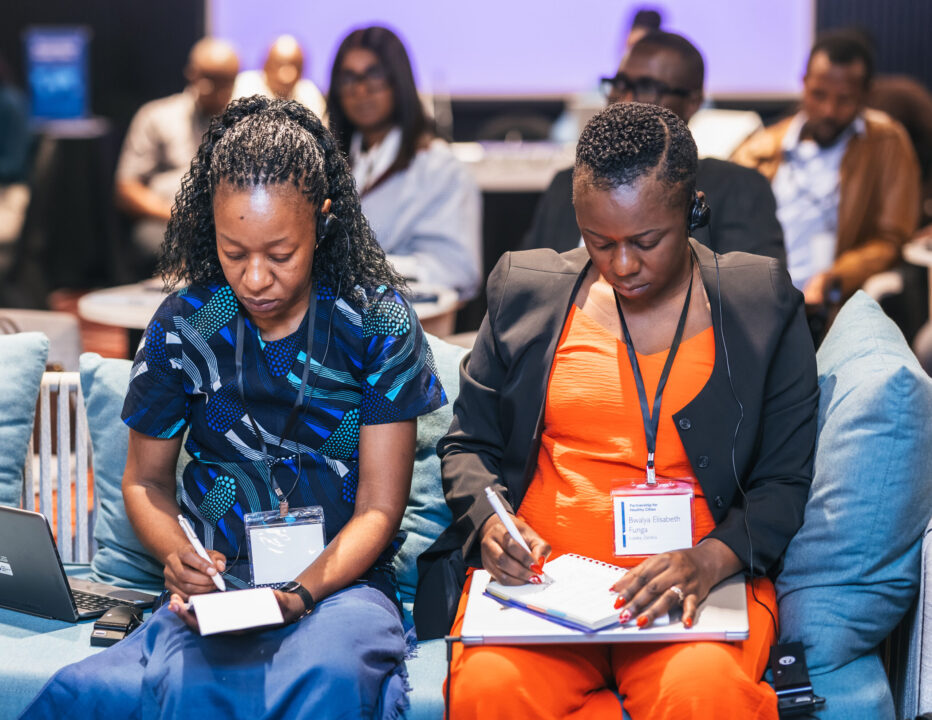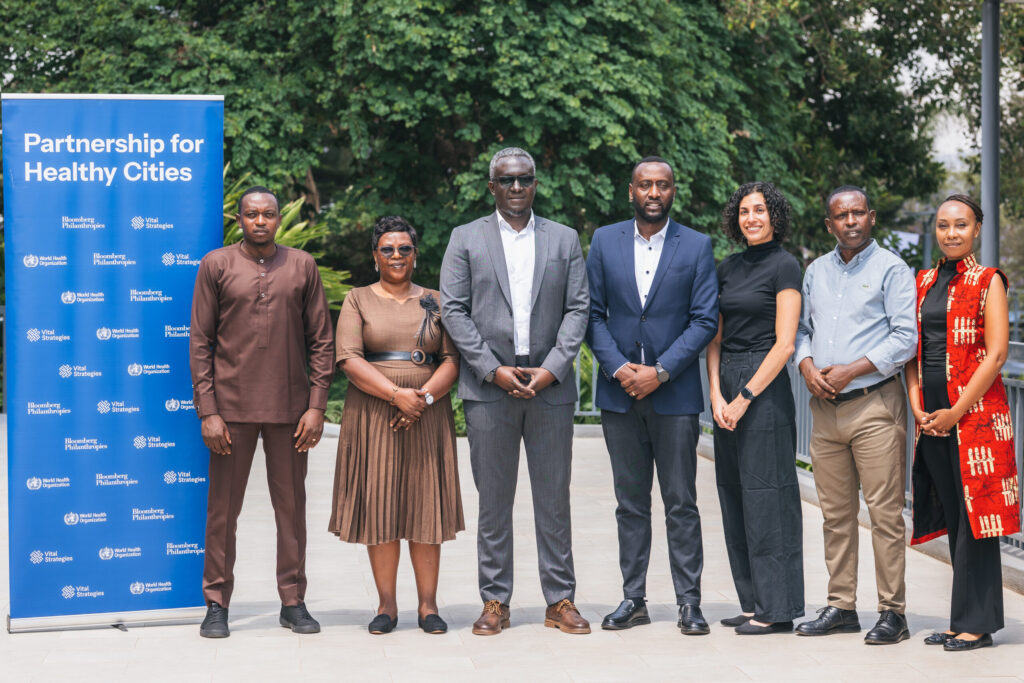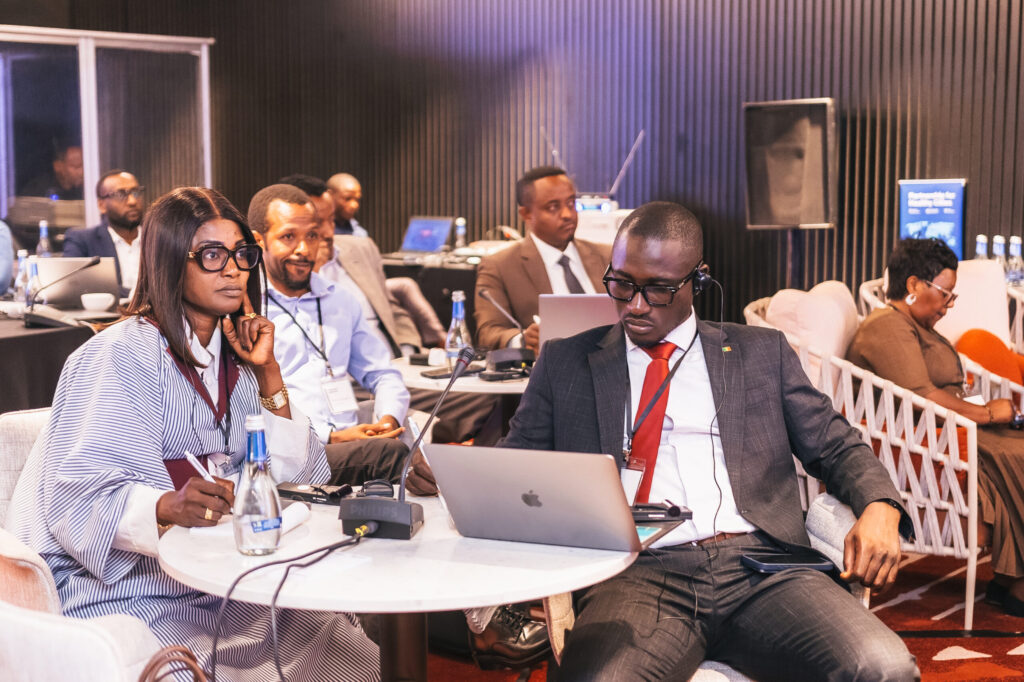
Participants during the Partnership for Healthy Cities Africa regional workshop.
KIGALI – African cities are figuring out how to turn health policies into changes that people can actually feel in their daily lives by focusing on the fight against non-communicable diseases.
Kigali is using car-free days to cut traffic and encourage exercise, Lusaka is embarking on new roads to make room for pedestrians and cyclists, Kampala is pushing for stronger air-quality monitoring.
The approaches differ, but they point to a common effort in Africa’s fight against non-communicable diseases.
Looking beyond policy adoption to the everyday systems that determine how healthy people can live, has become the major focus as representatives from 13 African cities meet in Kigali to exchange experiences on preventing non-communicable diseases and injuries.
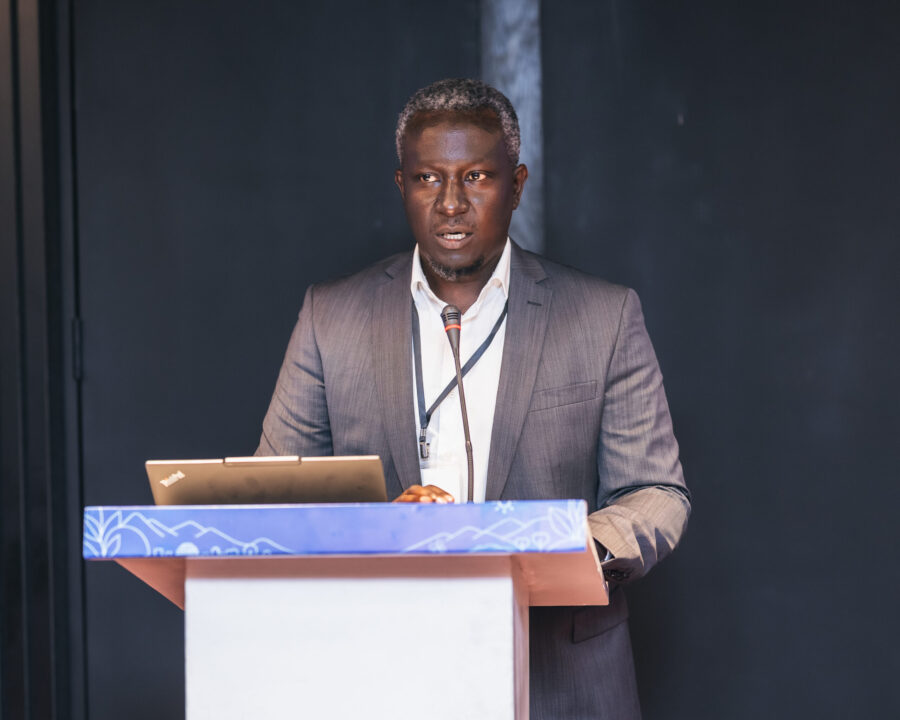
Joseph Ngamije, the Deputy Director of Africa for the Partnership for Healthy Cities at Vital Strategies.
Joseph Ngamije, the Deputy Director of Africa for the Partnership for Healthy Cities at Vital Strategies, said the growing challenge is to ensure that adopted policies change what happens on the ground.
“Adopting a policy is the first step but not the real work, the real work starts with the implementation of the policies. At the end of the day we want to see policies that change the way a city operates and also improves the people’s health,” Ngamije said.
According to him, cities often have good policies but struggle with coordination between institutions. The advantage of working at city level, in his view, is that local authorities can see directly whether an intervention is working and adjust it.
Kigali and Lusaka Offer Different Lessons
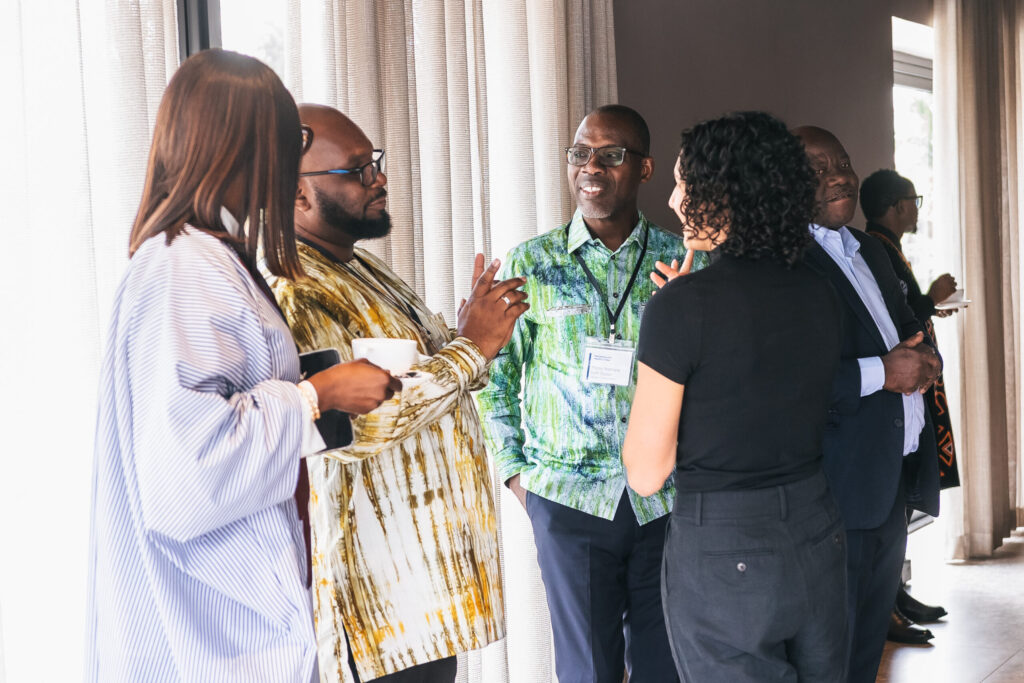
Representatives from 13 African cities are meeting in Kigali.
Kigali’s experience with car-free days is one example of how health objectives can be built into ordinary urban life. The initiative encourages residents to walk, run and cycle while reducing traffic on selected roads.
The next step is to establish how much difference such measures make to air quality. Measurements are taken in car-free areas, along busy traffic routes, around schools and in residential neighborhoods.
Ariella Rojhani, Director of the Partnership for Healthy Cities, explained that the evidence will be important in determining how such interventions can be strengthened.
“Cities are where people live, it’s where they work, it’s where they play and spend the majority of their time. So people have a right also to living in healthy environments,” she argued.
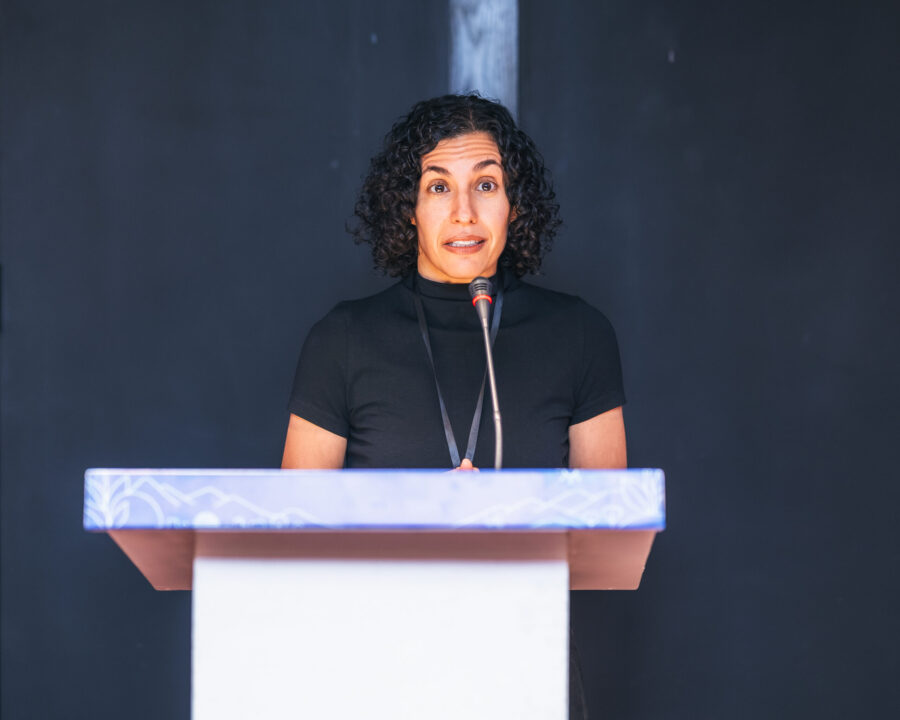
Ariella Rojhani, Director of the Partnership for Healthy Cities says that people have a right to live in healthy environments
Lusaka offers a different example of a city that faces serious road-injury risks, including limited infrastructure for pedestrians and cyclists.
Construction of new roads is now underway to include pedestrian and cycling lanes, while part of the revenue collected through parking levies is directed towards maintaining such infrastructure.
These two examples show that prevention is not confined to health facilities. Roads, transport systems, public spaces, traffic enforcement and financing can all determine whether people are exposed to greater or lower health risks.
Air Pollution Remains a Challenge
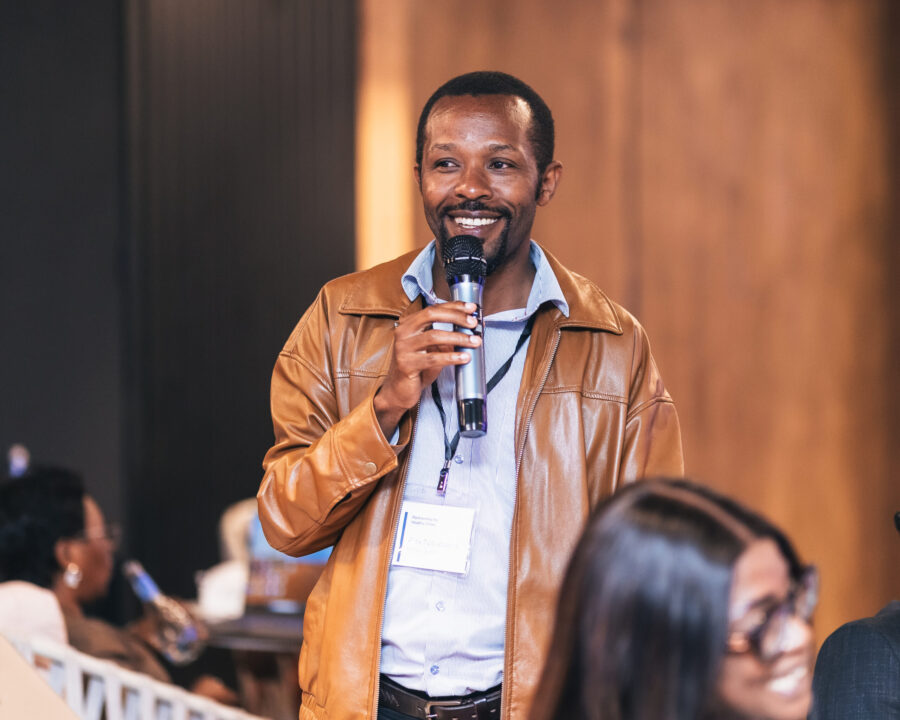
Dr Alex Ndyabakira is a representative from Uganda’s Kampala Capital City Authority (KCCA).
Dr Alex Ndyabakira, a representative from Uganda’s Kampala Capital City Authority (KCCA), says the health consequences of urban decisions are particularly clear when it comes to air pollution.
“Air pollution is a silent killer. And this silent killer starts killing you when you’re still in your mother’s womb. If a pregnant mother breathes polluted air, it passes on the toxins to the unborn baby,” he said.
He said cities need reliable air-quality monitoring and should make the information available to the public, while also reducing dependence on polluting fuels and improving transport systems.
“You cannot buy a bottle of clean air. Everybody, the rich, the poor, the disabled, the elderly, the young, all breathe this air that you’re seeing that is actually polluted air,” he noted.
The challenge is also becoming more pressing globally non communicable diseases are increasingly shaping the world’s health agenda.
Rwanda’s Push for Prevention Beyond Awareness
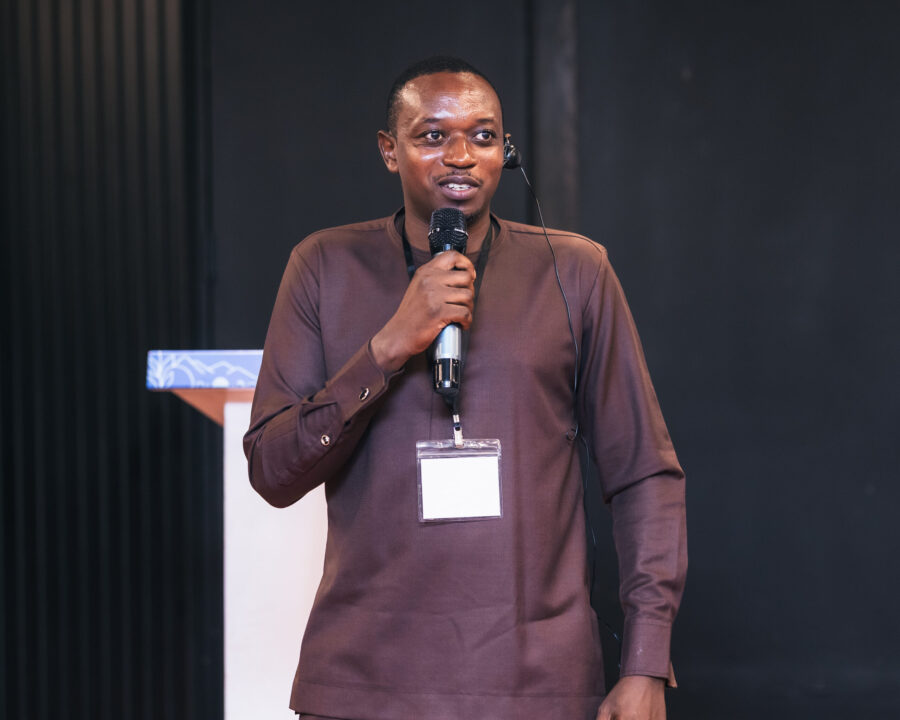
Alphonse Mbarushimana, Executive Director of the Rwanda Non-Communicable Disease Alliance.
Alphonse Mbarushimana, Executive Director of the Rwanda Non-Communicable Disease Alliance, said NCDs account for 57.7% of deaths recorded at health facilities, while community deaths have reached 47.2%.
He linked the burden to factors including unhealthy diets, physical inactivity, tobacco use, harmful alcohol consumption and growing exposure to air pollution, particularly as urban populations expand and lifestyles become more sedentary.
For Mbarushimana, prevention therefore has to extend beyond awareness campaigns to the physical environment in which people live.
“Our main part is to advocate for availability of policy and infrastructure that are protecting people from getting non-communicable diseases,” he said.
As for now, creating healthier urban environments by making health part of decisions about how cities move, grow and function, is increasingly becoming the common thread across African cities.