

KIGALI — Rwanda may not be among the countries hosting the 2027 Africa Cup of Nations, but officials preparing the tournament want the country to be part of the continental football spectacle, even if the national team fails to qualify.
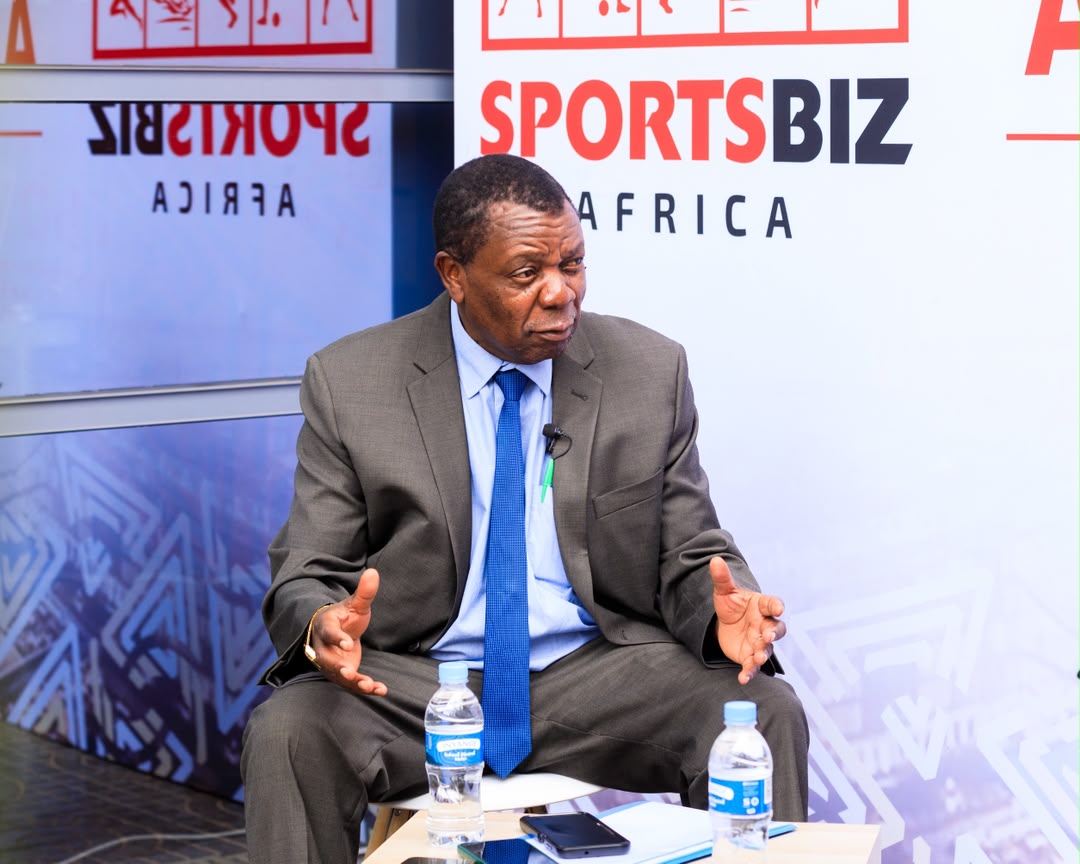
Nicholas Musonye, Chairman of PAMOJA, the regional body coordinating preparations for the tournament in Kenya, Uganda and Tanzania, said Rwanda could benefit through training camps, football tourism and wider regional participation.
“My first priority is to see Rwanda qualify. But I want to see many teams coming to train in Rwanda here, even if Rwanda doesn’t qualify. We are preparing AFCON for the region, not for the hosts alone,” Musonye said.
His remarks add a new dimension to preparations for the first Africa Cup of Nations to be jointly staged by three East African countries. Musonye believes the tournament’s economic and sporting benefits should extend beyond the three host nations.
Why Rwanda Should Be Part of the AFCON Family
Musonye said Rwanda has already played an important role in transforming football in the region and should therefore not be left outside the tournament’s wider ecosystem.
He wants Rwanda to be treated as a fourth partner in the regional football project, alongside Kenya, Uganda and Tanzania, while also leaving room for other countries to participate.
The most immediate opportunity, he suggested, would be for participating teams to use Rwanda as a training base before and during the tournament.
Such an arrangement could allow Rwanda to benefit from the tournament through accommodation, transport, hospitality and other services.
“I am personally pursuing the idea as PAMOJA chairman, with the intention of ensuring that the tournament’s benefits are not concentrated only in the host cities. That will also make Rwanda feel that they are part of AFCON,” he said.
Musonye estimates that Kenya, Uganda and Tanzania could generate about $20 billion around AFCON 2027. But he does not want the economic gains to disappear once the tournament is over.
“We don’t want to make money and drop it. We want to make money and put it back into society to improve the infrastructure further and also to develop youth football from the grassroots,” he said.
Five years after the tournament, Musonye hopes people will remember AFCON 2027 not simply for who lifted the trophy, but for how it changed East Africa’s sporting infrastructure and created opportunities for young people.
A Regional Economic Opportunity Beyond Football
The AFCON proposal fits into a much bigger conversation unfolding in Kigali about how major sporting events can leave behind more than memories, trophies and temporary excitement.
That emphasis on legacy mirrors a broader position from the African Union Sports Council, whose message to the forum described sport as far more than competition or recreation.
The message, delivered by Dr Decius Hikabwa Chipande, said sport should be treated as a strategic sector for youth empowerment, job creation, innovation, health, social cohesion and sustainable development.
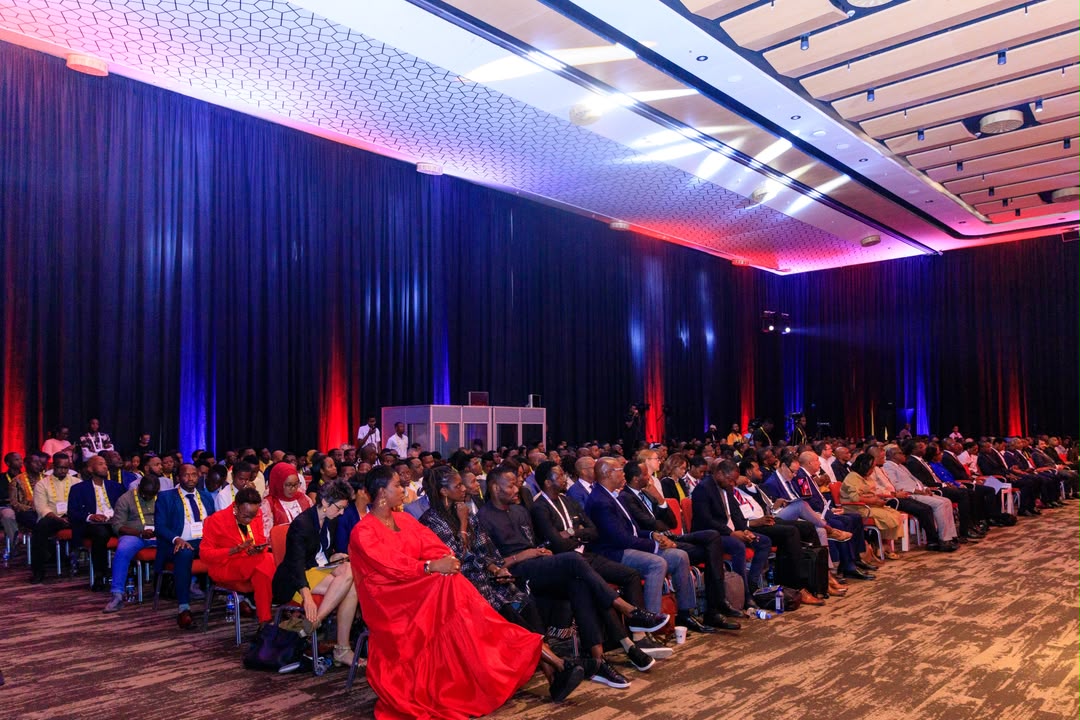
The African Union also called for stronger links between governments, investors, sports organisations and communities so that opportunities can be unlocked across the entire sports value chain.
Chipande emphasised that no country or institution can unlock Africa’s sporting potential alone. He called for greater collaboration to strengthen sports ecosystems, grow markets, attract investment and use opportunities created by the African Continental Free Trade Area.
Rwanda’s Sports Minister Nelly Mukazayire told the gathering that the global sports industry is worth between $2.3 trillion and $2.65 trillion, yet Africa captures only a tiny share of that value.
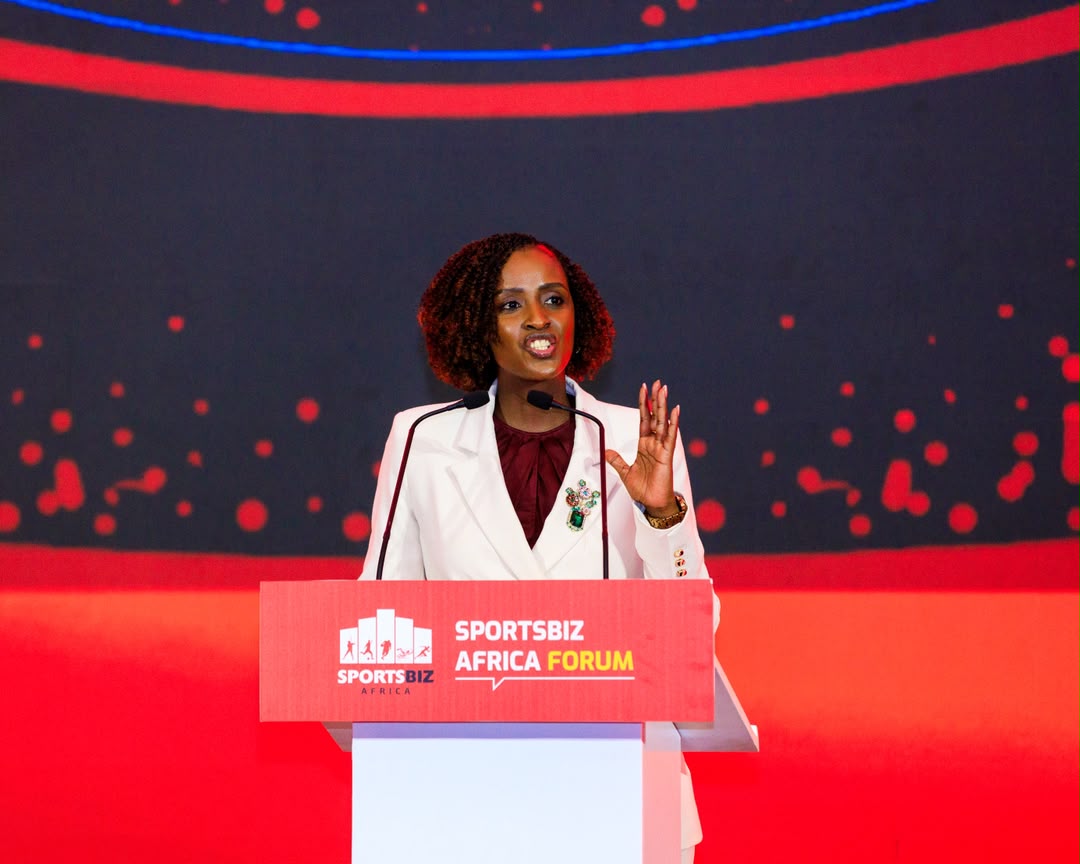
“We have talent and potential, but Africa must become better at turning that talent into value at home. Data, athlete development and commercialization are areas where African sport needs to become more deliberate,” Mukazayire said.
Better understanding of athletes beyond their sporting ability, stronger attention to health and wellbeing, more deliberate fan engagement and greater use of sports events to create opportunities for entertainment, fashion and other creative industries are part of that equation.
That thinking will also be reflected at the forum itself.
A Dealroom will connect investors with sports ventures, while a career fair will focus on employment opportunities. A gamers garage and an esports competition will bring together 40 gamers from across Africa as part of the wider programme.
The broader message from the forum is that Africa’s sports economy should not be measured only by medals, trophies or ticket sales, but by the jobs, businesses, infrastructure, investment and opportunities that sport can create long after a major tournament ends.