



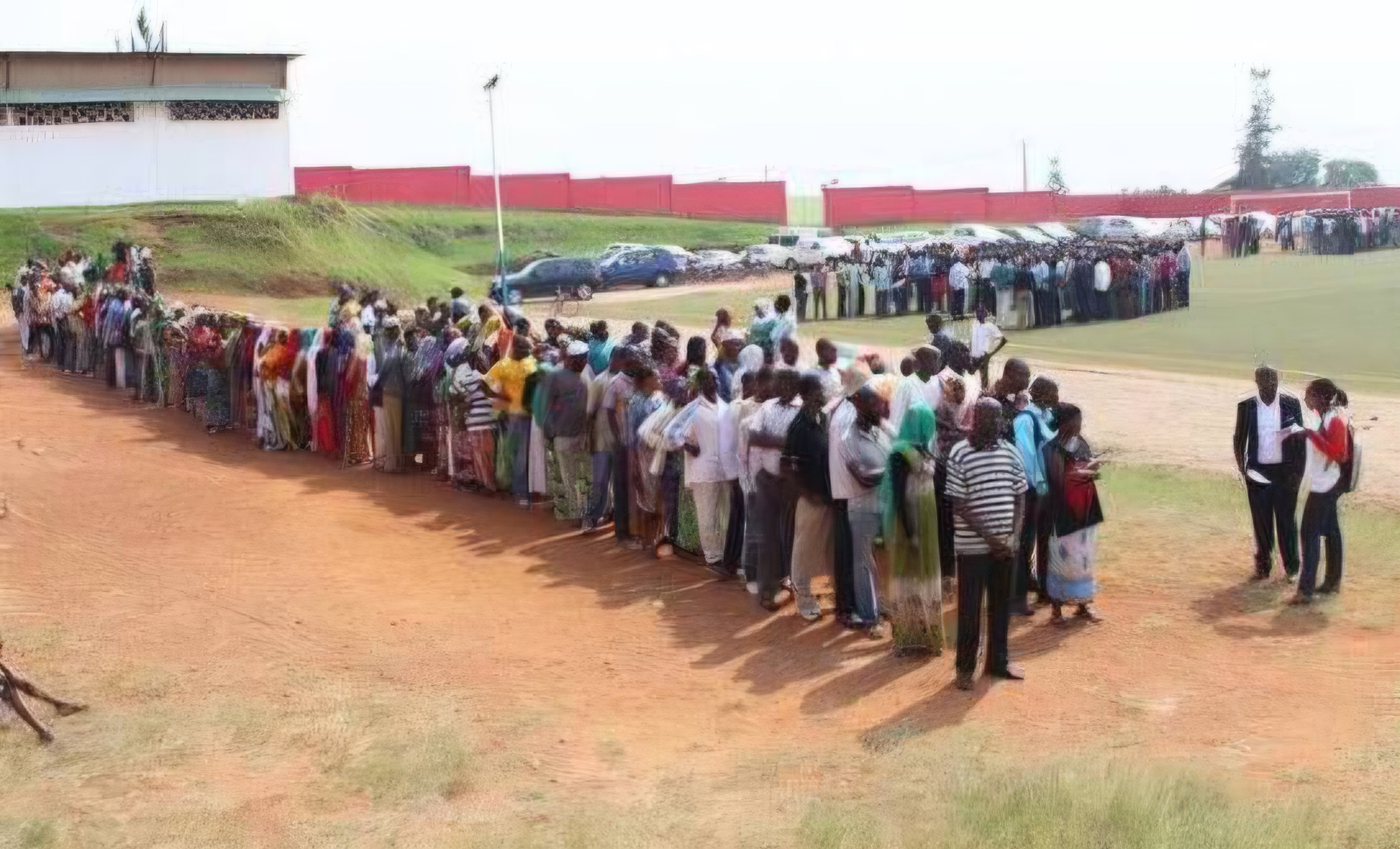
From villages that usually have up to 500 homes, the voting will go on as colleges are elected, up to end November 2026. The country will eventually have new district leaders.
KIGALI – Rwanda’s month-long local elections begin on Saturday, October 24, with voters choosing village leaders and representatives to local councils in a process that will extend to district and national-level councils through November.
The elections will determine leaders across the country’s decentralised administrative structures, from villages to districts, as well as representatives to national councils for women, youth and people with disabilities. Those elected will serve five-year terms, renewable once through another election.
The National Electoral Commission (NEC) has been using social media as a key tool to mobilise voters and explain the electoral process, with official accounts posting reminders, videos and graphics ahead of Saturday’s first vote.
The campaign is led mainly by NEC’s @RwandaElections account and the Ministry of Local Government’s @RwandaLocalGov account, with support from district and provincial administrations, other government institutions and local media. Posts use the hashtag #Amatora2026.
The messages focus on voter participation and civic responsibility rather than competition between individual candidates. Officials have urged residents to turn out early on Saturday, when voting begins at village level, and have shared countdown posts and reminders of the election dates.
The campaign also targets specific groups, including young people, women, people with disabilities, civil servants and private sector workers. Short videos featuring officials, including Minister Dominique Habimana, have encouraged participation. Musician Bruce Melodie has also appeared in messages urging young people to vote.
Most of the campaign material is in Kinyarwanda, with some content in English. Government accounts have amplified the messages through reposts, while local media and civic voices have shared information about the elections and the role of local leadership.
NEC says preparations include training more than 70,000 volunteers to support the elections and preparing more than 2,200 polling sites.
More than 90 election observers have registered to monitor the process, NEC president Oda Gasinzigwa said on Friday. They include representatives of non-governmental organisations, the National Commission for Human Rights, political parties, religious organisations and foreign embassies, alongside international observers.
Gasinzigwa said observer reports help protect voters’ rights and improve future elections. She urged accredited observers to follow the rules governing their work.
Voting starts at village level
On Saturday, voters will elect village executive committees and representatives to cell councils, alongside representatives of different groups.
Each village executive committee has five members: the village leader and officials responsible for security and movement into and out of the village, social welfare and community relations, information and public education, and development.
Voters will also elect representatives to village councils, including members of the executive committees of the National Youth Council and National Women’s Council. Youth representatives will be elected by residents aged 16 to 30, while women’s representatives will be chosen by women living in the village.
Other representatives will include agricultural and livestock advisers, community health workers, members of family welfare committees and two representatives of the private sector.
Once a village council is formed, its members will elect a bureau comprising a president, vice-president and secretary.
Residents will also elect a general councillor to represent their village on the cell council, as well as two women candidates from whom women’s representatives to the cell council will be selected. Women must make up at least 30% of cell council membership.
Elections continue through November
The next stage will take place on October 31, when voters elect representatives at cell level. Sector-level elections are scheduled for November 7.
Sector councils will include representatives from cells, women, youth, people with disabilities, schools, civil society organisations, the private sector and health facilities. Women must also account for at least 30% of sector council membership.
At district level, campaigning for council seats will run from November 7 to November 21.
More than 1,000 candidates have submitted applications to contest district council seats, according to NEC. The provisional list of eligible candidates is expected on October 26, with the final list due on October 30.
Each of Rwanda’s 30 districts will have a council of 17 members: five women, eight general councillors and four representatives of special groups, including women, youth, people with disabilities and the private sector.
Elections for district-level committees representing women, youth and people with disabilities are scheduled for November 14. Five women councillors will be elected on November 17, followed by eight general councillors on November 21.
On November 24, district councillors and other designated representatives will elect the district council bureau and executive committee. The executive committee comprises the mayor and two deputy mayors, responsible respectively for economic development and social affairs.
National-level elections to follow
The process will continue at provincial level and in the City of Kigali. On November 28, executive committee members of the National Women’s Council and National Council of Persons with Disabilities will be elected at those levels.
National-level executive committees for the two councils are scheduled to be elected on November 30.
NEC expects the structures of the national councils to be completed by December 15. The commission’s overall election report is due by December 30.
The elections will renew leadership across Rwanda’s local administrative structures and representative councils, with voting organised according to the positions and groups being represented.
