



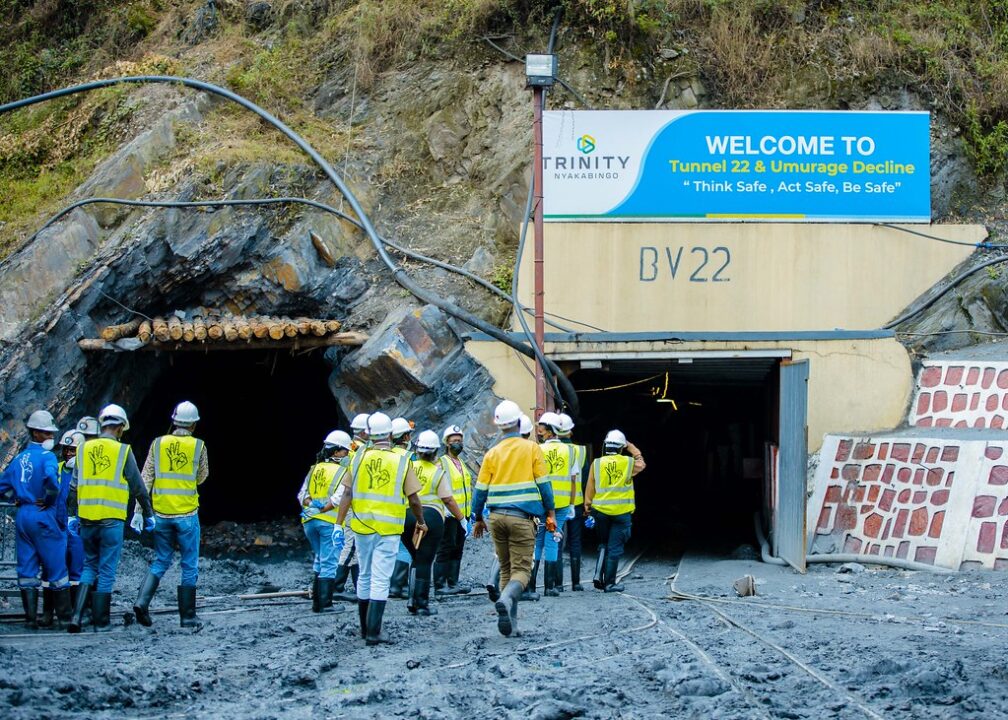
 KIGALI – Rwanda’s Cabinet has approved a new organizational structure that will allow the Rwanda Mines, Petroleum and Gas Board (RMB) to operate as an independent institution, strengthening the regulator’s position.
At its meeting on October 26, the government said the change is intended to strengthen oversight of the mining sector and support its growing contribution to the economy.
In July 2025, RMB was placed under the supervision of the Rwanda Development Board (RDB) as part of a wider institutional review. The latest move points to a significant timing.
Rwanda recorded $1.75 billion in mineral export earnings in 2024, up from about $373 million in 2017, and has set a target of generating $2.17 billion annually from mineral exports by 2029.
As the industry expands, the regulator’s ability to oversee extraction, enforce standards and ensure that mineral resources deliver lasting economic benefits will become increasingly important.
A Regulator with Wide Responsibilities
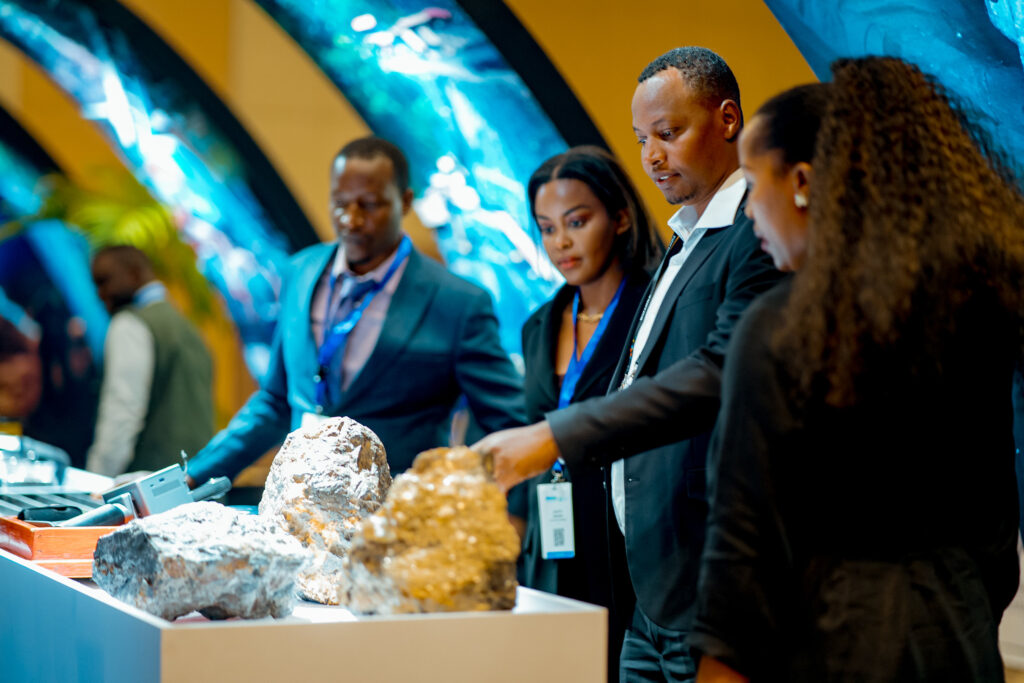
Beyond issuing mining licenses under the presidential order establishing RMB in 2023, the Board is responsible for regulating and managing mineral, quarry, oil and gas resources, monitoring compliance by license holders.
It is also responsible for conducting geological research as well as overseeing exploration and mineral processing. The board also has powers to inspect operations, impose administrative sanctions for violations and monitor the value-addition and trading of mineral products.
Its responsibilities therefore make it an intersection of investment, resource management, regulatory compliance and the government’s ambition to earn more from its natural resources.
The distinction matters because a growing mining industry requires both investment and credible oversight. Companies need predictable licensing and regulatory processes, while the government must ensure that operators comply with applicable laws and standards.
Rwanda’s position in the global minerals market adds to those demands.
The United States Geological Survey ranked Rwanda the world’s third-largest tantalum producer in 2024, accounting for 15% of global production. The country also ranked sixth in tungsten production and eleventh in tin production.
These minerals are used in electronics and other industrial applications, making Rwanda’s ability to supply international markets responsibly an important part of its export ambitions.
From Mineral Exports to Domestic Processing
Export growth has already changed the scale of Rwanda’s mining landscape. The next step is ensuring that higher earnings translate into greater domestic value addition and a stronger industry.
The government is promoting mechanization, exploration and mineral processing as ways to increase productivity and move beyond dependence on extracting and exporting raw materials.
RMB Chief Executive Officer Alice Uwase has severally championed reforms geared towards increasing export earnings while building more processing capacity within Rwanda and Africa as a whole.
“We are moving toward mechanized extraction, on-site beneficiation, and advanced value addition, with refining facilities for gold, tin, and tantalum already operational in Rwanda,” she said on October 20, 2026 at the Mining in Motion Conference in Accra, Ghana.
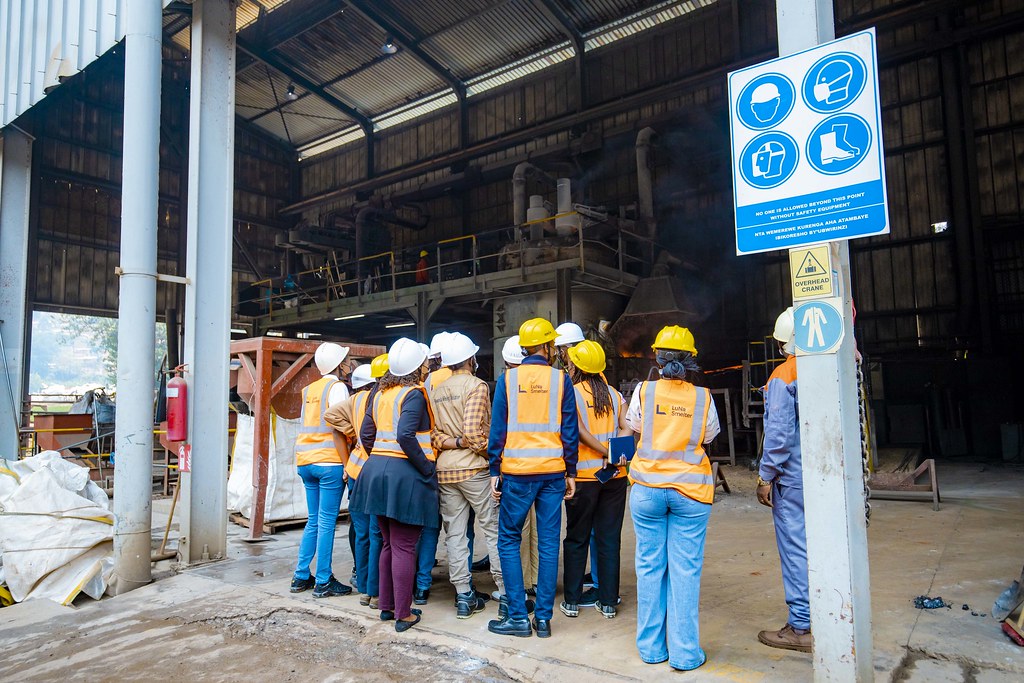
Rwanda has established gold refining, tantalum refining and tin-smelting facilities, creating capacity to process minerals locally.
The country’s target of $2.17 billion in annual mineral exports by 2029 will require continued investment and efficient operations. It will also place greater demands on the institutions responsible for oversight of the sector.
RMB’s new institutional status will therefore be judged by what that independence enables it to do. The practical test awaits the new structure to strengthen regulatory capacity while supporting responsible investment and greater value from Rwanda’s mineral resources.
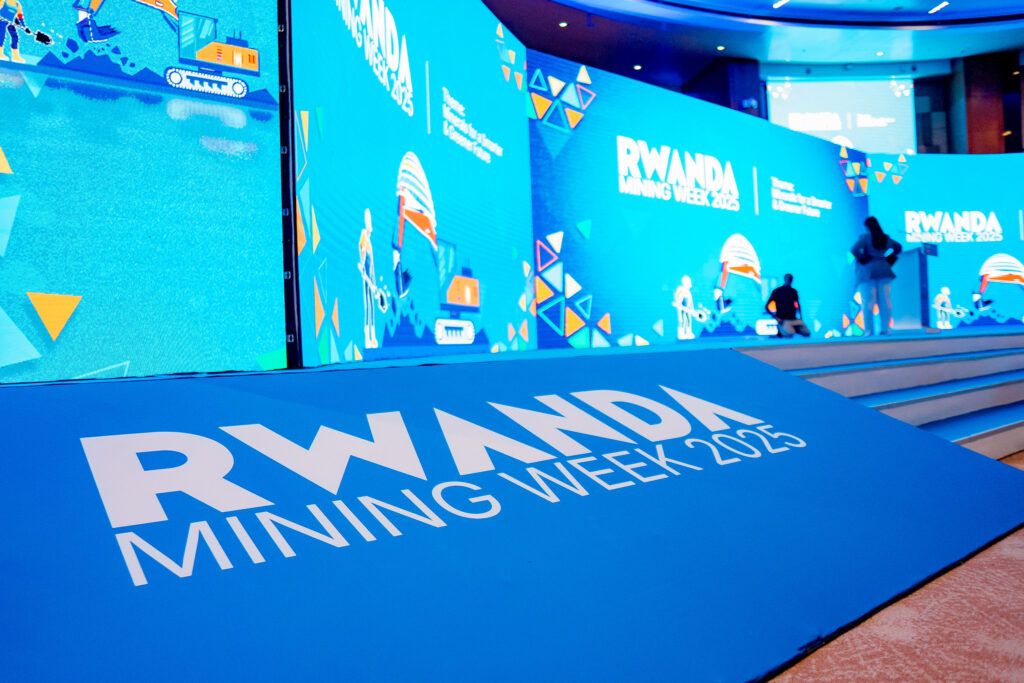
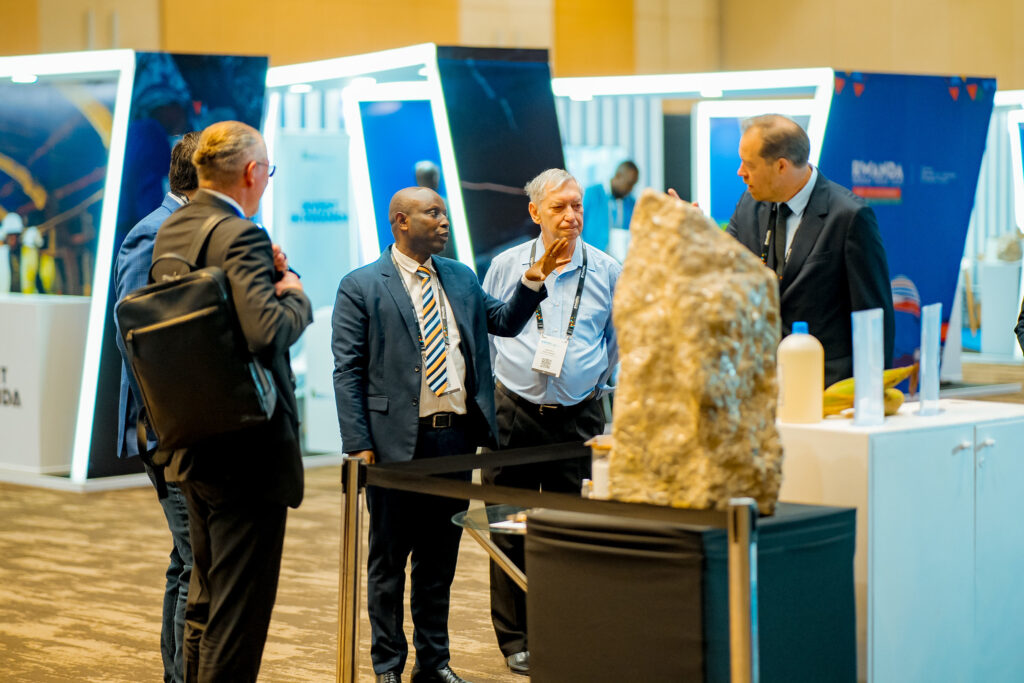
Rwanda Mining Week is scheduled to take place at the Kigali Convention Centre from December 9 to 11 under the theme “Powering the Future: Mechanization, Scale and Sustainable Growth in Mining.”
It is expected to bring together policymakers, investors, mining companies and technology providers. The program includes the launch of Rwanda’s Geoscience Laboratory and Mining Investment Pitchbook.
With the sector pursuing higher export earnings and more sophisticated operations, the decision to give RMB an independent institutional structure sets the stage for renewed attention to how Rwanda regulates its mineral wealth and how effectively that wealth serves the wider economy.