


 KIGALI – Rwanda is expanding access to specialized hearing care through a partnership with Morocco that will provide cochlear implants and hearing aids at the country’s first dedicated center for hearing diagnosis and rehabilitation.
The initiative, led by First Lady Mrs Jeannette Kagame’s Imbuto Foundation and Morocco’s Lalla Asmaa Foundation, brings together specialist medical treatment, new equipment and training for Rwandan healthcare professionals to improve care for people with hearing loss.
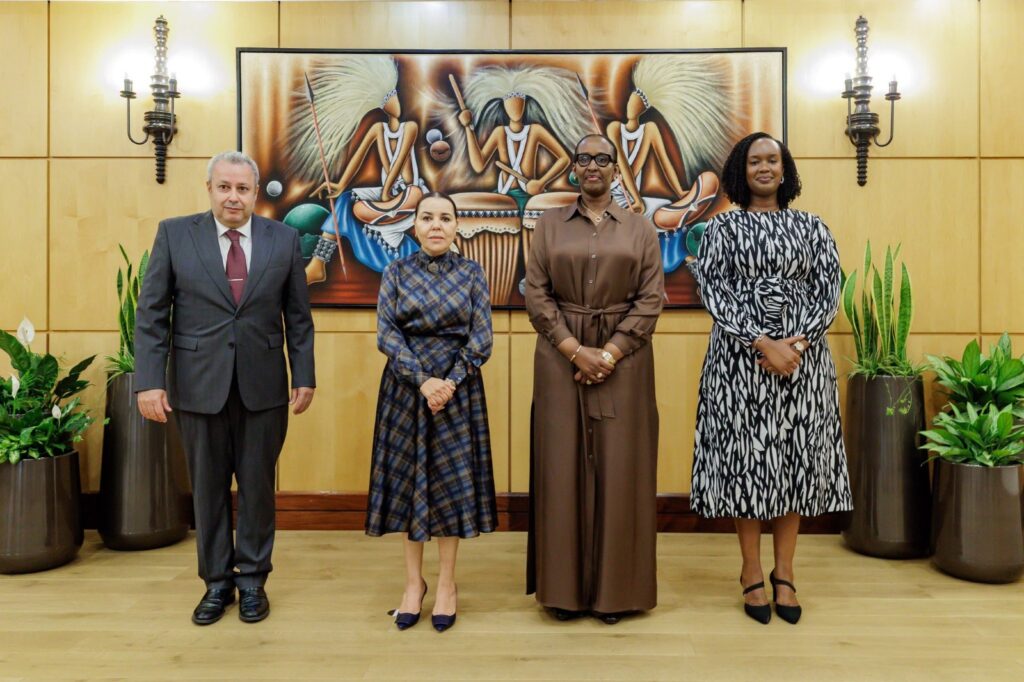
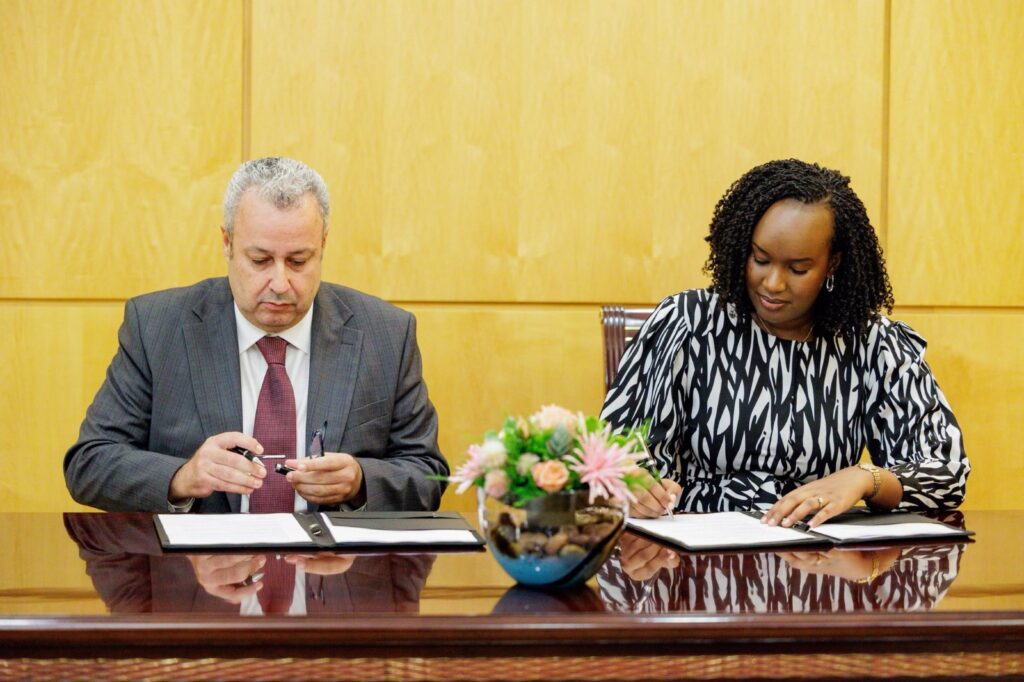
The partnership was formalized on Monday, October 26, when Jeannette Kagame and Princess Lalla Asmaa, President of the Moroccan foundation, launched the fifth phase of the “Together, We Hear Each Other Better” program.
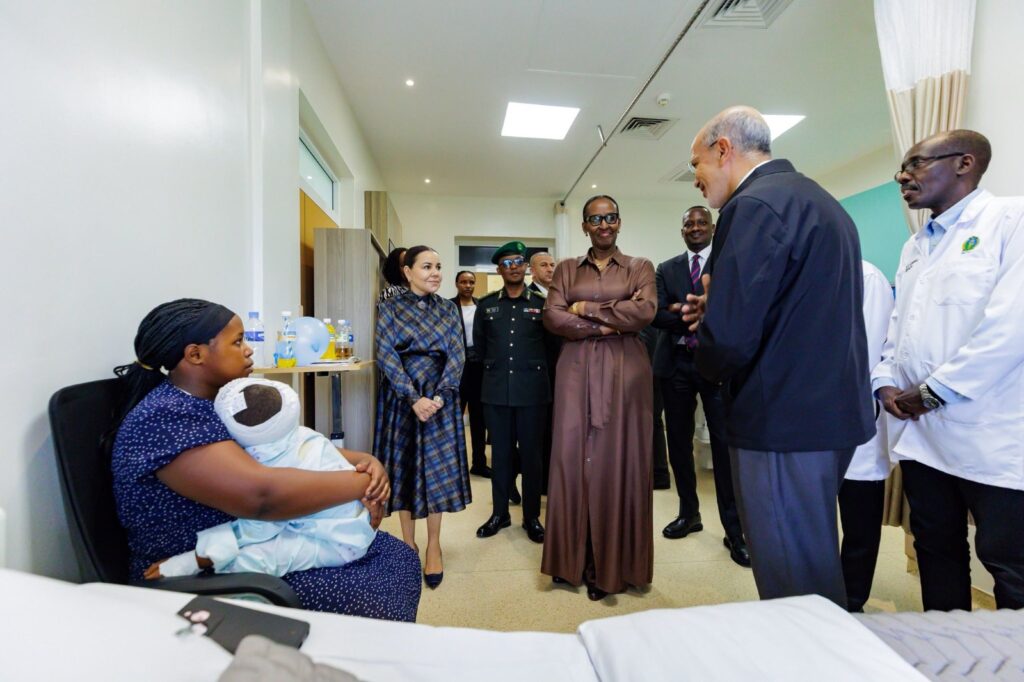
The two leaders also inaugurated the new center at the Military Referral and Teaching Hospital in Kanombe.
The center is designed to bring together the different stages of hearing care, from initial screening and diagnosis to treatment, rehabilitation and follow-up.
Brig Gen Dr. Eugène Ngoga, Director of the Rwanda Military Referral and Teaching Hospital, said Moroccan specialists had spent the previous week working alongside Rwandan doctors to perform procedures on children with hearing impairments.
“There are children with hearing impairments, and this is a very good way to help them by inserting hearing devices in the affected ears to improve their hearing. These are very sophisticated procedures, but they are a good and reliable way to help them,” Ngoga said.
The joint medical mission involved 50 patients who received cochlear implants and other who will be fitted with hearing aids, extending the intervention beyond surgery to include different forms of hearing support.
Building Rwanda’s Hearing Care Capacity
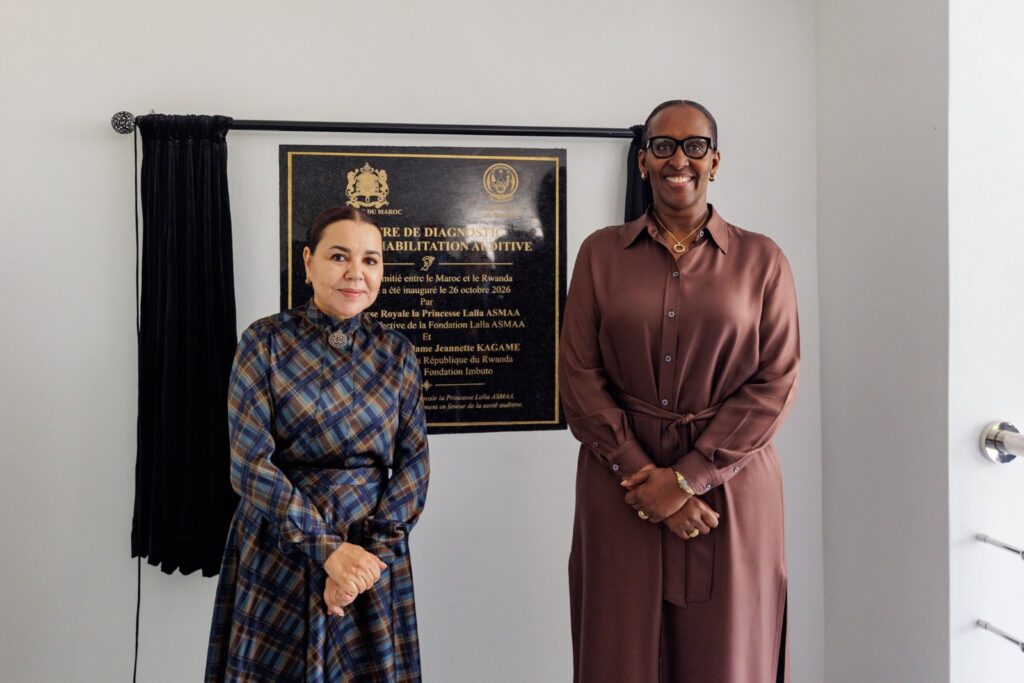 The new center is equipped with specialized medical technology, including a soundproof examination booth, audiometers, devices for assessing hearing in infants, and stations for adjusting cochlear implants and hearing aids.
It brings together ear, nose and throat specialists, audiologists, speech and language therapists, and psychologists to support patients through different stages of care.
One of its key functions will be to enable hearing conditions to be diagnosed during the first months of life, when early intervention can be particularly important for language development.
For children with significant hearing loss, identifying the condition early and providing appropriate treatment can help improve their opportunities to develop communication skills and participate in education.
However, the benefits of cochlear implants and other hearing devices also depend on follow-up assessments, adjustments and rehabilitation.
The center is intended to provide this broader continuum of care, including follow-up for children who receive cochlear implants.
Rwandan medical teams have also been trained to use the equipment, with the aim of enabling them to operate the center independently.
This is an important part of the partnership because the benefits of specialized medical missions depend not only on the procedures performed during a visit, but also on the ability of local professionals to continue providing services after visiting specialists leave.
Rehabilitation and Education
The agreement between the Imbuto Foundation and the Lalla Asmaa Foundation covers hearing screening, treatment, rehabilitation, education and the wider well-being of people living with hearing disabilities.
Morocco’s program, “Together, We Hear Each Other Better,” is an international extension of its national Nasmaa campaign launched in 2022, to help children and young people with hearing loss access diagnosis.
Rwanda becomes the 23rd country to participate in the program, which operates across Africa, the Middle East and North Africa, and Latin America and has provided care to nearly 500 patients.
A cochlear implant does not restore hearing in the same way as a conventional hearing aid. It uses an internal component, placed beneath the skin behind the ear, to stimulate the auditory nerve, alongside an external processor that captures and codes sounds.
Activation takes place several weeks after surgery and is followed by successive adjustments and long-term speech and language rehabilitation. Patients gradually develop the ability to perceive and understand spoken language.
That process makes continued specialist support essential, particularly for children who must develop communication skills alongside their treatment.
the new center and the cooperation agreement provide a framework for connecting specialist interventions with diagnosis, rehabilitation and education.
By combining medical expertise from the two countries with equipment and training for local teams, the initiative seeks to establish a more comprehensive approach to hearing care, extending its benefits beyond the operating room to the longer-term needs of children and their families.