



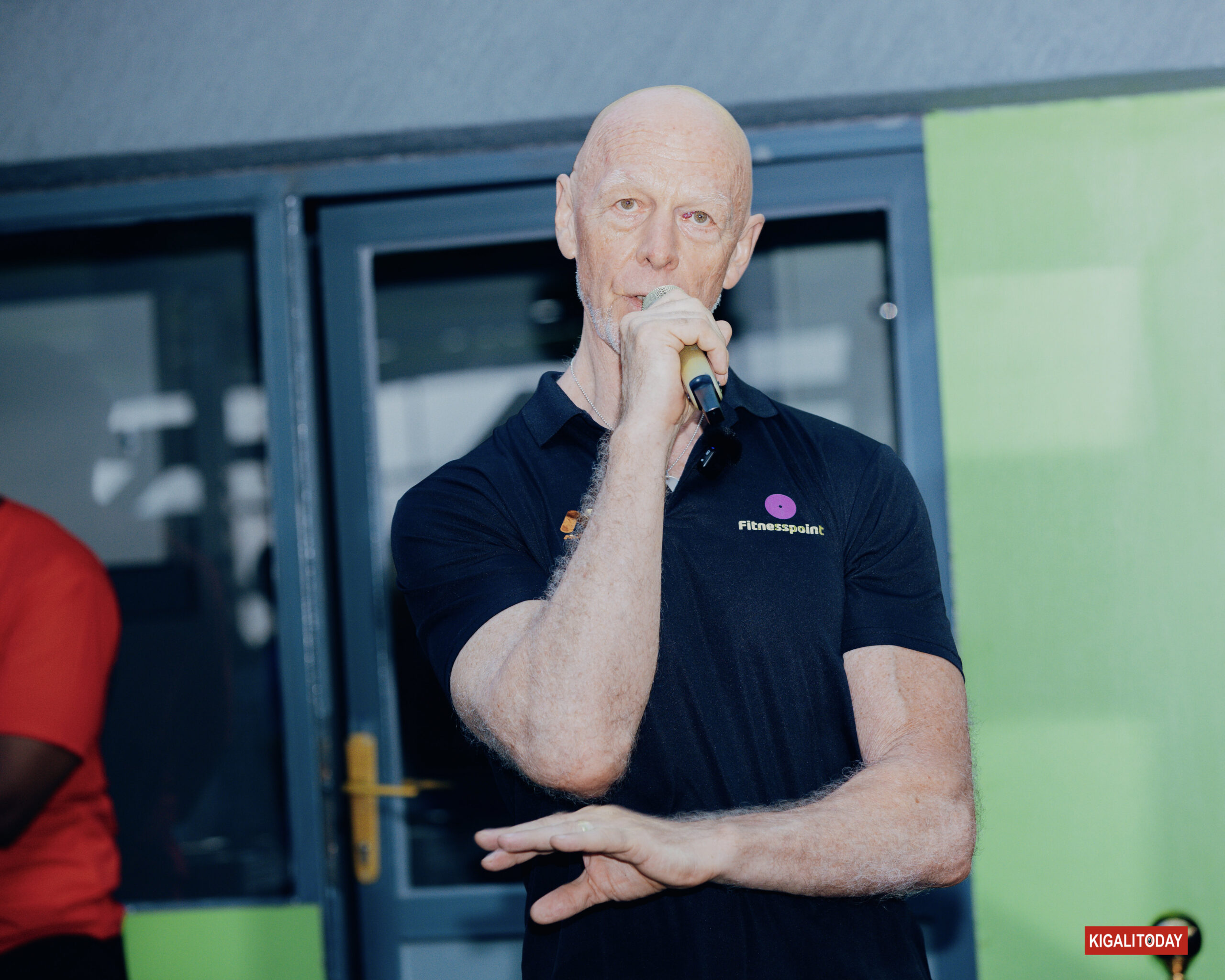
When Ole Haugum first visited Rwanda in 2018, he was not looking for a new home or planning to build a fitness business.
He was exploring the country’s gym industry, hoping to find an opportunity to introduce something different. What he saw convinced him to stay.
Nearly eight years later, the Norwegian entrepreneur is the founder and CEO of Fitness Point, a gym business that has grown to four locations in Kigali, offering facilities ranging from swimming pools and saunas to basketball courts, spinning and aerobics classes.
His journey into Rwanda was the latest chapter in a career spanning more than 40 years in sport science, fitness training and elite coaching, shaped by his experience as an athlete, sports scientist and coach.
Speaking to Gaella Rutagengwa on Kigali Today’s Beyond The Scroll podcast, Haugum said his passion for health and fitness began when he was a teenager.
He competed at a high level, once qualifying for the Olympic Games, before pursuing further studies in the United States, where he earned degrees, including a master’s degree in sports science.
He later coached athletes who went on to become world champions, while also working with ordinary people seeking to improve their health, lose weight or become more physically active.
His involvement in the gym business dates back to 1989, when he established his first gym in the United States.
After returning to Norway, he continued operating gyms before launching the Fitness Point brand there around 2013.
But the cold Norwegian climate had gradually pushed him to consider relocating to a warmer country.
A friend suggested Africa, an idea he initially dismissed. However, a visit to Rwanda in 2018 changed his plans.
After touring existing gyms in Kigali, he saw room for improvement and decided to relocate in 2019, laying the foundation for Fitness Point in Rwanda.
“The gym business here is a little bit like it was in Europe and the US 20 or 30 years ago. It’s in the beginning,” he said, describing an industry he believes still has considerable room for growth.
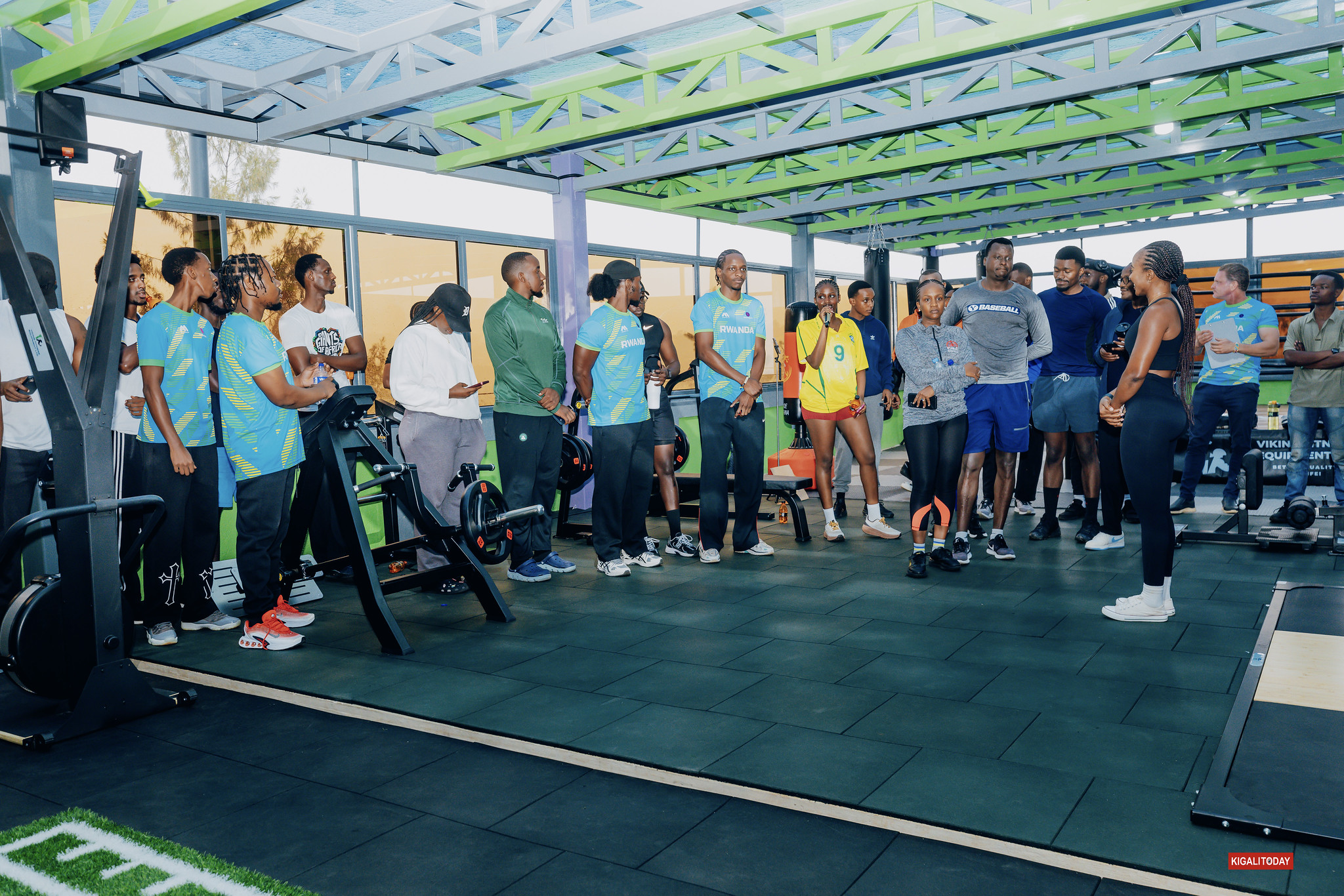
He said Fitness Point had helped introduce a different level of gym facilities and activities to the local market, attracting interest from individuals and companies looking for structured fitness services.
The business now operates four locations, an arrangement Haugum says gives it an advantage in serving corporate clients whose employees live and work in different parts of Kigali.
Although he initially expected a large number of people to embrace the facilities quickly, he acknowledged that building the business had taken time.
“We have been building stone by stone,” he said, adding that interest from companies and individuals has grown as the business has expanded.
Changing how people think about fitness

Beyond building a gym business, Haugum wants to change how people understand physical fitness, particularly the belief that exercise is mainly for young people or those seeking muscular bodies.
At nearly 70, he considers himself an example of why age should not prevent people from exercising.
He said people in their 50s, 60s and 70s can benefit significantly from gym activities, improving their strength, mobility and ability to manage everyday tasks.
He also challenged the perception that women who lift weights automatically develop bulky muscles, saying strength training can instead help them improve their physical shape and overall health.
Another misconception, he said, is that people must visit the gym five or six times a week to see results.
In his view, two or three well-structured training sessions a week can deliver meaningful benefits.
For Haugum, the bigger problem is not necessarily a lack of interest in fitness but the absence of proper guidance and realistic expectations.
He said many people join gyms with ambitious targets, such as losing 30 kilogrammes, only to become discouraged when they fail to see immediate results.
His advice is to start with smaller, achievable goals, gradually build consistency and seek guidance from experienced trainers.
Someone who begins exercising without understanding what works for their body may quickly lose interest, particularly if they repeat activities that do not address their specific goals.
He cited people who spend an hour running on a treadmill every day without incorporating other forms of exercise, noting that the right programme depends on what an individual wants to achieve.
Fitness programmes should also account for age, health conditions and personal preferences. A person in their 20s may require a different approach from someone in their 50s or 60s.
He said gyms can help people seeking to lose weight, gain weight or improve their general health, including those managing conditions such as diabetes and heart-related problems. However, people with medical conditions should have appropriate professional guidance.
Health beyond the influencer body
Haugum also questioned the growing influence of social media images that present fitness as the pursuit of a perfect body.
He said people can be healthy without looking like fitness influencers, arguing that the real measure of success should be improved health and the ability to function better in everyday life.
Nutrition and lifestyle choices are important, but he cautioned against becoming overly restrictive.
People can occasionally enjoy foods considered unhealthy or attend social gatherings without abandoning their fitness goals. The important thing, he said, is maintaining balance rather than making extreme lifestyle changes that are difficult to sustain.
PHOTOS – HERE IS A TOUR OF FITNESS KANOMBE
For him, the greatest satisfaction comes from seeing people transform their lives through exercise.
He recalled working with clients who had high blood pressure or diabetes and later experienced significant improvements in their health after months of training.
Others lose weight, become stronger and find ordinary activities, such as walking up stairs, much easier.
“That’s important, not the perfect influencer body,” he said, arguing that people should pursue better lifestyles and healthier lives rather than unrealistic physical standards.
He also highlighted the mental health benefits of exercise, drawing on his background in psychology to explain why fitness should be viewed as part of overall well-being.
The business behind the fitness brand
Running Fitness Point has brought a different set of challenges from those Haugum encountered during his years in the industry in Europe and the United States.
The business employs approximately 80 to 100 people, requiring substantial attention to management and operations.
Importing gym equipment into Rwanda is another challenge. As a landlocked country, Rwanda presents additional logistical costs, while taxes and transportation expenses can make setting up and maintaining modern facilities more expensive.
Nevertheless, Haugum believes the market has sufficient potential to justify continued investment and expansion.
He also wants Fitness Point to serve people beyond conventional gym users. The company has supported Paralympic and sitting volleyball teams, alongside other sporting groups, reflecting its interest in making fitness facilities accessible to different categories of people.
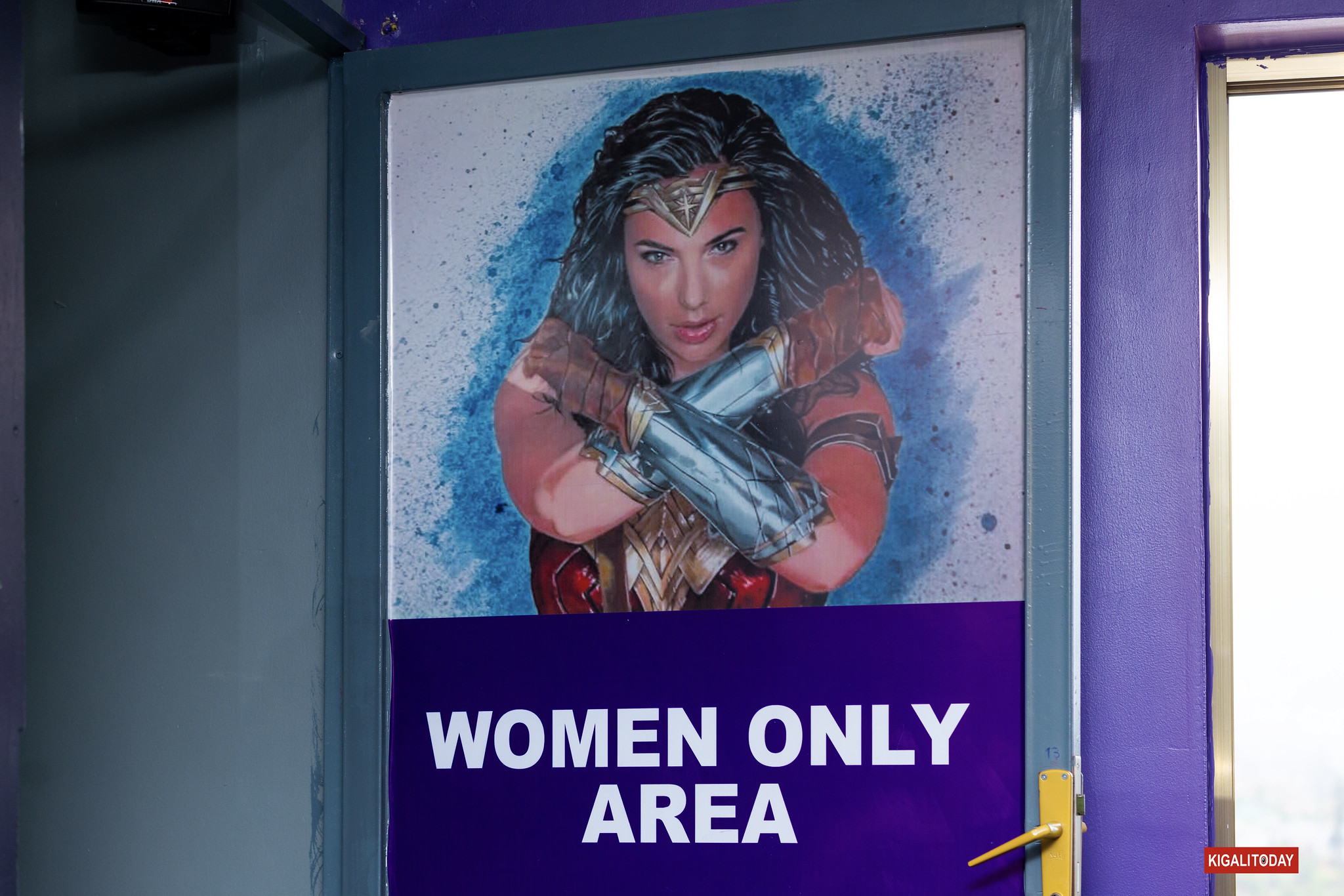
Its facilities include swimming pools, saunas, basketball courts, spinning and aerobics activities, as well as women-only gym sections. A new women-only facility in Kanombe is among the locations he highlighted during the interview.
The business also offers corporate memberships and different membership arrangements intended to accommodate varying customer needs.
A lesson for aspiring entrepreneurs
Haugum’s experience in Rwanda has also shaped his advice to young people interested in starting businesses.
He urged aspiring entrepreneurs to research their markets, identify something they genuinely care about and avoid trying to build a large business immediately.
Starting small, understanding customers and developing a business gradually are more important than pursuing quick success, he said.
His own journey, from operating gyms in the United States and Norway to establishing a four-location business in Kigali, illustrates the patience required to build a company in a developing market.
He acknowledged that entrepreneurship also comes with personal sacrifices. He met his wife in Rwanda and now has a young son, but running a growing business sometimes takes time away from family.
Despite the demands, he remains committed to the industry he has spent most of his working life building.
Having initially considered Rwanda as an alternative to living in a cold European country, he now describes it as the only place on his list.
His ambition is to continue expanding Fitness Point while encouraging more people to make physical activity part of their lives.
Ultimately, he hopes people will remember a simple message: fitness is not reserved for athletes, young people or those seeking impressive physiques. It is for everyone, including older people who want to remain healthy, independent and active.
Beyond The Scroll is a weekly podcast produced by Kigali Today Ltd and released every Thursday. It explores the people, ideas, businesses and experiences shaping Rwandan society beyond the headlines.
