


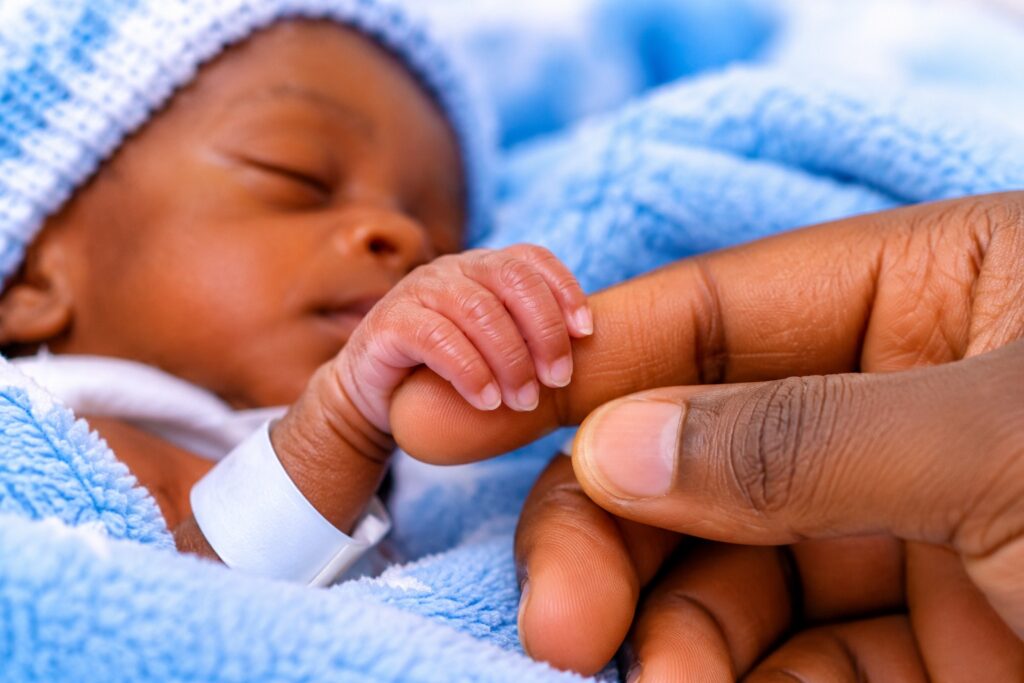
 KIGALI – When a premature baby or a newborn who experienced complications survives and is discharged from hospital, for most families, the struggle does not end there.
At home, parents must support the child’s development, while often navigating the need for specialized services, uncertainty about the child’s future, and the added burden of stigma and social isolation.
For families raising children with developmental disabilities, everyday activities such as feeding, communication and movement may require patience, practical knowledge and continued support.
Yet many parents leave hospital without a clear understanding of what to expect as their children grow, where to seek help or how to respond when developmental milestones are delayed.
For Angelique Murekatete, a 39-year-old mother of four, the journey began on July 10, 2025, when she gave birth prematurely to a baby girl at Nyarugenge hospital.
Although her daughter received the necessary medical care despite the difficulties surrounding her early arrival, bringing her home was only the beginning of another demanding journey.
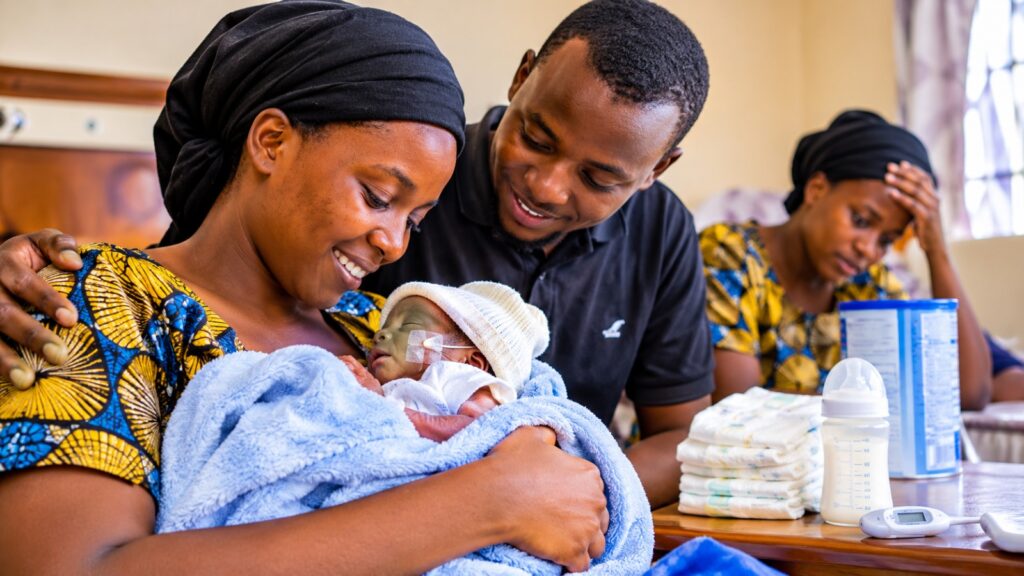
“There were times when I worried whether my daughter would grow like other children. You want to see your child reach the expected milestones, but when progress is slow, you sometimes wonder what lies ahead,” she says.
The uncertainty has not taken away her hope. She draws encouragement from the steady progress her daughter continues to make, believing that with patience, time and appropriate care, she will grow into a healthy and strong person.
“I have learned to appreciate every little improvement. She may not be developing at the pace I expected, but I believe she will continue growing. As a mother, I cannot give up on her,” she says.
Her experience reflects a challenge facing Rwanda’s health system as more premature and medically vulnerable newborns survive.
Keeping babies alive is a critical achievement, but ensuring they receive appropriate developmental support after leaving hospital remains an equally important responsibility.
The Family Behind the Child’s Care
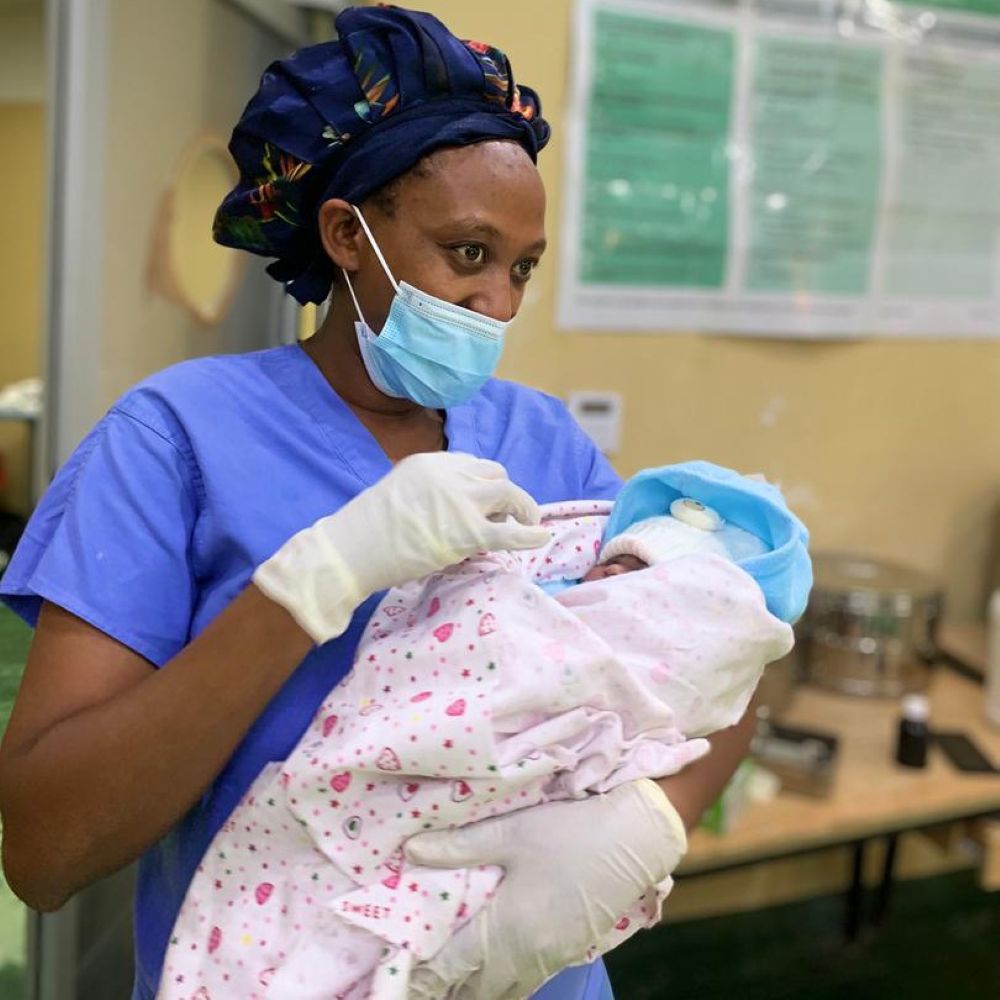
A Rwandan program designed to address some of these gaps provides evidence that structured follow-up and family support can improve the lives of children at risk of developmental disabilities and their caregivers.
The Pediatric Development Clinic (PDC)-Baby Ubuntu model, developed by the Ministry of Health in partnership with Partners in Health (PIH) and other stakeholders, combines clinical follow-up for high-risk infants with practical group sessions for caregivers.
Its effectiveness was assessed in a cluster randomized trial involving 1,247 children across 56 health centers in Burera, Kamonyi and Gakenke districts.
Of these, 567 had developmental disabilities. The study is described in a policy brief as the largest trial of an early childhood intervention for children at risk of developmental disability in sub-Saharan Africa.
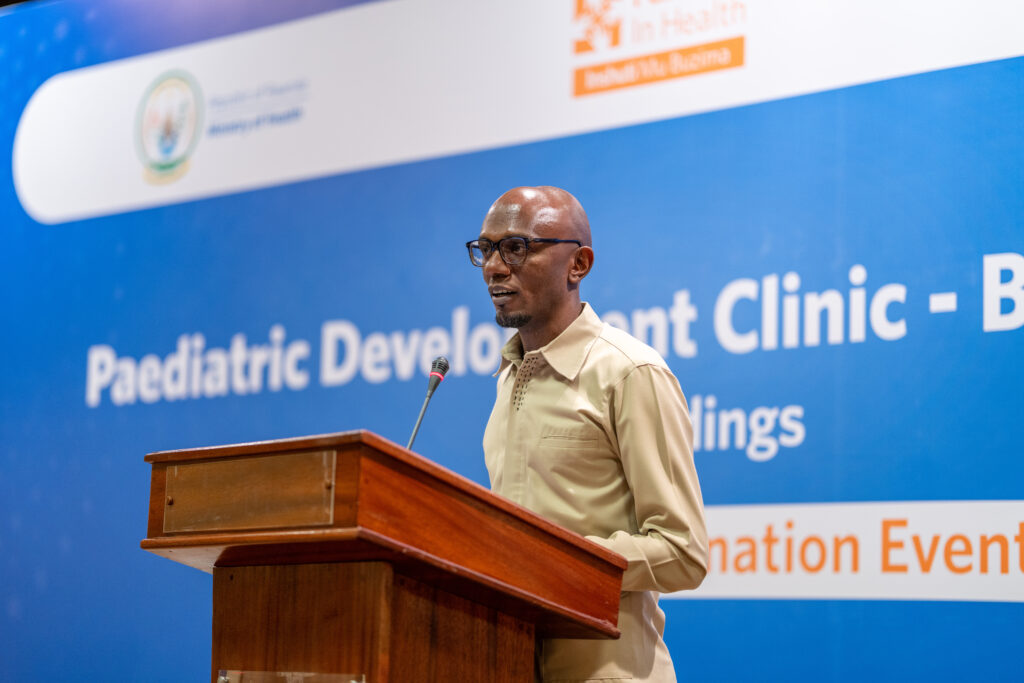
Dr, Erick Baganizi, Head of Division for Clinical Programs at PIH.
Among families caring for children with developmental disabilities, 66.1 per cent in the intervention group recorded a meaningful improvement in quality of life, compared with 42.9 per cent in the comparison group.
Caregiver psychological distress also fell, with 27 per cent of caregivers in the intervention group experiencing distress, against 42.8 per cent in the comparison group. The study further recorded improvements in caregiver confidence and reduced disability-related stigma.
One caregiver described how she had previously avoided taking her child outside because people mocked the family and called the child a “monster”. After participating in the sessions, she began taking the child everywhere and educating others, who gradually became more accepting.
Dr, Erick Baganizi, Head of Division for Clinical Programs at PIH says that this attention to caregivers is central to the program.
“We tend to take care of the child, but we forget about the family. If you forget the family, where the child goes back after discharge from the hospital, then you are not doing a good job for the caregiver,” he noted.
A Model with A Price Tag
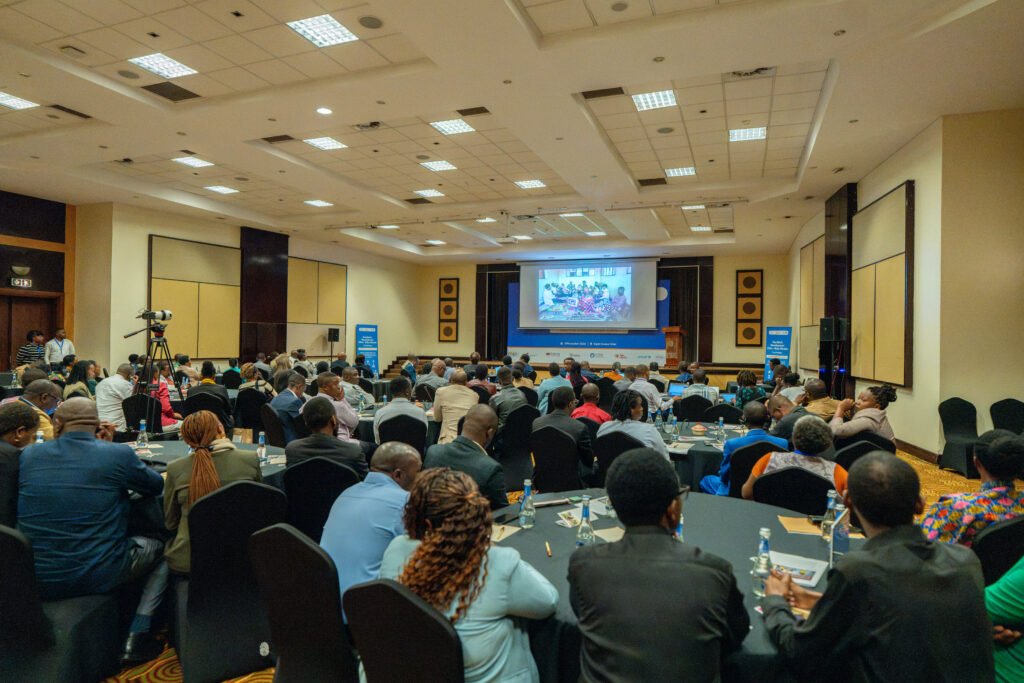
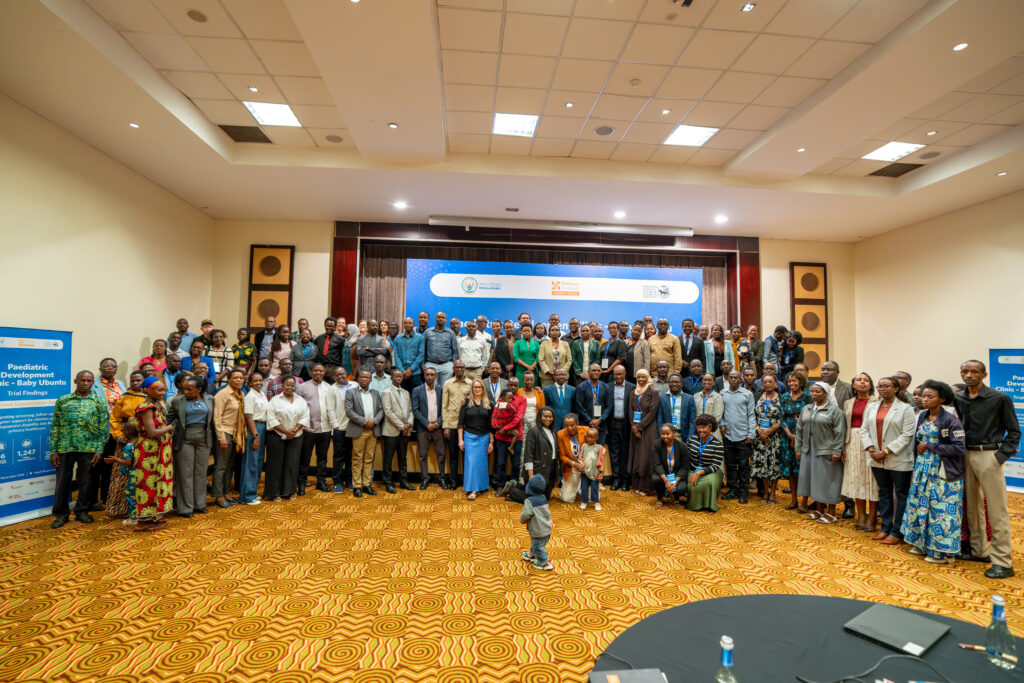
Stakeholders during during discussions about The Pediatric Development Clinic (PDC)-Baby Ubuntu model at a recent gathering in Kigali.
The trial also found that hospitalization among children with developmental disabilities was lower in the intervention group, at 13.7 per cent, compared with 22.4 per cent in the comparison group.
However, there was no measurable improvement in child development, functional status or growth at the end line assessment, conducted only three weeks after the intervention ended. Longer-term follow-up will be necessary to establish whether the program produces changes in these outcomes.
The model has since been integrated into 82 health centers and seven hospitals across five districts. All 29 health centers involved in the trial’s intervention arm were still delivering it a year later.
Preliminary costing puts the average first-year expense at about $280 per child, falling to approximately $153 annually once the program is fully established.
About 90 per cent of recurrent costs relate to nurses’ time and health-center space already provided by government, although expansion will require investment in training, mentorship and service capacity.
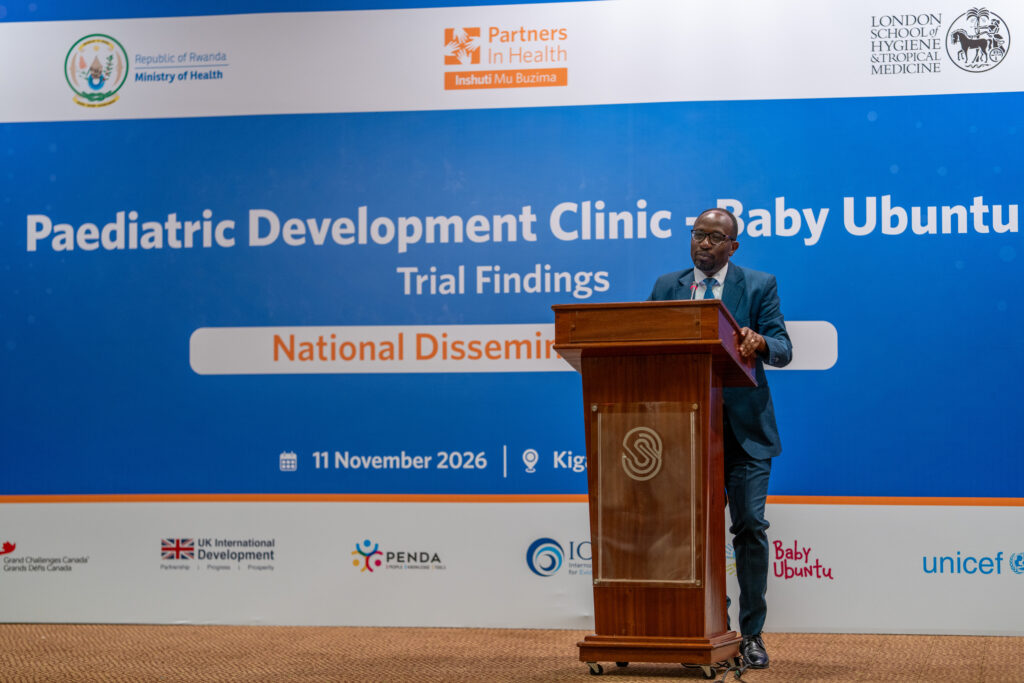
The Permanent Secretary in the Ministry of Health Jean Marie Vianney Ndayizigiye said Rwanda’s ambition must extend beyond ensuring newborn survival.
“Our ambition must go beyond ensuring that children survive. We must ensure that each and every child has the opportunity to grow and reach their full potential,” he said.
Policy recommendations call for the model to become a national standard for following up high-risk newborns, with phased expansion to health centers in every district. They also propose integrating relevant training into nursing curricula and establishing sustainable financing.
For mothers like Angelique, however, the importance of such support is measured in the everyday progress of their children. Her daughter’s journey may be slower than she initially expected, but she remains hopeful about what lies ahead.
Ultimately, saving a premature baby’s life is only the first step. Ensuring that the child continues to receive the care and support needed to grow and reach their potential is the responsibility that follows.