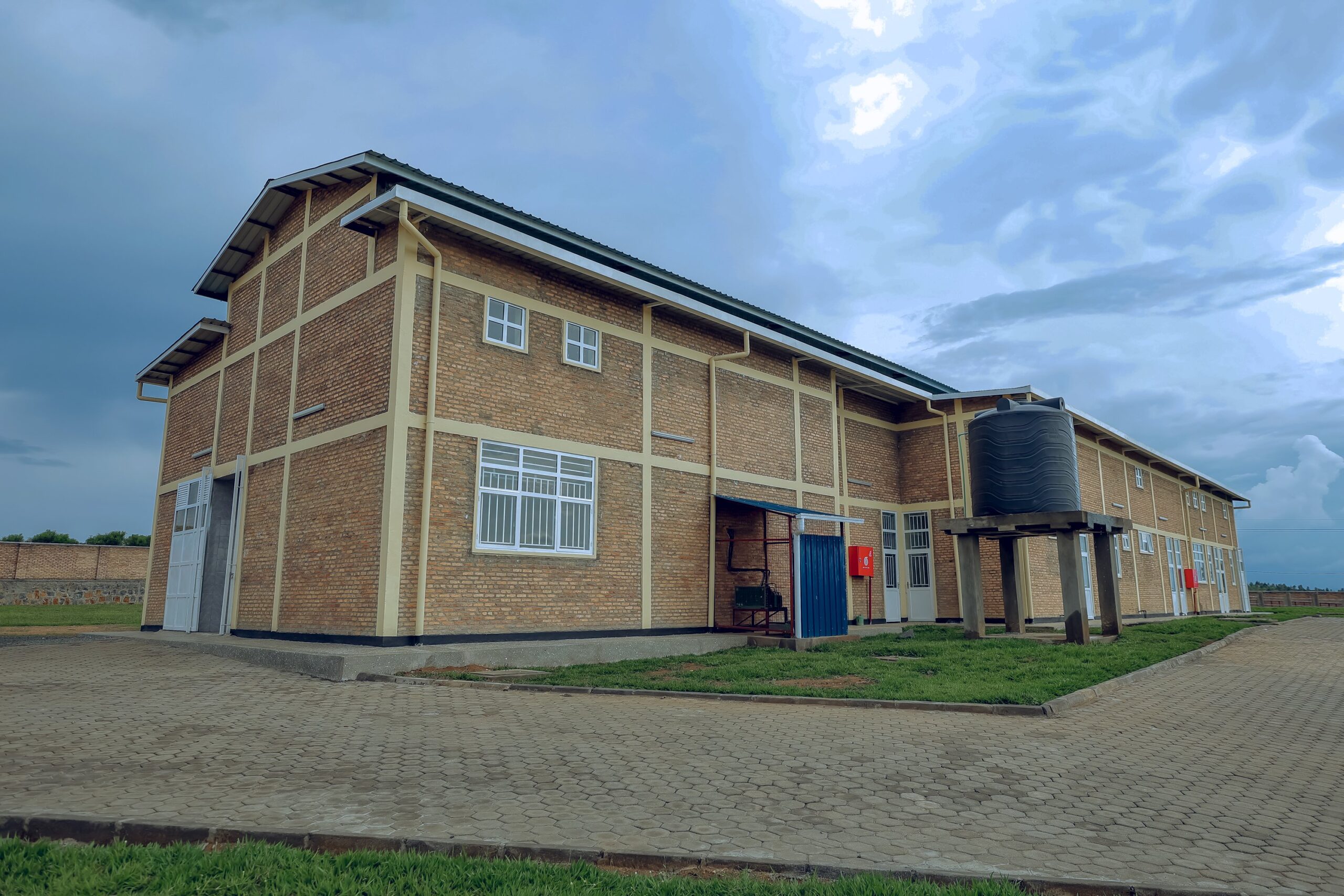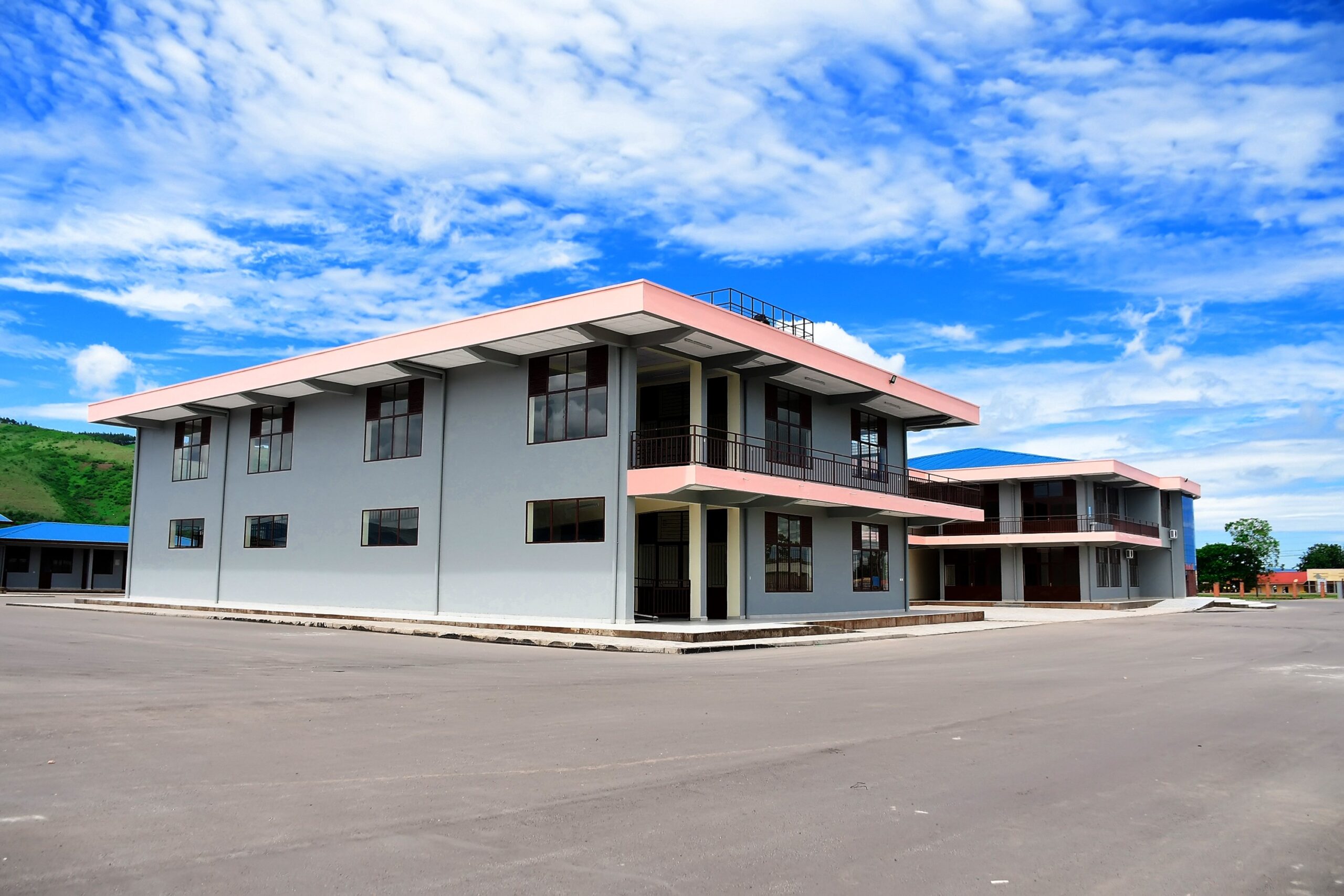
A modern abattoir in Nyagatare District that had remained idle for nearly two years is set to become operational following the signing of a management agreement with Ethiopian investors.
The facility, which cost more than Rwf 1.5 billion to construct, has the capacity to slaughter up to 200 cattle and 300 goats and sheep per day.
Completed in 2023, the abattoir had not begun operations due to the absence of a qualified operator, despite being fully equipped with modern infrastructure and high-standard processing equipment.
Nyagatare District authorities have confirmed that a five-year operational agreement has been signed with an Ethiopian investor operating under the name LUNA, who has prior experience managing similar facilities in the region.
The contract may be extended depending on performance and mutual agreement.
Residents living near the abattoir say they welcome the development, noting that expectations had been high when the facility was completed.
Some say its delayed opening had dampened hopes for job creation and increased commercial activity in the area.
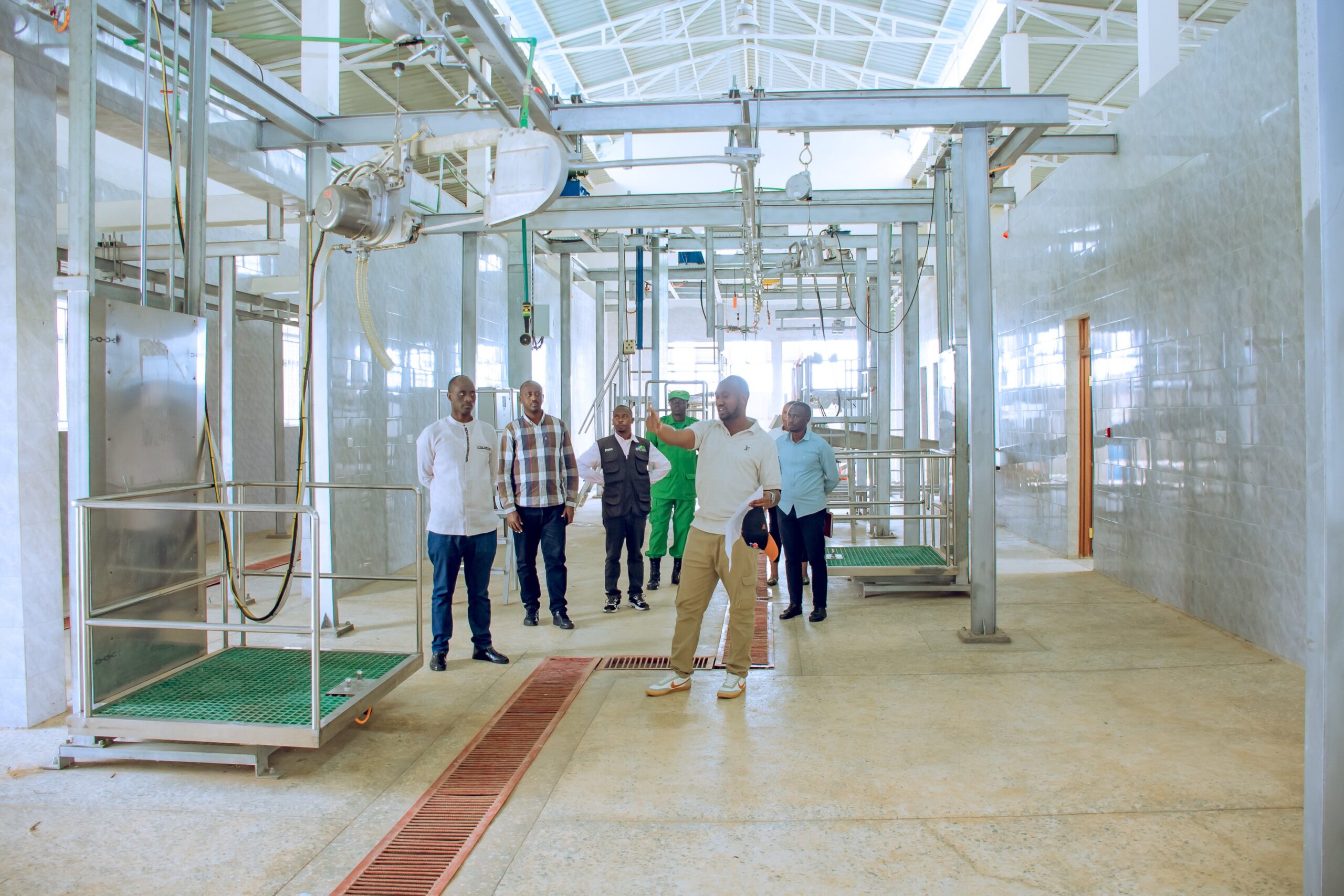
District Engineer Ndacyayisenga J. de Dieu explained that the delay was largely due to the challenge of finding an investor with sufficient technical expertise and financial capacity to manage such a facility. Several applicants, he said, did not meet the required standards.
Nyagatare District Mayor Kakooza Henry has urged all stakeholders to expedite the remaining preparations so that the abattoir can begin providing services as soon as possible.
He noted that discussions are ongoing to address operational needs, including staff training, some of which may take place in Ethiopia. The district is also considering relocating slaughtering activities from an older, non-compliant abattoir to the new facility.
Built on 1.5 hectares, with an additional four hectares reserved for auxiliary activities, the abattoir is expected to serve not only Nyagatare but neighboring areas as well.
Initially, livestock will be sourced locally, with plans to expand procurement as demand grows.
Nyagatare District hosts one of the country’s busiest livestock markets, trading between 800 and 1,000 cattle every week, a supply base expected to support the abattoir’s full-scale operations once activities commence.