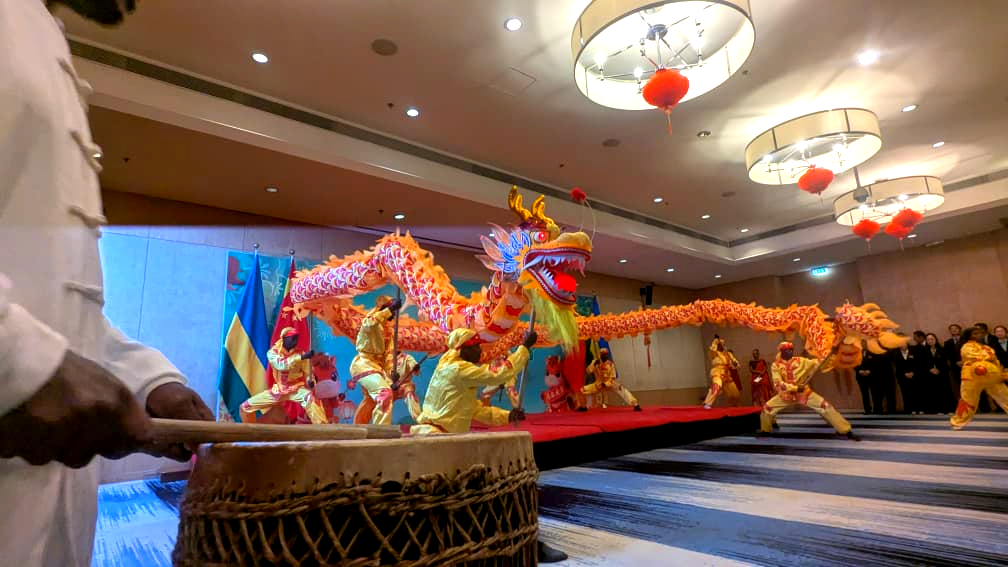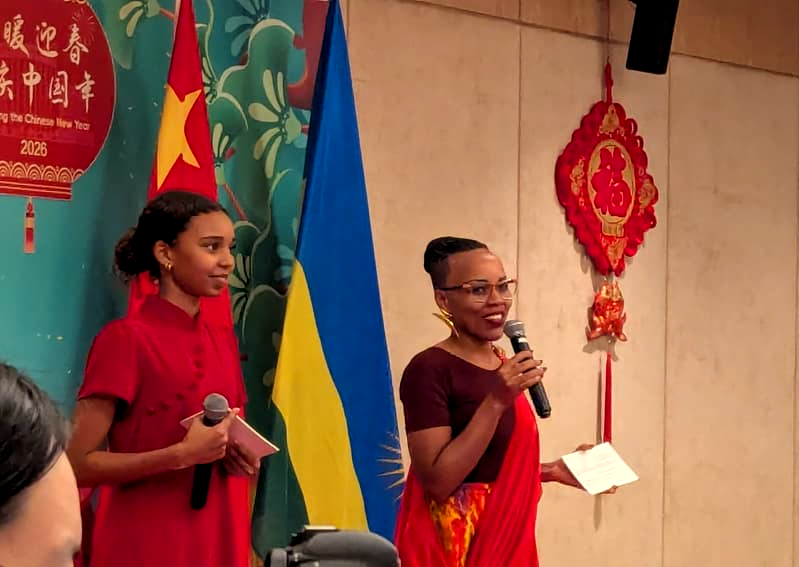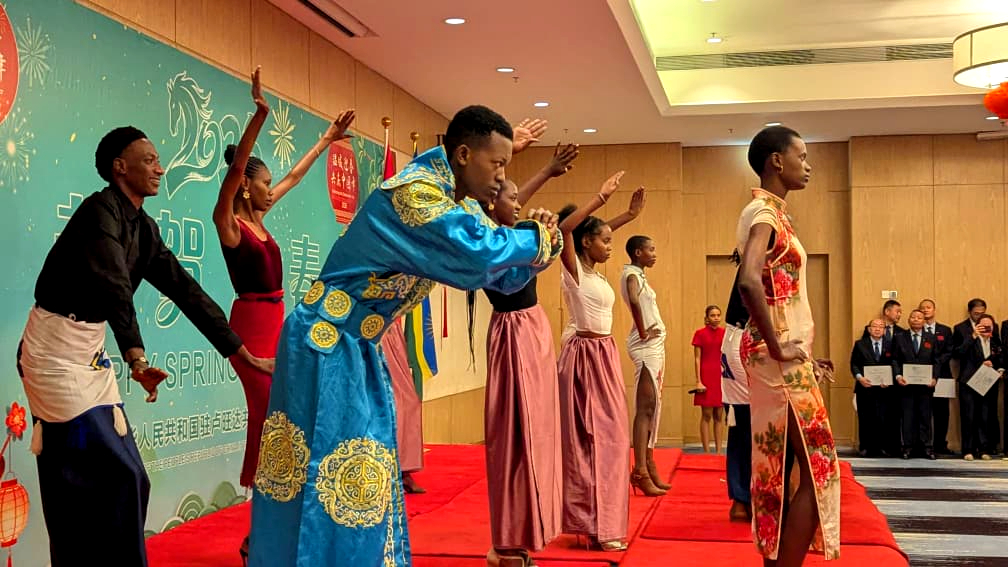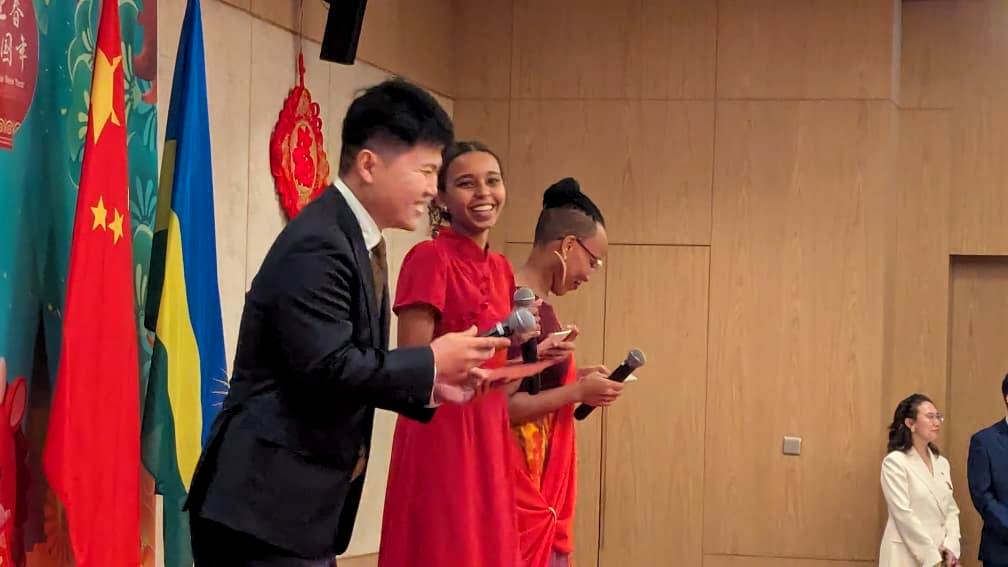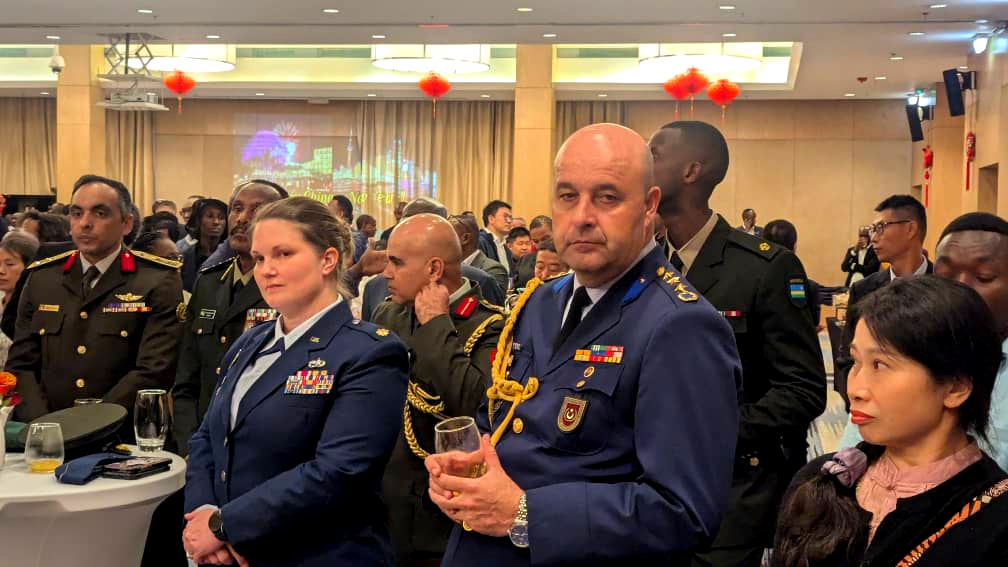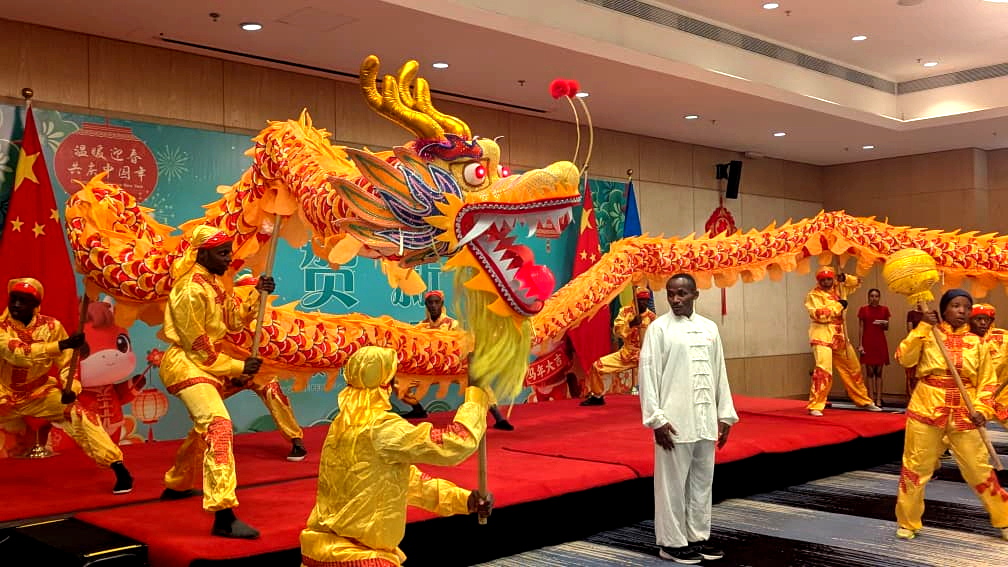
Rwanda performance the dragon move during the Lunar New Year 2026 in Kigali, Photo: Daniel Sabiiti
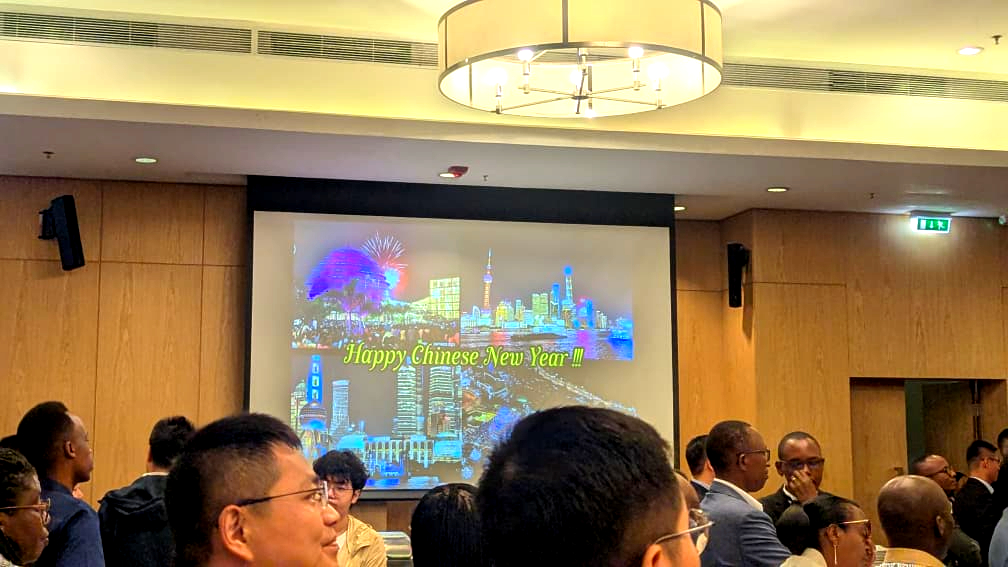
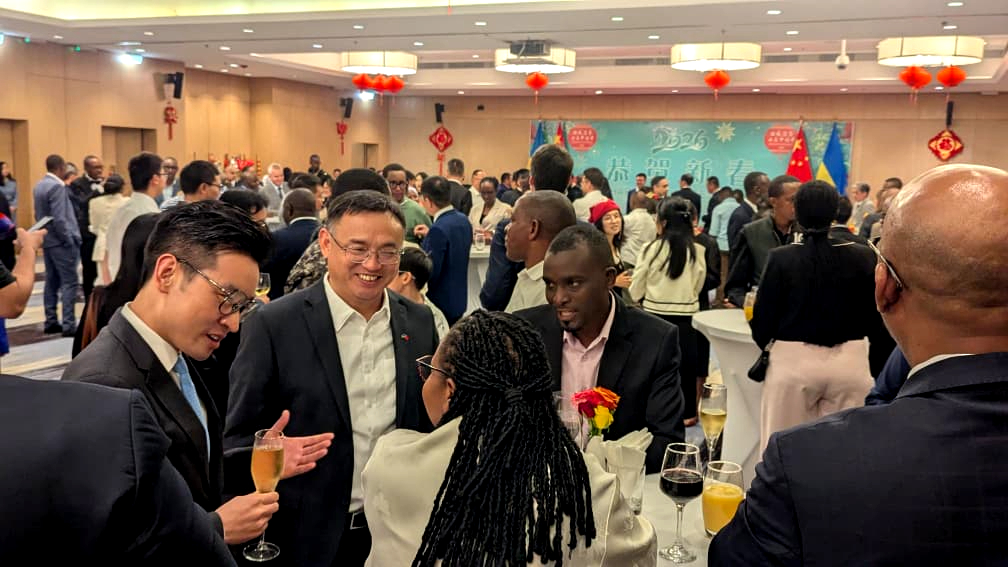
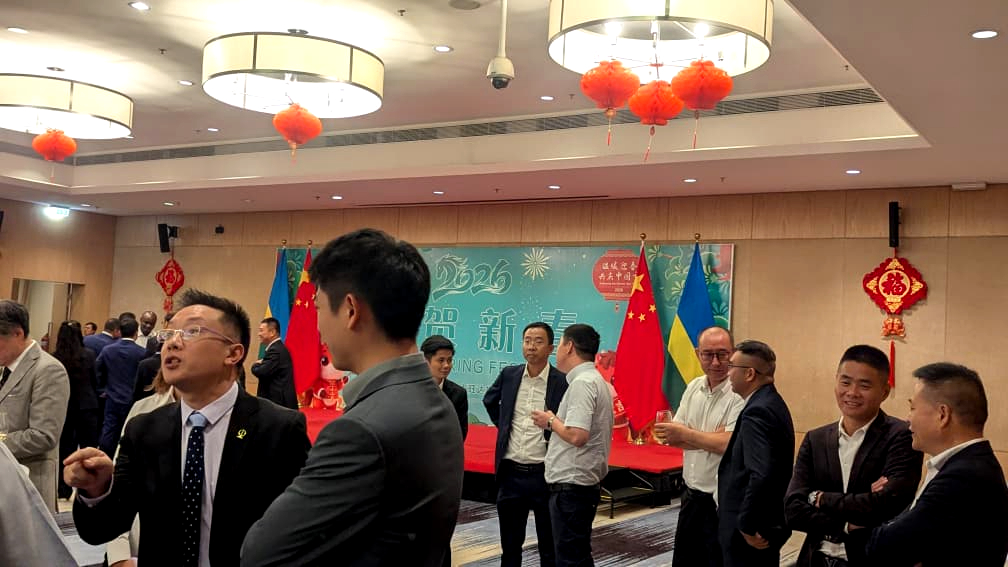
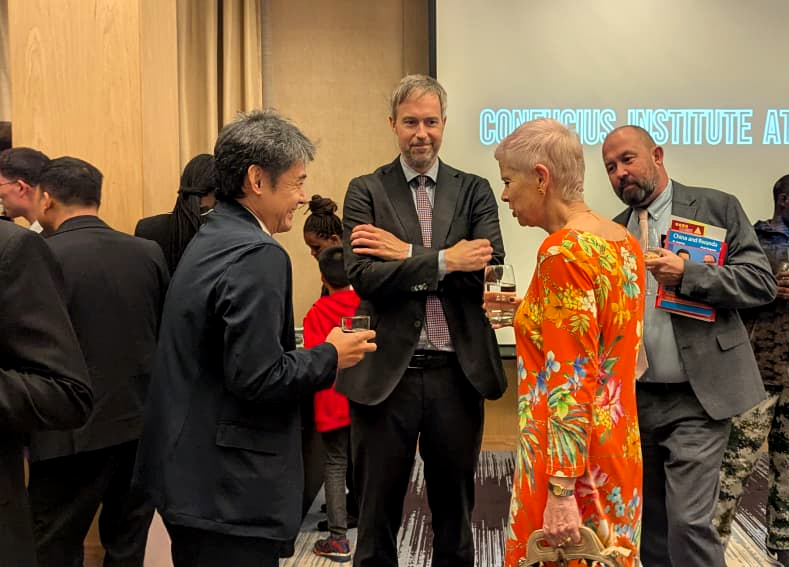
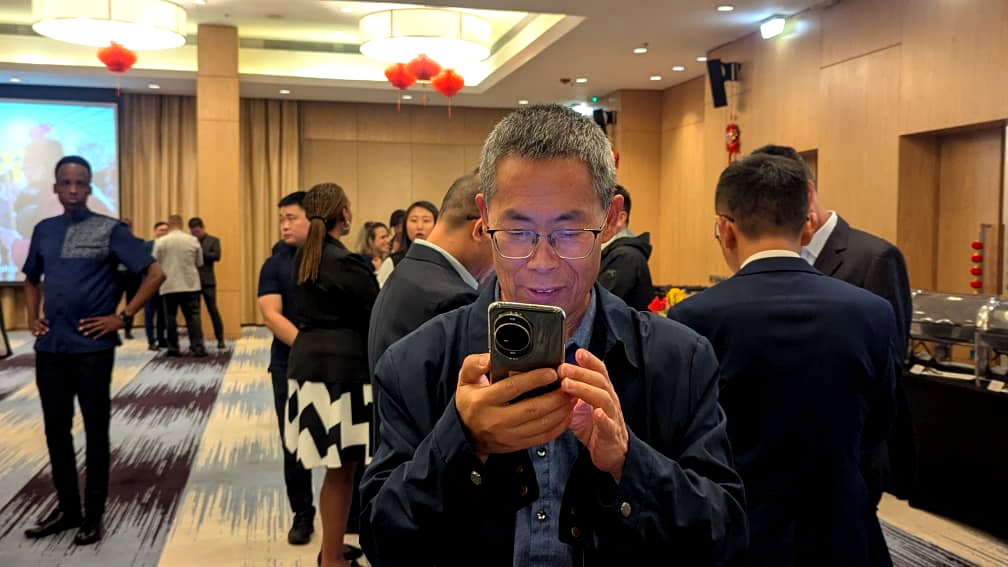
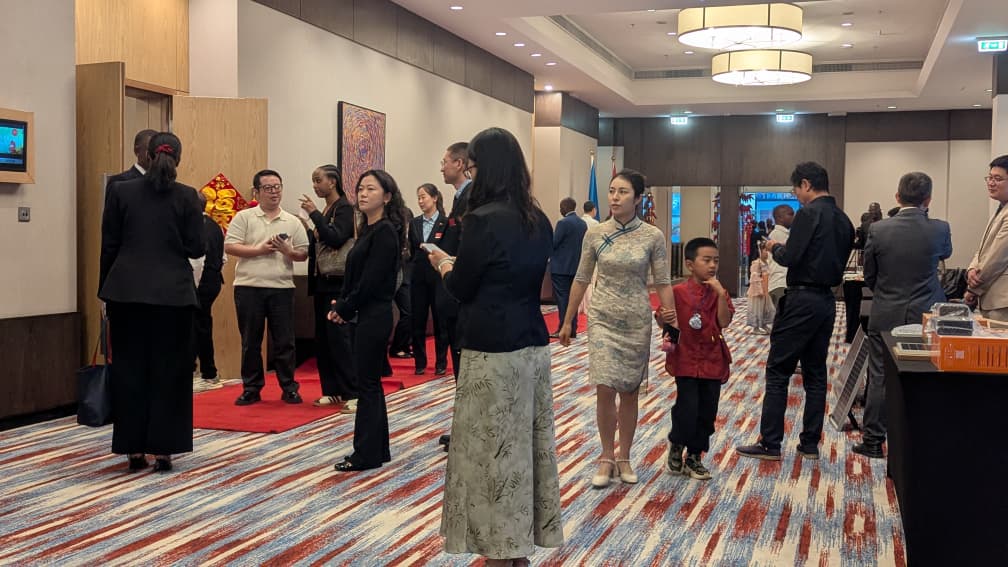
KIGALI — The Chinese community in Rwanda has celebrated the Lunar New Year 2026 while officially welcoming a new China Medical Team (CMT), marking the continuation of a 45-year medical exchange programme between China and Rwanda.
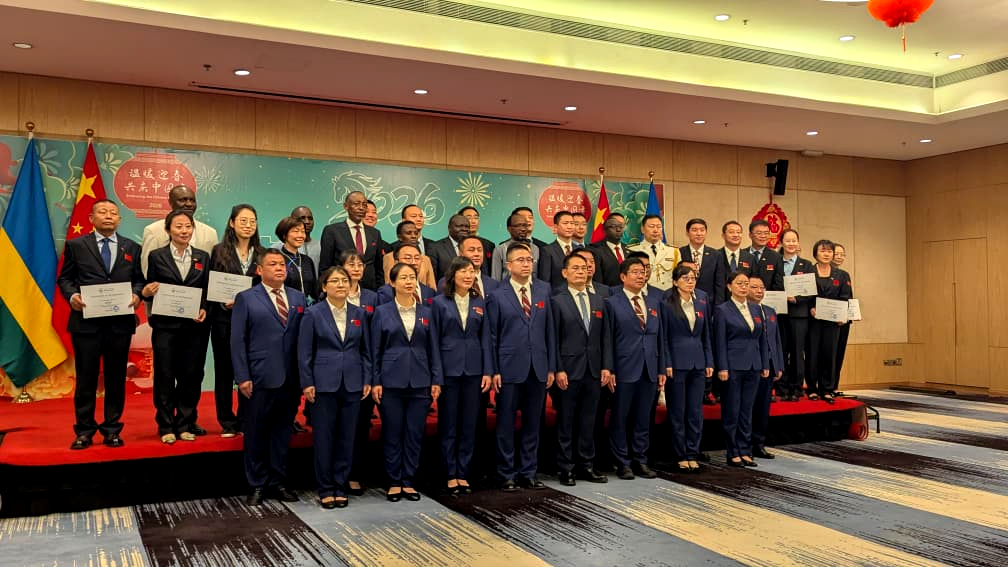
The team of 19 medical professionals from China’s Inner Mongolia Autonomous Region was received on January 22 in Kigali during celebrations that reflected on decades of achievements under the people-to-people cooperation between the two countries, founded on brotherhood and mutual respect.
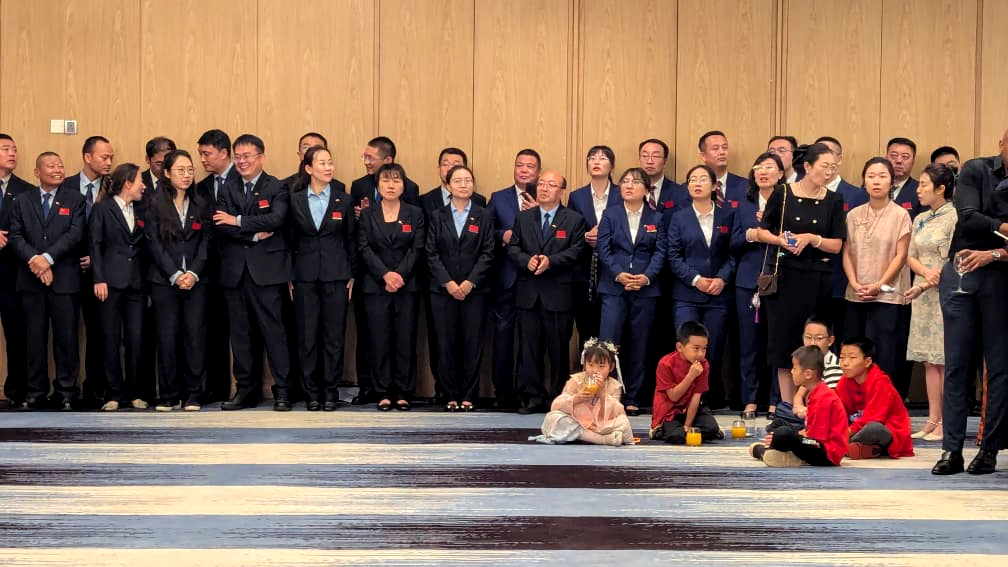
The newly arrived medics, who spent two months studying Kinyarwanda to enhance communication with local colleagues and patients, will be deployed to Kibungo and Masaka hospitals, where previous Chinese teams have served across various health departments.
Speaking at the event, Chinese Ambassador to Rwanda, Gao Wenqi, described the occasion as a symbol of a profound and multi-dimensional friendship between the two nations.
He noted that the 45 years of uninterrupted service by Chinese medical teams, and the continued arrival of new professionals, demonstrates China’s firm commitment to Rwanda.
“This friendship thrives on strong economic, trade, and investment cooperation,” Ambassador Gao said, citing landmark projects such as the Masaka Hospital, Nyabarongo Hydropower Plant, and the Smart Education initiative. He added that China’s zero-tariff policy for Africa is expected to boost exports of Rwanda’s high-quality agricultural products to the Chinese market.
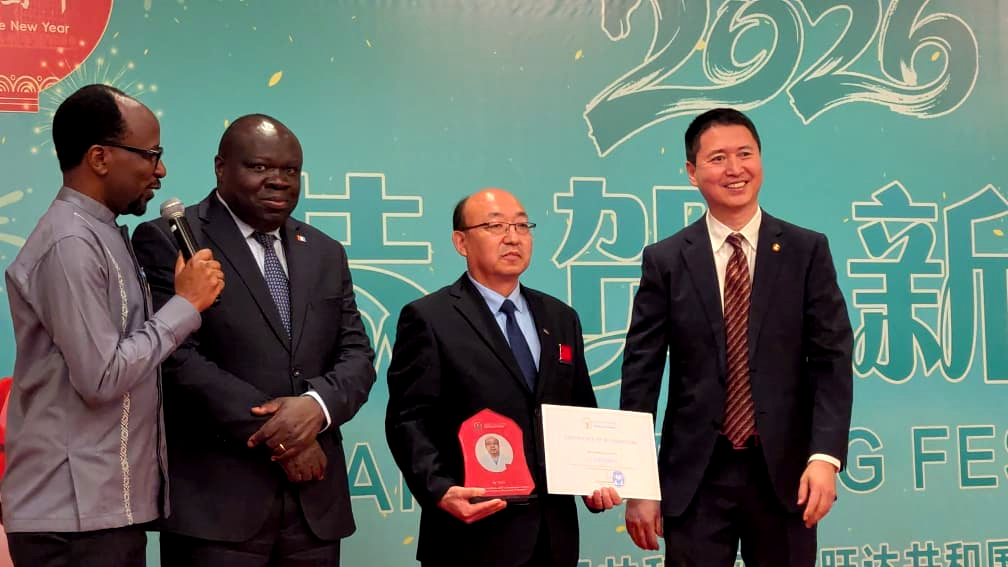
Amb. Gao Wenqi (right) and RPF Inkotanyi Party Secretary General, Christophe Bazivamo (2nd left) handed the recognition award to Li Junsheng (middle)
Highlighting the medical cooperation, the ambassador said the Chinese medical teams stand as “a powerful testament to the deep bonds between our peoples,” noting their dedication despite challenges and honoring one medic who lost his life while serving in Rwanda.
“This year, more doctors and nurses have arrived, elevating China–Rwanda health cooperation to new heights,” he said, inviting applause for the outgoing 25th contingent and extending a warm welcome to the 26th.
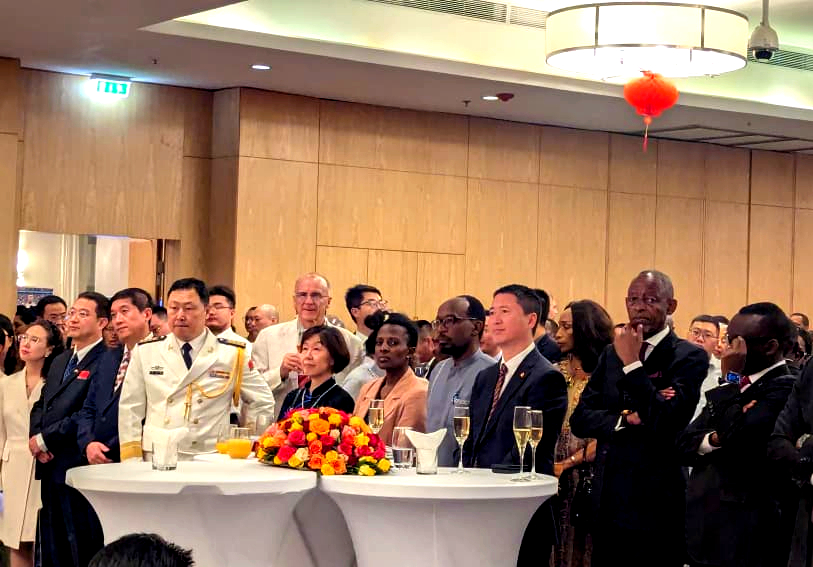
Ambassador Gao also referenced President Paul Kagame’s commitment to deepening bilateral ties, noting that the celebrations coincide with the 55th anniversary of diplomatic relations between Rwanda and China.
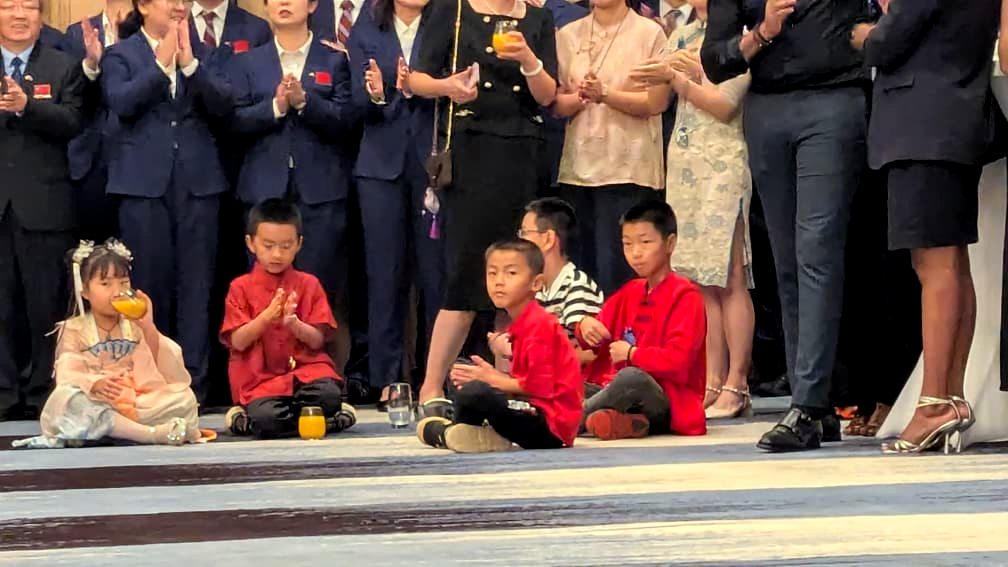
The event doubled as a cultural reunion, aligning with the Spring Festival—a time of family, reflection, and renewal. Ambassador Gao underscored shared historical experiences between China and Rwanda, including struggles against colonization and exploitation, which have shaped their common pursuit of self-determination and development.
He drew parallels between Rwanda’s Liberation Trail and China’s Long March, describing both as journeys marked by courage, unity, and resilience.
He further highlighted cultural ties, noting that both China’s Spring Festival and Rwanda’s Intore dance are inscribed on UNESCO’s Representative List of the Intangible Cultural Heritage of Humanity.
This year also marks the China-Africa Year of People-to-People Exchange. Quoting President Xi Jinping, Ambassador Gao emphasized the long-standing cultural exchanges between the two civilizations as a foundation for China-Africa friendship.
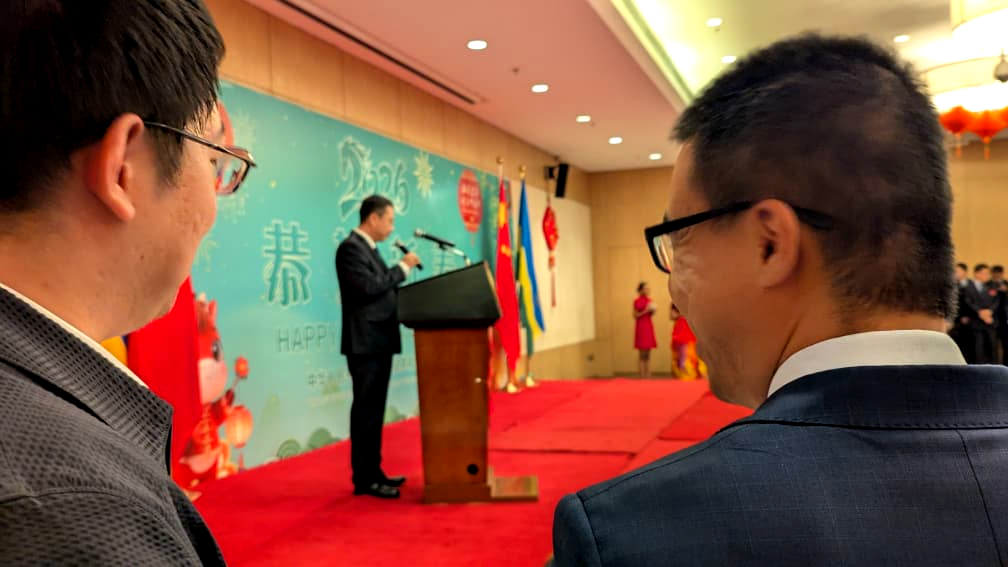
Inner Mongolia Health Commission Director of the Medical Administration Department , Dr. Asileng revealed that since 1982, the region has dispatched 26 medical teams to Rwanda, totaling 343 personnel. Over the years, the teams have treated more than 730,000 patients, performed over 40,000 surgeries, and rescued more than 16,400 critically ill patients.
He cited recent milestones, including the elevation of China–Rwanda relations to a comprehensive strategic partnership at the 2024 Forum on China-Africa Cooperation (FOCAC) Beijing Summit and the establishment of the China-Africa Hospital Alliance in 2025.
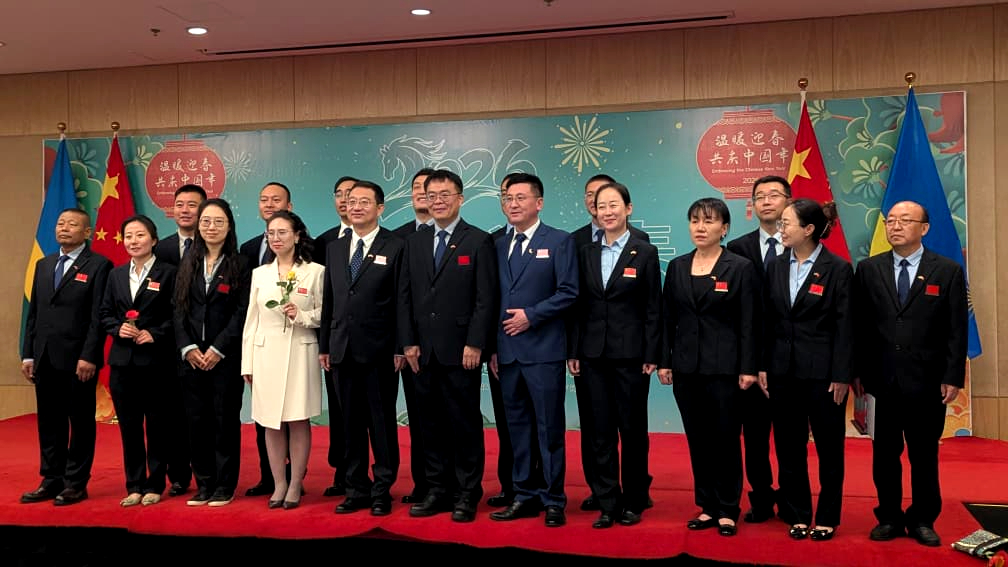
Dr. Asileng highlighted capacity-building efforts by the outgoing 25th medical team, which conducted 67 technical training sessions, four large-scale free medical clinics benefiting over 2,000 Rwandans, and seven health education programs.
Looking ahead, he said the Inner Mongolia Health Commission will continue supporting sustainable healthcare development in Rwanda through training, short-term specialized medical missions, and long-term capacity building, with the aim of creating “a medical team that will never leave.”
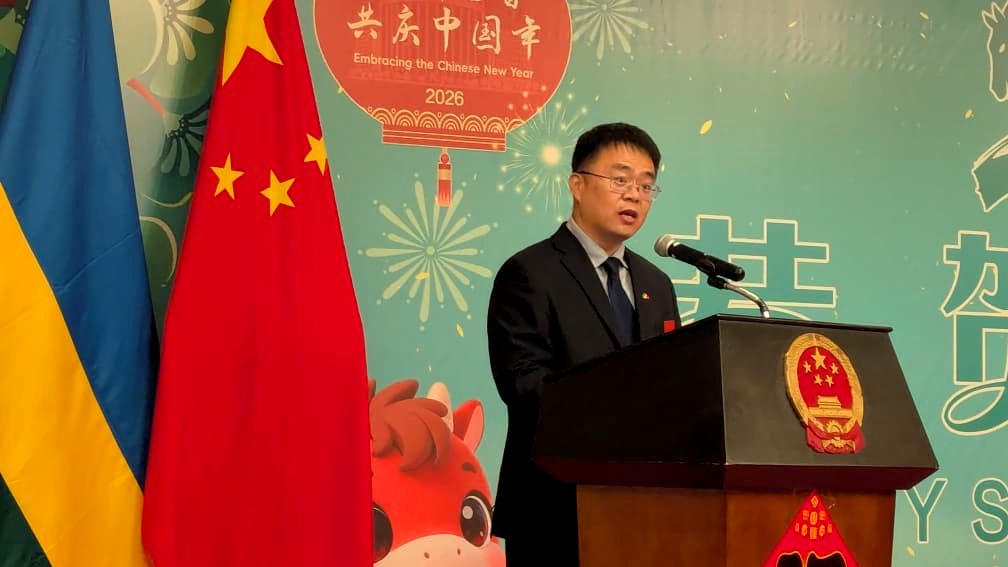
Representing the outgoing 25th CMT, Dr. Wang Yongxiang said the team worked closely with Rwandan counterparts in clinics, operating rooms, and wards, focusing on transferring skills and technologies that would have lasting impact.
“One year of working and living here has been deeply rewarding,” he said. “We will return to China with great affection for Rwanda.”
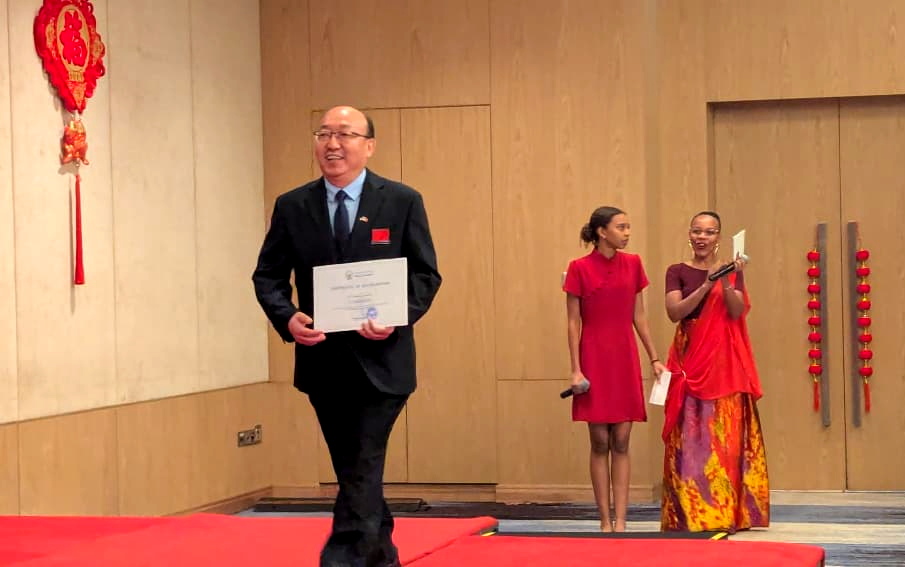
Li Junsheng matching on strong
Ministry of Health Permanent Secretary, Jean Marie Vianney Ndayizigiye, said that Chinese people are known in the villages of Rwanda because of their services to the people.
On behalf of the government, he appreciated the exceptional medical team, which he said has served many Rwandans and saved countless lives, but also strengthened Rwanda’s health system.
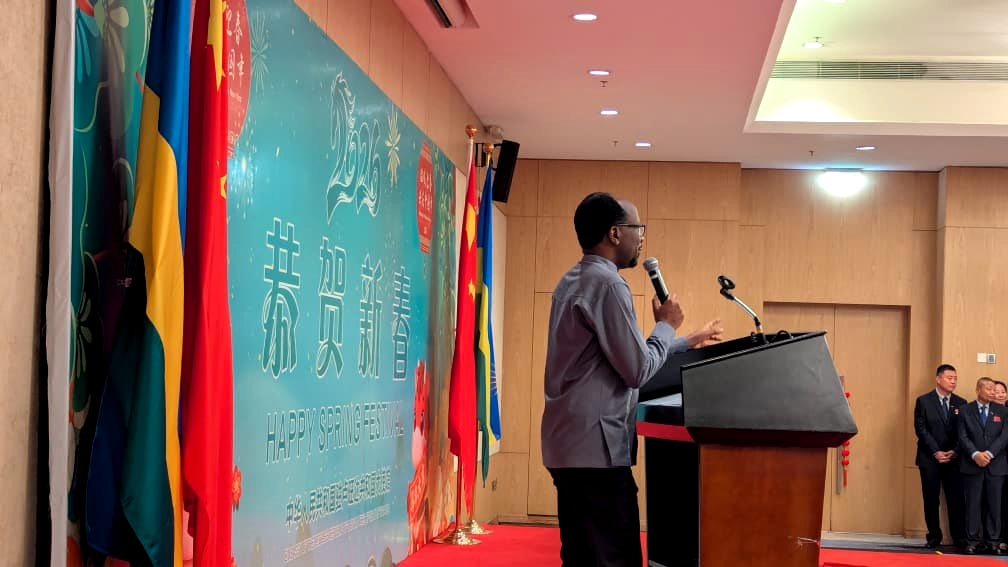
Jean Marie Vianney Ndayizigiye
“This collaboration has brought skills and knowledge sharing, building a more resilient community,” he said. “You are a source of hope for patients, inspiration for doctors, and pride for the nation. Your service is written in the bottom of our hearts.”
During the celebrations, Li Junsheng was recognized as one of the longest-serving medics for his exceptional dedication.
The event also featured a cultural performance by Ilyilana, Head of the Belt and Road Initiative in Rwanda, who sang “What the World Shares with Me” in Mandarin, symbolizing the enduring friendship between the two peoples.
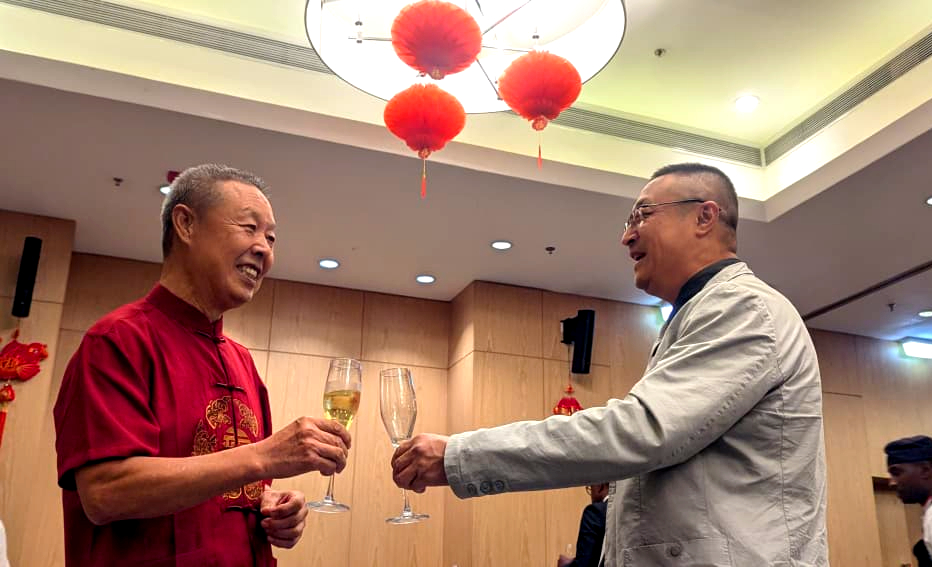
Proposing a toast, Ambassador Gao expressed hope that China–Rwanda relations would continue to advance “with the vitality of the horse,” wishing all guests success and renewed energy in the year ahead.
All Photos: (Daniel Sabiiti)