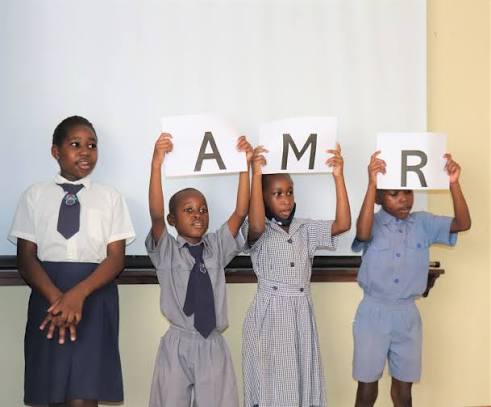
Children are disproportionately affected by antimicrobial resistance, as treatment options tailored for young patients remain limited.
A new global report on antimicrobial resistance (AMR) warns that while some pharmaceutical companies are making progress in developing new treatments, major gaps in access to lifesaving antibiotics persist—particularly in sub-Saharan Africa, where drug-resistant infections continue to claim hundreds of thousands of lives each year.
The 2026 Antimicrobial Resistance Benchmark, released on March 10 by the Access to Medicine Foundation, evaluates how 25 pharmaceutical companies are responding to the growing threat of drug-resistant infections and improving access to essential antimicrobials in low- and middle-income countries.
The report highlights “pockets of progress” but warns that global efforts remain far below what is needed to address what is widely considered one of the most serious threats to public health.
“We can tilt the battle against superbugs in humanity’s favour. Our findings show practical approaches that can accelerate progress on all fronts,” said Jayasree K. Iyer, CEO of the Access to Medicine Foundation.
Drug-resistant infections remain particularly deadly in Africa
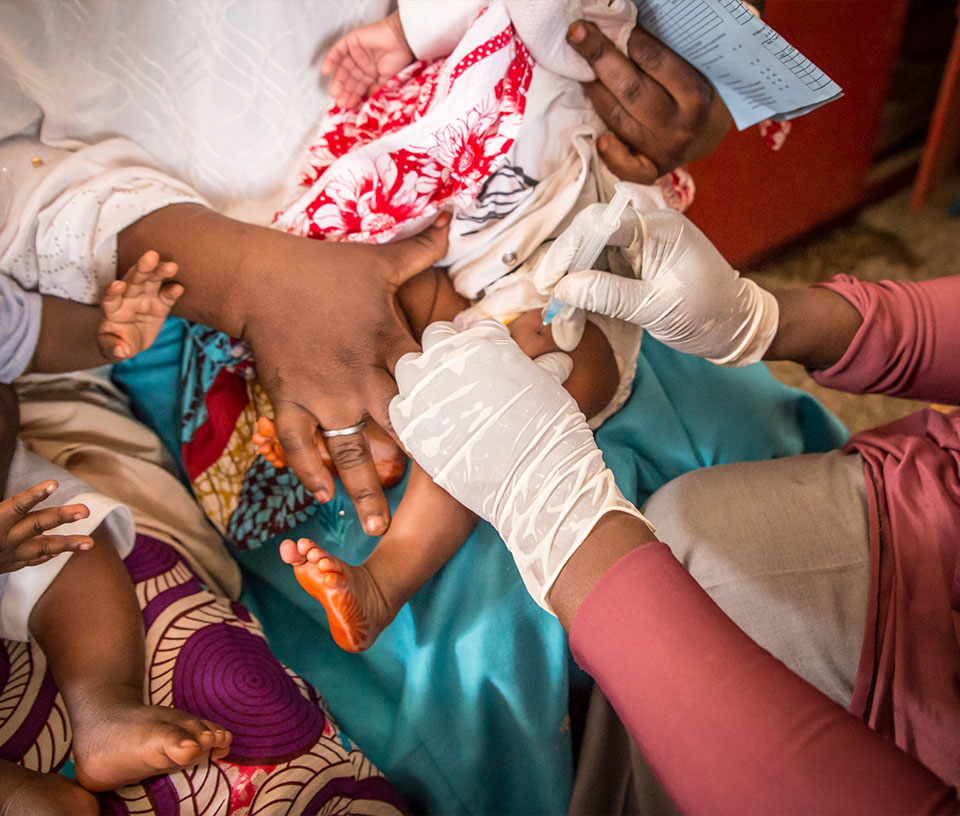
Health experts say the shortage of child-friendly antibiotics is putting young patients at greater risk of drug-resistant infections.
According to estimates cited in the report, bacterial antimicrobial resistance was associated with about 1.05 million deaths in the WHO African Region in 2019, including roughly 250,000 deaths directly caused by drug-resistant infections.
The burden is compounded by limited access to effective antibiotics and delays in introducing new medicines in low- and middle-income countries.
Globally, more than one million people die each year directly from drug-resistant infections, while AMR contributes to over four million deaths annually. Without stronger action, deaths linked to AMR could rise sharply by 2050.
Shrinking Pipeline for New Antibiotics
The Benchmark also highlights a worrying decline in the development of new antimicrobial medicines.
Over the past five years, the number of antibiotic pipeline projects among the major pharmaceutical companies assessed in the report dropped 35 percent—from 92 projects in 2021 to 60 in 2026.
However, the report identifies seven promising late-stage projects targeting some of the world’s most dangerous drug-resistant pathogens. These are being developed by companies including GSK, Otsuka Pharmaceutical and Shionogi, alongside several smaller biotechnology firms.
Some of these medicines could significantly improve treatment options for infections such as multidrug-resistant tuberculosis, invasive fungal infections and resistant bacterial diseases—provided they are made accessible in lower-income countries.
Recent regulatory approvals of two antibiotics—gepotidacin and zoliflodacin—also mark the first new oral treatment options for gonorrhoea in decades.
Children Face the Biggest Treatment Gap
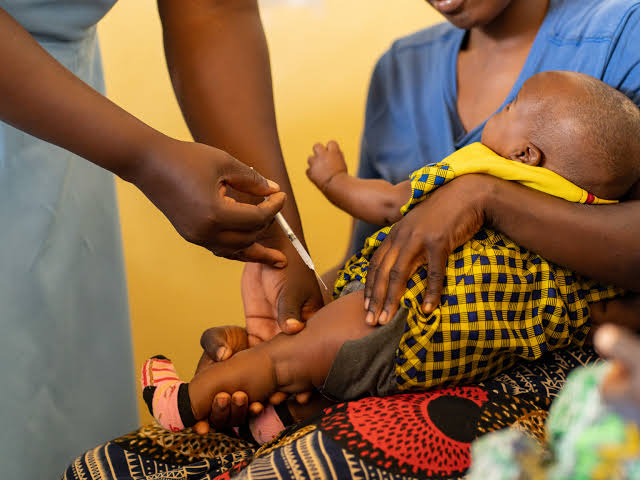
A new global report warns that children under five face major treatment gaps due to the lack of pediatric antibiotic formulations.
Despite these advances, the report notes that children remain especially vulnerable to drug-resistant infections.
Only 14 percent of antibiotic projects currently in development target children under the age of five, leaving a major gap in treatment options for young patients.
Access to child-friendly formulations of existing antibiotics is also limited. In 17 countries in sub-Saharan Africa, none of the companies assessed by the Benchmark have registered pediatric versions of key antimicrobial medicines.
Health experts warn that the lack of suitable treatments can lead to the use of suboptimal medicines—putting children at risk while accelerating the development of resistance.
“We see a lack of innovation for children’s cases, with only five projects, three of which are adaptations from adult programmes. This is a problem because they rarely reach the wider population,” said Claudia Martínez, Director of Research at the Access to Medicine Foundation.
According to the report, South Africa and Namibia are currently the only African countries where pediatric versions of these medicines are registered.
Call for Stronger Global Cooperation

Beyond innovation, the Benchmark stresses the importance of ensuring antibiotics are available, affordable and used responsibly.
The report found that some companies are improving practices such as monitoring antibiotic waste from manufacturing sites and tracking how many patients in low-income countries actually receive their medicines.
However, overall performance among pharmaceutical companies has declined since the previous benchmark in 2021, highlighting the need for stronger and more coordinated action.
“From research and development through manufacturing, to access, stewardship and measuring real-world patient reach, the Benchmark shows the potential for companies to adopt more comprehensive approaches,” Martínez said. “But we need intensified, industry-wide action.”
Experts say tackling antimicrobial resistance will require coordinated efforts by governments, pharmaceutical companies and global health organisations.
Stronger national policies, improved access planning and sustainable incentives for antibiotic development are essential to ensure lifesaving treatments reach the regions most affected by drug-resistant infections—especially in Africa.
Without such efforts, the report warns, millions of people could be left without effective treatment as existing antibiotics lose their effectiveness against increasingly resistant bacteria.