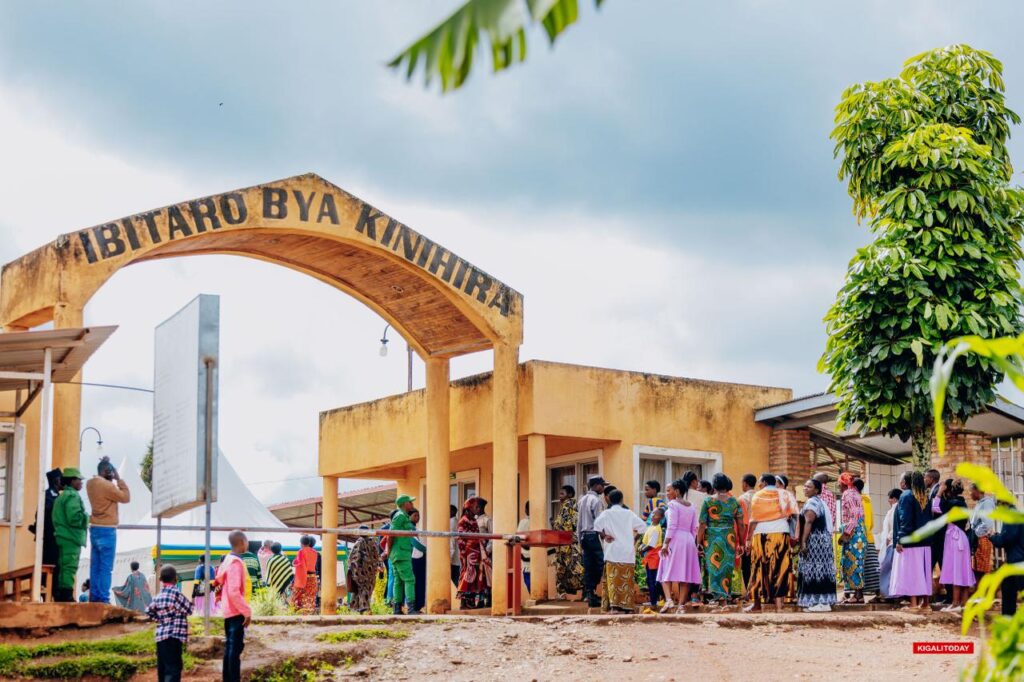
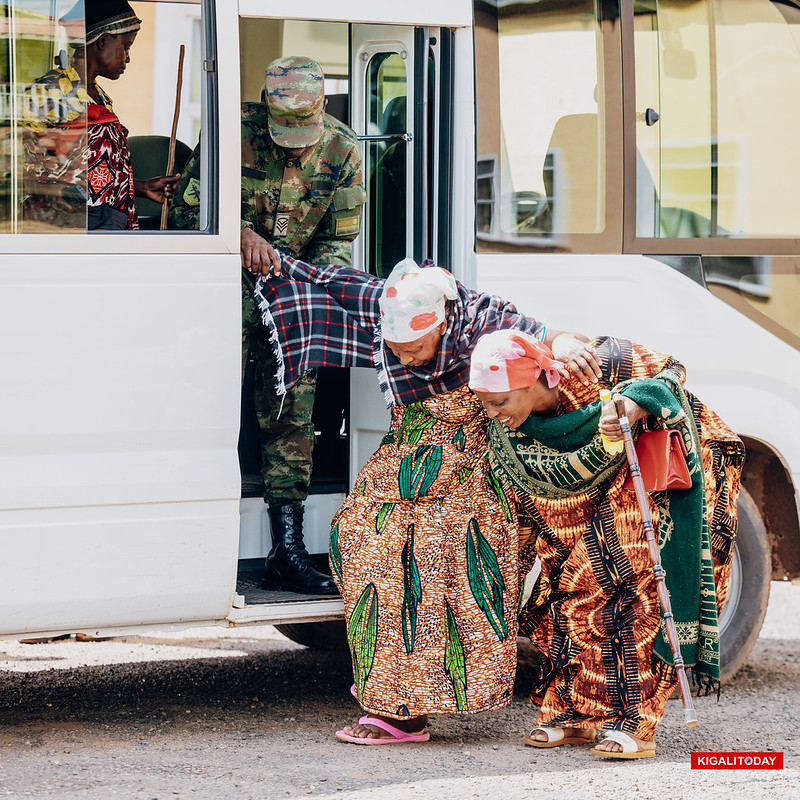
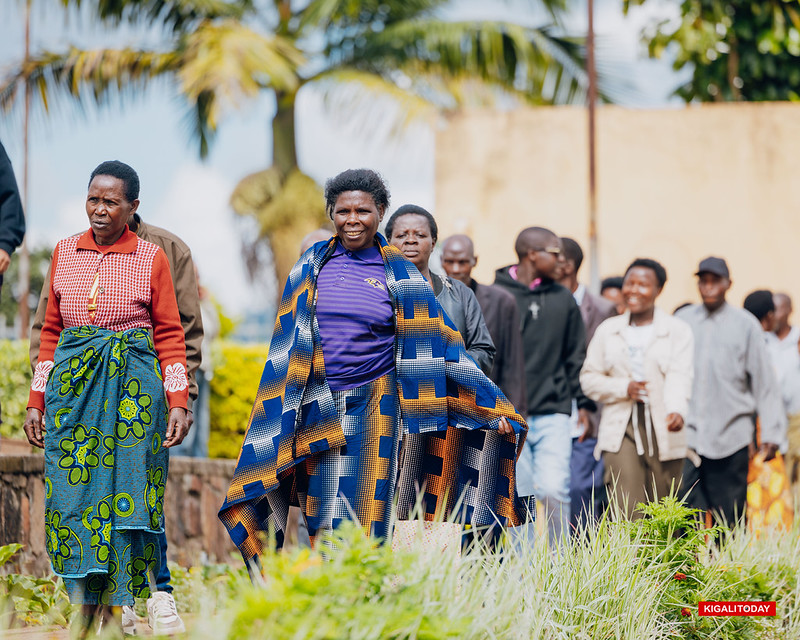
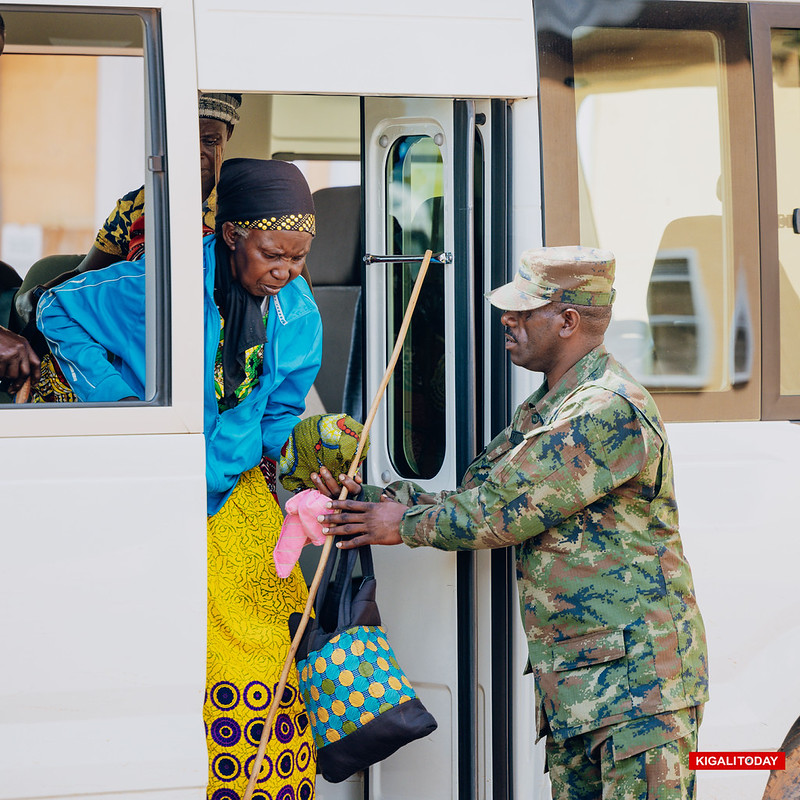
Residents arrive at Kinihira Hospital in Rulindo district at the launch of the RDF Citizen Outreach Program 2026.
KIGALI — Preventable blindness remains a major public health challenge in Rwanda, particularly among vulnerable communities where access to specialised eye care is still limited. Many patients lose their sight not because treatment is unavailable, but because they seek medical attention too late.
To address this challenge, the Rwanda Defence Force (RDF), in partnership with The Fred Hollows Foundation and the Ministry of Health, has launched a nationwide eye care campaign that aims to perform at least 6,000 cataract surgeries over the next three months.
The initiative was launched at Kinihira Hospital in Rulindo District as part of the 2026 RDF Citizen Outreach Programme.
Under the campaign, medical teams will conduct screening, treatment and surgery for patients with cataracts and other vision-related conditions in all 30 districts of the country.
Officials say the programme is expected to significantly reduce cases of avoidable blindness while bringing specialised eye care services closer to underserved communities.
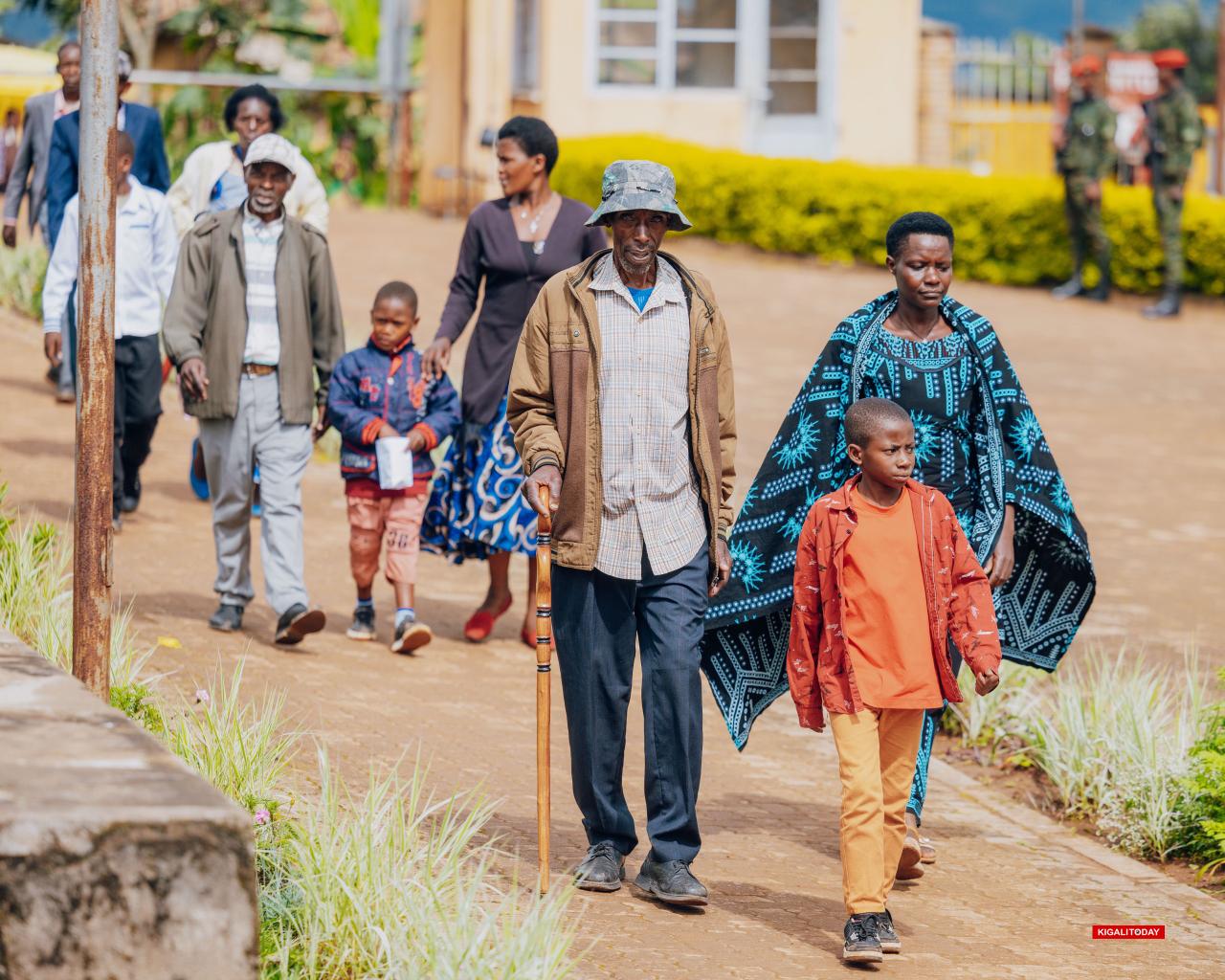
The RDF nationwide eye treatment campaign is free for everyone, both young and old.
Tackling Rwanda’s Burden of Preventable Blindness
According to Tiva Kananura, Country Director of The Fred Hollows Foundation in Rwanda, cataracts remain one of the leading causes of avoidable blindness in the country.
“Research shows that about 57 per cent of avoidable blindness in Rwanda is caused by cataracts,” Kananura said.
Although cataract surgery takes only about 15 minutes, many people do not seek treatment because health facilities are far away, awareness remains low and some communities still fear undergoing surgery.
Kananura said the Foundation’s partnership with the Rwanda Defence Force (RDF) has played a key role in mobilising patients and expanding access to treatment in communities where specialised eye care services remain limited.
“Underserved and vulnerable communities are often frightened when you talk about surgery, but this treatment is truly life-changing. We are not just focused on numbers; we are committed to delivering high-quality cataract surgeries,” she said.
She noted that Rwanda continues to face a shortage of ophthalmologists and specialised eye health professionals. To address this gap, The Fred Hollows Foundation is working with the Rwanda Ophthalmology Society to ensure qualified surgeons are deployed where they are most needed.
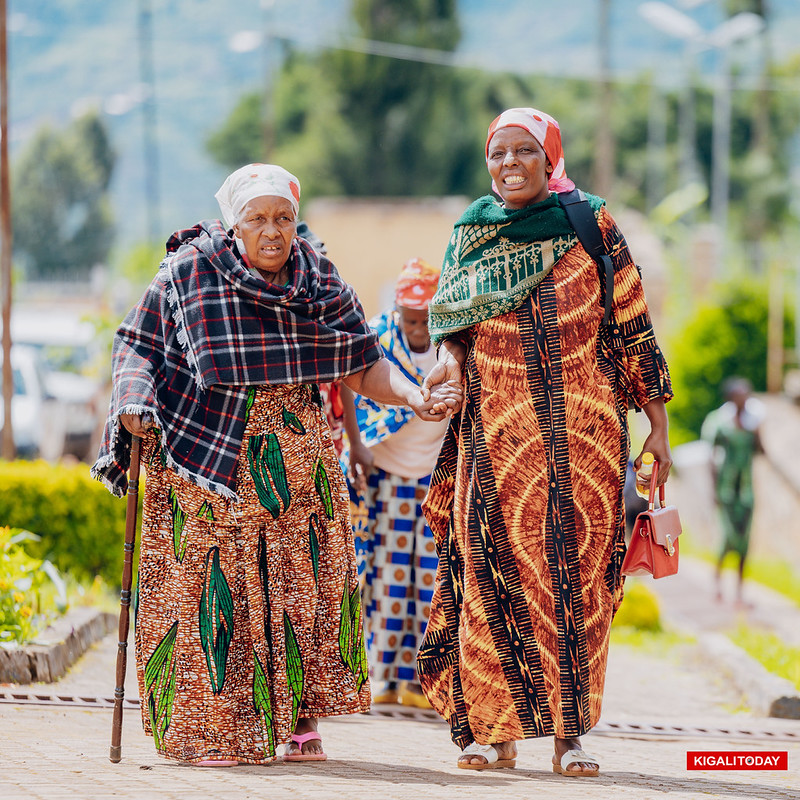
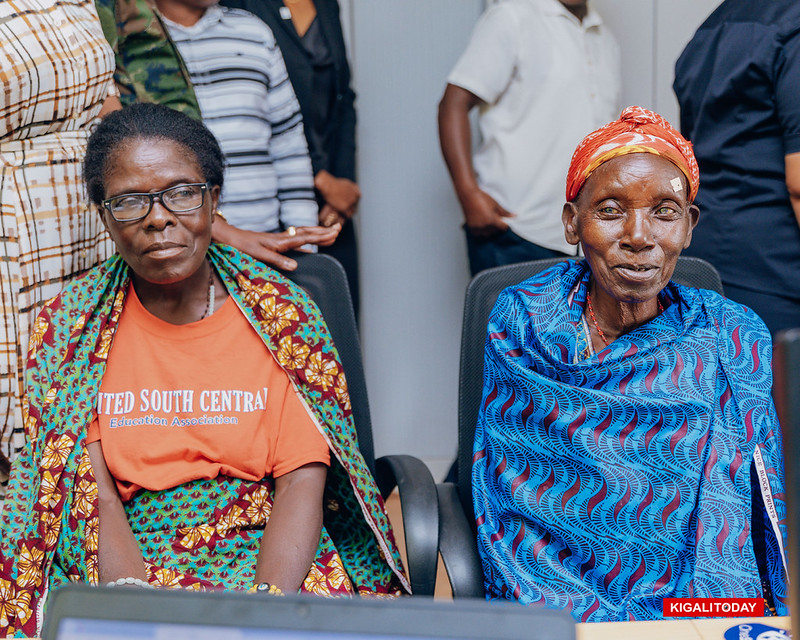

Beyond the current outreach campaign, Kananura said the Foundation is supporting Rwanda’s eye health system through infrastructure improvements, equipment provision and training programmes designed to strengthen long-term service delivery.
“We are supporting the government’s efforts to increase human resources for eye health in Rwanda. This campaign does not end when the surgeries are completed,” she said.
RDF Expands Specialized Community Healthcare
The latest campaign highlights the Rwanda Defence Force’s (RDF) growing role in delivering specialised healthcare through the Defence and Security Citizen Outreach Programme, which has expanded steadily since its launch in 2009.
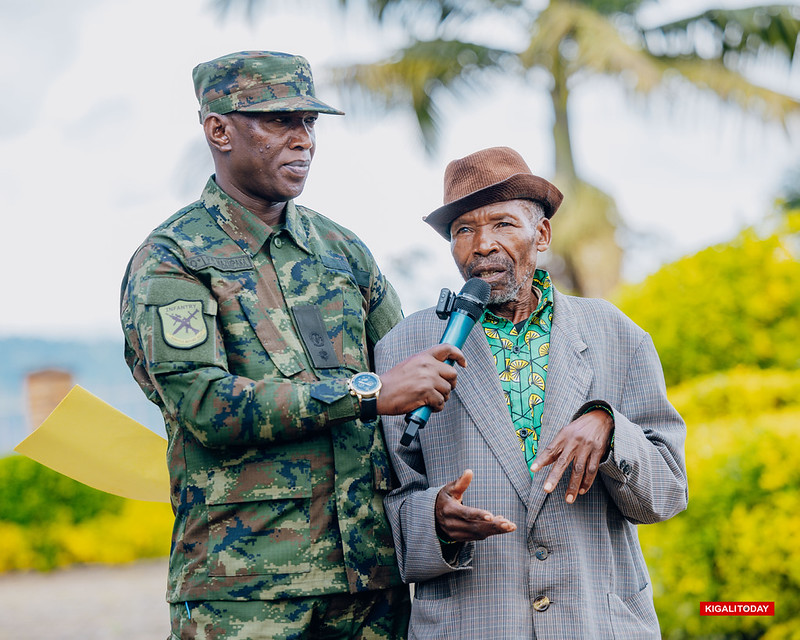
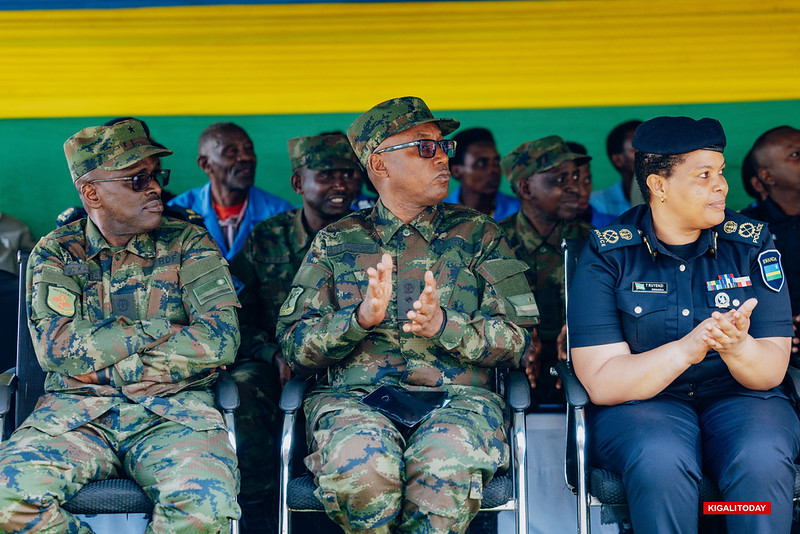
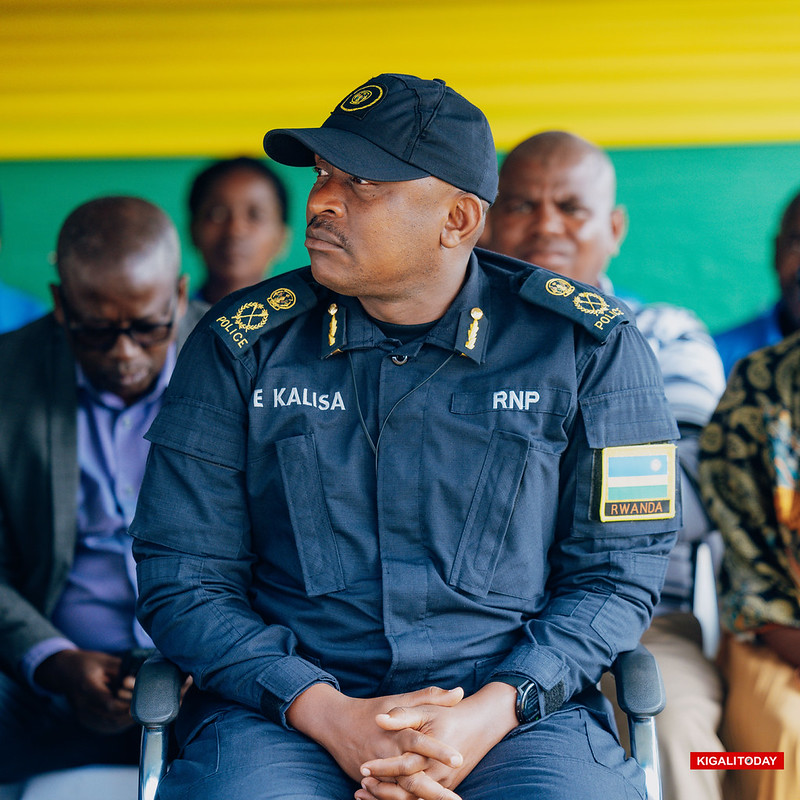
Brig. Gen. Dr. John Nkurikiye, Deputy Chief of Staff for Military Health Services, said this year’s eye care initiative is one of the largest specialised medical outreach programmes undertaken by the RDF.
“We have begun the campaign and will continue over the next three months, working across all 30 districts of the country,” he said.
“Our target is to operate on about 6,000 people, which translates to roughly 200 patients per district. Last year, we performed surgery on 3,400 people.”
Nkurikiye said the eye treatment campaign received special emphasis this year after the RDF secured additional resources to expand services nationwide.
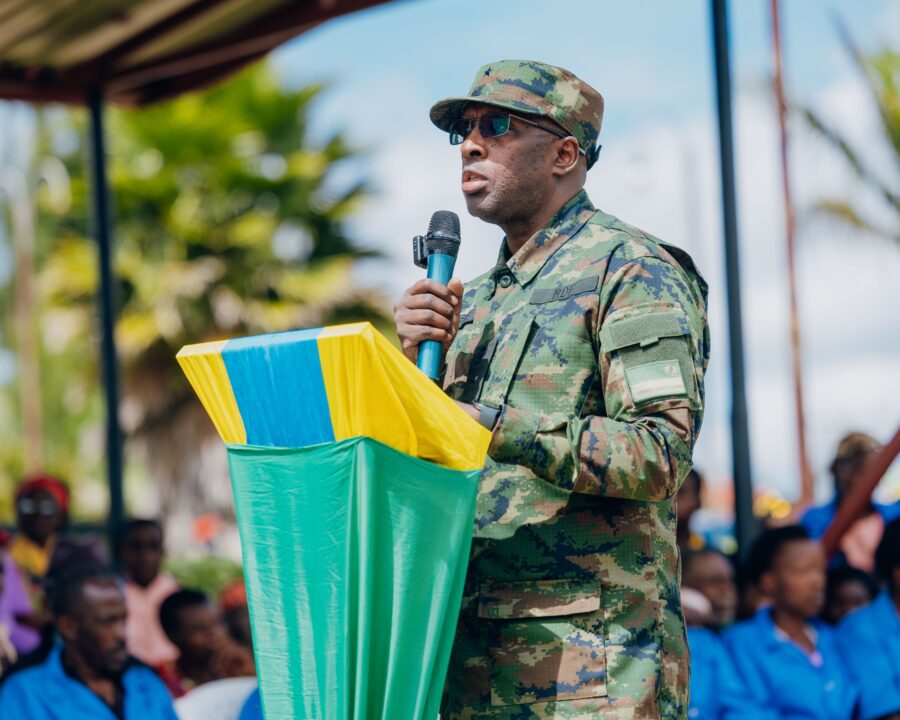
Brig Gen Dr. John Nkurikiye, the Deputy Chief of Staff in charge of Military Health Services addressing residents at the launch of the nationwide eye treatment campaign.
“These services are very costly. On average, treatment for one patient can exceed Rwf1.5 million, but thanks to the combined efforts of the government and its partners, they are provided free of charge,” he said.
Each year, from March to June, the Rwanda Defence Force (RDF) carries out a wide range of outreach activities, including orthopaedic treatment, dental care, dermatology services, general consultations and surgical procedures.
“What began as a one-week outreach exercise was later expanded after we realised that many more people still needed these services,” Nkurikiye said.
“That is why we partnered with the Rwanda National Police and other institutions to strengthen and scale up the programme each year.”
Early Treatment Remains Key to Preventing Blindness

Jean Marie Vianney Ndayizigiye, the Permanent Secretary at the Ministry of Health, said Rwanda has continued expanding eye healthcare services.
The Ministry of Health says delayed treatment remains one of the biggest challenges in tackling avoidable blindness in Rwanda.
Jean Marie Vianney Ndayizigiye, Permanent Secretary at the Ministry of Health, said that while Rwanda has significantly expanded access to eye care services, many patients still seek treatment only after their condition has worsened.
“The World Health Organization recommends that there should be at least four eye health professionals per one million people. Rwanda is currently at about 2.5,” he said.
“The other challenge is that many patients do not seek medical attention early enough, while some continue to rely on traditional remedies.”
Ndayizigiye said Rwanda now has more than 500 health facilities offering eye care services, supported by over 30 specialised ophthalmologists and eye health professionals.
Northern Province Governor Maurice Mugabowagahunde said public awareness campaigns are helping communities overcome misconceptions about eye treatment and surgery.
“These initiatives are helping to demystify the perception that eye care services are either too expensive or too intimidating,” he said.
As the nationwide campaign rolls out across all 30 districts over the next three months, officials say it has the potential to restore sight to thousands of people while reinforcing the importance of early diagnosis and timely treatment.
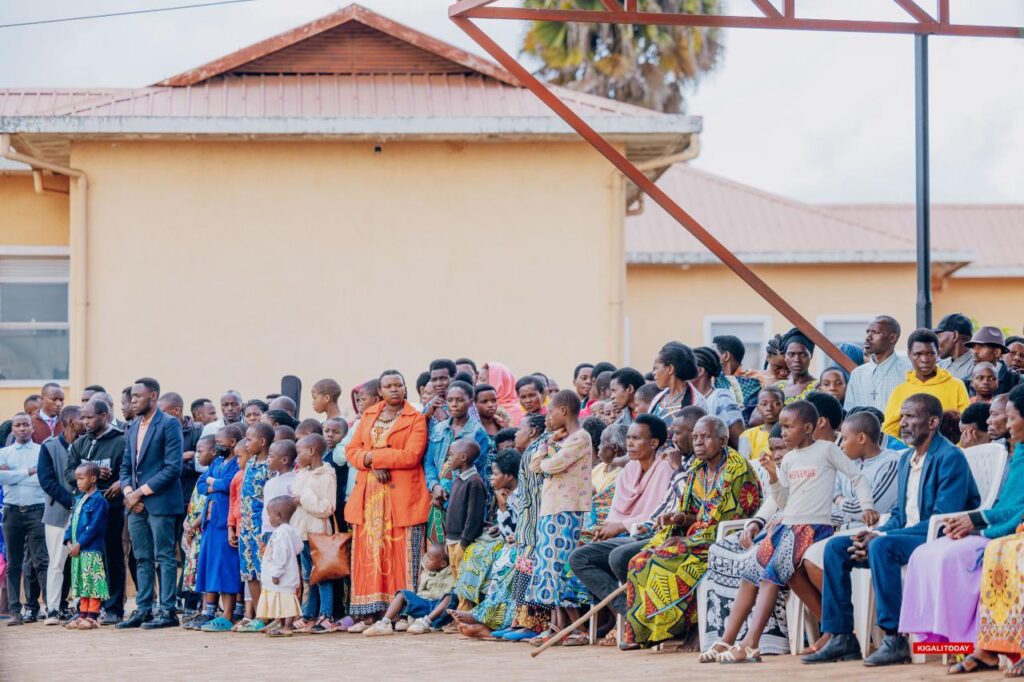
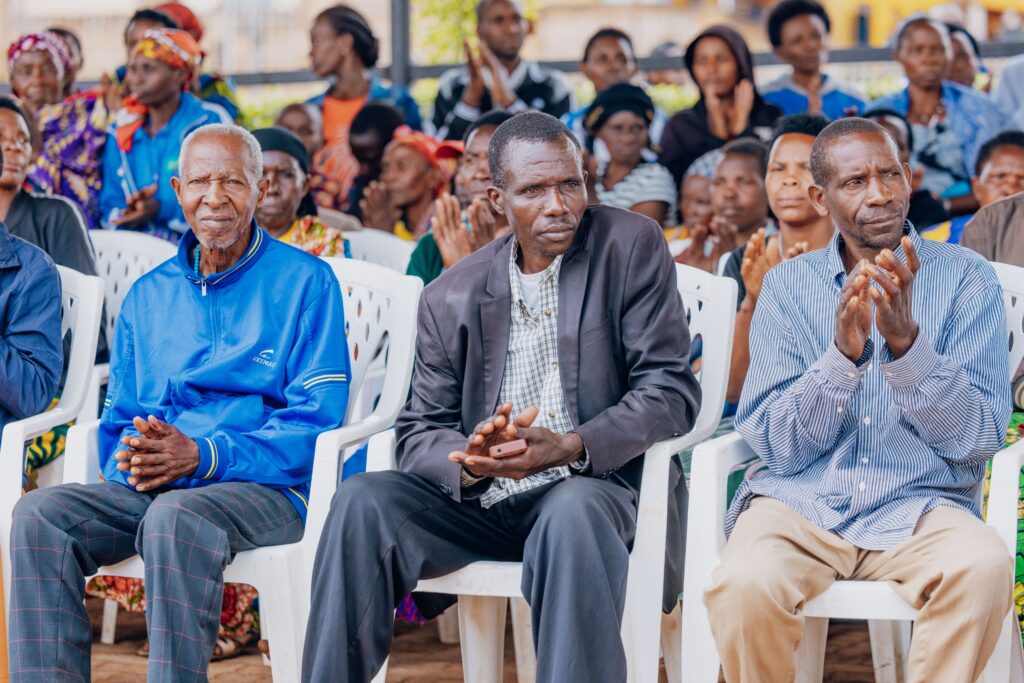
Hundreds of residents attended the Rulindo District under the RDF Citizen Outreach Program.
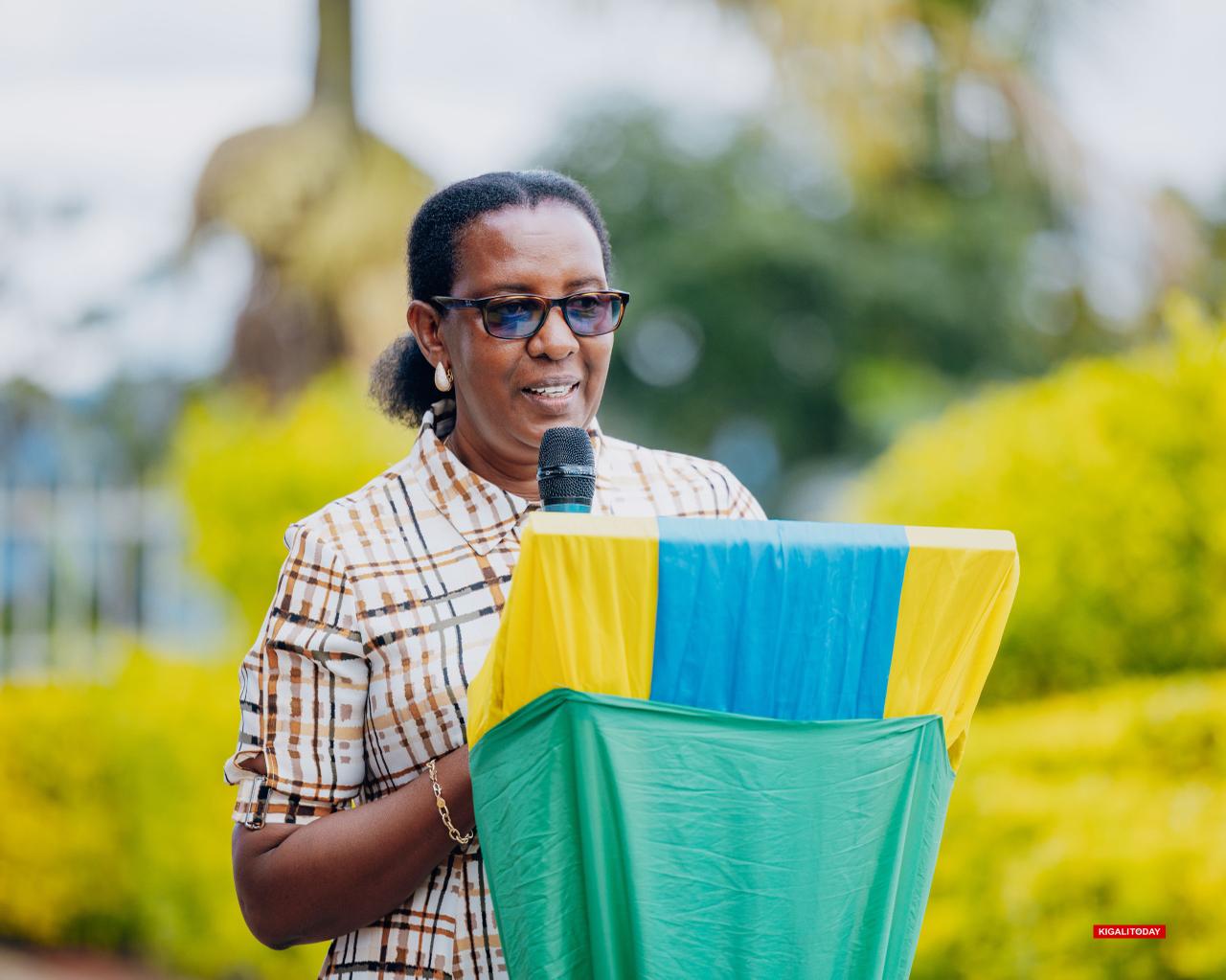
Mukanyirigira Judith, the mayor of Rulindo district addresses her residents at the launch of the RDF Citizen Outreach Program.