



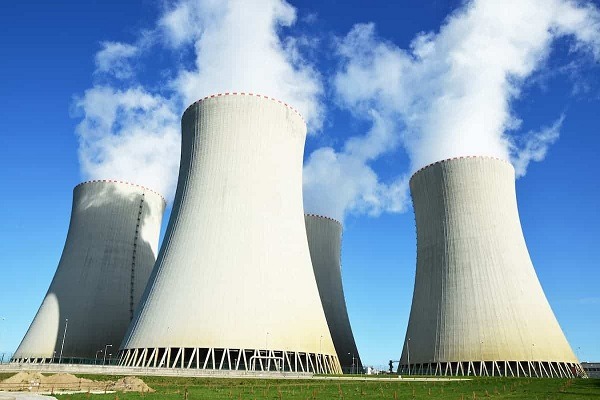
Rwanda needs enormous amounts of power to cater for its ambitious economic agenda
From 18–21 May 2026, Rwanda will host NEISA 2026, a summit expected to bring together experts, policymakers, scientists, and energy stakeholders to discuss the future of nuclear science and technology in Africa. For some countries, nuclear conversations are still treated as distant or politically sensitive topics.
In Rwanda, however, the discussion is increasingly practical: how can advanced technology help solve real problems in energy, healthcare, agriculture, research, and industrial development?
Hosting the summit is not simply about prestige or international visibility. It reflects Rwanda’s broader ambition to position itself as a country that participates in serious global conversations about technology, infrastructure, and long-term development.
As Africa’s population grows and demand for electricity, healthcare services, industrial production, and scientific capacity continues to rise, many governments are being forced to think beyond traditional systems.
Rwanda is no exception
For years, the country has invested heavily in digital transformation, innovation, education, and modern infrastructure. But economic growth also creates pressure.
More industries require stable electricity. Hospitals need better diagnostic and treatment technologies. Universities require stronger research capacity.
Agriculture must become more efficient in the face of climate and land pressures. These are some of the areas where nuclear science and technology are increasingly entering the conversation.
In Rwanda’s case, nuclear development is not only about power generation. The discussion also includes medical applications such as cancer diagnosis and treatment, industrial testing, food preservation technologies, water resource management, and scientific research.
Across many developing countries, nuclear technology is already being used quietly in sectors that directly affect daily life, even when there are no nuclear power plants involved.
Energy remains one of the biggest long-term questions for the region. Africa continues to face rising electricity demand while balancing affordability, industrial growth, and environmental concerns.
Rwanda has expanded access to electricity significantly over the years, but future economic ambitions will require more reliable and diversified energy sources.
However, available domestic energy sources (650–700 MW) are not sufficient in the long-term perspective to meet the demand for 2.5 – 4.5 GW of generating capacity by 2050. Nuclear energy is expected to account for 60% power supply by 2050.
It is against that backdrop that Rwanda plans to deploy its first Small Modular Reactor (SMR) by the early 2030s, seeking to leapfrog traditional energy sources, secure a stable power supply for growing industries, and reduce its dependence on imported fossil fuels.
The country also aims to have nuclear power supply 60% to 70% of its energy mix, with medium- and long-term nuclear power generation incorporated into the national energy sector strategies and the National Land-Use Master Plan.
The Rwanda Nuclear Power Programme is being developed under a 2020 Presidential Order that established the Rwanda Atomic Energy Board.
Nuclear power is part of the Rwanda Energy Policy, which establishes the framework for the country’s draft nuclear energy policy and supports its ambitions to reduce reliance on electricity imports and fossil fuels.
Nuclear energy is now being examined globally as part of the broader clean energy transition because of its ability to produce large amounts of low-carbon electricity over long periods.
Cautious Actions
At the same time, Rwanda’s approach appears cautious and gradual. The country has repeatedly emphasized regulation, safety, skills development, and international cooperation before any major nuclear expansion. This is partly why summits such as NEISA 2026 matter. They create space for technical discussions, partnerships, regulatory coordination, and knowledge sharing between African countries and international institutions.
There is also a strategic dimension to hosting the summit. Rwanda has spent years building an image as a stable conference and diplomacy hub in Africa.
From technology forums to investment summits and global health meetings, Kigali increasingly hosts conversations that shape regional, global policy, and development priorities. Hosting a nuclear energy and innovation summit adds another layer to that positioning.
Still, nuclear development is not a simple process. It requires long-term investment, highly trained professionals, strong oversight institutions, public trust, and international compliance standards.
Questions around cost, safety, waste management, and technical readiness remain part of every serious discussion about nuclear expansion anywhere in the world. Rwanda, like many emerging economies, will eventually have to balance ambition with practical realities.
But the larger significance of NEISA 2026 may not be about immediate breakthroughs. It may instead represent something broader: Africa becoming more active in conversations about advanced science, strategic infrastructure, and future technologies instead of remaining on the sidelines.
For Rwanda, hosting the summit sends a clear message that the country wants to be part of that future discussion, not later, but now.
