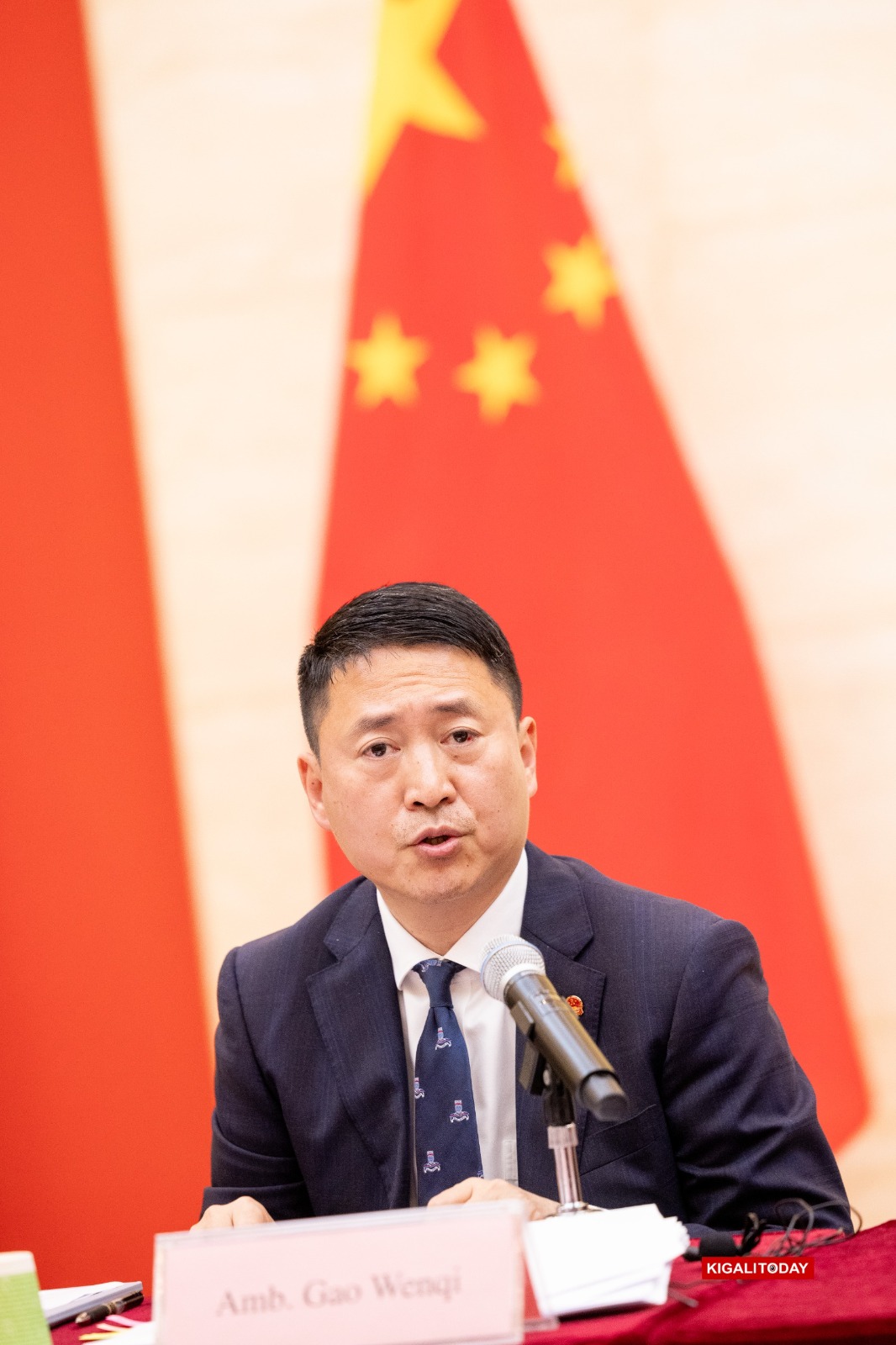
Ambassador Gao Wenqi during a media briefing in Kigali on April 27, 2026, where he discussed the evolving high-tech partnership and “smiling diplomacy” between China and Rwanda. Photo by Yusuf Hope Murego.
KIGALI — On a quiet evening in Kigali this week, Chinese Ambassador Gao Wenqi sat before a room of senior Rwandan reporters and spoke about a relationship that is changing shape.
For years, Rwanda’s partnership with China was easy to see: roads, buildings, bridges and construction sites across the country. But Ambassador Gao said the next chapter will look different.
The future, he explained, is not only about concrete and steel. It is about electricity, artificial intelligence, farming technology and easier access to Chinese markets.
With trade between Rwanda and China reaching nearly $849 million in 2025, both countries are now pushing for a deeper partnership built around technology and business rather than traditional infrastructure.
Energy as the Battery for Digital Ambition
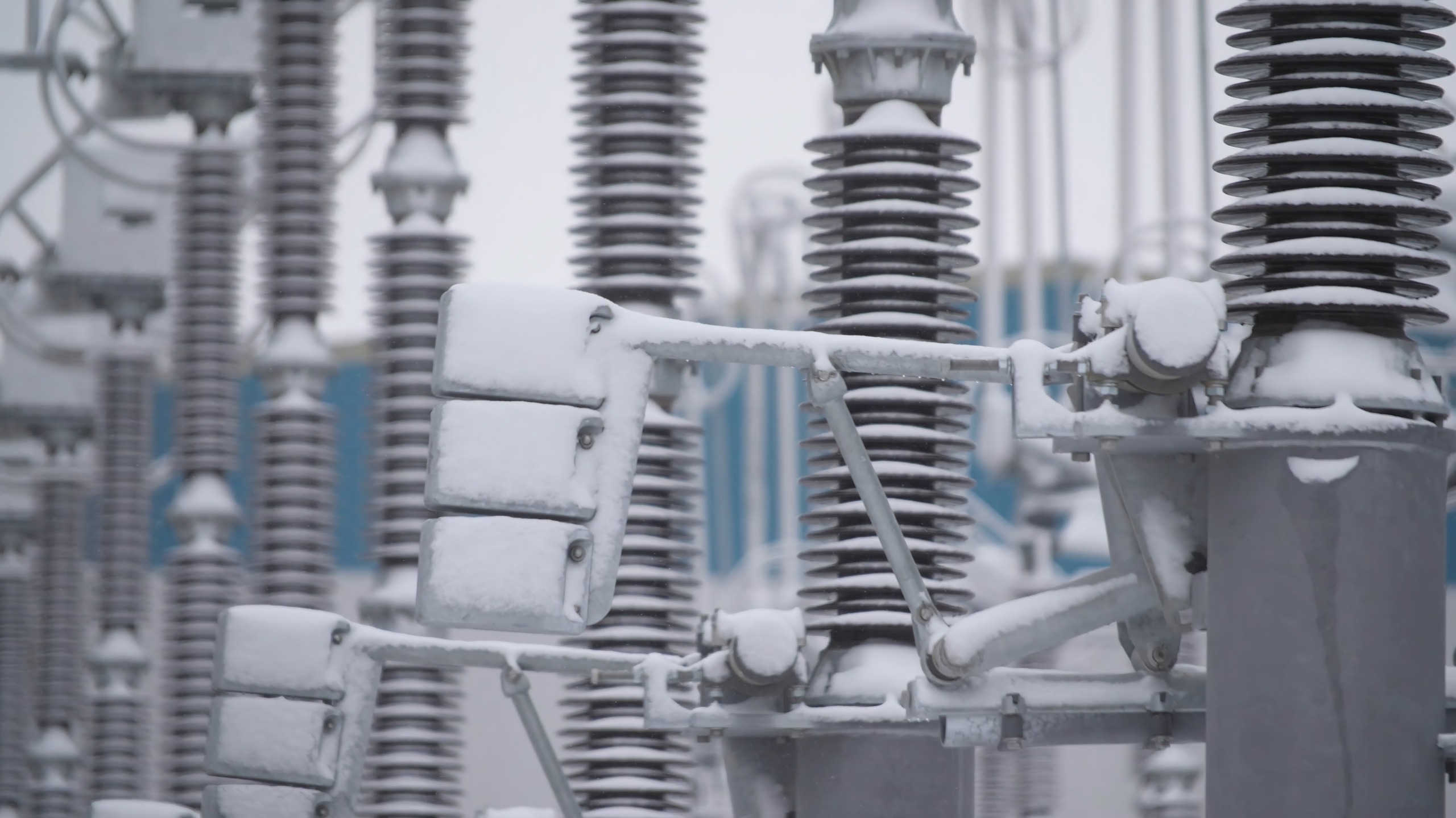
The Ambassador pointed to the Nyabarongo II Hydropower Project as the literal power source for this shift. Now moving toward completion, the project is designed to solve one of Rwanda’s biggest hurdles: the cost and stability of power.
The Chinese believe that Nyabarongo II is the key to totally alleviating Rwanda’s power shortage challenges. By adding 43.5 MW to the national grid and serving as a multipurpose hub for irrigation and flood control, the dam—scheduled to become fully operational by 2027—is expected to stabilize the energy supply enough to support 100% national electrification.
“While many see a dam, economists see a catalyst,” the Ambassador noted. For the government, this isn’t just about lighting homes; it’s about providing the steady voltage needed to run the data centers and manufacturing plants Kigali is courting.
Skills Beyond the Classroom
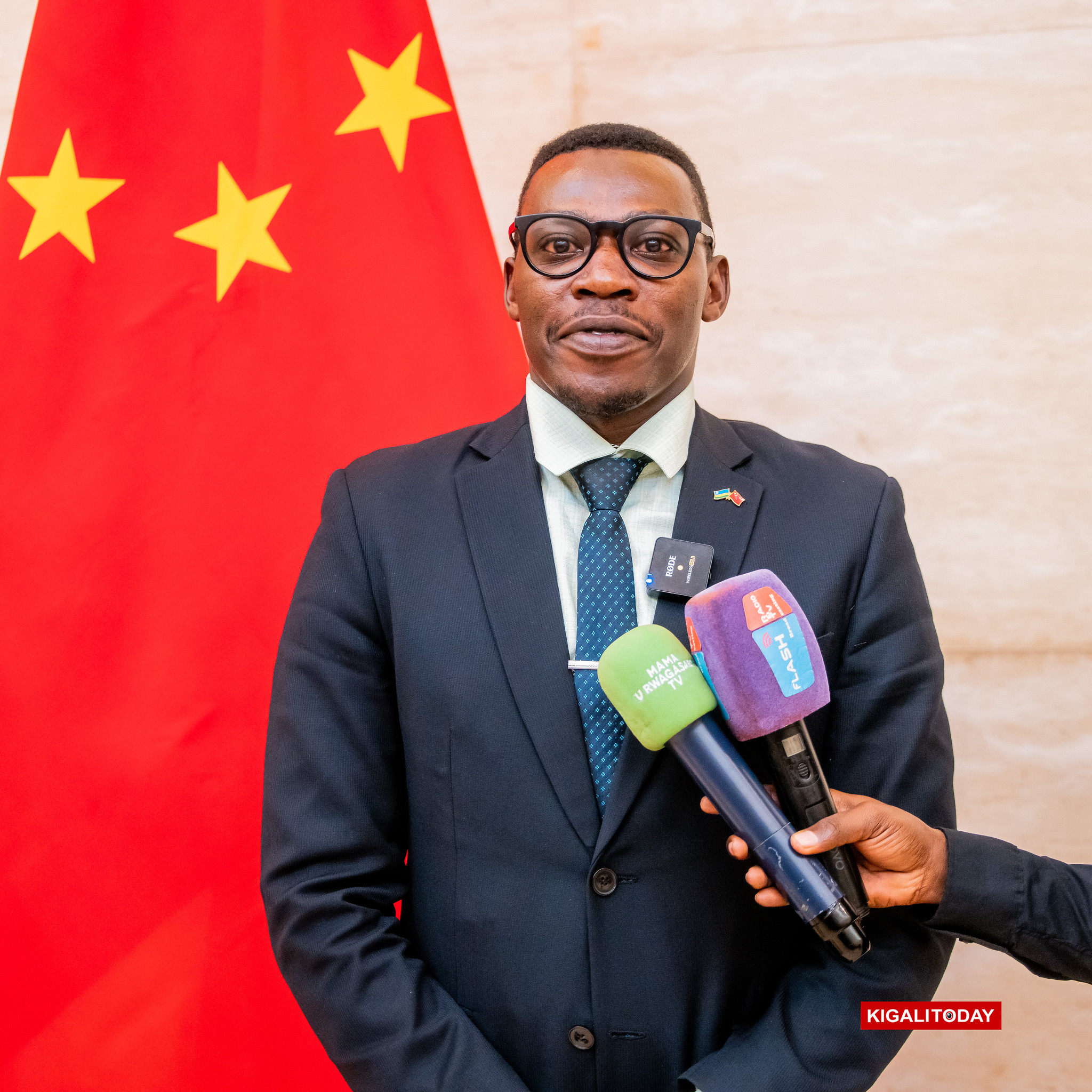
Anselme Ruhumuriza, a lecturer of Political Science and International Relations at the University of Rwanda, discusses the impact of China’s “AI Plus” initiative and bilateral trade during an interview with KT Press in Kigali. Photo by Yusuf Hope Murego.
But infrastructure alone is not enough.
Anselme Ruhumuriza, a lecturer in Political Science and International Relations at the University of Rwanda, said the real value of the partnership lies in helping Rwandans gain the skills needed to run these systems themselves.
He pointed to China’s “AI Plus” strategy, which aims to bring artificial intelligence into different sectors of the economy.
For Rwanda, he said, the goal should be practical learning.
“It is not just about reading about technology in books,” Ruhumuriza said. “It is about making sure Rwandans can use it, manage it and make it part of daily life.”
That means training engineers, coders, researchers and business owners who can work with the systems being introduced.
Managing the Rain with High-Tech Farming
In Rwanda, where most people still rely on the land, both the Ambassador and the University of Rwanda academic arrived at the same conclusion independently: farming must move toward “AI-driven” efficiency. While the Ambassador emphasized China’s success in feeding over a billion people as a blueprint, Ruhumuriza detailed the practical “know-how” required for this leap.
“One of the things we can learn from China is how they use technology in the fields,” Ruhumuriza says, describing a world where sensors and pumps take over. “When the heat goes up, the water levels adjust automatically. They’ve reached a level where they don’t just hope for rain—they manage it.”
This agricultural evolution traces back to high-level meetings between Rwanda and Hunan Province a few years ago. That partnership has since matured into practical investments, such as rice cultivation pilots in Muhanga District. “In China, roads go right into the fields,” the lecturer added. “You finish harvesting and immediately hit a road that takes your produce to market. You don’t have to wait for a specific season or get stuck in the mud.”
Dismantling Barriers to Global Commerce

This modernization of the farm is being met by an aggressive opening of the market. The economic side of the relationship is getting a massive boost from Beijing’s zero-tariff policy. This has essentially removed the “tax wall” that historically made Rwandan products too expensive for the Chinese consumer.
Rwandan staples are already finding their way onto Chinese tables. Beyond the well-known bourbon coffee and specialty teas, products like dried chili, avocado oil, and handcrafted home decor have become established fixtures in Chinese digital marketplaces.
During the briefing, Ambassador Gao praised Rwanda’s envoy to China, James Kimonyo, as a “master salesman” who has leveraged digital platforms to bridge the gap between the Rwandan hills and Chinese kitchens. The Ambassador noted this smilingly, pointing to the aggressive e-commerce strategy that has helped these products hit record sales.
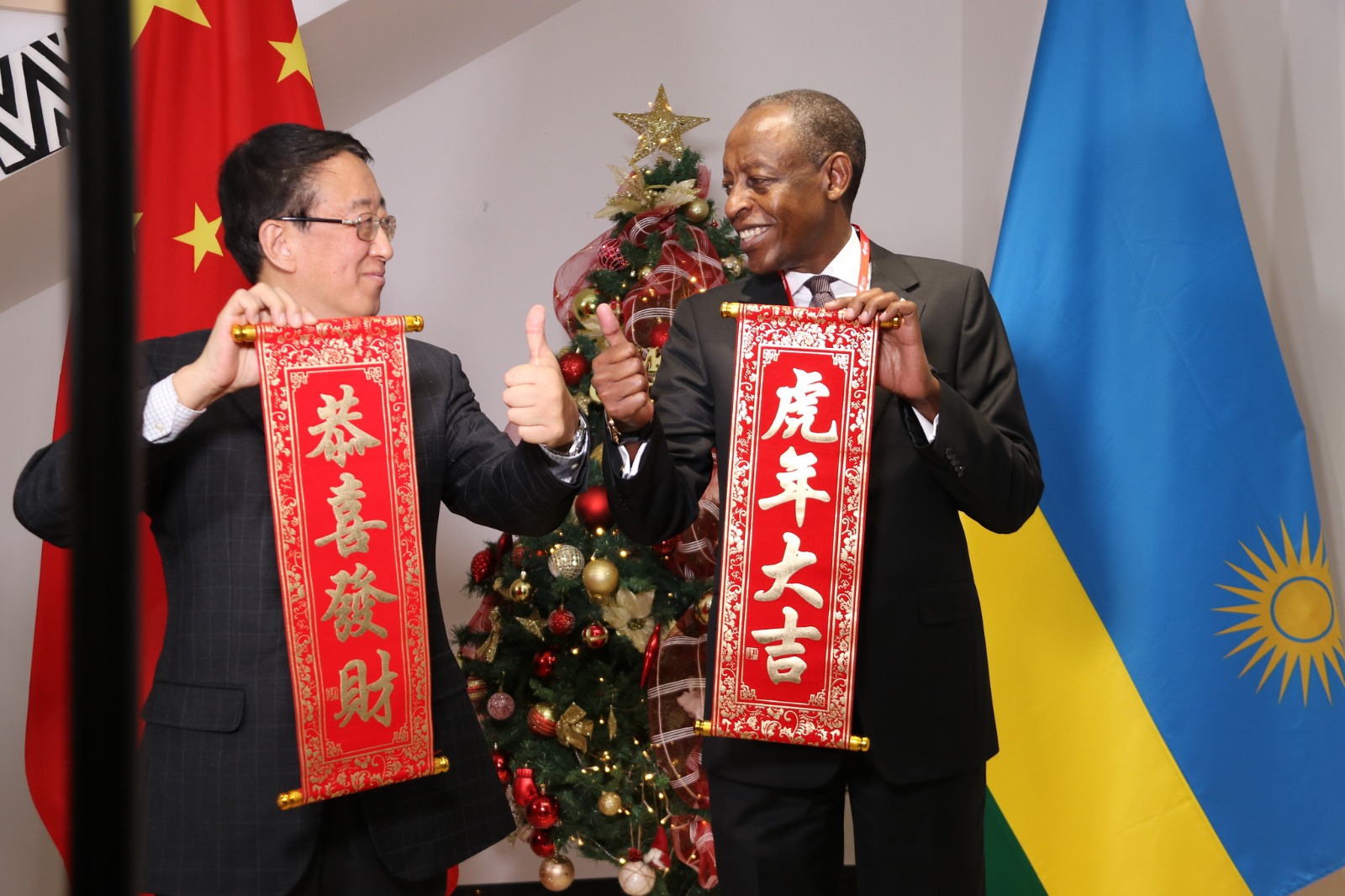
Crucially, the Ambassador also highlighted the new visa facilitation policies, including fingerprint collection exemptions and fee reductions extended through 2026. He revealed that feasibility studies are currently underway to improve transport links further—specifically exploring direct flights connecting Hunan Province with Rwanda to slash travel time for traders.
“Zero tariff means removing those extra costs,” Ruhumuriza told KT Press. “But the visa changes and direct flights are just as important. Usually, the logistics make trade too slow. When you take those away, a Rwandan can do business directly with a factory owner or a farmer without the headaches.”
The Human Infrastructure of Development
A major pillar of the 2026 outlook is what Beijing has termed “People-to-People” relations. The Ambassador emphasized that for technical and economic deals to truly take root, the citizens of both nations must speak the same cultural and professional language. This is supported by a massive educational push that has seen over 15 Chinese language training centers established across Rwanda, with thousands of students already graduating.
Beyond linguistics, this partnership is built on high-level academic exchange. Hundreds of Rwandans have been granted scholarship opportunities to study in China, specializing in critical fields such as Artificial Intelligence, Civil Engineering, Medicine, and Modern Agriculture. This creates a specialized talent pool capable of managing the high-tech infrastructure being built today.
Ruhumuriza, who teaches both Political Science and International Relations at the University of Rwanda, observes that this “human infrastructure” is already visible on campus and in the workforce.
“The Chinese want their language to be spoken here just like English or French,” he notes. “When a young Rwandan entrepreneur understands the basics, they don’t need a middleman. They strike their own deals and bring back a different perspective on problem-solving.”
A Different Kind of Partnership
For many years, development partnerships in Africa were often measured by the size of buildings or the number of roads completed.
But Rwanda and China are increasingly describing their relationship differently — less about aid, and more about shared growth.
Ruhumuriza believes that is why the partnership continues to deepen.
“It is no longer simply about what one country gives the other,” he said. “The question now is: how do both sides grow together?”
As Rwanda pushes toward a more digital and industrial future, that answer may shape much more than trade figures. It may help define what development looks like for the next generation.