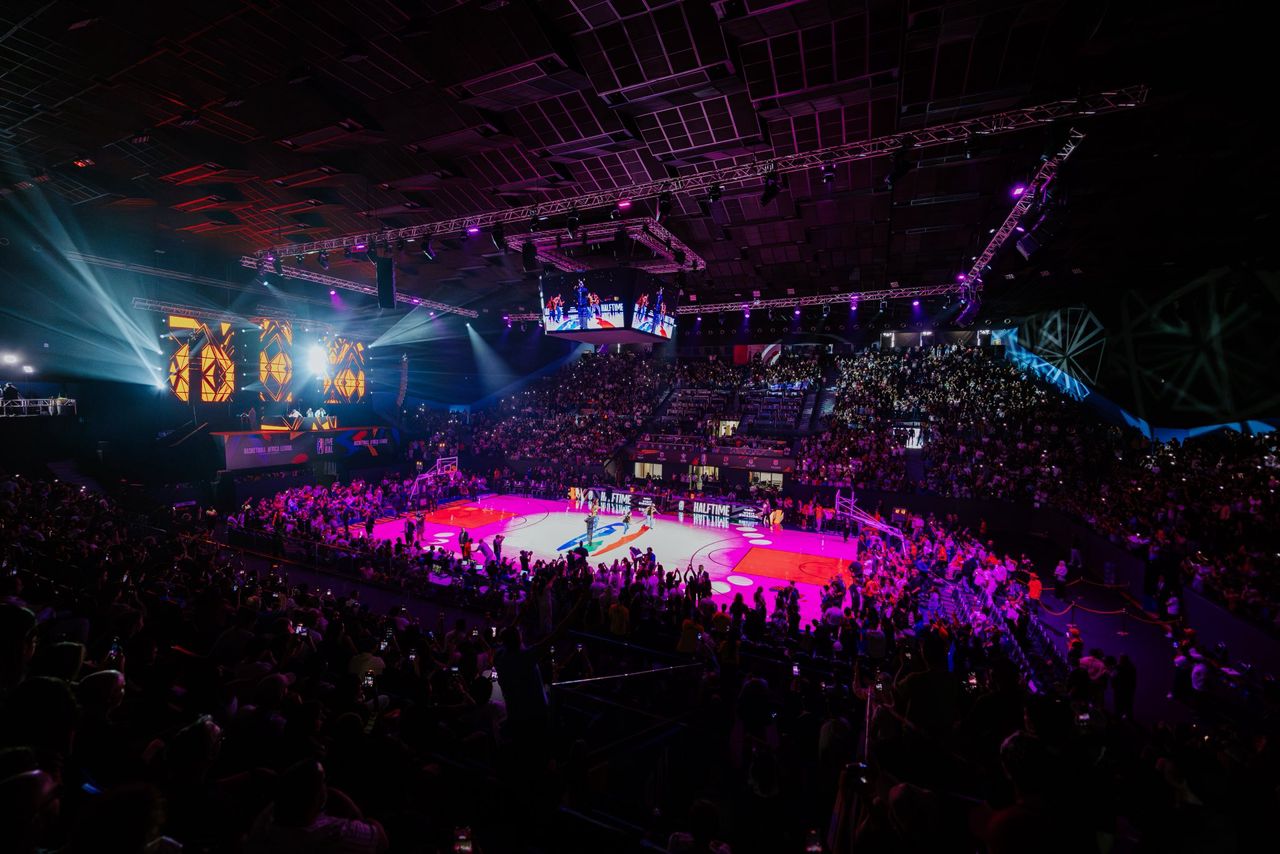
A few years ago, the idea that thousands of fans across Africa would fill world-class arenas to watch a continental basketball league backed by the NBA felt ambitious, if not improbable.
Today, that ambition has become infrastructure.
The Basketball Africa League has evolved into far more than a sports competition. It has quietly become one of the most sophisticated case studies in African sports business, entertainment strategy, city branding, youth culture, and commercial storytelling.
What makes the BAL remarkable is not simply that it exists. It is how intentionally it was built.
In many ways, the BAL represents a broader shift happening across Africa: the transition from organizing events to building ecosystems.
For decades, African sports institutions often operated within constrained models — undercapitalized leagues, inconsistent broadcasting, weak fan engagement systems, limited sponsorship value, and poor match-day experiences. Talent existed in abundance, but the surrounding commercial infrastructure lagged behind global standards.
The NBA approached Africa differently.
Rather than treating the continent merely as a talent pipeline, the league recognized Africa as a future consumer market, media market, cultural market, and investment frontier. That distinction changes everything.
The BAL was therefore not built only around basketball operations. It was built around experience design, storytelling, digital engagement, premium production, youth identity, strategic partnerships, and global commercial appeal.
That is why the league feels globally relevant even while remaining deeply African.
Speaking during the recent CEO Forum in Kigali, BAL President Amadou Gallo Fall explained that the league’s growth is the result of years of deliberate groundwork by the NBA and its partners across Africa.
The strategy began long before the launch of the league itself — through grassroots development, academies, coaching systems, and basketball infrastructure designed to strengthen the ecosystem from the bottom up.
“We had to stop thinking talent must leave Africa to succeed,” Fall noted. That statement captures a deeper strategic shift now taking place across African sports and creative industries: the growing realization that value creation must increasingly happen on the continent itself.
That long-term investment is now translating into measurable commercial momentum.
BAL says the league generated 720 million social media views last season and 15.8 billion digital impressions globally, while games are now broadcast in more than 200 countries through partners including Canal+ and MultiChoice.
The commercial growth has also attracted global technology firms, lifestyle brands, and institutional investors eager to enter Africa’s fast-growing sports economy.
“This year alone, we brought in 20 new partners,” Fall revealed during the forum, reinforcing the growing perception among investors that African sports properties are evolving into scalable commercial businesses rather than passion projects.
Walk into a BAL event in Kigali and one quickly realizes the experience extends beyond the court. Music, fashion, content creation, hospitality, tourism, social media engagement, corporate networking, and youth culture all merge into one ecosystem. The game becomes both entertainment product and economic platform.
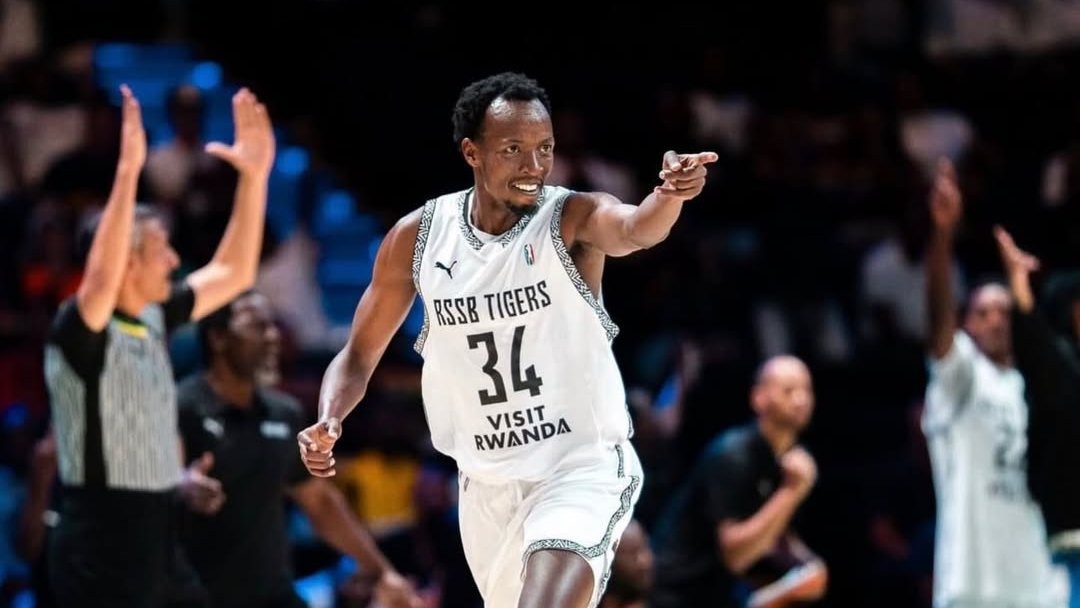
This is where many African sports institutions should pay close attention.
Global sponsors no longer invest in sports purely because of athletic competition. They invest where attention, emotion, culture, and consumer behavior intersect. Modern sports is fundamentally an influence economy.
The BAL understood this early.
Its operations mirror lessons long mastered by global leagues such as the National Basketball Association: consistency of branding matters, production quality matters, fan experience matters, athlete storytelling matters, and digital culture matters.
In Africa, however, there is an additional layer.
Sports increasingly functions as soft power.
Countries are no longer competing only for foreign direct investment or tourism. They are competing for global relevance, perception, and narrative influence. Rwanda’s strategic positioning as a host nation for major sporting events reflects this reality. Every international broadcast from Kigali communicates infrastructure capability, stability, hospitality, and ambition far beyond sports itself.
The timing of this shift is significant.
Africa’s sports economy is expanding rapidly, fueled by a young population, rising digital consumption, and growing global demand for African entertainment products. The 2023 Africa Cup of Nations alone generated nearly two billion global views across television and digital platforms — further evidence that African sports audiences are no longer regional stories, but global commercial markets.
That is why the sports economy should no longer be viewed narrowly through the lens of recreation.
It sits at the intersection of media, business, tourism, technology, youth employment, fashion, music, infrastructure, and diplomacy.
Globally, sports is becoming increasingly integrated into the experience economy — a market driven by memorable live experiences, emotional engagement, and digital communities. Younger generations, particularly across Africa, are consuming identity and culture differently than previous generations. They do not merely watch sports; they participate in online conversations, create content, build communities, and shape trends around it.
The BAL’s operational model aligns naturally with this behavioral shift.
Importantly, the league has also demonstrated that African audiences are willing to engage with premium products when execution matches global standards. This challenges a long-standing misconception that Africa must always settle for scaled-down experiences.
The deeper lesson here is psychological as much as operational.
Africa does not suffer from a shortage of talent. It often suffers from a shortage of institutional imagination.
Too many organizations across the continent still operate with survival mindsets in markets that increasingly reward boldness, creativity, and ecosystem thinking.
The BAL chose aspiration over limitation.
Other African sports can learn from this approach.
Football leagues, volleyball federations, motorsport platforms, combat sports, athletics, and creative sports startups all have opportunities to reposition themselves beyond local competitions into commercially compelling entertainment properties. But doing so requires moving beyond event organization into brand architecture.
Sponsors are attracted to clarity, consistency, audience loyalty, and cultural momentum. Investors are attracted to scalable systems. Fans are attracted to emotional connection and world-class experiences.
In the future, the African sports organizations that win globally will not necessarily be those with the biggest budgets. They will be those that best understand narrative, community, digital engagement, and operational excellence.
The BAL has already proven something important to the continent:
Africa is fully capable of producing globally respected sports experiences — not as exceptions, but as standards.
And perhaps that is the league’s greatest contribution.
Not simply growing basketball.
But expanding Africa’s imagination of what is possible.
The Writer is the CEO of Authentic Events, one of the leading Event Management company in Rwanda and Africa.