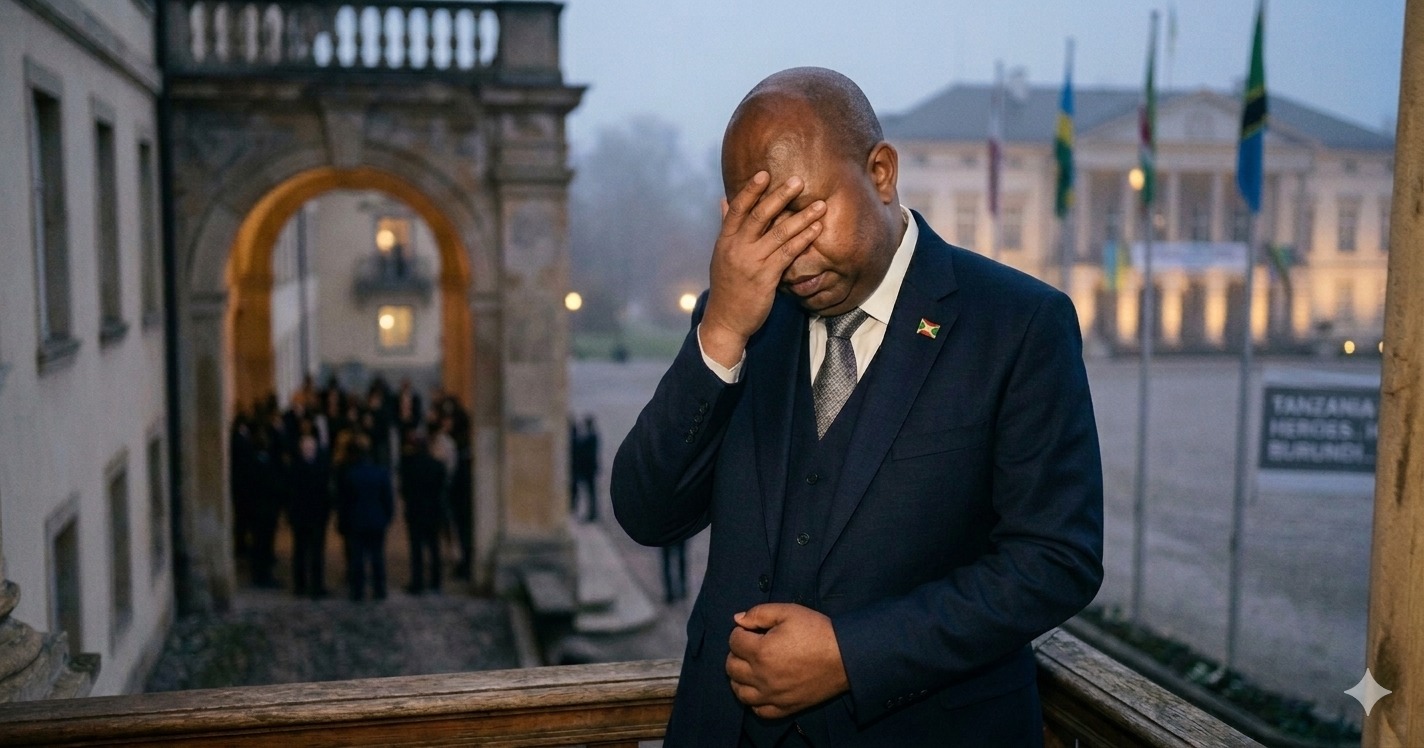
President Ndayishimiye embodies the “veil of shame” as Burundi confronts its complicity in the 1994 Genocide, contrasting sharply with Tanzania’s celebrated valor. (AI-generated conceptual image).
Kigali — Rwanda’s evolving diplomatic posture in East Africa is increasingly defined by a clear split: deepening ties with Tanzania on one hand, and worsening relations with Burundi on the other—both anchored in the region’s history during the 1994 Genocide against the Tutsi.
As President Paul Kagame undertakes a state visit to Tanzania during the 32nd commemoration of the Genocide (Kwibuka 32), Kigali is advancing what officials describe as a “diplomacy of gratitude”—a deliberate effort to recognise countries and individuals who demonstrated humanity at a time of extreme violence.
In Tanzania, this includes civilians who, without formal obligation, sheltered Tutsi refugees fleeing across the border as killings spread. Rwandan officials say plans are underway to formally identify and honour such individuals, elevating their actions as part of a broader narrative of regional solidarity.
A similar recognition extends to Uganda, where the Ggolo Genocide Memorial stands in tribute to local fishermen who retrieved bodies from Lake Victoria, ensuring victims received dignified burials. For Kigali, these acts represent a moral benchmark in the region’s collective memory.
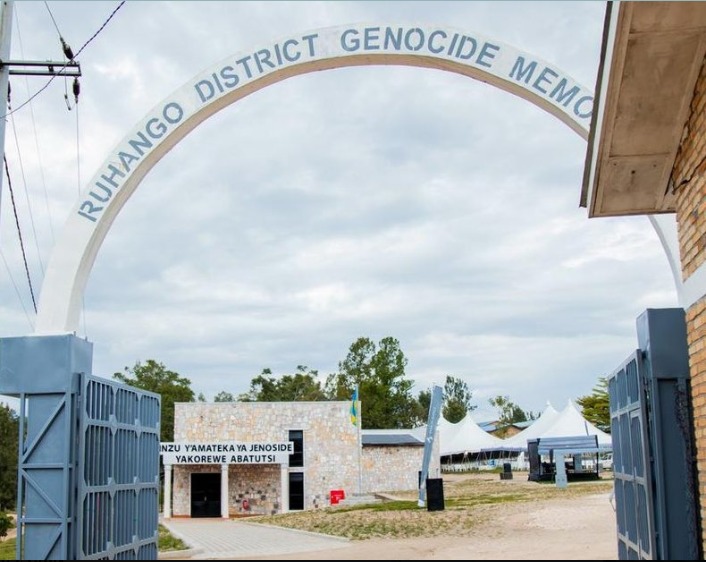
However, Rwanda’s southern frontier tells a markedly different story.
Relations with Burundi remain strained, shaped by what Kigali views as an unresolved legacy of violence and accountability linked to the events of 1994. During the early 1990s, Rwanda hosted thousands of Burundian refugees fleeing instability. But in the midst of the genocide, some of these individuals were implicated in attacks against Tutsi civilians.
In the former Ntongwe Commune in Mayaga, accounts point to collaboration between Burundian nationals and local authorities in carrying out killings. The Kinazi Genocide Memorial—final resting place for more than 60,000 victims—stands as a stark reminder of the scale of violence in the area.
Rwandan officials and genocide survivors’ organisations have consistently pointed to a lack of judicial follow-through and official acknowledgement from Burundi regarding the role of its nationals. This, they argue, has left a lingering sense of injustice that continues to weigh on bilateral relations.
The historical grievances now intersect with current security concerns. Kigali has repeatedly accused Burundi of actions that risk reviving destabilising forces in the region, particularly in eastern Democratic Republic of Congo. Central to these concerns are allegations of cooperation with the FDLR, a militia composed of elements linked to the perpetrators of the 1994 genocide.
Burundi has previously rejected such accusations, but for Rwanda, the issue remains a critical red line tied to national security and the protection of vulnerable communities in the region.
The contrast, analysts note, is becoming more pronounced. While Tanzania is increasingly framed as a partner whose past actions reflect shared human values and regional responsibility, Burundi is seen through the lens of unresolved history and present-day tensions.
As Kigali reinforces ties with partners it views as having stood on the right side of history, its regional diplomacy appears to be guided not only by economic and security interests, but also by memory, accountability, and recognition.
Jean de la Croix Tabaro leads the editorial team at KT Web as Editor. Working alongside its sister outlet, KT Press, he focuses on delivering high-impact digital journalism and shaping the publication’s online presence.