Farmers can harvest more without more fertilizer.
BUGESERA – Like many farmers across Rwanda, an elderly woman tending a small garden may assume that declining harvests mean she needs more fertiliser.
Each season begins much the same way. The field is cleared, the soil is turned and seeds are planted in the hope of a better harvest. When yields disappoint, the instinct is often to add more inputs.
But agricultural experts say the answer may not always be found in a fertiliser bag.
At the Rwanda Institute for Conservation Agriculture (RICA) in Gashora, Bugesera district, researchers are encouraging farmers to pay closer attention to the soil itself, arguing that healthy soil is the foundation of sustainable productivity.
According to Professor Olusegun Adedayo Yerokun, RICA’s Interim Vice Chancellor, many farmers focus on what they add to the land while overlooking the condition of the land beneath their crops.
“The first thing is to understand what the soil actually needs. Over-fertilization is unnecessary economically and also in terms of soil health,” he said.
Healthy Soil, Better Harvests
 Established in 2019, RICA trains students in agriculture while promoting conservation agriculture practices designed to improve productivity and protect natural resources.
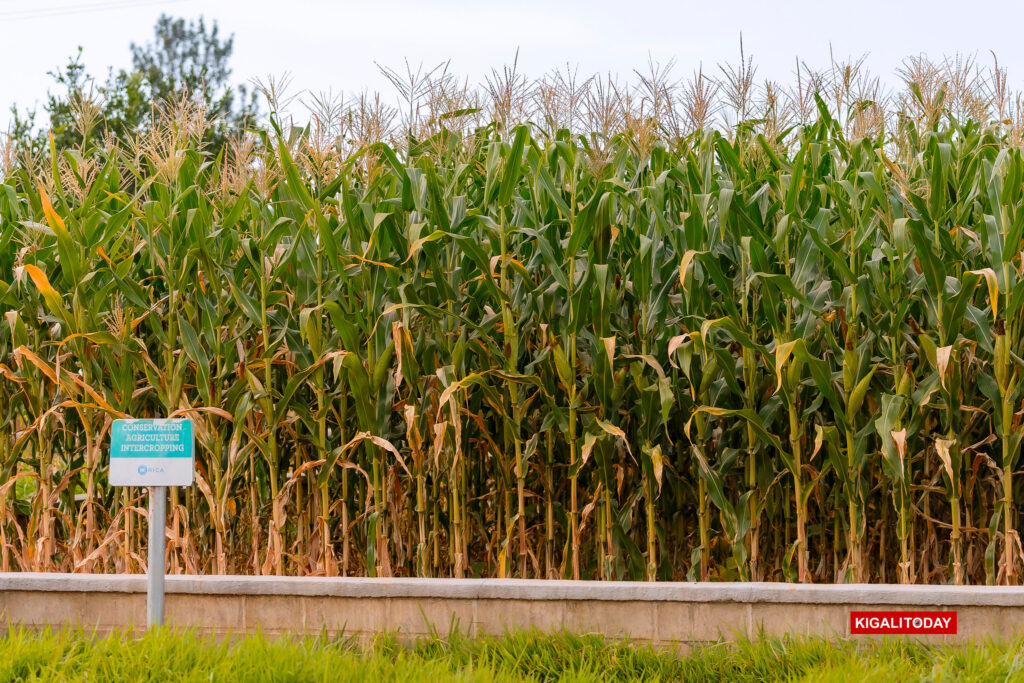
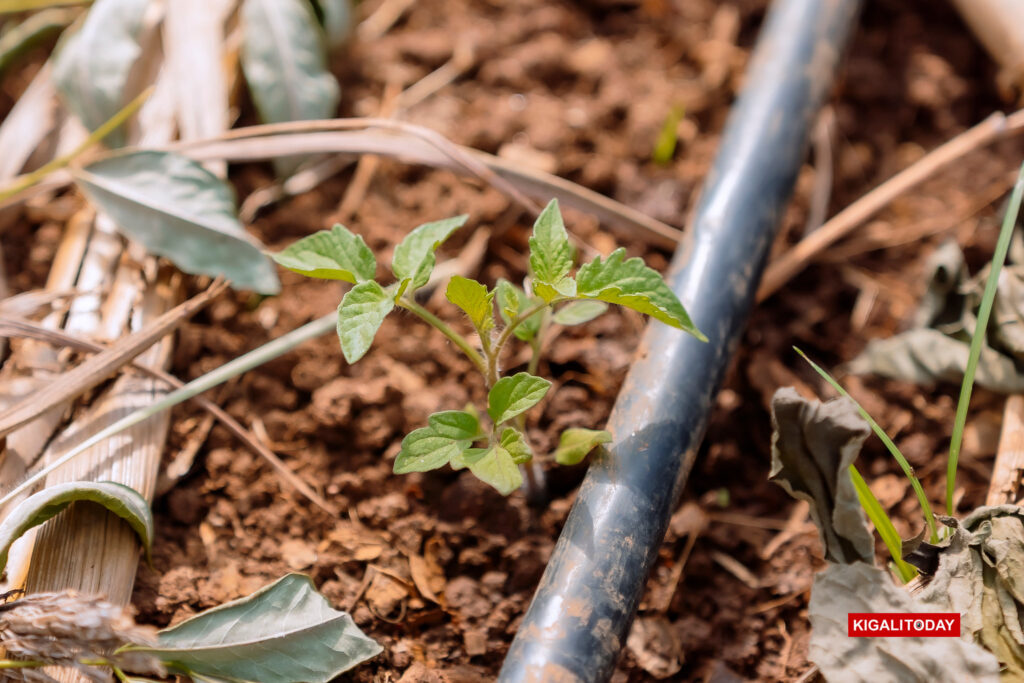
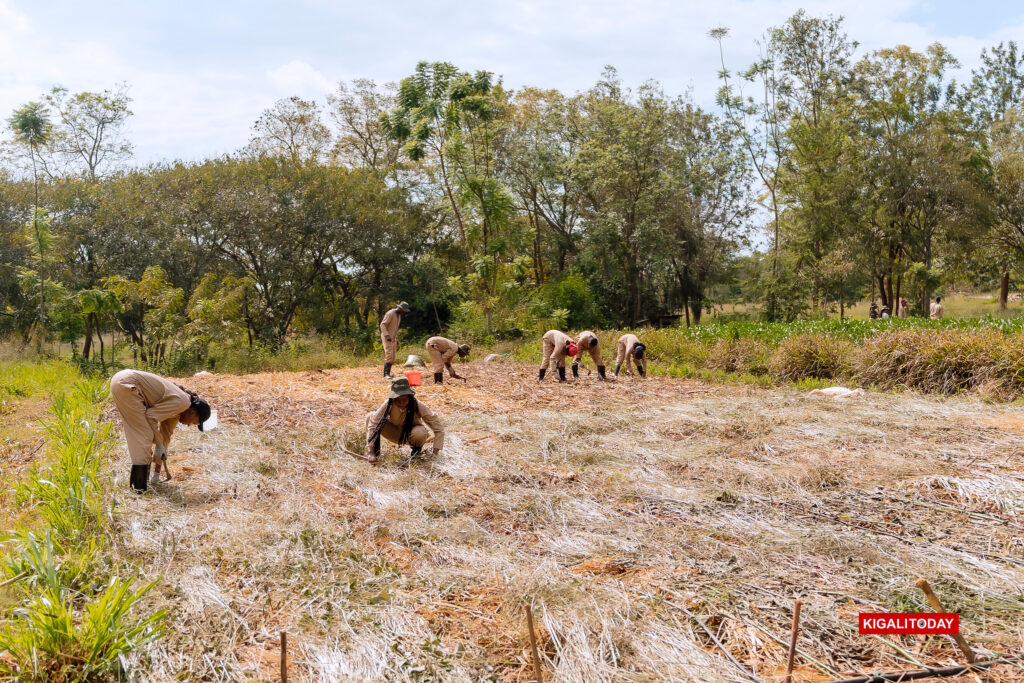
At the centre of its approach are three principles: disturb the soil as little as possible, keep it covered throughout the year and rotate crops regularly.
The philosophy challenges a belief still common among many farmers that higher yields can only come from increased fertiliser use.
Instead, RICA argues that productivity begins with healthy soil.
“When the soil is healthy, it retains moisture better, supports beneficial microorganisms and becomes more productive,” Yerokun said.
Healthy soil contains nutrients, living organisms and a structure that allows water and air to move efficiently. These characteristics help crops withstand dry periods, make better use of nutrients and produce stronger yields.
Rather than eliminating fertilisers altogether, the institute promotes their careful and targeted use based on actual soil needs.
The Soil That Disappears Every Rainy Season
 One of the greatest threats to productivity, according to RICA, is soil erosion.
In Rwanda’s hilly landscape, heavy rains can wash away fertile topsoil from exposed fields. The process often happens gradually, making it easy for farmers to overlook. Yet every season, valuable nutrients can be carried away with the soil.
Yerokun recalls travelling through Rwanda with a visitor from Nigeria who noticed a muddy river and asked a simple question: Why is the water so brown? The answer, he said, was erosion.
“When you have soil erosion, you are losing nutrients, you are losing the soil itself and the soil becomes degraded.”
To agricultural experts, muddy water flowing from farmland is more than an environmental concern. It represents lost fertility and, ultimately, lost income for farming households.
As soils become less productive, farmers often spend more on fertilisers and other inputs to maintain yields, increasing production costs without solving the underlying problem.
Conservation agriculture seeks to address that challenge by protecting the soil from excessive disturbance and keeping it covered throughout the year.
Learning from Other Farmers
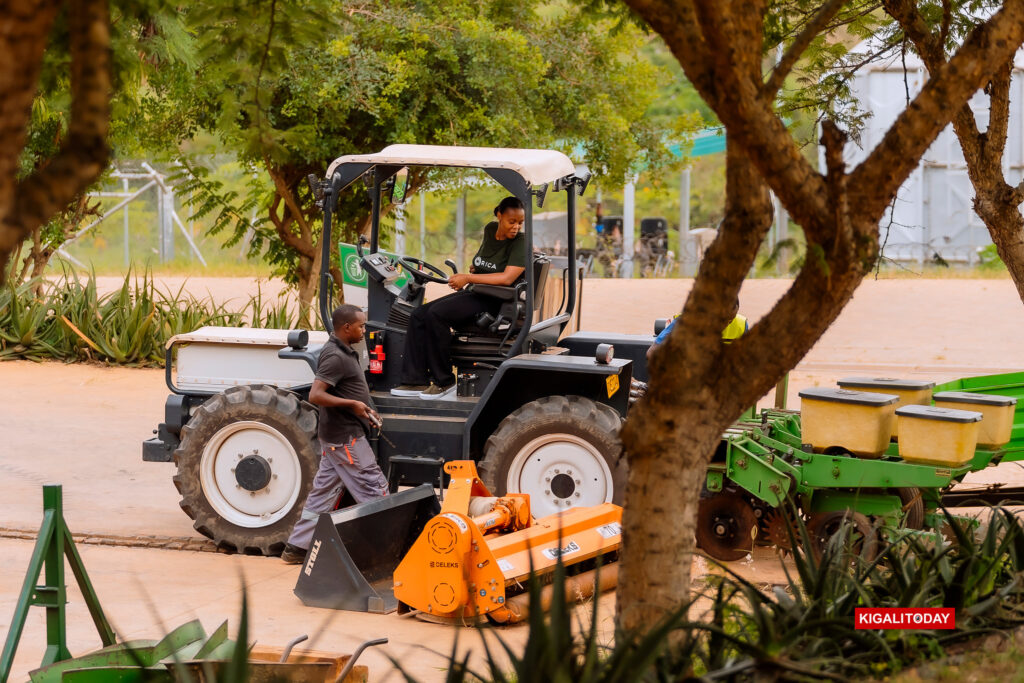 Changing long-established farming practices can be difficult. Many farmers have spent decades preparing their land through ploughing and clearing crop residues. A field covered with plant material may appear untidy compared to freshly turned soil.
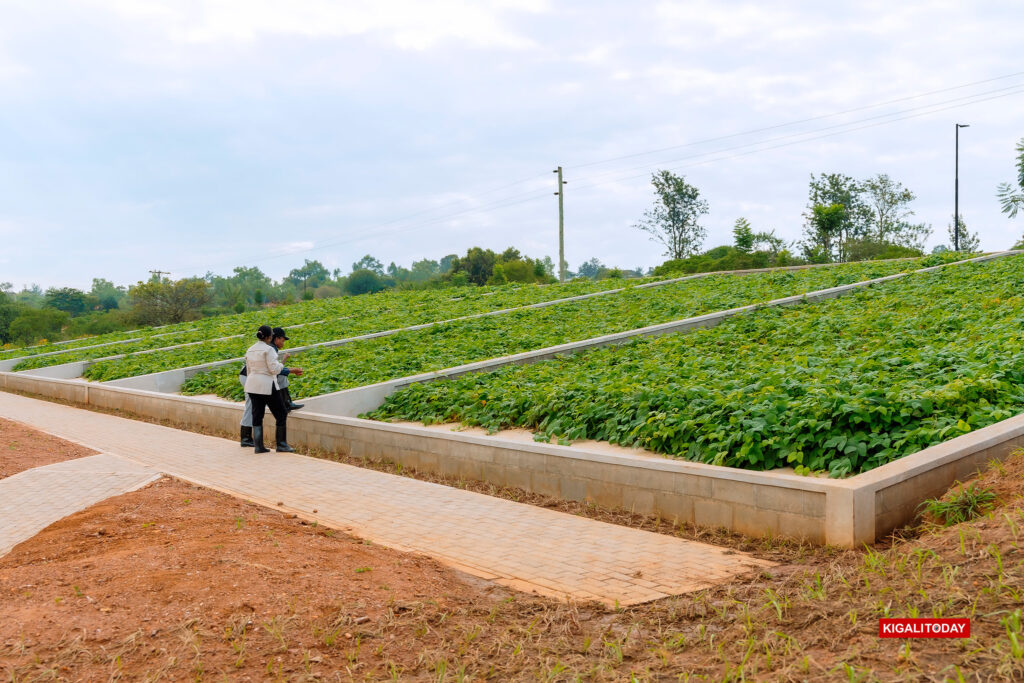
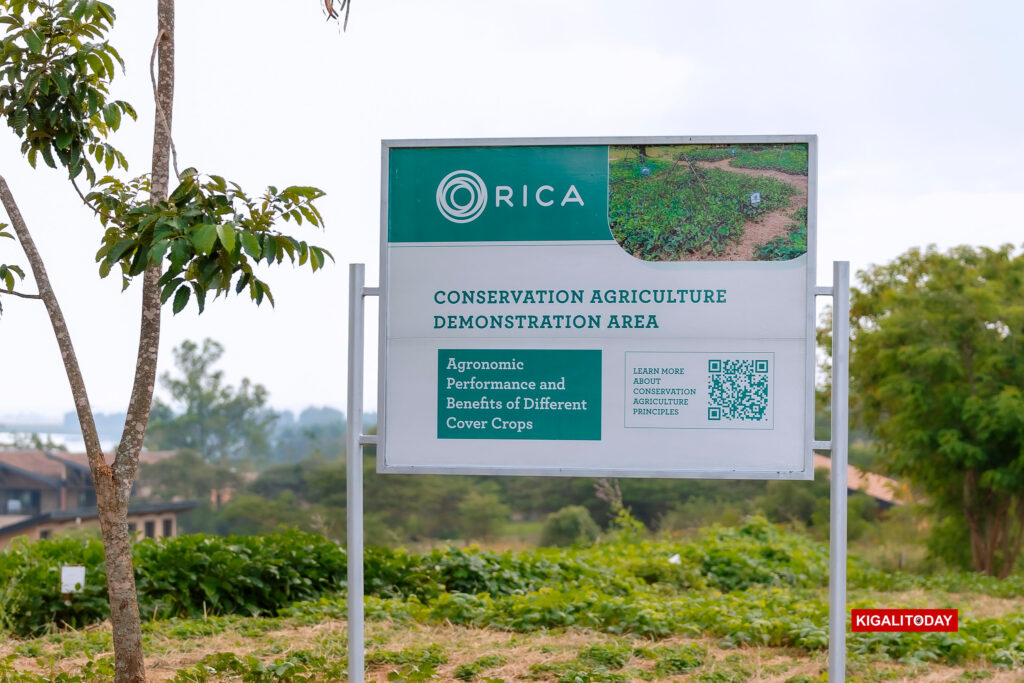
To demonstrate the benefits of conservation agriculture, RICA operates demonstration plots where farmers can compare different farming systems side by side.
According to the institute, the differences are often visible. Protected soils retain more moisture, experience less erosion and frequently support stronger crop growth.
RICA also works with model farmers who adopt conservation agriculture techniques and share their experiences with neighbours. Yerokun believes this approach is often more effective than traditional awareness campaigns. Farmers tend to trust what they can see for themselves.
A grandmother managing a small plot may not attend agricultural conferences or read research papers. But she is likely to pay attention when a neighbour harvests more from a similar piece of land while spending less on inputs.
That curiosity can become the first step toward change.
Beyond the Classroom
Although RICA is an educational institution, Yerokun says its ultimate goal is not simply to train students. The institute measures success through the impact its work has on farming families.
“Success is when a farmer using the same piece of land can double or triple productivity, feed the family, send children to school and achieve financial independence,” he said.
Through partnerships with the Ministry of Agriculture and extension programs that reach farming communities, RICA hopes to spread conservation agriculture practices across the country.
For the institute, the future of agriculture depends not only on what farmers add to the soil but also on how well they protect it.
For thousands of farmers across Rwanda, the most valuable resource may already be beneath their feet. The challenge is learning how to preserve it.
Healthy soil, RICA argues, is more than an environmental asset. It is the foundation of food security, stronger harvests and better livelihoods for generations to come.