


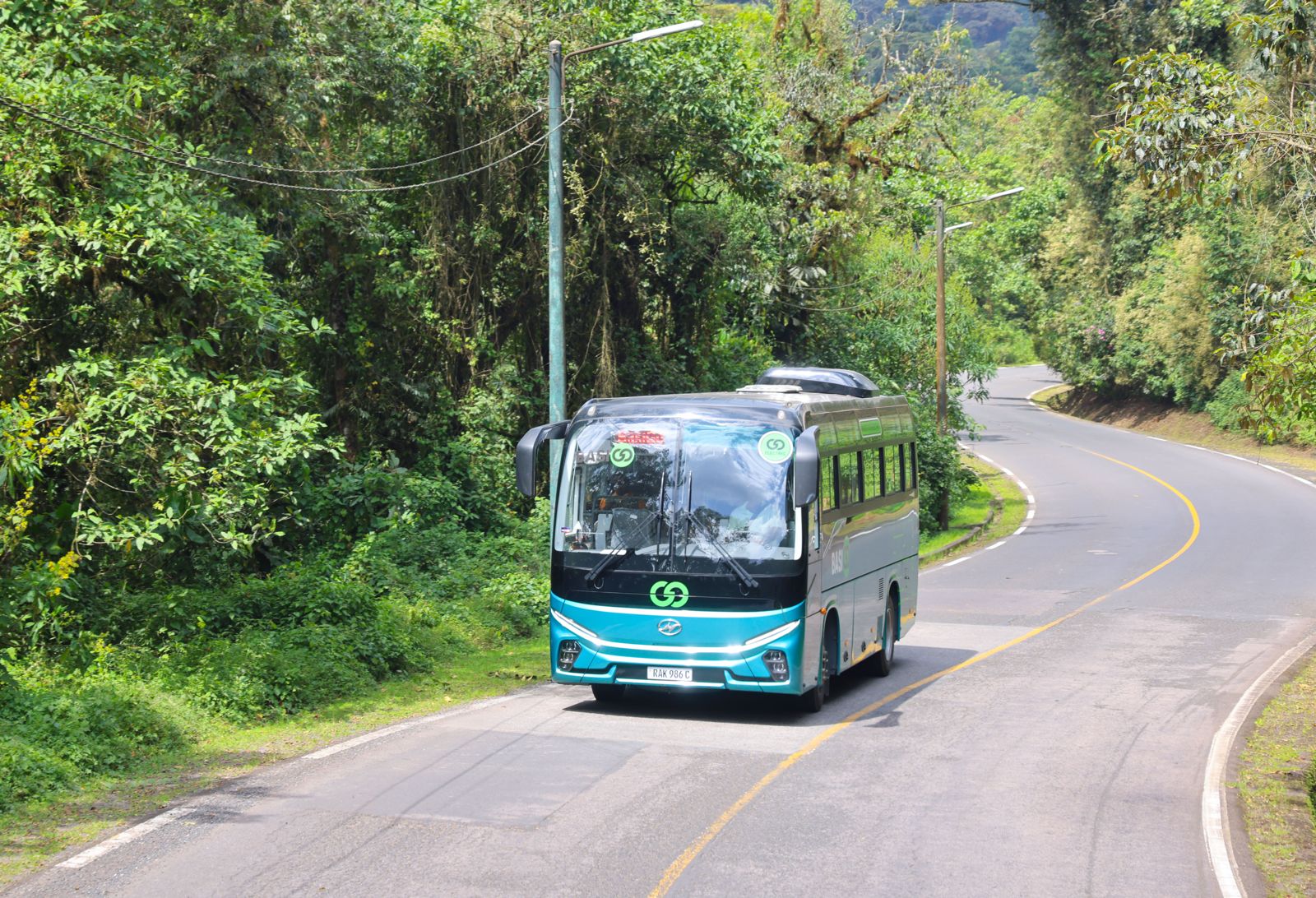
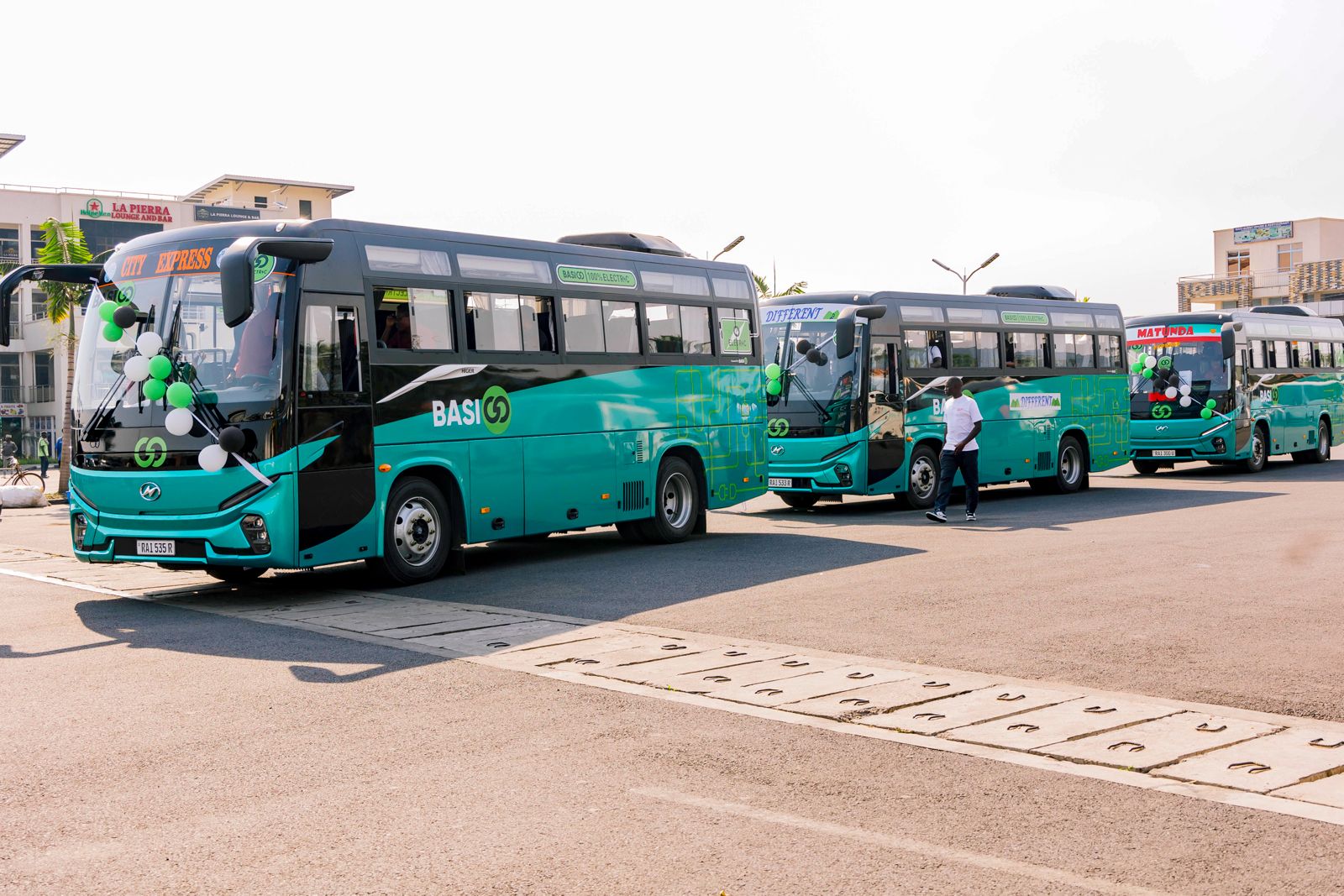
KIGALI, Rwanda — Rwanda’s electric public transport network expanded with the launch of 18 new buses capable of travelling up to 400 kilometers on a single charge, allowing operators to serve every part of the country without recharging en route.
The buses were unveiled by BasiGo, an electric mobility company that supplies buses to passenger transport operators. The company said the new fleet can complete long-distance routes, including journeys to Rusizi District in southwestern Rwanda, which had remained beyond the reach of its earlier models.
The launch marks a significant step in Rwanda’s efforts to expand the use of electric vehicles and reduce reliance on diesel-powered public transport.
According to BasiGo, the new buses can carry 42 seated passengers and travel up to 400 kilometers while using about 80 percent of their battery capacity. Previous models had a range of approximately 300 kilometers.
The company said the first electric bus service to Rusizi is expected to begin on July 1 after successful trial runs.
“Until recently, Rusizi was the only destination we could not confidently serve with our electric buses,” said Johns Kizihira, BasiGo’s managing director in Rwanda. “The new buses have demonstrated that they can complete the journey and return without requiring recharging along the way.”
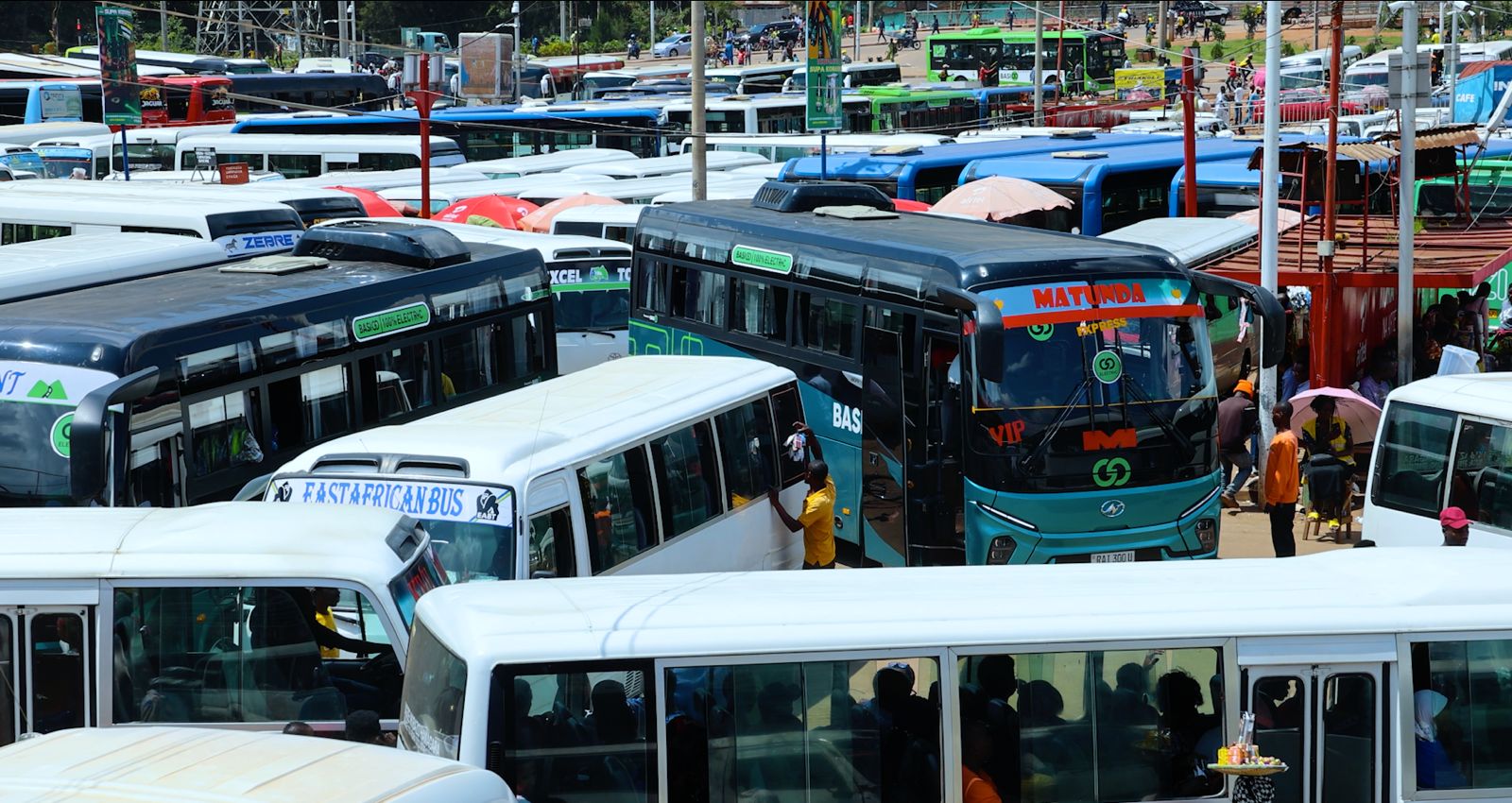
The buses will join an existing fleet operating on routes linking Kigali with destinations including Nyagatare, Rusumo, Rubavu, Karongi, Musanze, Huye and Nyamata.
Despite the expanded range, charging infrastructure remains one of the main challenges facing the growth of electric mobility in Rwanda. At present, dedicated charging stations are available only in Kigali and Muhanga.
BasiGo said it is expanding its charging network and plans to open additional stations in Huye, Rusizi and Rubavu to support long-distance operations.
Because the company provides both the buses and charging infrastructure, Kizihira said expansion of charging facilities is essential to sustaining growth in the sector.
Drivers who have operated electric buses say the vehicles are easier to drive and cheaper to run than conventional diesel-powered buses.
According to company estimates, electricity costs for a bus operating on the Kigali-Rusizi route range between Rwf1.8 million and Rwf2 million per month, compared with roughly Rwf6 million in monthly fuel costs for a diesel bus covering the same route.
BasiGo currently operates 52 electric buses in Rwanda and plans to increase the fleet to 100 by the end of the year. The company also aims to deploy 1,000 electric buses across East Africa within the next three years.
Each of the newly launched buses costs more than $100,000. The vehicles are manufactured in partnership with a Chinese company, assembled in Nairobi, Kenya, and then transported to Rwanda for operation.
The expansion comes as Rwanda continues to promote electric mobility as part of its broader strategy to reduce transport emissions and lower the country’s fuel import bill.
