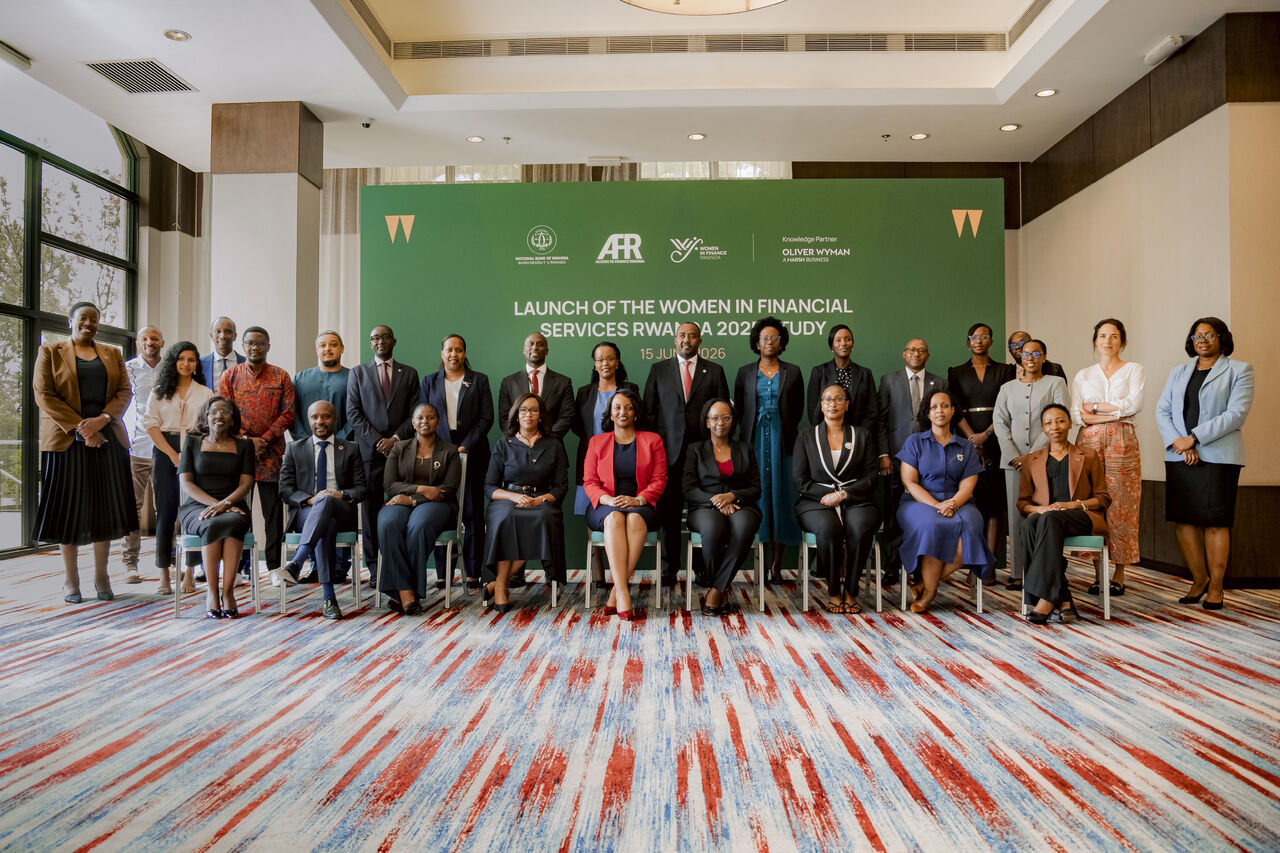
KIGALI – Rwanda’s financial sector has achieved something many countries are still struggling to do. Women are increasingly visible in boardrooms, executive offices and senior management positions.
But a new study suggests there is a problem hiding beneath that success.
While women enter the sector in large numbers and with ambitions similar to those of men, many are leaving long before they reach senior leadership. Others remain in the industry but advance more slowly, creating a gap that widens as careers progress.
The Women in Financial Services Rwanda 2025 Study found that women make up the majority of employees at entry level, yet account for nearly two-thirds of those leaving at that stage.
For industry leaders, that raises an uncomfortable question of why many women are disappearing from the leadership pipeline of Rwanda is producing talented women.
Success at the Top, Leaks in the Pipeline
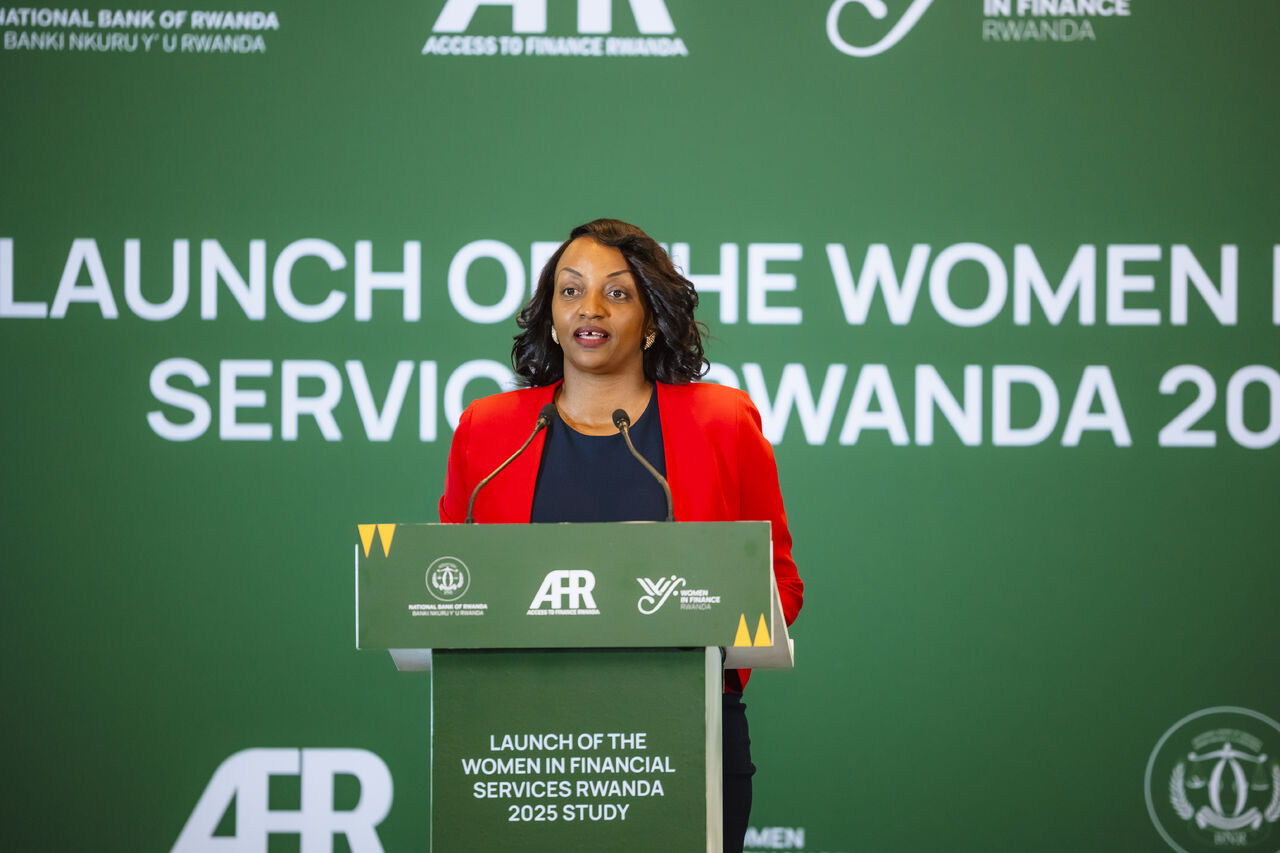
National Bank of Rwanda Governor Soraya Hakuziyaremye
The study shows that Rwanda has made significant progress in promoting women into leadership. Women now occupy nearly four in every ten CEO and board positions in the financial sector.
Yet researchers found that the journey to those positions remains much harder for many women.
Half of the women surveyed said they had never received a promotion. Across the sector, women receive fewer promotions than men despite having similar career ambitions.
The study also found that women are more likely to work in support functions such as administration, customer service and human resources, while men dominate areas like finance, risk, operations and business development, roles that often serve as stepping stones to executive leadership.
National Bank of Rwanda Governor Soraya Hakuziyaremye said the findings show that while Rwanda has made genuine progress in women’s representation at leadership level, deeper challenges remain within the system.
“Progress at the top does not mean that the pipeline is healthy. Promotion rates for women remain lower, attrition is higher, pay equity concerns persist, and women remain underrepresented in technical, strategic and revenue-generating roles,” she said.
According to her, these are not soft issues. They are structural inefficiencies that weaken institutional performance and limit the talent our sector can draw on.
The Governor noted that Rwanda’s progress did not happen by accident but through deliberate policy choices that expanded opportunities for women.

Sustaining that progress, she said, will require institutions to pay greater attention to what happens between entry-level recruitment and the executive suite.
Women already make up a significant share of the sector’s workforce and increasingly occupy senior leadership positions. The challenge now is ensuring that more of them remain on the path to leadership.
“Inclusion is not charity. It is strategy. More inclusive financial systems are stronger systems, more resilient, more competitive and better positioned to sustain long-term growth,” Hakuziyaremye said.
Ambition is Not the Problem
One of the study’s most striking findings challenges a common assumption that women are less interested in leadership positions.
Researchers found that three out of four women aspire to reach senior management or higher, while nearly half aim for executive or board-level roles.
The problem, the report suggests, is not a lack of ambition but the barriers that appear along the way.
Women who participated in the study pointed to challenges balancing work and family responsibilities, limited access to high-profile assignments, fewer opportunities for professional certifications and concerns about workplace culture.
Access to Finance Rwanda Acting Chief Executive Officer, Agnès Uwanyiligira said the findings offer an opportunity for institutions to look beyond the numbers.
“This study is helping us understand why talented women who enter the sector with ambition and potential do not always advance at the same rate as their male peers. The goal is to move beyond assumptions and identify the actions needed to create stronger pathways to leadership.”
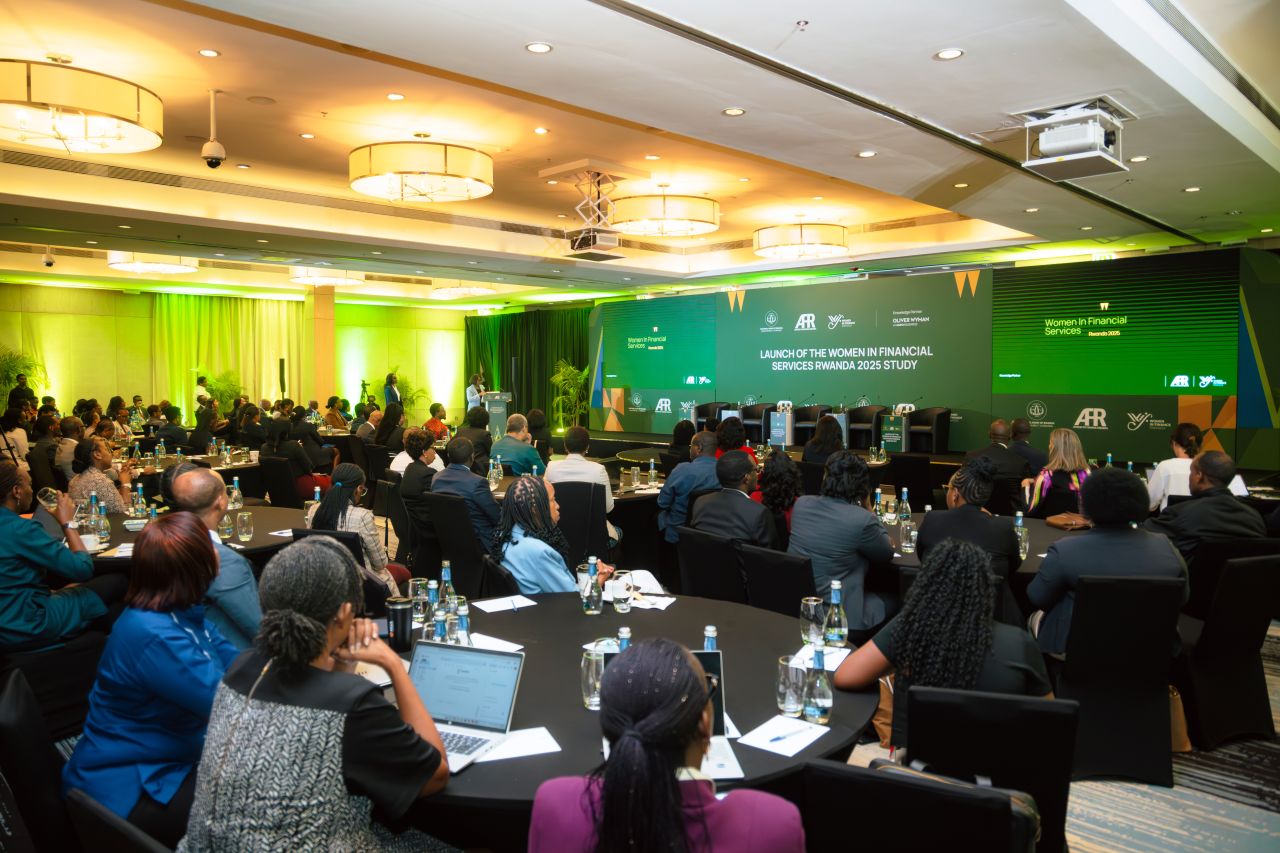
A Talent Challenge for the Industry
For bankers and regulators, the findings carry a warning.
Financial institutions invest heavily in recruiting and training talented professionals. When large numbers leave before reaching leadership positions, that investment is lost.
Managing Director of NCBA Bank Rwanda Maurice Toroitich said the industry should focus less on celebrating representation at the top and more on what is happening below it.
“What concerns me most is not the representation at the top. It is what happens in the pipeline below. We recruit talented women, we train them and invest in their development, yet too many are leaving or progressing more slowly than expected. That should matter to every leader because it represents lost talent and lost potential,” Toroitich said.
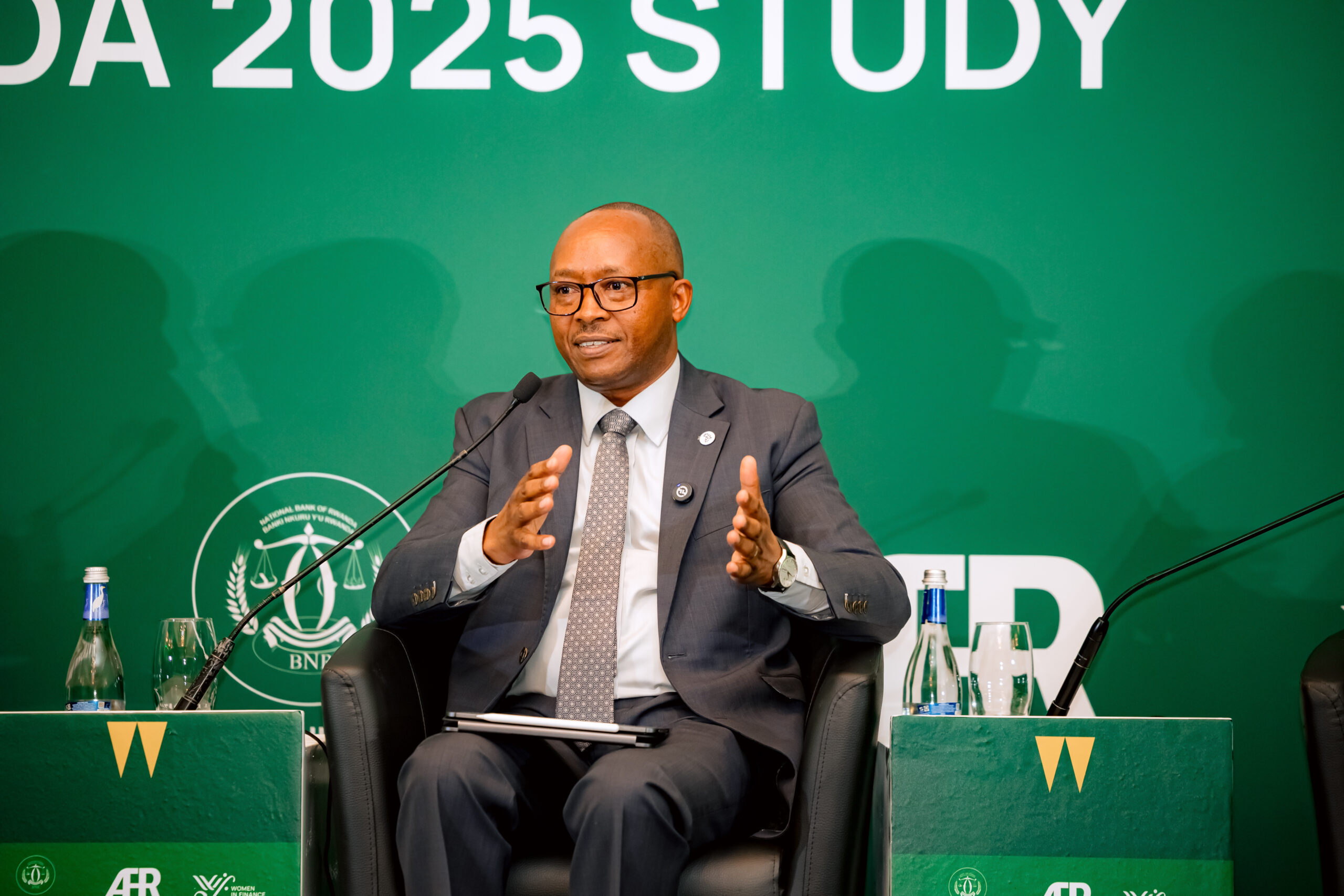
Managing Director of NCBA Bank Rwanda Maurice Toroitich
As Rwanda seeks to position itself as a regional financial hub, the study argues that retaining and developing female talent is no longer simply a question of representation.
For Rwanda’s financial sector, the warning from the study is that the country has succeeded in opening the boardroom door to more women. The next challenge is making sure talented women do not leave the corridor before they get there.