



KIGALI — Rwanda could be earning more than Rwf600 billion (US$430 million) annually from leather products but is currently generating less than Rwf44 billion (US$30 million) because most of its animal hides and skins are exported without significant processing, the government has said.
The disclosure highlights a longstanding challenge facing Rwanda’s industrial sector: how to move from exporting raw materials to producing higher-value goods for international markets.
Leather is made from the skins of a wide variety of animals. While cattle account for about 65% of the global leather supply, hides from goats, sheep, and pigs are also major raw materials. Goatskin alone makes up roughly 9% to 11% of global leather production.
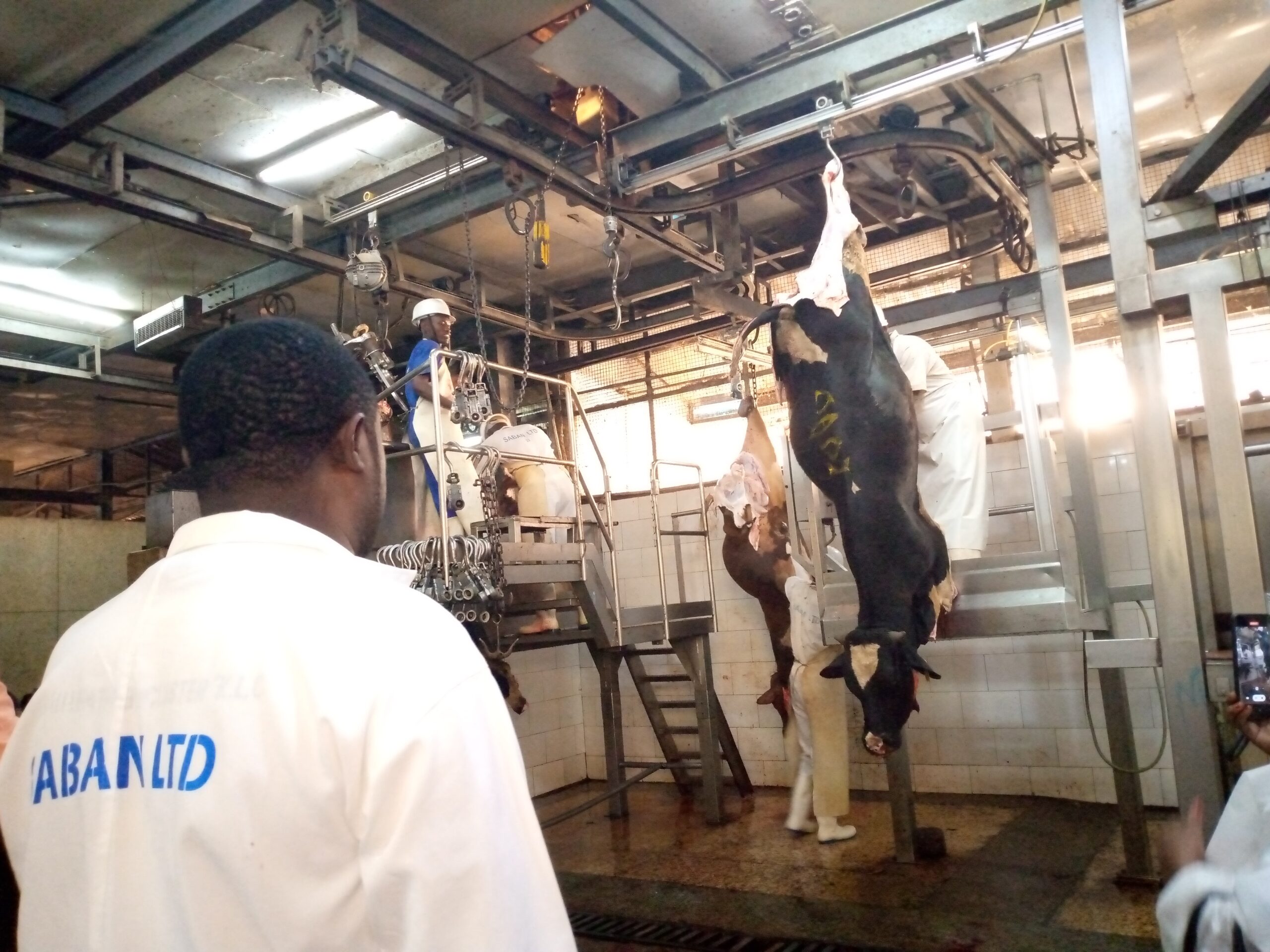
For cattle alone, there are up to 1.6m cattle in the country. Daily, at least 240 are slaughtered, or about 86,000 cattle annually.
Speaking before Parliament on June 9 while presenting Rwanda’s National Industrial Development Strategy 2024–2034, Trade and Industry Minister Prudence Sebahizi said the country possesses some of the most sought-after hides and skins on global markets but continues to capture only a fraction of their potential value.
“Rwanda’s hides are highly appreciated internationally, yet we export them with little or no value addition,” Sebahizi told lawmakers.
“Our analysis shows that these products could generate more than US$450 million annually. However, when they are exported in raw form, the country earns less than US$30 million.”
The leather sector has therefore been identified as one of the priority industries under Rwanda’s decade-long industrialisation strategy, which seeks to increase manufacturing, create jobs and boost export revenues.
A Missed Opportunity
The issue has been on the government’s agenda for years.
President Paul Kagame has repeatedly questioned why Rwanda continues to export raw hides despite possessing what industry experts describe as some of Africa’s highest-quality leather resources.
Speaking at the 15th National Congress of the ruling RPF-Inkotanyi in April 2022, Kagame challenged government institutions to accelerate efforts to establish a modern leather manufacturing industry.
“We have cattle and other livestock. Animals are slaughtered for meat, while the hides are sold cheaply or even wasted, yet there is a large international market for leather products such as shoes,” he said.
The President noted that during visits to West African countries over the years, he had frequently been told that hides originating from Rwanda rank among the best in the world, raising questions about why the country had not invested more aggressively in processing them locally.
Why Progress Has Been Slow
The economic cost of underdeveloped leather processing is already being felt across the sector. In 2024, hides and skins dealers reported that more than 100 tonnes of hides and skins were sitting unsold in warehouses across Rwanda, with some beginning to deteriorate due to lack of buyers.
Industry representatives said prices had collapsed from between Rwf1,500 and Rwf3,000 per kilogram in 2015 to just Rwf500–600, citing market saturation within the East African Community and limited access to overseas markets.
Traders also complained that the absence of a local leather-processing industry leaves them dependent on exporting raw hides at low prices, even as demand for leather products remains strong in markets such as China, Italy and Nigeria.
Following Kagame’s remarks, plans were announced to establish a modern tannery and leather-processing facility.
The project was initially earmarked for Bugesera District, but the Ministry of Finance and Economic Planning recently informed Parliament that new feasibility studies recommend relocating it to Gicumbi District.
According to Sebahizi, the delays reflect the technical and environmental complexities associated with leather processing.
Tanneries require sophisticated technology and strict environmental safeguards because the chemicals used in processing can become hazardous if not properly managed.
“This is a challenge we have been working to address for more than a decade,” Sebahizi said.
“Leather processing requires expensive and highly specialised technology. Many factories that attempted it in the past were unable to meet environmental requirements and eventually ceased operations.”
He added that financing constraints and the high cost of acquiring appropriate technology have also slowed progress.
Part of a Bigger Industrial Push
The government believes that developing a competitive leather industry could significantly increase export earnings while creating jobs across the livestock, manufacturing and retail sectors.
Beyond exporting processed leather, Rwanda aims to eventually manufacture finished products such as shoes, bags, belts and other leather goods for regional and international markets.
If successful, government says the sector could transform an underutilised by-product of the livestock industry into one of Rwanda’s most valuable export industries, helping the country retain more value from resources it already possesses.
