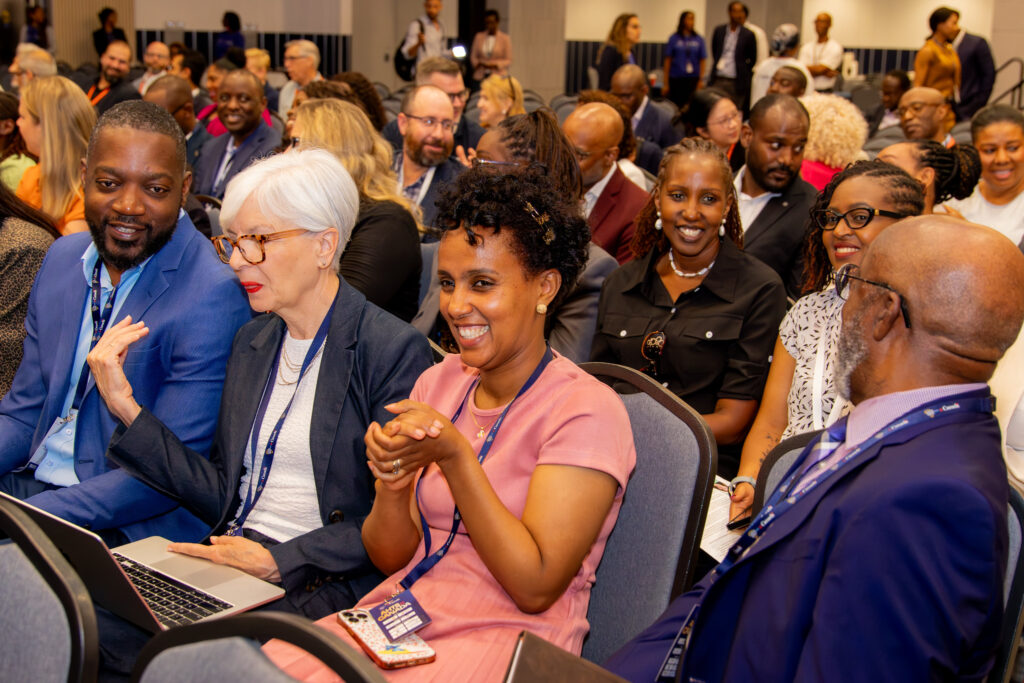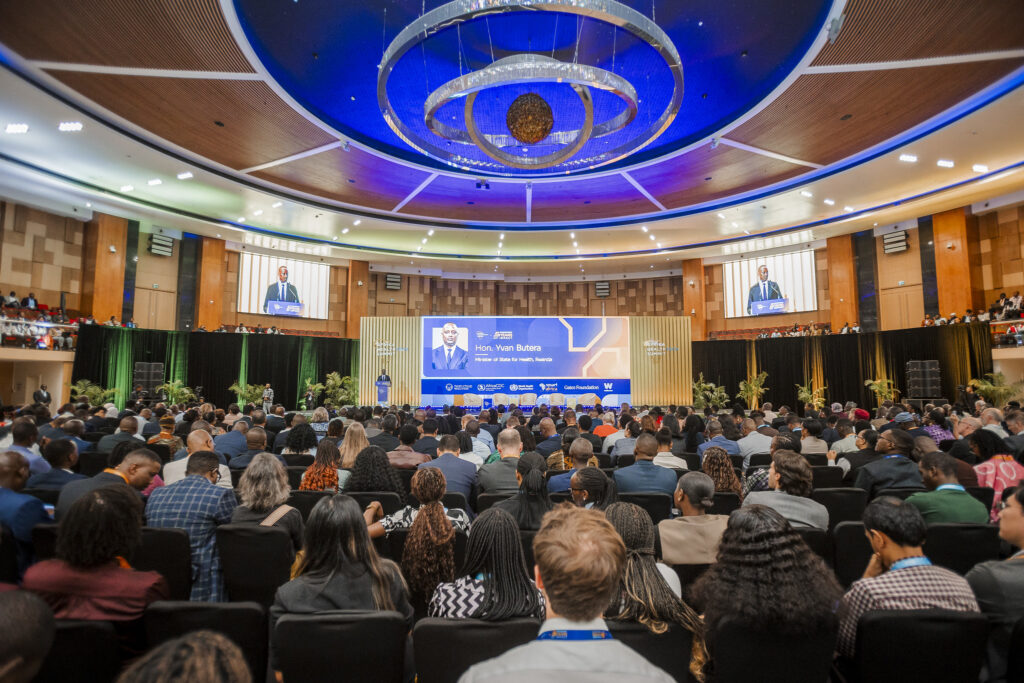
The fifth edition of the Africa HealthTech Summit was held in Kigali from September 30 to October 2, 2026.
KIGALI – There was a time when Jean-Philbert Nsengimana walked to school barefoot, not because his family could not afford shoes, but because the other children could not.
His parents were teachers and could afford to put shoes on their son’s feet but in the school he attended, children were expected to look alike. If one child had shoes and another did not, everyone left theirs behind.
Growing up in the hills of Karongi district overlooking Lake Kivu, he regularly played football barefoot, using a ball made from leaves and plastic bags. The ground was scattered with stones and often returned home with blood running from the same toe.
Decades later, Nsengimana would become a minister, an entrepreneur and the chairman of Africa HealthTech Summit, one of the continent’s biggest health technology annual gatherings.
He would sit at tables with governments, businesses and technology leaders, urging Africa to build its own solutions rather than wait to be invited into other people’s conversations.
But the story of how he got there is not a straight line. It is a story of roads abandoned, roads discovered and sometimes, roads found almost by accident.
A Twisted Education Background
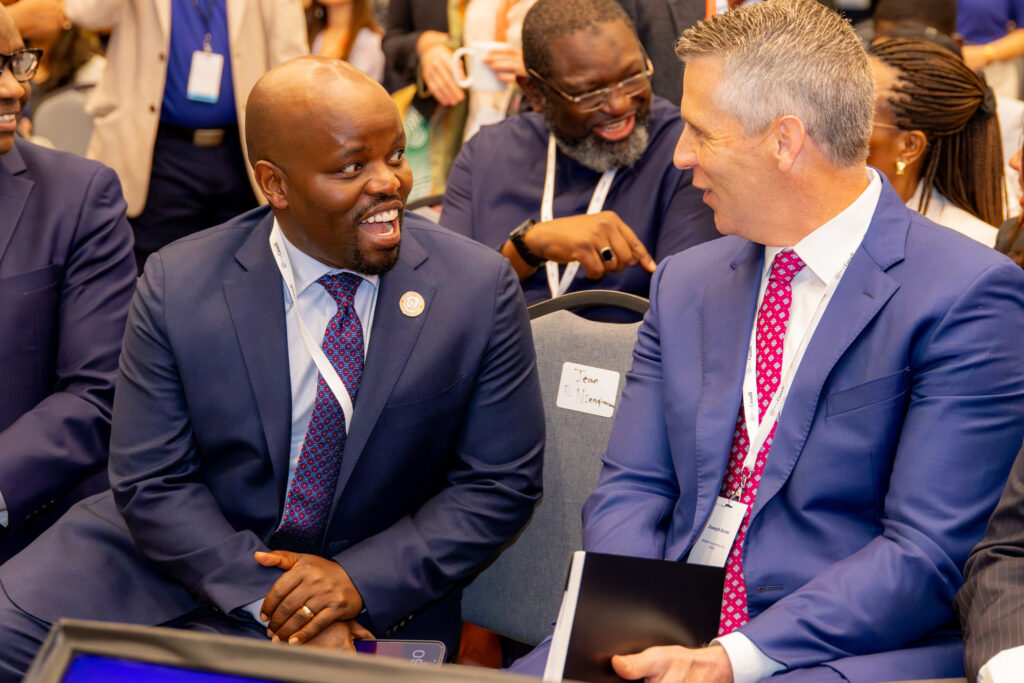
Jean-Philbert Nsengimana (L), walked to school barefoot because the other children could not afford shoes.
Raised in a Catholic family, he was sent to Nyondo seminary, where his first ambition was the to become a priest. The experience eventually made him question whether the priesthood was for him.
“I started realizing that the Catholic Church is a political organization on top of being a religious organization. I was not sure I was ready for that political path,” Nsengimana recalls.
Eventually he chose to study medicine but six months into medical school, the 1994 Genocide against the Tutsi changed everything. The university closed, Rwanda was devastated and its people were scattered.
Nsengimana left the country and returned in 1997 to a place that had been shattered by the catastrophe.
Though medicine remained an option, computer science was emerging as a new field. Some people around him saw it mainly as a way to become a typist but he saw an opportunity.
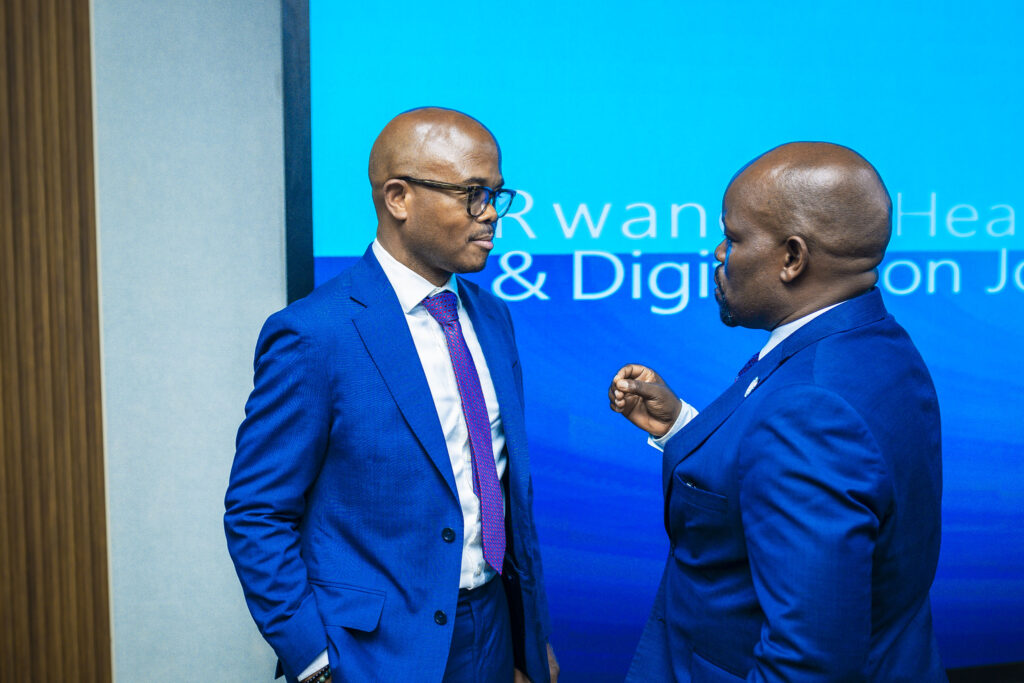
Jean-Philbert Nsengimana discusses with Sand Technologies Founding CEO Fred Swaniker.
There was also a practical calculation. Computer science would take four years, compared to seven years for medicine. After losing time during the crisis, he wanted to catch up.
He graduated as president of the National University of Rwanda Students Association and helped create a broader student movement that brought universities together.
Nsengimana later helped establish a Great Lakes student alliance involving young people from Rwanda and the Democratic Republic of Congo (DRC).
He remembers with a tinge of pride, a scenario when the Nyiragongo volcano erupted and devastated parts of Goma, he helped organize a countrywide campaign to support those affected.
The experience reinforced an understanding that some problems are simply too large for one person or institution to tackle alone. That would become central to his career.
The Defining Moment
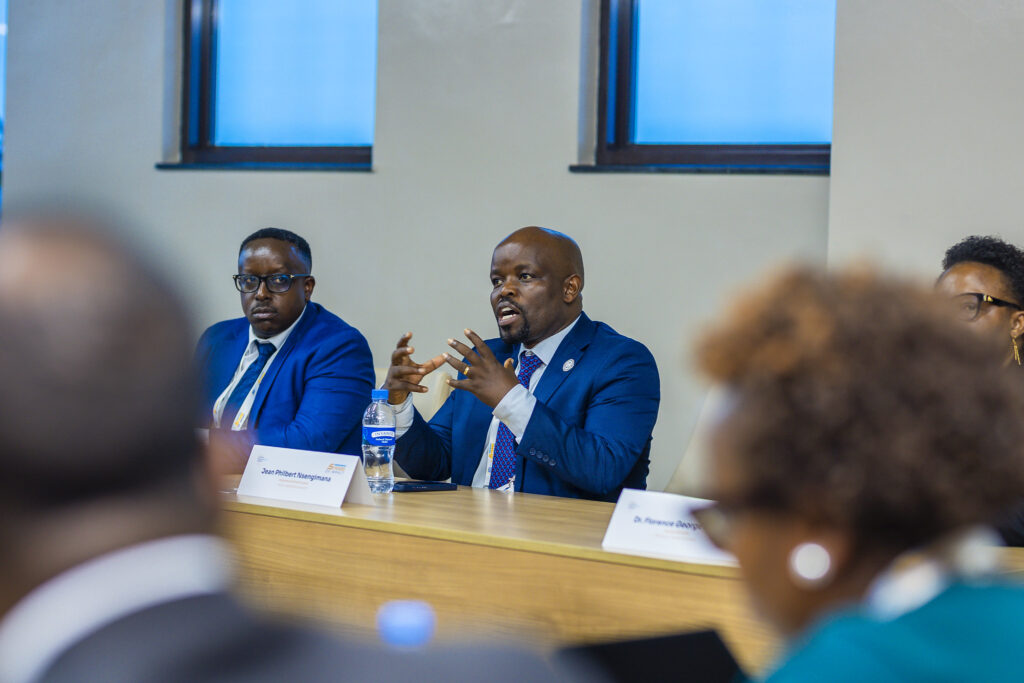
Jean-Philbert Nsengimana seems to have mastered the art of bringing people together.
Six years into his career, Nsengimana decided that technical expertise was not enough. He left his family for a year to pursue an MBA in Singapore. On returning, he received a phone call that initiated him into civil service.
As Rwanda’s youngest minister (37years) at the time, he had what he describes as a “license to make mistakes.” He experimented with new ideas, including Youth Connect, and learned from a boss who gave him room to try.
After his stint in government, he went to Harvard University for a Master in Public Administration.
Looking back, he describes the unusual combination of experiences that shaped him: “I see myself as a combination of a priest, an engineer, a doctor, a politician. Now I’m an entrepreneur.”
But his most consequential lesson came from attending international technology forums as a minister. At the Singapore Global ICT Forum, he was one of 16 ministers. Each made a short statement and the meeting ended.
A similar experience followed in Korea and Nsengimana began asking why African leaders could not create spaces where they could have deeper conversations on their own terms.
Learning to Bring People Together
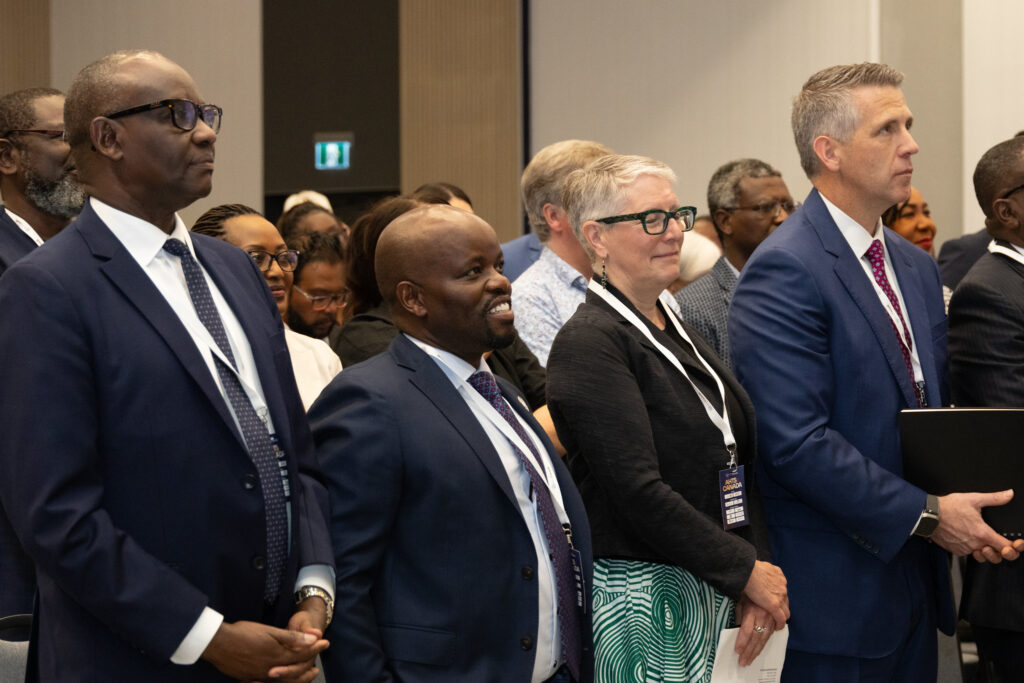
Jean-Philbert Nsengimana appears to be a “people magnet.”
That thinking contributed to the creation of Transform Africa in 2013, after he approached Rwanda’s leadership and then-ITU Secretary-General Hamadoun Toure. The initiative later gave birth to the Smart Africa Alliance.
“If you want to solve a big problem, regardless of the amount of money or time you have, you cannot do it alone. You need other people,” he says. That belief now runs through his work with the Africa HealthTech Summit.
The fifth edition, held in Kigali from September 30 to October 2, brought together health, technology, government and development leaders under the theme “Wellness for All: Powered by Intelligent Health Systems.”
For Nsengimana, the next questions are becoming even bigger.
Africa is adopting artificial intelligence and digital health systems, but who controls the data, infrastructure and intelligence behind them? Can the continent remain only a consumer of technology and still claim meaningful technological sovereignty?
The Bigger Picture
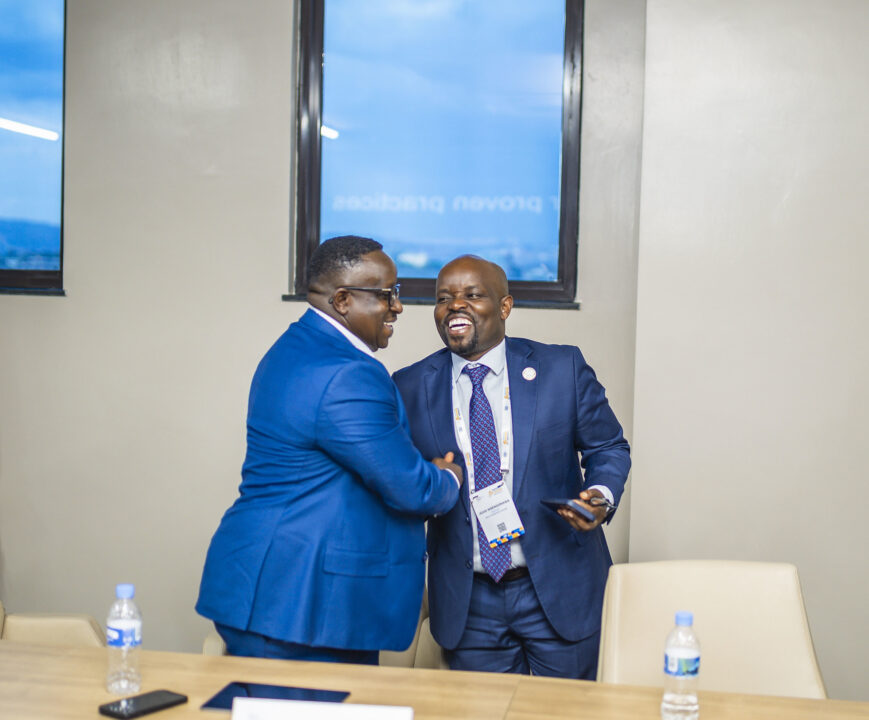
Those questions are part of why he wants AHTS to travel beyond Kigali. The summit has already taken its conversations to Canada, with further Africa-focused engagements planned in Europe, North America and Asia.
An AHTS Europe edition is planned for Amsterdam next July, while discussions are also under way around bringing the summit to Nigeria.
His ambition is not simply to bring more people into African conversations. It is to change the position from which Africa enters them.
“We’ve for a long time waited to be invited to tables. So we’ve decided to turn the tables around and travel the world with our own table,” he said.
For the boy who once walked barefoot because others had no shoes, the metaphor carries an unusual resonance. But Nsengimana’s journey has never really been about finding one permanent place for himself.
It has been about moving when a path no longer made sense, learning from the next one and, eventually, discovering that his greatest contribution might be creating room for other people to solve problems together.