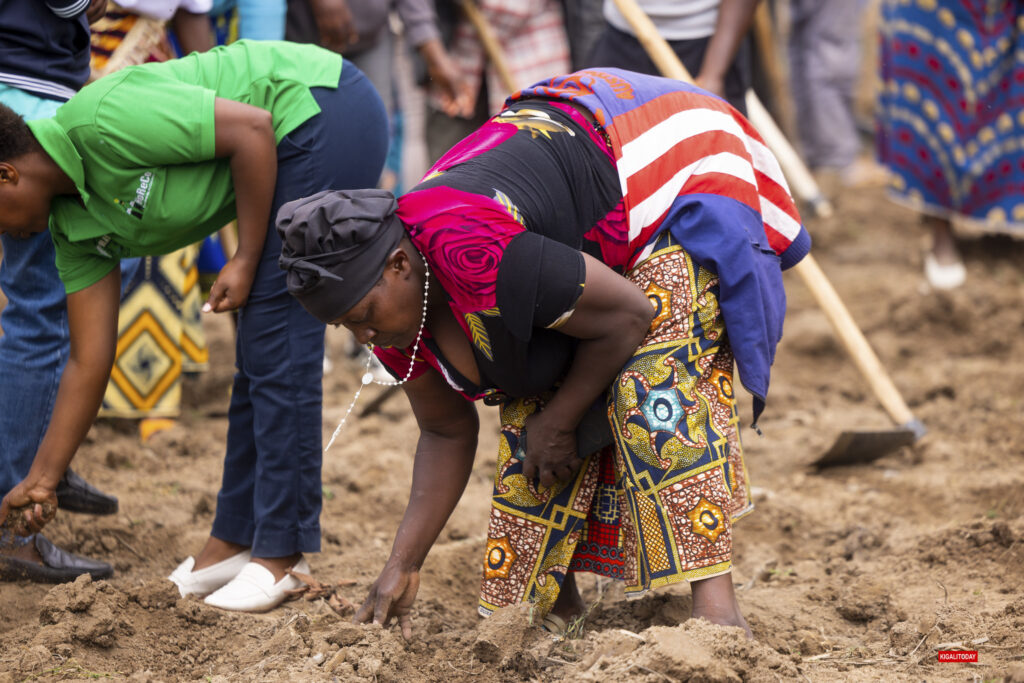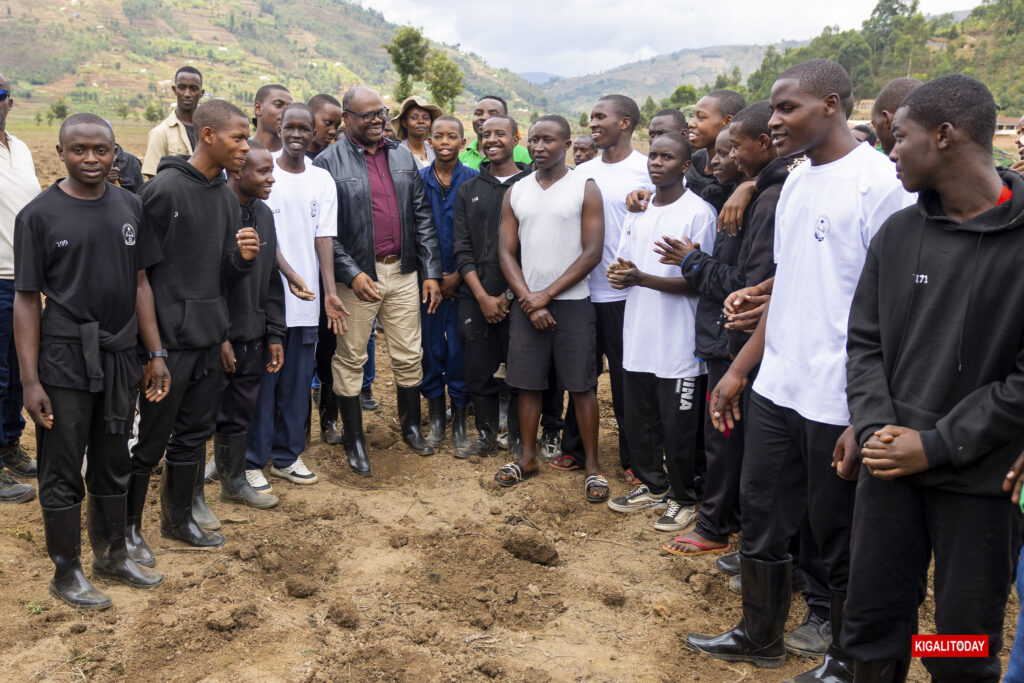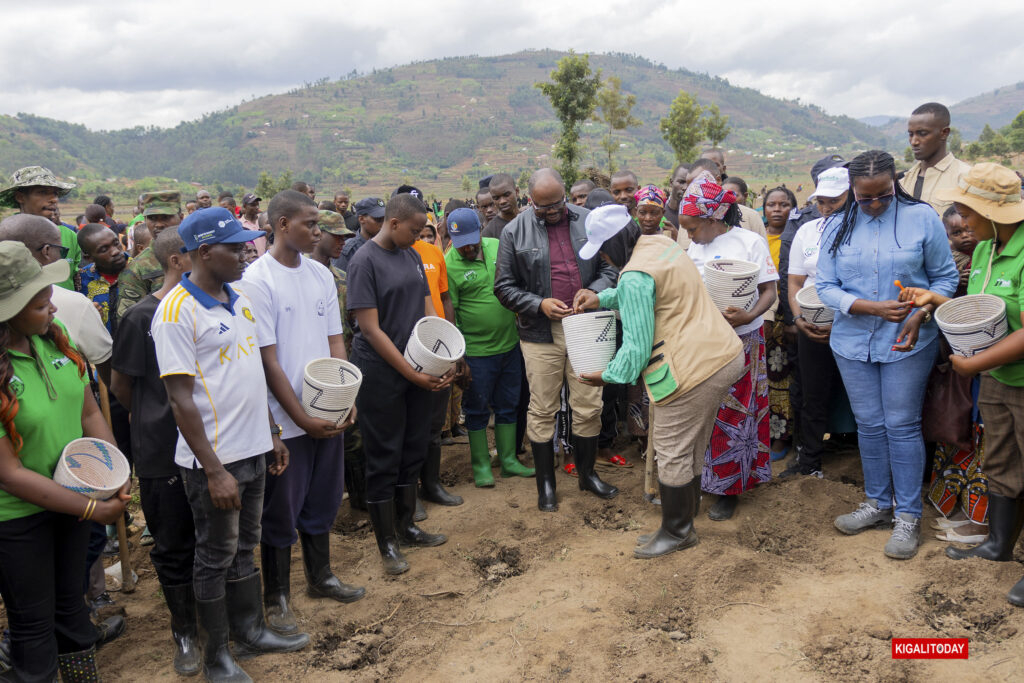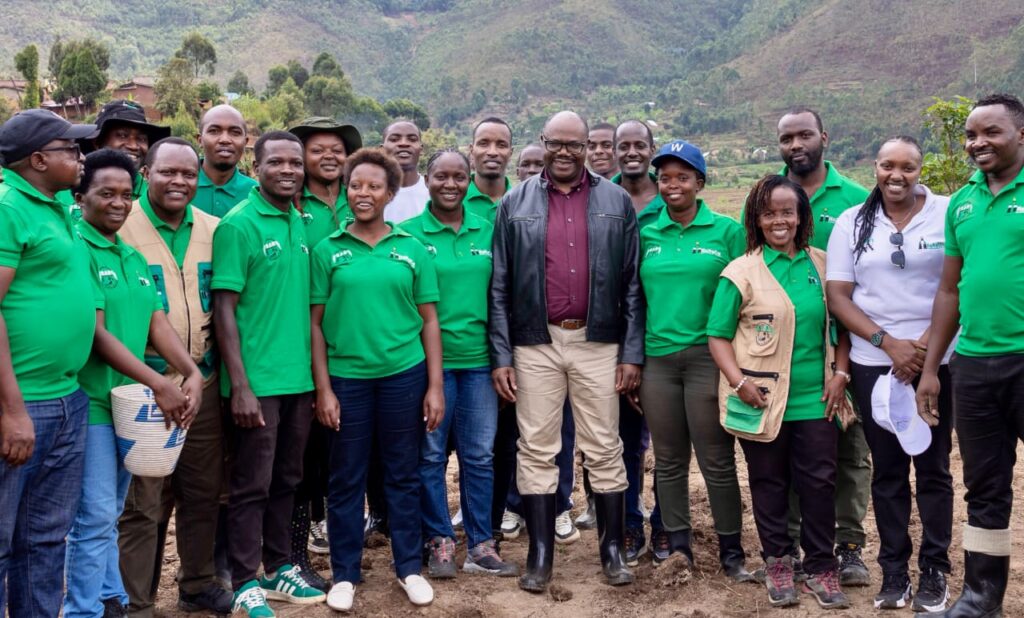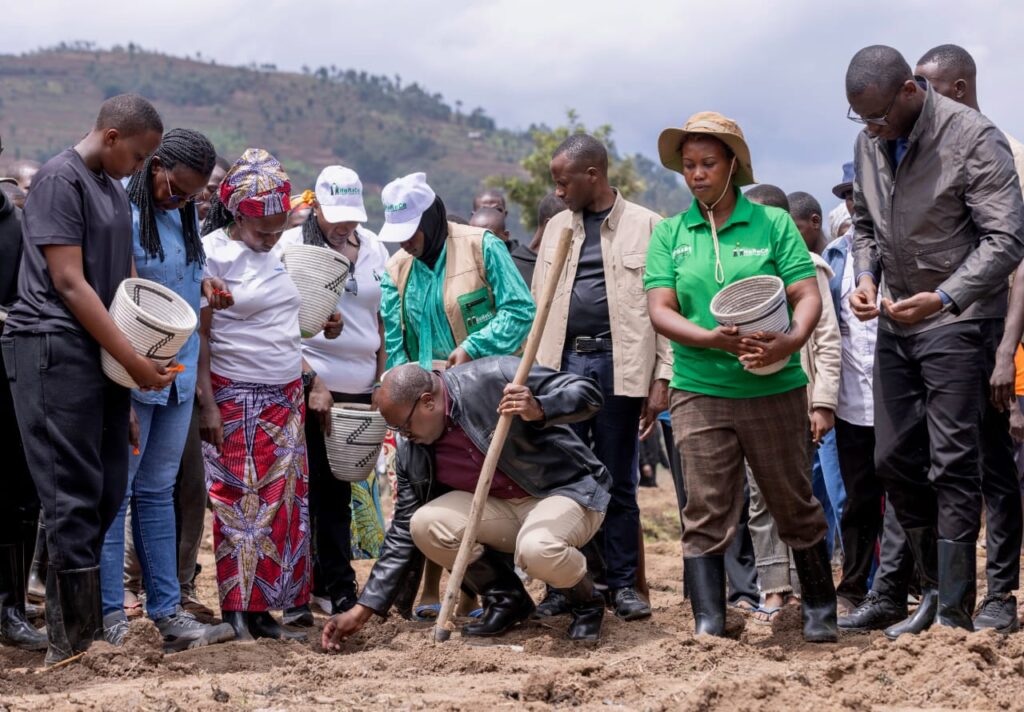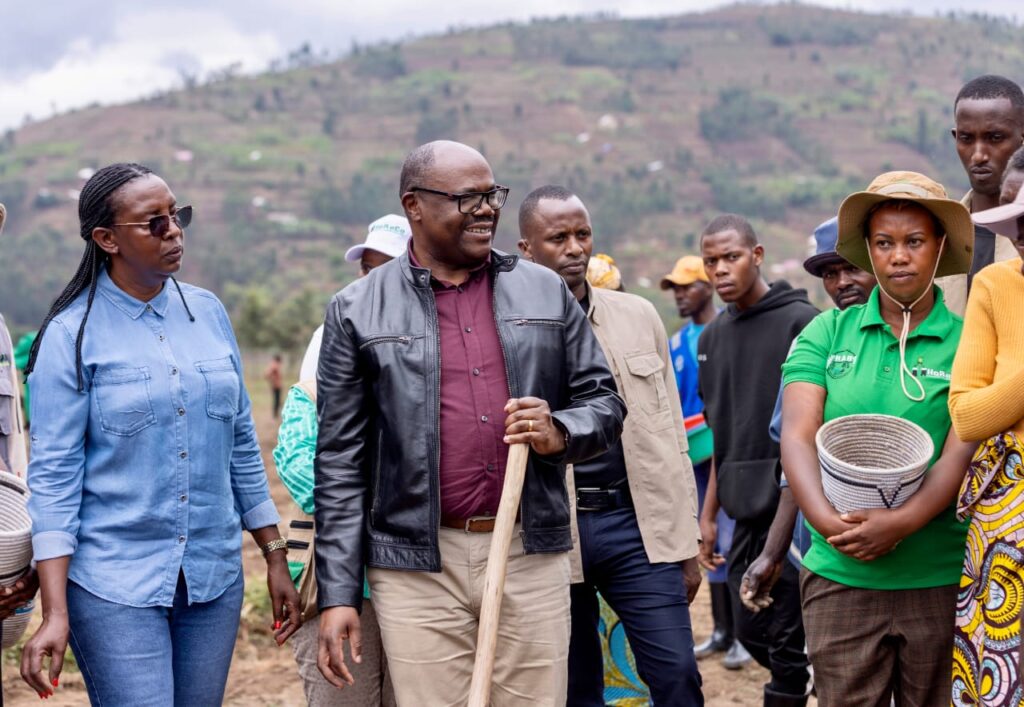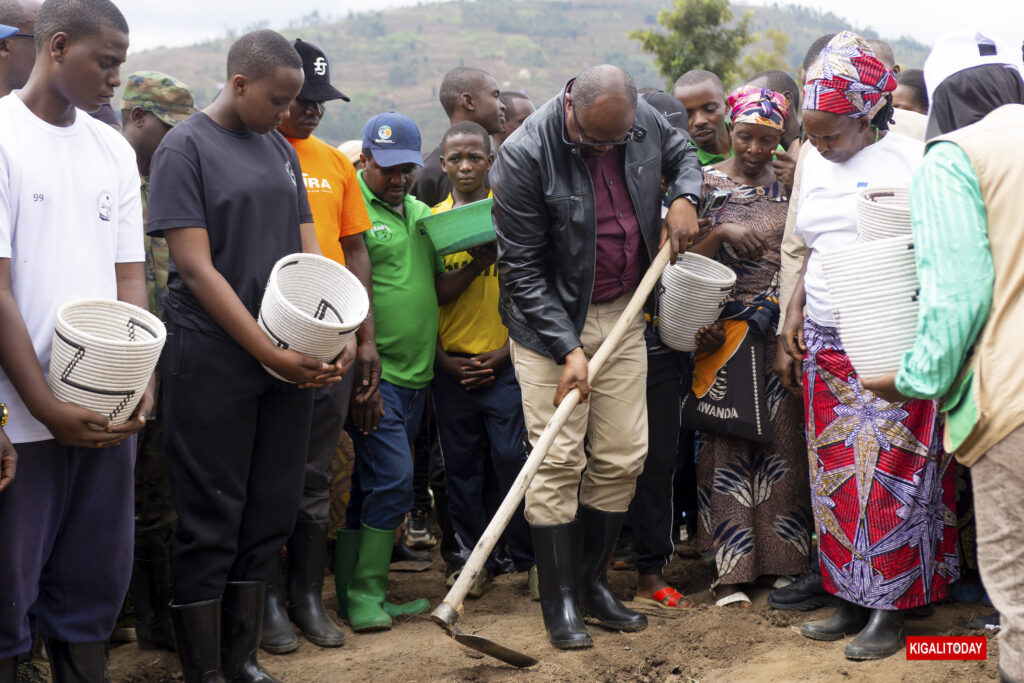
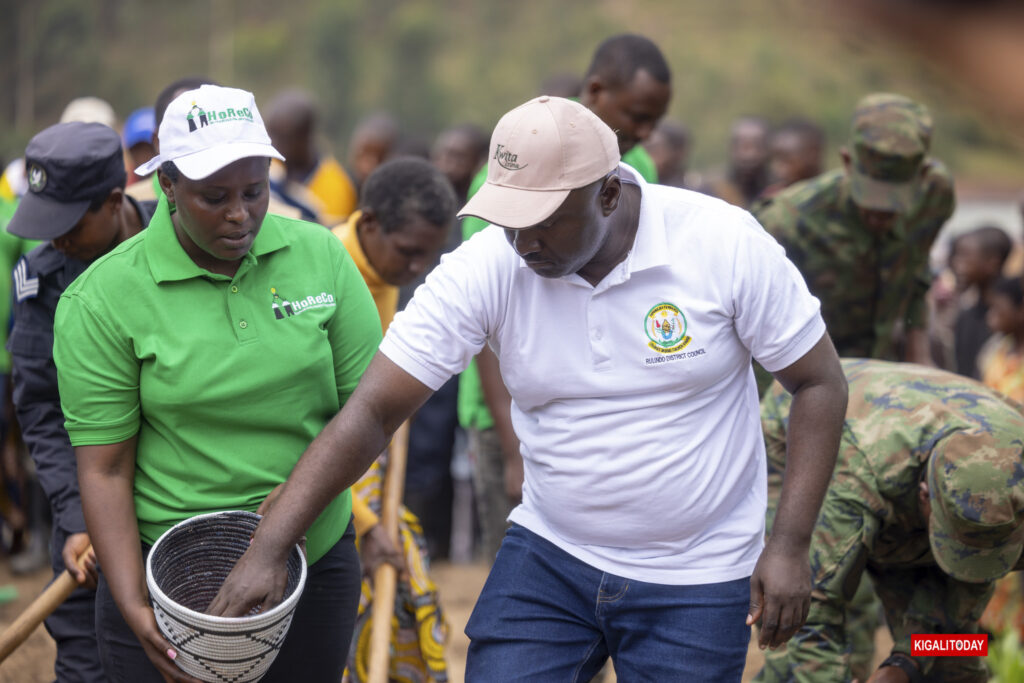
Prime Minister participates in the launch of the 2027 Season A agricultural campaign at Nyarububa Wetland in Rulindo district.
RULINDO – Prime Minister Dr. Justin Nsengiyumva has urged farmers to take responsibility for maintaining agricultural infrastructure, saying investments in facilities such as those at Nyarububa Wetland will only benefit communities if they remain in good working condition.
“When the government invests in agricultural infrastructure, the responsibility does not end with its construction. Farmers must also ensure that these facilities continue to work and deliver the benefits for which they were established,” Nsengiyumva said.
He was speaking on Saturday, October 10, during the launch of the 2027 Season A agricultural campaign at Nyarububa Wetland in Rulindo District.
Nsengiyumva said farmers could use income from their agricultural activities to maintain shared facilities or organize communal work through Umuganda to prevent infrastructure from falling into disrepair.
“The government will always continue providing the basic infrastructure farmers need, but communities must also take ownership of these investments. By working together, they can help ensure that these facilities remain functional and productive,” he said.
He also asked residents to work together to make better use of other development projects and the facilities available in their communities.
Better Farming, Higher Yields
 The Prime Minister called on farmers to improve their farming methods and prepare their land for the coming rainy season to increase yields and protect their crops.
“We must work harder and improve the way we farm if we are to get the best possible yields from our land. As the rains approach, you should also take precautions, including constructing terraces and trenches to manage runoff and reduce the risk of damage,” he said.
Rwanda has been promoting improved farming methods, better land management and designated agricultural production zones as part of efforts to increase agricultural output.
Nyarububa Wetland covers 97.27 hectares and is cultivated by 1,302 farmers organized under Koyakiru Cooperative. It was developed in 2008 through the Second Rural Sector Support Project (RSSP II), which aimed to increase agricultural production through farming in wetlands and on hillsides.
The wetland is now part of Rulindo district’s Food Basket Areas (FOBASI) initiative, which aims to increase crop yields per hectare.
For the 2027 Season A, farmers have planted maize on 85.77 hectares, Irish potatoes on 10 hectares and vegetables on 1.5 hectares.
Rulindo district Mayor Judith Mukanyirigira said the focus on maize reflects its importance to household food security.
“Maize is a staple food for many households, so ensuring that it is available in sufficient quantities is important for food security. When its supply is disrupted, households become more vulnerable to food shortages,” she said.
Maize occupies most of the cultivated land at Nyarububa, alongside Irish potatoes and vegetables.
Health Concerns
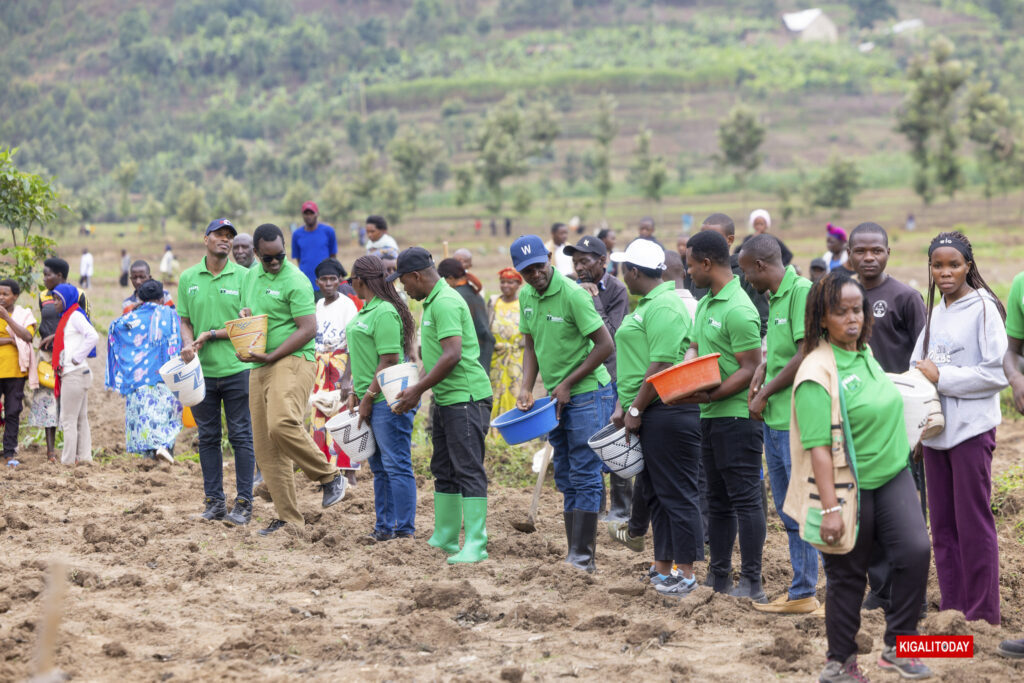 The Prime Minister called on farmers to improve their farming practices to maximize production, while preparing their land for the coming rainy season.
“We must work harder and improve the way we farm if we are to get the best possible yields from our land. As the rains approach, you should also take precautions, including constructing terraces and trenches to manage runoff and reduce the risk of damage,” he said.
The message comes as Rwanda continues to pursue higher agricultural productivity through improved farming methods, better land management and the use of designated agricultural production zones.
Nyarububa Wetland covers 97.27 hectares and is cultivated by 1,302 farmers organized under Koyakiru Cooperative. It was developed in 2008 through the Second Rural Sector Support Project (RSSP II), which sought to increase agricultural production by promoting farming in wetlands and on hillsides.
The wetland is now among the areas designated under Rulindo district’s Food Basket Areas (FOBASI) initiative, which aims to increase yields per hectare. For the 2027 Season A, maize has been planted on 85.77 hectares, Irish potatoes on 10 hectares and vegetables on 1.5 hectares.
Rulindo district Mayor Judith Mukanyirigira said the focus on maize reflects its importance to household food security.
“Maize is a staple food for many households, so ensuring that it is available in sufficient quantities is important for food security. When its supply is disrupted, households become more vulnerable to food shortages,” she said.
Maize occupies most of the cultivated land at Nyarububa, alongside Irish potatoes and vegetables.
 Nsengiyumva also called for stronger efforts to reduce malnutrition and stunting, asking residents to pay greater attention to nutrition and community health.
He also encouraged residents to help stop the consumption of illicit alcoholic beverages, raising public health concerns alongside his message on agricultural development.
At Nyarububa, sustaining agricultural production will depend not only on planting crops but also on protecting farmland against erosion, maintaining infrastructure and improving farming methods.
The Prime Minister said government investment and community involvement must go hand in hand to ensure that agricultural facilities continue to serve farmers and support higher yields