

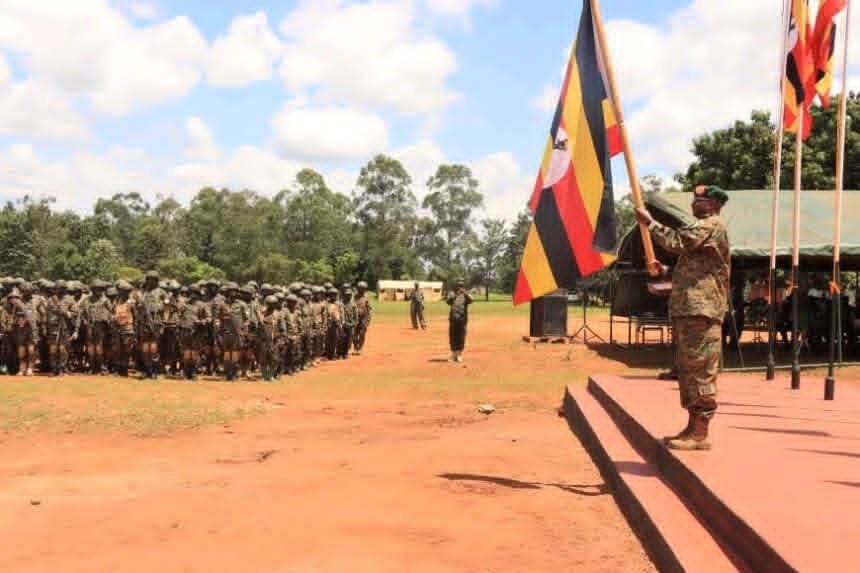
KAMPALA – Uganda has begun withdrawing its troops from Somalia, setting in motion the end of a military deployment that has lasted nearly 20 years, as the African Union mission faces growing uncertainty over its funding and future.
The Uganda People’s Defence Forces (UPDF) said on Monday, November 2, that it had started withdrawing troops deployed under bilateral security arrangements with the Somali government. The operation is expected to be completed within days.
In a statement issued in Kampala, UPDF Acting Director of Defence Public Information, Colonel Chris Magezi, said the first group of troops under the phased withdrawal had already returned to Uganda.
The military also confirmed that all Ugandan forces in Somalia, including those serving under the African Union Support and Stabilization Mission in Somalia (AUSSOM), would be gradually withdrawn by the end of 2027.
“This will mark the end of Uganda’s enduring 20-year peace and stabilization support operations in Somalia, permitting the Somali Armed Forces to assume full responsibility for security in the country,” Magezi said.
The announcement follows a decision by Uganda’s army chief, General Muhoozi Kainerugaba, to end the country’s military deployment in Somalia. On October 29, Kainerugaba announced that Uganda would withdraw its troops, with the full exit expected by August 1, 2027.
The first 109 Ugandan soldiers reportedly left Mogadishu on October 30.
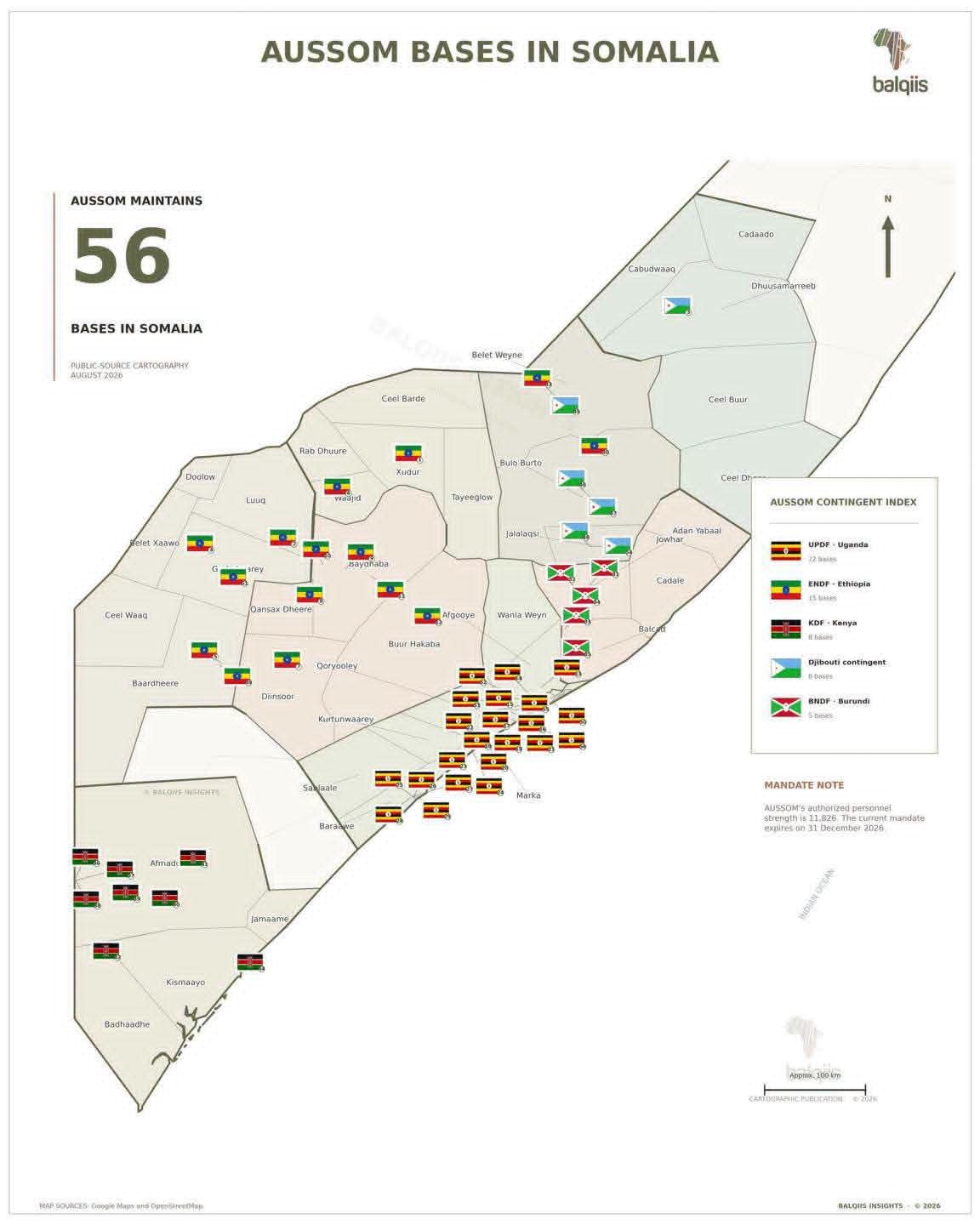
Uganda first deployed troops to Somalia in March 2007 under the African Union Mission in Somalia (AMISOM), becoming the first African country to contribute forces to the operation.
The deployment followed years of instability after the collapse of Somalia’s central government in 1991. The rise of the al-Shabaab militant group created a major security threat, prompting regional and international efforts to support the Somali government.
Ugandan troops played a central role in efforts to secure Mogadishu, protect government institutions and help Somali forces regain control of territory from al-Shabaab. They also took part in operations to clear roads and towns, particularly in the southern regions.
The African Union mission later transitioned into the African Union Transition Mission in Somalia (ATMIS), before AUSSOM took over in January 2025.
Uganda has remained one of the largest troop contributors throughout these operations. Under AUSSOM’s agreed force allocation, Uganda was assigned 4,500 troops. Ethiopia was allocated 2,500, Djibouti 1,520, Kenya 1,410 and Egypt 1,091.
Uganda’s departure will therefore leave the other four countries as the principal military contributors to the mission, although their actual numbers on the ground may differ from the authorised allocations.
The withdrawal comes as AUSSOM faces financial pressure following a US decision to oppose continued United Nations logistical and operational support for the mission.
In July 2026, Washington informed the African Union that it would not support the United Nations Support Office in Somalia beyond December 31, 2026. The office provides essential services to African Union forces, including food, fuel, water, medical support and transportation.
The decision has raised concerns about how the mission will sustain its operations if alternative funding and logistical arrangements are not secured.
Uganda’s withdrawal does not, by itself, mean that all African Union or United Nations personnel will leave Somalia. The remaining AUSSOM contributors are expected to continue their roles, although the mission’s ability to operate will depend partly on the outcome of the funding dispute.
Somalia also hosts foreign forces operating under separate bilateral security arrangements, including Ethiopian and Kenyan troops. Their presence is not automatically affected by Uganda’s withdrawal from AUSSOM.
The transition comes amid continuing concerns about the ability of Somali forces to maintain security as foreign troops leave. Al-Shabaab remains active in parts of the country.
Somali President Hassan Sheikh Mohamud reportedly asked Uganda’s President Yoweri Museveni to delay the withdrawal from some positions in the Lower Shabelle region, including Barawe, Bulo Marer, Qoryoley and Janaale, where Somali forces may face difficulties taking over security responsibilities.
Uganda’s departure will mark a significant change in Somalia’s security arrangements, placing greater responsibility on the Somali Armed Forces after nearly two decades of support from Ugandan troops.
