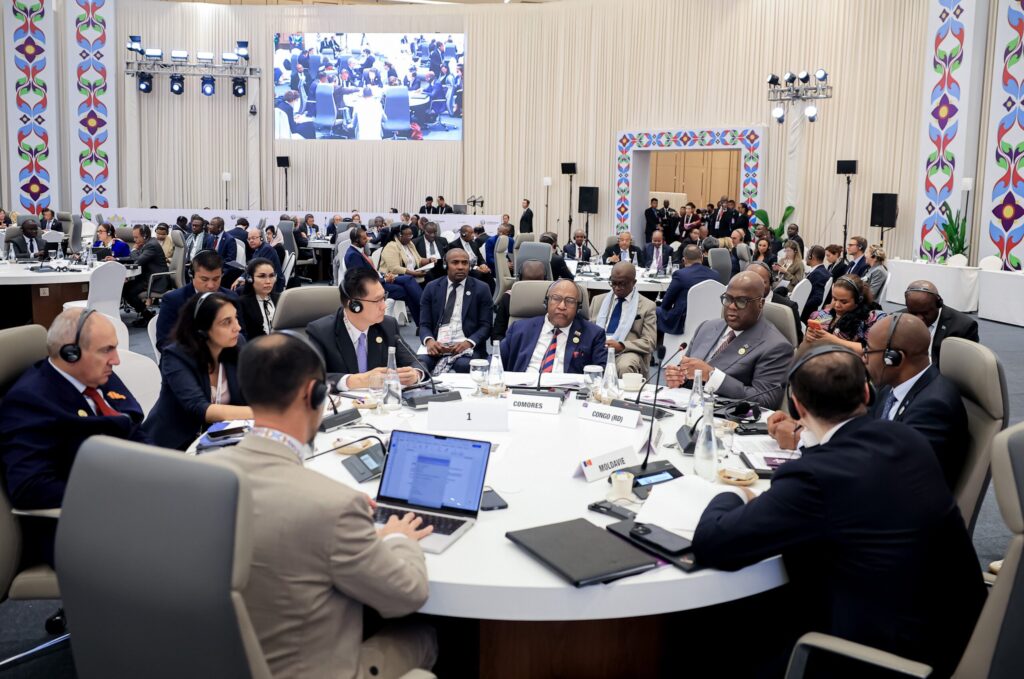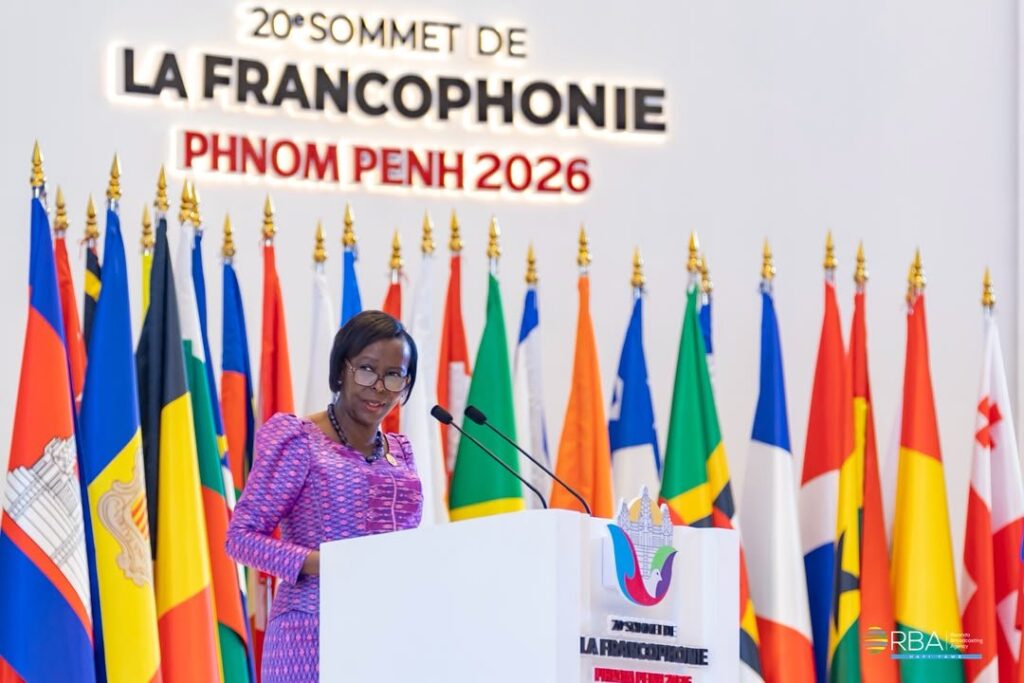



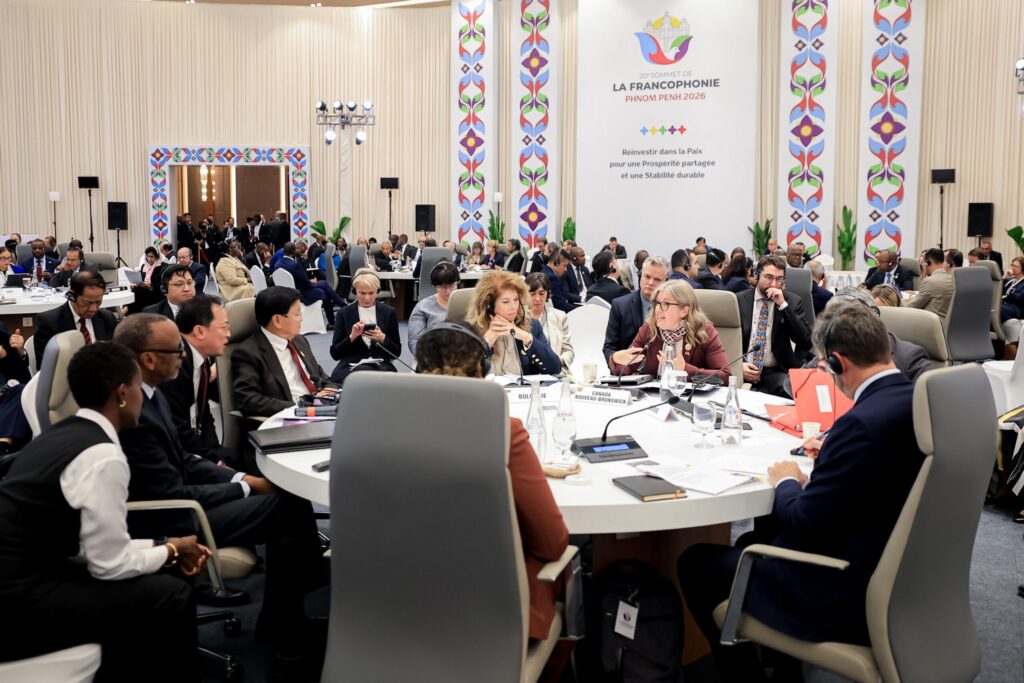
 PHNOM PENH – The contest over who should lead the International Organization of La Francophonie (OIF) has exposed deep diplomatic divisions within an organization whose founding principle is to bring countries together through a shared language, cooperation and common values.
Rwanda’s Louise Mushikiwabo, whose second term as Secretary-General was due to end, has been granted a one-year extension after heads of state and government failed to reach an agreement on her successor during the summit in Phnom Penh.
The failure to resolve the leadership contest reflects a widening disagreement among member states over how the next Secretary-General should be selected. While one camp pushed for an election, others favored avoiding a vote in favor of reaching consensus on a single candidate.
The OIF recently amended its rules, making an election the preferred method of selecting the Secretary-General.
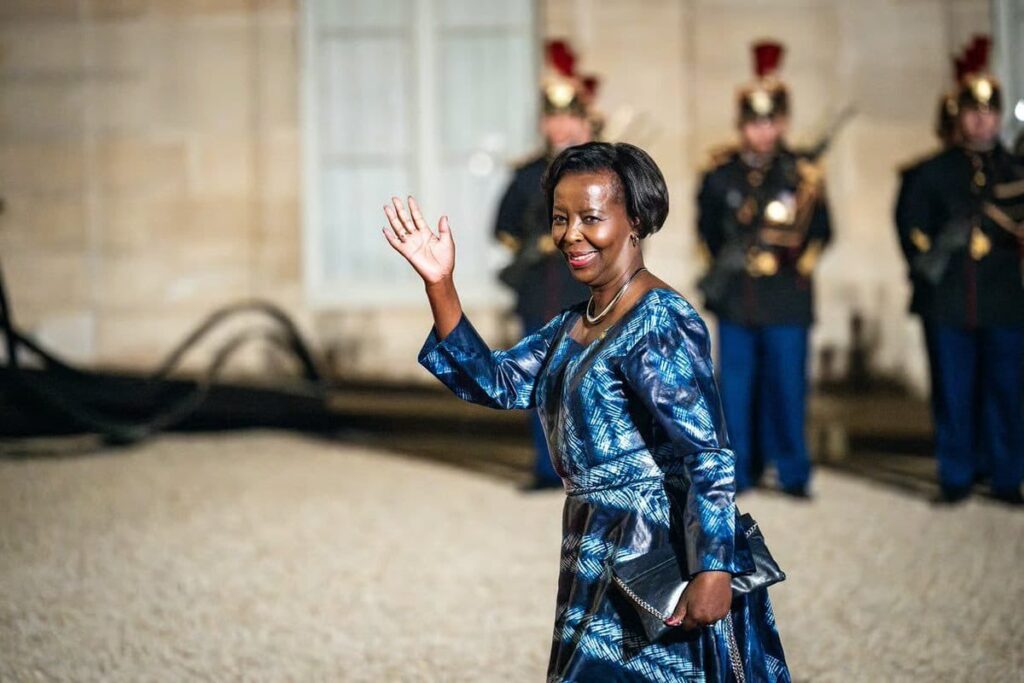
Under the new system, each member state has one vote, marking a departure from the previous practice, which prioritized consensus and gave considerable influence to major financial contributors such as Canada and France.
The stalemate followed days of intense diplomatic maneuvering, including an unsuccessful attempt by Senegalese President Bassirou Diomaye Faye to persuade President Paul Kagame to withdraw Mushikiwabo’s candidacy.
According to diplomatic reporting by Africa Intelligence, a meeting convened at Faye’s initiative on the evening of November 15 failed to change Rwanda’s position, leaving member states unable to resolve the contest.
A Regional Dispute Enters the Francophonie
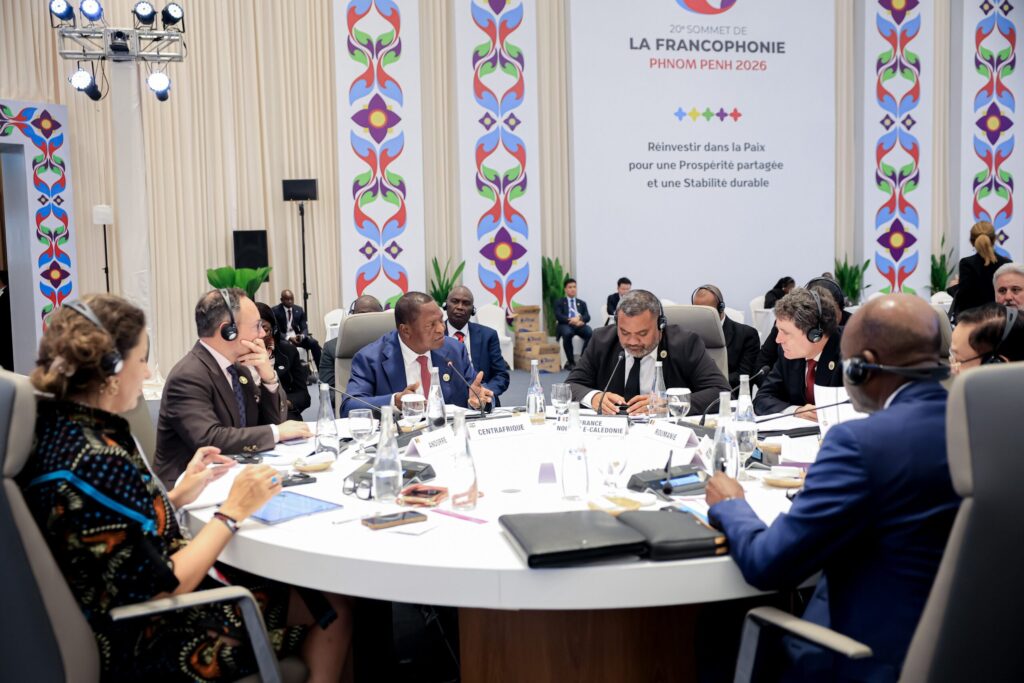
The strongest opposition to Mushikiwabo’s re-election came from the Democratic Republic of Congo (DRC), whose government had put forward former Culture Minister Juliana Amato Lumumba as a candidate.
The Congolese government had also threatened to withdraw from the OIF should Mushikiwabo secure another term, raising the prospect of a major institutional setback for an organization already affected by the departure of Mali, Niger and Burkina Faso in 2025.
In a last-minute change of strategy, the DRC announced its willingness to withdraw Lumumba’s candidacy and support Romania’s Dacian Cioloș, presenting the move as an attempt to find a consensus candidate and prevent the organization from becoming an extension of the Rwanda-DRC confrontation.
However, Rwanda questioned the logic of replacing an African candidate with a European one, particularly in light of an African Union decision adopted in July 2026 endorsing three African candidacies and calling on African OIF members to rally behind one of them.
“The DRC’s announced support for the Romanian candidate Dacian Cioloș, at the expense of the two other African women candidates, is a flagrant violation,” Nduhungirehe said in a statement.
France’s Influence and the Question of Consensus
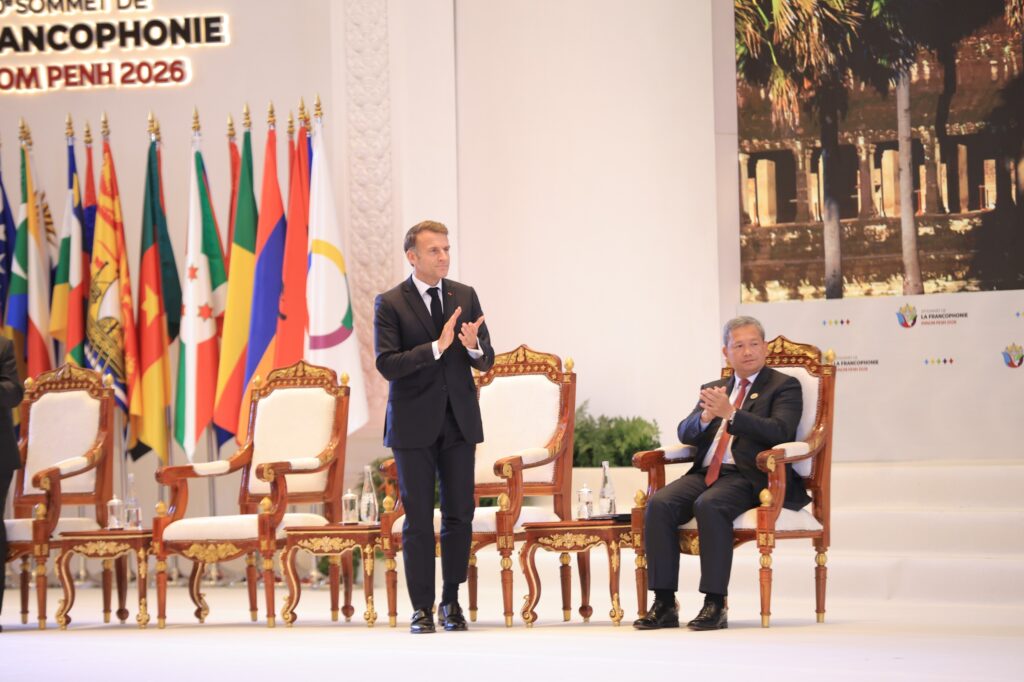
France, which has considerable influence within the Francophone world as one of the organization’s largest financial contributors, found itself at the center of the diplomatic contest.
Canada, together with its associated provinces, contributes €19.4 million to the OIF, while France contributes €19.3 million.
Their financial contributions have traditionally given them considerable weight in the organization’s affairs, adding another dimension to the debate over how its leadership should be decided.
President Emmanuel Macron reportedly sought to persuade Kagame to withdraw Mushikiwabo’s candidacy, with Paris presenting its intervention as an effort to preserve the organization’s unity.
Rwanda, however, viewed the pressure as interference in a decision that should be left to member states.
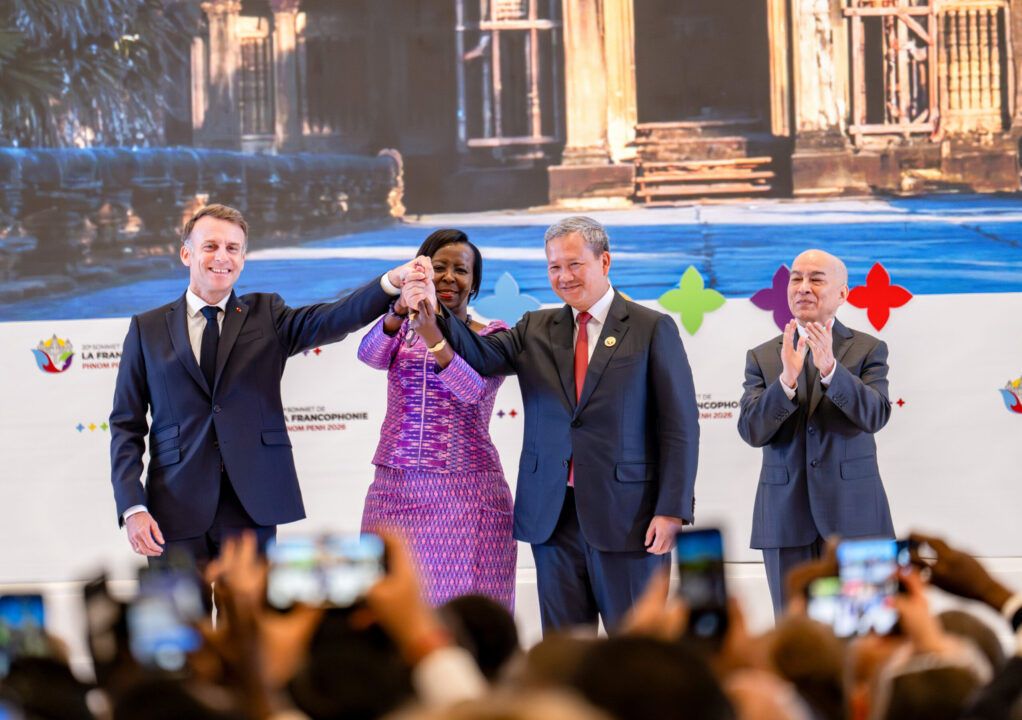
The disagreement has revived questions about the extent to which former colonial powers should influence leadership decisions in an organization that brings together countries from Africa, Europe, Asia and the Americas.
The irony is particularly striking given Mushikiwabo’s own warning during the summit’s opening proceedings against allowing bilateral disputes to undermine the organization.
“The OIF is not a defensive alliance, and its unity does not require uniformity of positions. Members should resist turning the organization into a platform for bilateral disputes,” she said.
Its value, she added, lies in the ability of members to meet on an equal footing and turn their diversity into a source of influence and trust.
Macron similarly appealed for unity, warning against internal fractures and arguing that the organization’s strength depended on preserving cohesion among its members.
A Leadership Decision with Wider Consequences
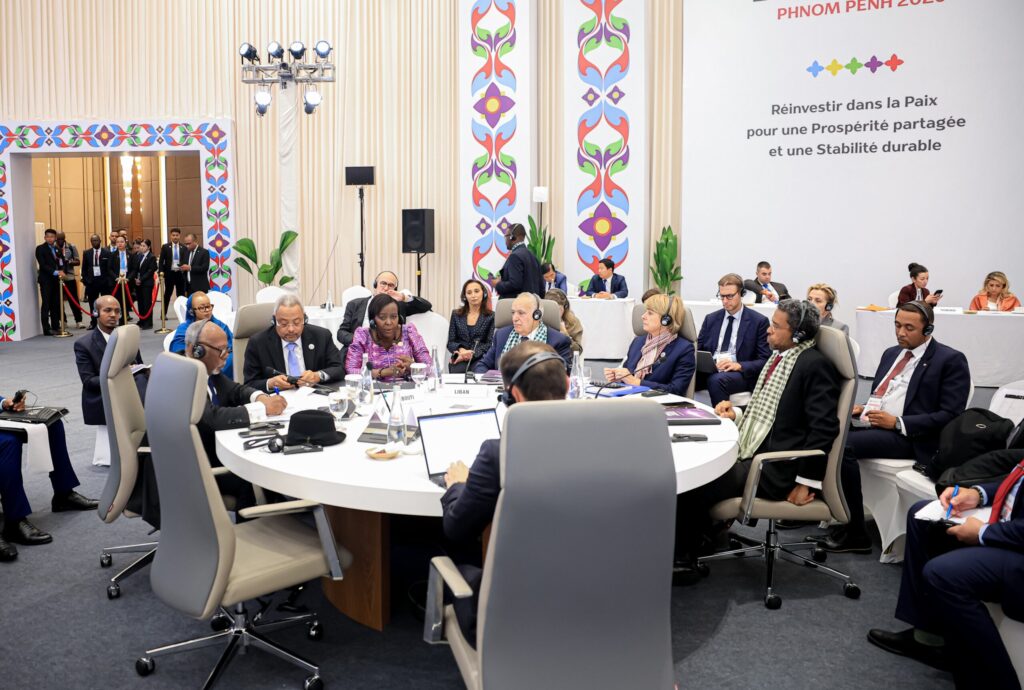
Beyond the contest over one position, the failure to agree on the next Secretary-General raises questions about the future direction and credibility of the OIF.
The organization brings together 90 states and governments, including 53 full members, making it a significant platform for political dialogue, cultural cooperation and international engagement.
Its membership stretches well beyond countries where French is the dominant language, reflecting a broader ambition to build partnerships across continents.
The departure of Mali, Niger and Burkina Faso in 2025 had already demonstrated how political disagreements can weaken that ambition. Losing the DRC, one of the largest French-speaking countries in the world, would further undermine the organization’s continental reach and influence.
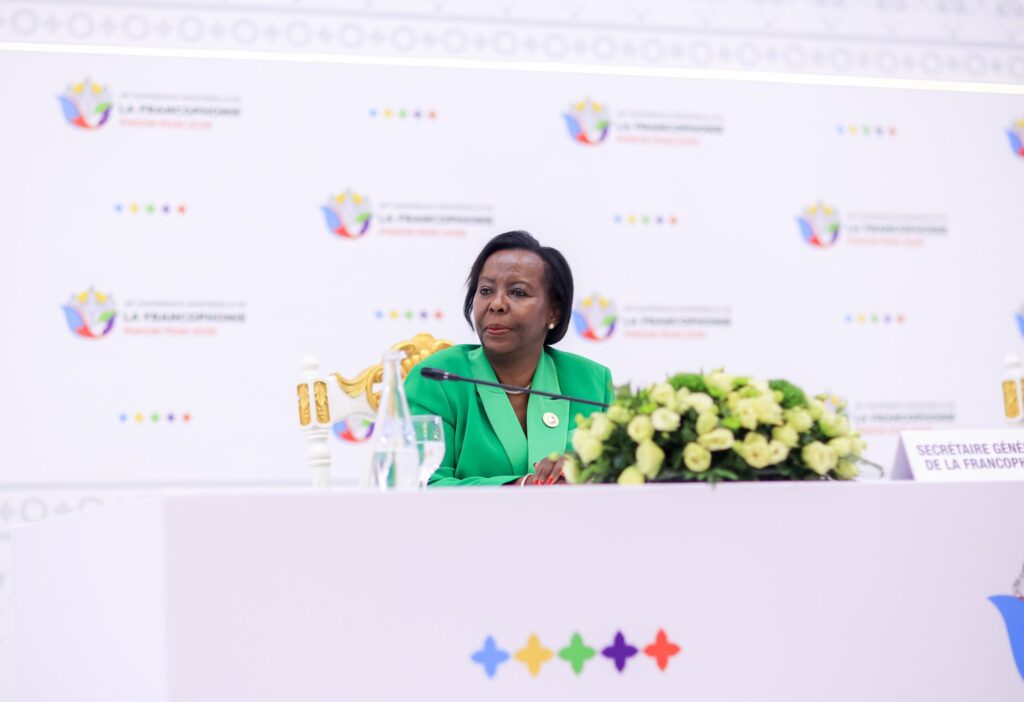
For Mushikiwabo, the one-year extension offers continuity after eight years at the helm, but it also leaves the question of her longer-term future unresolved.
The failure to settle the leadership contest has exposed the difficulty of reconciling competing national interests under a system that is increasingly expected to rely on voting rather than consensus.
The question facing the OIF is therefore whether an organization built around linguistic and cultural ties can remain a credible multilateral platform when political rivalries among its members threaten to overshadow the common interests that brought them together.