


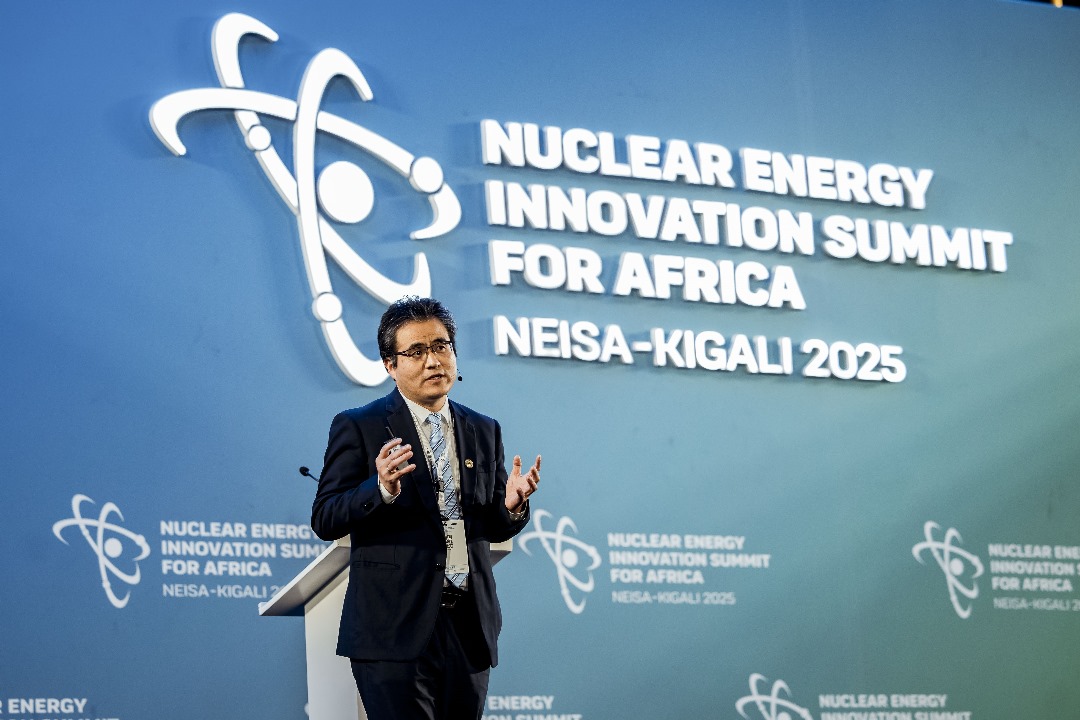
CHEN Hongyu, Director General, Africa Office, China National Nuclear Corporation (CNNC) and CNNC Overseas, speaking at the NEISA2025 in Kigali
As the world accelerates toward a clean energy future, Africa stands at a pivotal moment.
With a rapidly growing population, rising industrial demand, and the urgent need for reliable and scalable power, the continent must pursue energy solutions that are not only sustainable, but also future-proof.
Nuclear energy, with its zero-carbon emissions and ability to provide stable baseload electricity, offers a compelling answer. China, a global leader in nuclear energy development, exemplifies this potential.
Boasting 112 nuclear power units (58 operational and 54 under construction) and a total installed capacity of 125.26 GW, China has demonstrated the viability of nuclear technology in achieving energy security while advancing climate goals.
China National Nuclear Corporation (CNNC): A Strategic Partner for Africa’s Energy Future:
Recognizing this opportunity, China National Nuclear Corporation (CNNC) is poised to collaborate with Rwanda and other African nations to unlock nuclear energy’s transformative potential—driving economic growth, enhancing energy security, and bolstering climate resilience.
Founded in 1955, CNNC is China’s flagship enterprise in nuclear energy. isted among the Fortune Global 500, CNNC possesses full-spectrum capabilities across the nuclear value chain—from uranium exploration, fuel fabrication, and reactor design to construction, operation, decommissioning, and waste management.
international , CNNC Overseas (CNOS) has been sharing Chinese nuclear expertise since 1983. Its track record includes successful projects of commercial power plants to research reactors in Pakistan, Nigeria, Ghana, and beyond. Across Africa, CNOS is actively engaged in 10+ countries partnering with governments and energy agencies to advance a clean, secure, and inclusive energy transition.
Proven Technologies, Tailored for Africa:
CNNC offers a comprehensive range of nuclear solutions that are both proven in global markets and adaptable to Africa’s unique energy demands. Whether the goal is expanding national power grids or supplying clean heat for industries, CNNC provides tailored solutions—including its flagship large reactor and advanced small modular reactors like the HTR-PM and ACP100.
Hualong One: The World’s Premier Gen-III GWe-Class Nuclear:
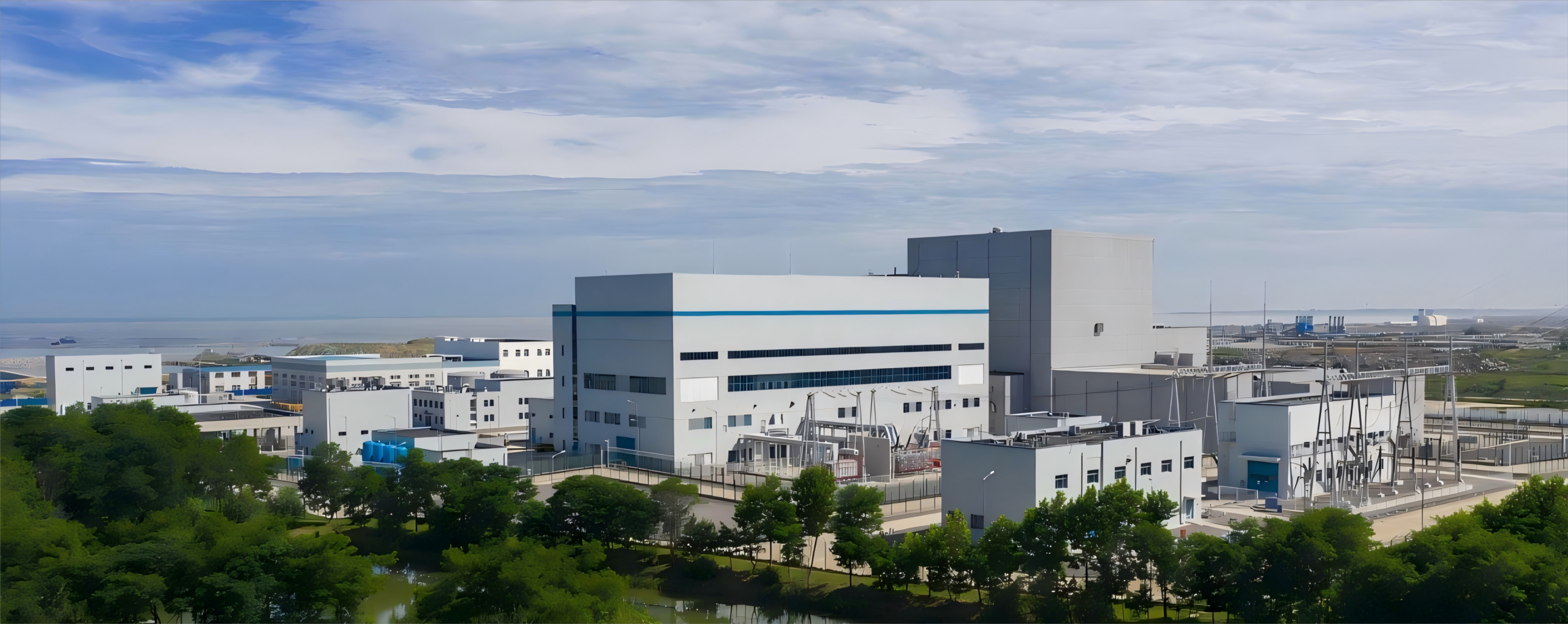
World’s First Gen-IV operational HTR-PM200 (200MWe)
CNNC’s flagship technology, Hualong One (HPR1000), stands as a cutting-edge Generation III pressurized water reactor, integrating active and passive safety systems, double-shell containment, and 177 fuel assemblies for enhanced performance and reliability.
Currently, 9 Hualong One units are already in operation, with an additional 32 under construction worldwide, solidifying its position as the most widely deployed Gen-III reactor technology globally.
HTR: High-Temperature Gas-Cooled Reactors for Flexible Energy Solutions:
CNNC and its partners are at the forefront of high-temperature gas-cooled reactor (HTR) technology. The HTR-PM200—comprising two modules with a combined output of 200MWe—was successfully deployed and achieved commercial operation in December 2023, marking the world’s first and only commercialized HTR project. This milestone showcases key advancements, including inherent safety, modular design, and wide-ranging application potential.
The HTR-PM technology offers flexible scalability with multiple configurations: a single 100 MWe module, the HTR-PM200 (200 MWe per unit, combining two reactor modules and one turbine), and the HTR-PM600 (600 MWe per unit, integrating six modules and one turbine).
This modular design allows for phased capacity growth and seamless integration into smaller or distributed power grids.
With an impressive outlet temperature of around 540°C, the HTR-PM can also support non-electric applications, including industrial steam generation.
This makes it an ideal solution for Africa’s resource-processing zones and industrial hubs, where combined heat and power systems can boost local economic development.
ACP100: A Compact, Multi-Purpose Clean Energy Solution:
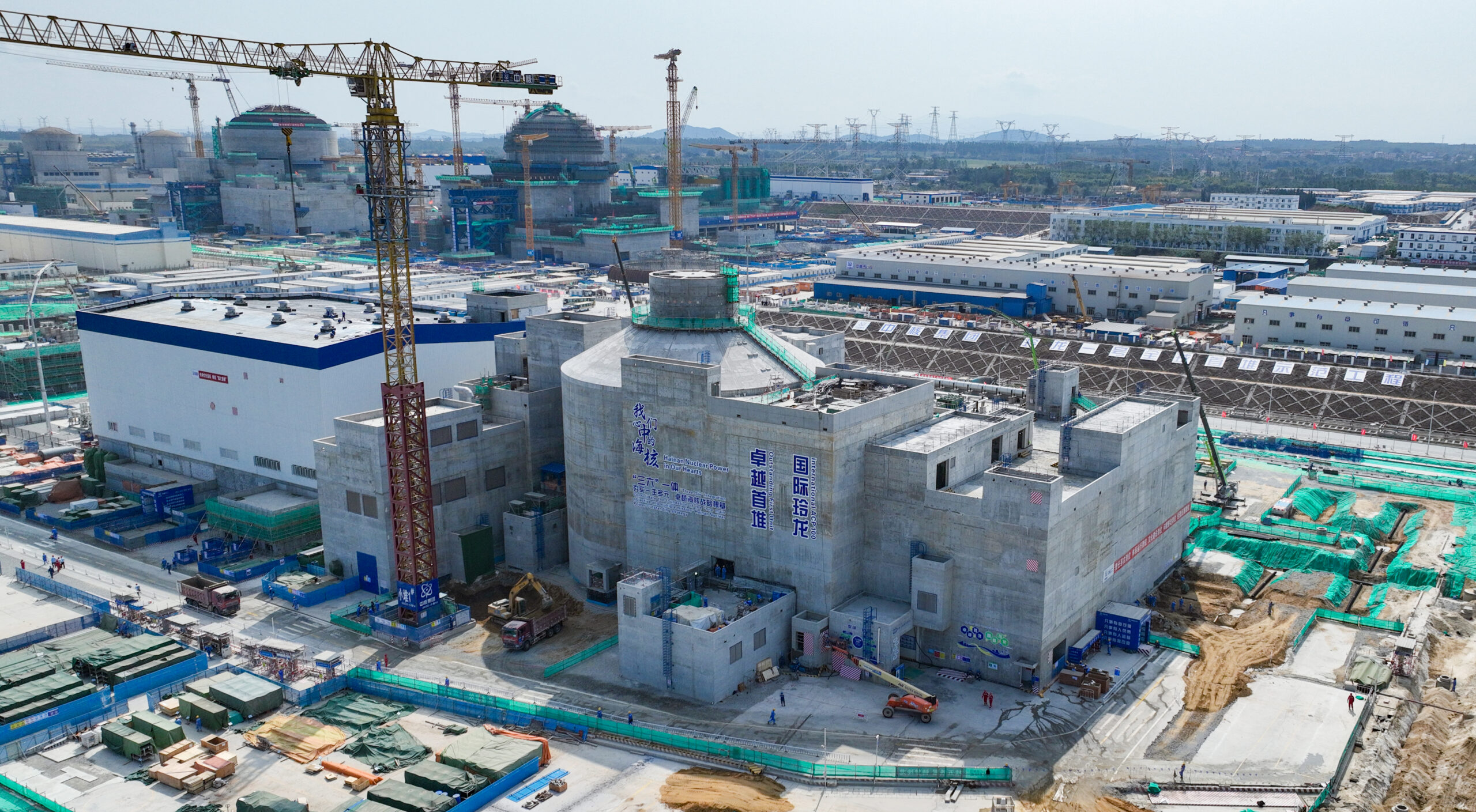
World’s First Land-based Water-cooled SMR—ACP100 (125MWe) expected to be operational in 2026
CNNC’s ACP100 is a 125 MWe Small Modular Reactor (SMR) designed for safety, efficiency, and versatility.
As an advanced pressurized water SMR, the ACP100 features a fully integrated reactor design and passive safety systems, with all key components housed within a single pressure vessel.
This innovative approach ensures greater safety, cost-effectiveness, and scalable deployment, meeting energy demands across different regions.
The ACP100 holds the distinction of being the world’s first and only commercial land-based SMR currently under construction.
With IAEA Generic Safety Review approval secured in 2016, construction began in 2021, and commercial operation is expected by 2026.
Its flexible design allows seamless integration with small- to medium-sized power grids while supporting a wide range of applications—from heat and industrial steam production to seawater desalination and even floating nuclear power solutions.
China’s Nuclear Innovation Journey: Insights for Rwanda’s Energy Ambitions:
China’s transformation in nuclear power—from a latecomer to a global leader—highlights the role of strategic innovation. For Rwanda, which is exploring nuclear energy as part of its sustainable development agenda, China’s experience offers valuable insights.
China’s progress unfolded systematically: beginning with early-stage technological research in the 1950s, followed by a dual-track strategy combining domestic development and international collaboration. This phased approach enabled China to eventually localize advanced technologies and achieve independent innovation.
A key factor in this success was the close collaboration among industry, academia, and research institutions. Enterprises focused on practical applications, universities contributed theoretical advancements, and research centers facilitated technology adaptation.
Equally important was China’s unity of knowledge (zhi) and action (xing)—deep scientific understanding paired with disciplined execution. National strategy provides direction, industry-academia-research partnerships fuel R&D, and a robust industrial chain ensures scalability.
Despite early challenges—fragmented roadmaps, resource constraints, and technology gaps—China transformed into a nuclear pioneer through persistence and systemic innovation.
For Rwanda, China’s experience underscores the importance of strategic planning, collaborative innovation, and gradual capacity-building. While each country’s path is unique, Rwanda’s energy goals may benefit from adapting these principles to its own context.
By fostering local expertise and international partnerships, Rwanda can advance its nuclear aspirations in line with its sustainable development vision.
From Vision to Reality: Rwanda’s Nuclear Energy Pathway:
As Rwanda pursues sustainable development and energy security, nuclear energy presents a viable option to diversify its energy mix. Drawing on global best practices—including lessons from countries like China—Rwanda can adapt proven approaches to suit its unique priorities.
Five key considerations may guide this process: First, prioritizing proven, mature nuclear technologies—such as ready-to-deploy Small Modular Reactors (SMRs) like the ACP100 and HTR-PM—ensures Rwanda avoids trial-and-error phases while benefiting from established solutions that meet international safety standards, align with grid and off-grid needs, and enable faster, cost-controlled deployment.
Second, establishing robust regulatory frameworks and institutional capacity is critical for operational safety, domestic expertise development, and public confidence through transparent oversight.
Third, localization strategies—including workforce training, academic partnerships, and industrial participation—will embed nuclear development within Rwanda’s economy, generating skilled jobs and stimulating long-term growth across energy and manufacturing sectors.
Fourth, innovative financing models—such as blended funding from multilateral institutions, vendor partnerships, and phased investments—can reduce upfront costs, making nuclear projects financially viable for Rwanda’s economy.
Finally, strategic partnerships with experienced nuclear nations and regional energy alliances will amplify Rwanda’s capabilities through technology transfer, shared infrastructure, and policy coordination, integrating nuclear energy into a broader clean energy transition.
Together, these initiatives provide Rwanda with a pragmatic, inclusive, and sustainable pathway to nuclear energy—one that supports Vision 2050 while positioning the country as a regional leader in clean and reliable power.
Written By: CHEN Hongyu, Director General, Africa Office, China National Nuclear Corporation (CNNC) and CNNC Overseas
