



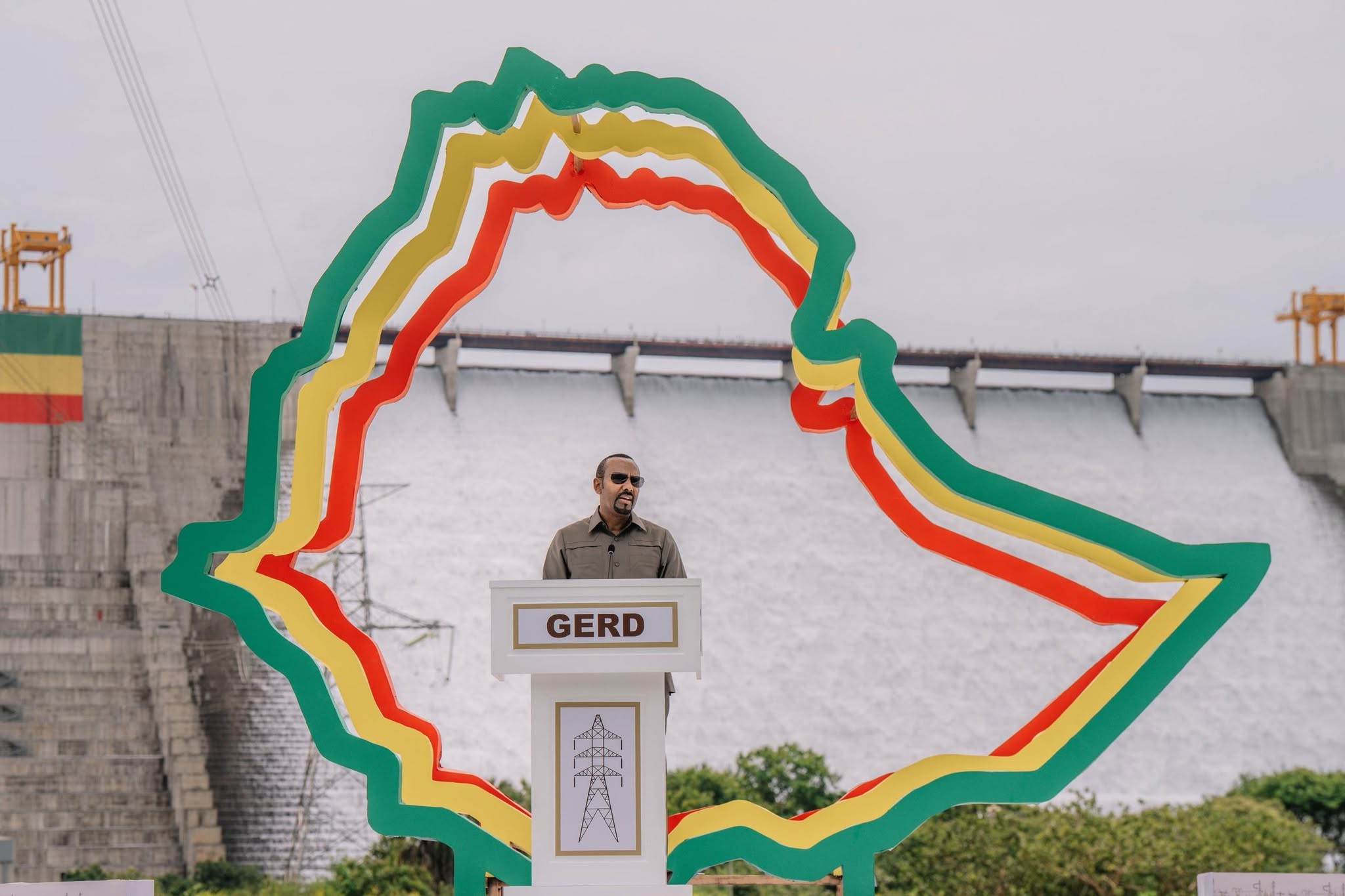
The historic exercise of the seventh general election in Ethiopia was far more than a routine political event; it was a profound affirmation of a nation’s resolve to determine its own future through the ballot box. As one witnesses the long, orderly lines of citizens stretching across Ethiopia’s diverse landscape on June 1, 2026, it won’t take much to realize that the true story of our democracy is found in the quiet determination of the Ethiopian people, rather than the often fragmented and distorted representations circulating in some international circles.
This election represents a pivotal milestone in our collective effort to build a stronger, more stable, and prosperous nation, writing a “new chapter” in a democratic path that is resolute and entirely our own.
Reclaiming this narrative is essential because the reality on the ground stands in stark contrast to the cynical forecasts of instability often broadcast by distant critics. While some external entities chose to narrate on worst-case scenarios about the election, the Ethiopian people responded with a massive, peaceful, and historic turnout.
The scale of this democratic achievement is substantiated by the sheer volume of civic engagement, as more than 54 million citizens registered to vote. This record-breaking figure reflects a deep-seated trust in our constitutional governance and an overwhelming response to the call of national duty, surpassing previous targets and signaling a new era of political consciousness.
To facilitate this massive turnout, the National Election Board of Ethiopia (NEBE) operationalized approximately 52,000 polling stations nationwide where election was held across 501 constituencies, supported by a professional and dedicated force of over 195,000 election officials.
The human spirit displayed on election day was nothing short of extraordinary, reflecting the inherent patriotism that defines our people. Millions of Ethiopians—including first-time voters, nursing mothers, and the elderly—demonstrated a patient vigilance that defied external expectations. Most remarkably, in instances where queues remained long the NEBE extended voting hours until midnight.
Citizens remained in line, with a strong sense of civic responsibility to exercise their democratic right. A commendable commitment to inclusivity was seen as persons with disabilities were given first priority and supported by polling staff to ensure their voices were heard.
This democratic flourishing was enabled by a truly competitive and pluralistic environment. The election featured over 10,000 candidates from 42 political parties, alongside approximately 80 independent candidates. The campaign period was marked by extensive political engagement, with parties debating openly across multiple media platforms, which demonstrated a healthy democratic competition functioning as it should.
This transparency was further enhanced by institutional and technological reforms that earned this cycle the title of an “Election of Many Firsts”. For the first time, Ethiopia implemented a hybrid registration system, combining traditional methods with the locally developed “Mirchaye” (My Choice) digital platform, which allowed over 5 million citizens to self-register online.
Furthermore, the NEBE utilized GIS-based geospatial mapping to organize and manage polling stations, significantly improving planning, accessibility, and management. Special arrangements were also introduced for Internally Displaced Persons (IDPs) and members of the National Defense Force, ensuring that no citizen was left behind in this impactful moment.
The success of our process was witnessed and acknowledged by those who were mandated to observe the entire election process. The African Union (AU) Election Observation Mission, led by former Kenyan President Uhuru Kenyatta, commended the election for being orderly and transparent conduct.
While briefing the media, former Kenyan President H.E. President Uhuru Kenyatta has encouraged Ethiopians to be proud by saying “Today is a day the people of Ethiopia should be proud. Today is the day you should remember your history. A nation that stood against the wave of colonialism, united and never colonized.”
He added:“For generations, Ethiopia has occupied a unique place in African history. A symbol of independence, a champion of African self-determination and home to the headquarters of the African Union.”
Similarly, the Intergovernmental Authority on Development (IGAD) mission, led by former Ugandan Vice President Speciosa Wandira-Kazibwe, praised the significant electoral reforms and the improved administrative capacity of the NEBE, describing the election as a “notable milestone” for the region.
Observers reported high compliance with procedures and professional conduct. This comments were further bolstered by the diplomatic community, as the European Union and its Member States, alongside Canada, Norway and Switzerland, welcomed the conduct of the election as an important milestone in the nation’s democratic journey. Japan has also commended the National Election Board of Ethiopia (NEBE) for its efforts in organizing such a successful election.
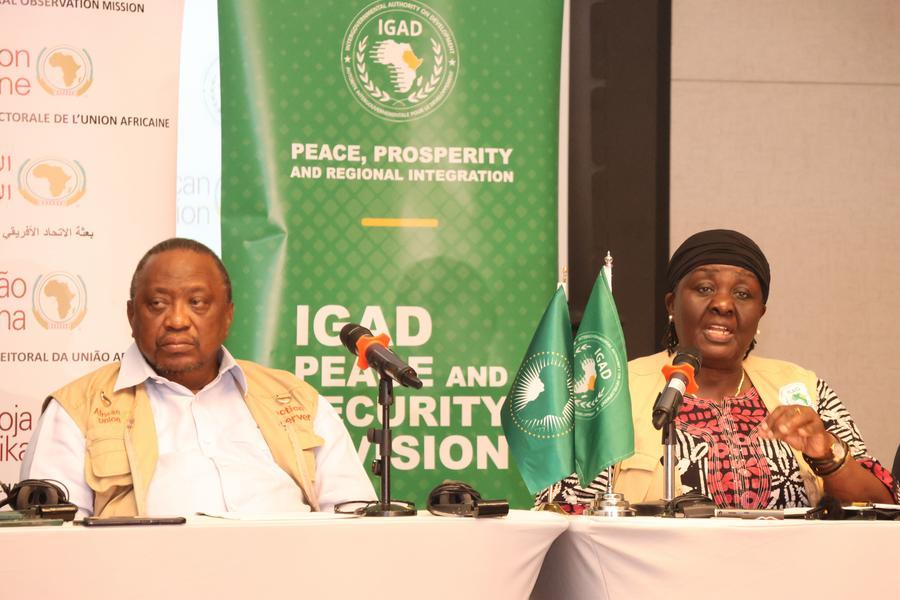
Head of the African Union (AU) Election Observation Mission former Kenyan president H.E. Uhuru Kenyatta (L), and head of the Intergovernmental Authority on Development (IGAD) Election Observation Mission and Uganda’s former vice president H.E. Speciosa Wandira-Kazibwe, attend a joint press conference presenting the preliminary reports on Ethiopia’s general election, in Addis Ababa, capital of Ethiopia, June 2026.
Despite these clear successes, we must address the disconnect between the grounded reality in Ethiopia and the distant distortions often projected by certain Western media outlets. As it used to be, these international commentaries were characterized by a disproportionate focus on “worst-case scenarios” and predictions of instability, ignoring the tangible progress made in multiple fronts.
These narratives frequently aim to downplay Africa’s efforts toward self-dependent procedures and homegrown successes. However, genuine observers would recognize a different story: a country undergoing a rapid transformation and moving forward despite any challenges it faces.
Our developmental achievements are too significant to be ignored. It was overlooked that we have achieved the once-impossible milestone of wheat self-sufficiency through cluster farming, while coffee exports have nearly doubled, generating $2.65 billion in 2024/25.
The mesmerizing urban transformation of Addis Ababa and other regional cities, realized through the Corridor and Riverside Development Projects, has turned them into modern and livable cities with world-class parks, pedestrian walkways, and cycling lanes. This revitalization has also revealed the cities’ hidden beauty to the world, even though some chose to disregard.
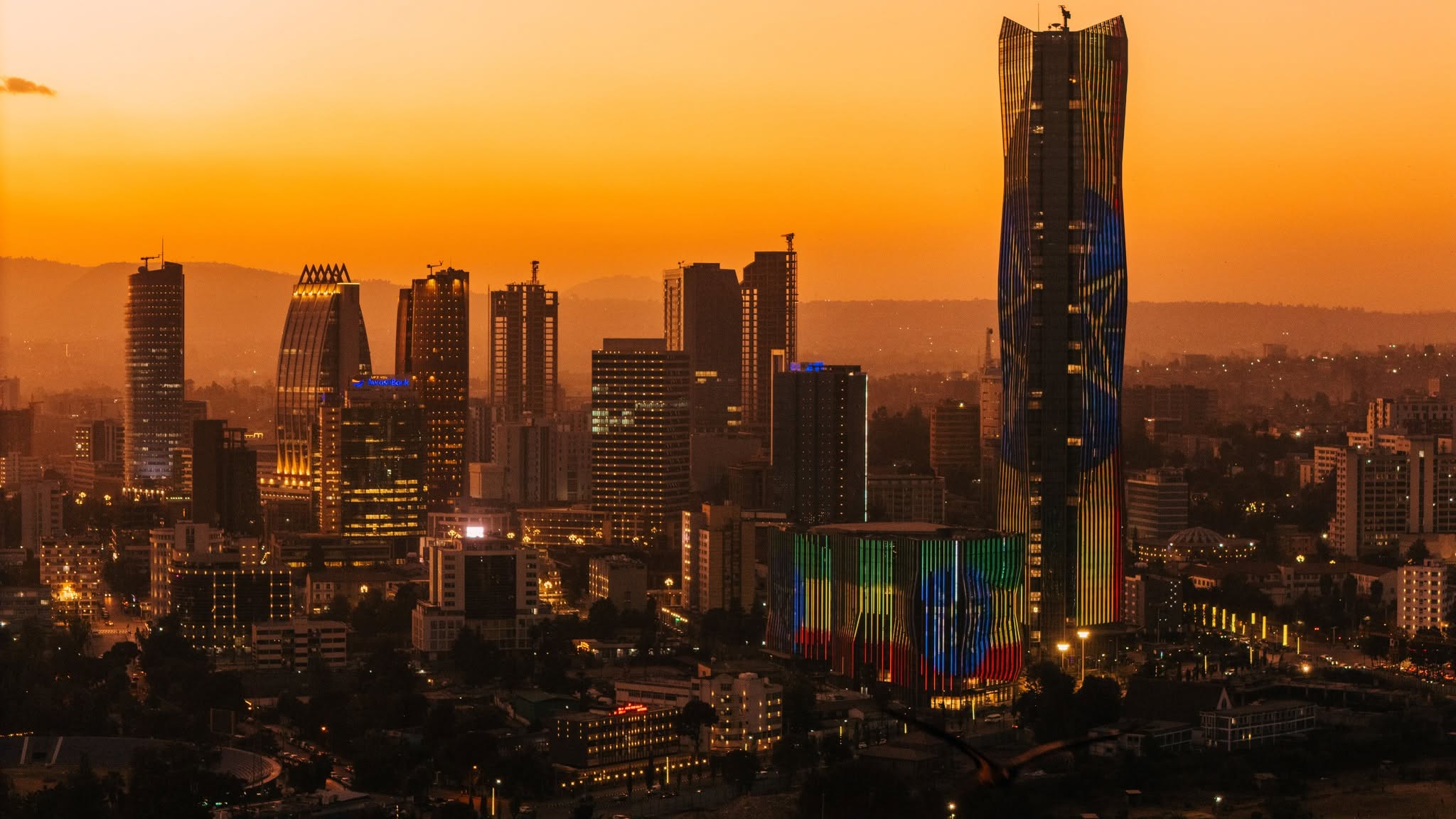
Addis Ababa, the capital city of Ethiopia, African Union Headquarter, March 2026.
The Grand Ethiopian Renaissance Dam (GERD), which stands as a beacon of hope and regional cooperation should have never been missed from the frame. Entirely financed by our own citizens, the GERD reflects our national spirit of self-reliance and is already exporting clean, renewable energy to neighboring East African Countries.
It’s also unfortunate to neglect the Green Legacy Initiative, which has managed the planting of more than 48 billion seedlings since 2019, greatly expanding Ethiopia’s forest cover and has led to Ethiopia being unanimously elected to host the COP32 UN Climate Change Conference in 2027.
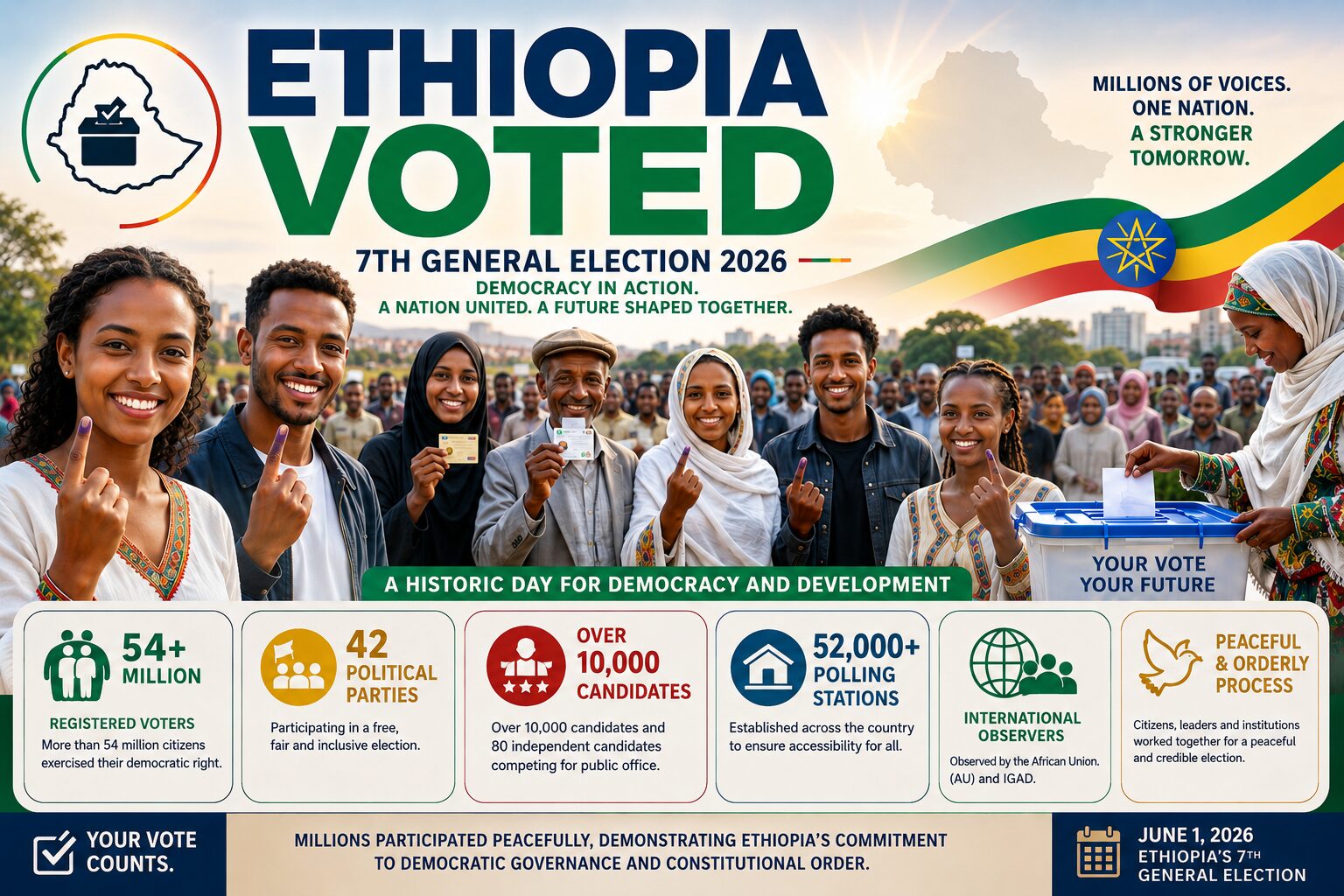
In conclusion, the seventh general election has proven that Ethiopia is a nation that solves its own challenges through democratic processes solely via election ballots.
Ethiopia will keep thriving, upholding the fact that Africans are determined to achieve what is best for their people independently, as the saying goes “African Solutions to African Challenges”. Ethiopia will keep thriving, for our future is determined not by foreign commentaries, but by the choices we make ourselves in our march toward national unity and prosperity.
Mesfin Gebremariam is Ambassador Plenipotentiary and Extraordinary of the Federal Democratic Republic of Ethiopia to Rwanda.
