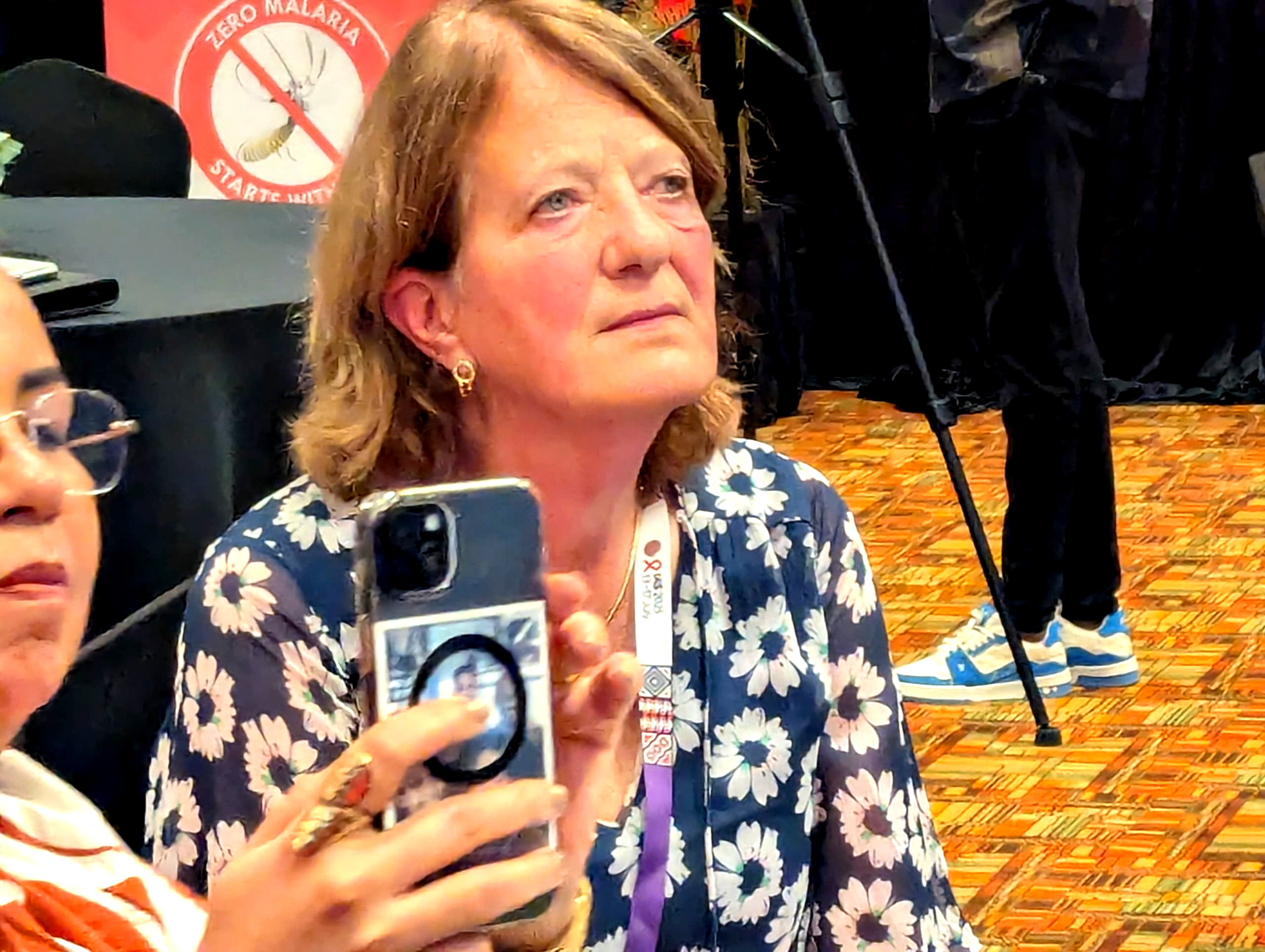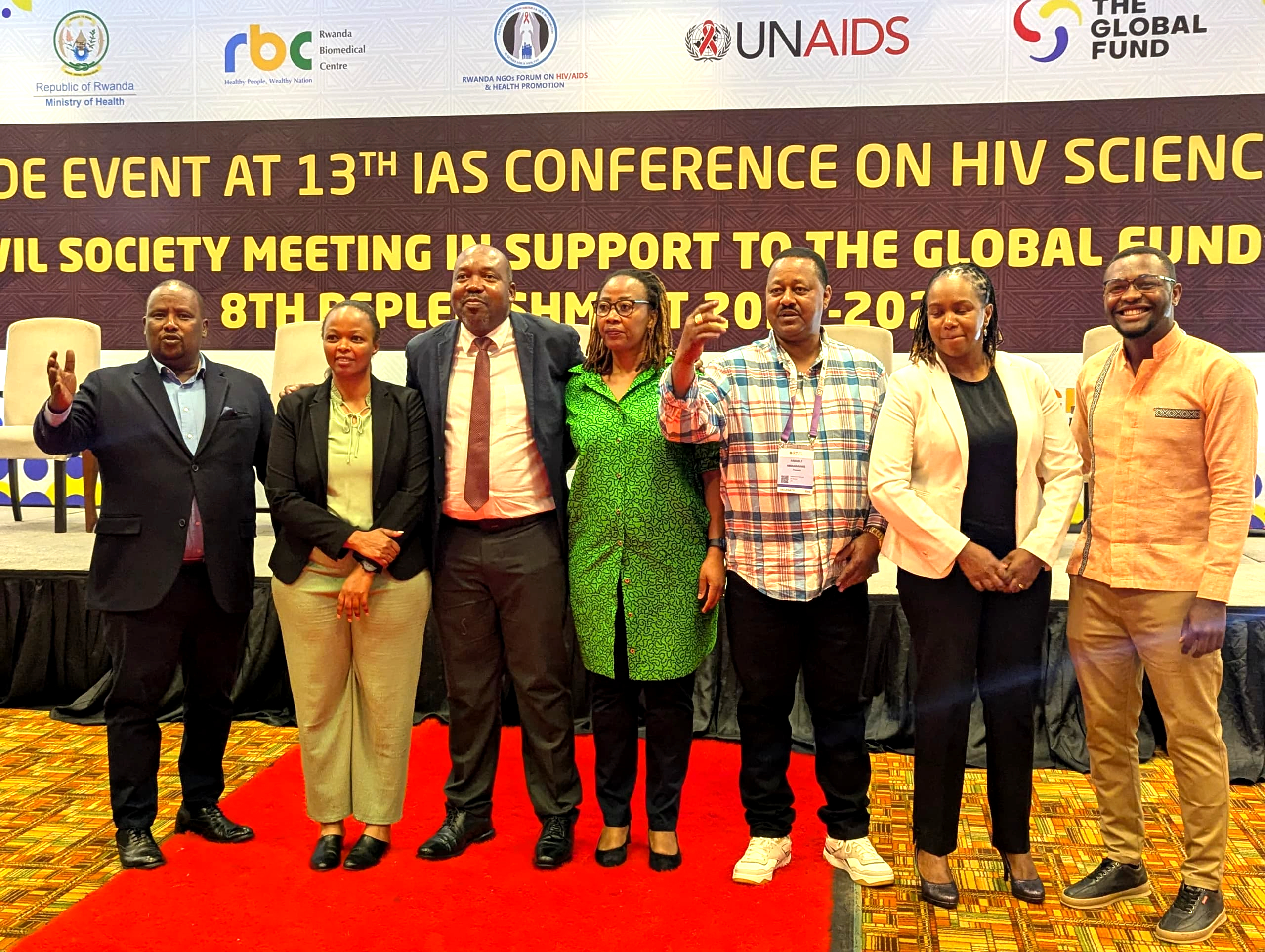
Development partners, civil society leaders, and government officials convened in Kigali this Monday July 14 to call for urgent global action in support of the 8th Replenishment of the Global Fund (2027–2029).
Their message was clear: without renewed commitment and financing, decades of hard-won progress against HIV/AIDS, tuberculosis, and malaria risk being undone.
The advocacy event, hosted by the Rwanda NGOs Forum on HIV/AIDS and Health Promotion, emphasized the growing threat posed by shrinking international aid. Speakers warned that failure to raise the required $18 billion could stall critical health interventions in low- and middle-income countries, where the Global Fund has been a lifeline.
“With funding in decline, raising $18 billion over the next three years will not be easy,” said Bernard Muramira, Chairperson of the Forum. “But without it, the Global Fund will struggle to continue saving lives.”
Rwanda was widely applauded during the event for its leadership in health system strengthening and its impressive strides in HIV treatment and prevention.
Dr. Albert Tuyishime, Head of Disease Prevention and Control at the Rwanda Biomedical Centre (RBC), highlighted Rwanda’s innovative and community-driven approaches: “Rwanda’s story shows that investment in health delivers real results. We’ve engaged communities and used tools like drones for malaria control. That level of accountability builds donor trust.”
UNAIDS Country Director Hassan Abdalgalil Hind also praised Rwanda for co-financing health programs through its national budget and urged other countries to follow suit.
“The threat of declining funding is real—it’s a ticking time bomb. We cannot afford to return to the dark days before the Global Fund,” he said. “Rwanda is showing what shared ownership looks like.”
Global Unity and Community Leadership:
Global advocates echoed the need for multilateral action. Billy Stewart, representing the UK High Commission in Rwanda, reaffirmed the UK’s role as co-lead for the 8th Replenishment campaign alongside South Africa: “We call upon the global community to support this critical effort to save lives. The UK remains a committed partner.”
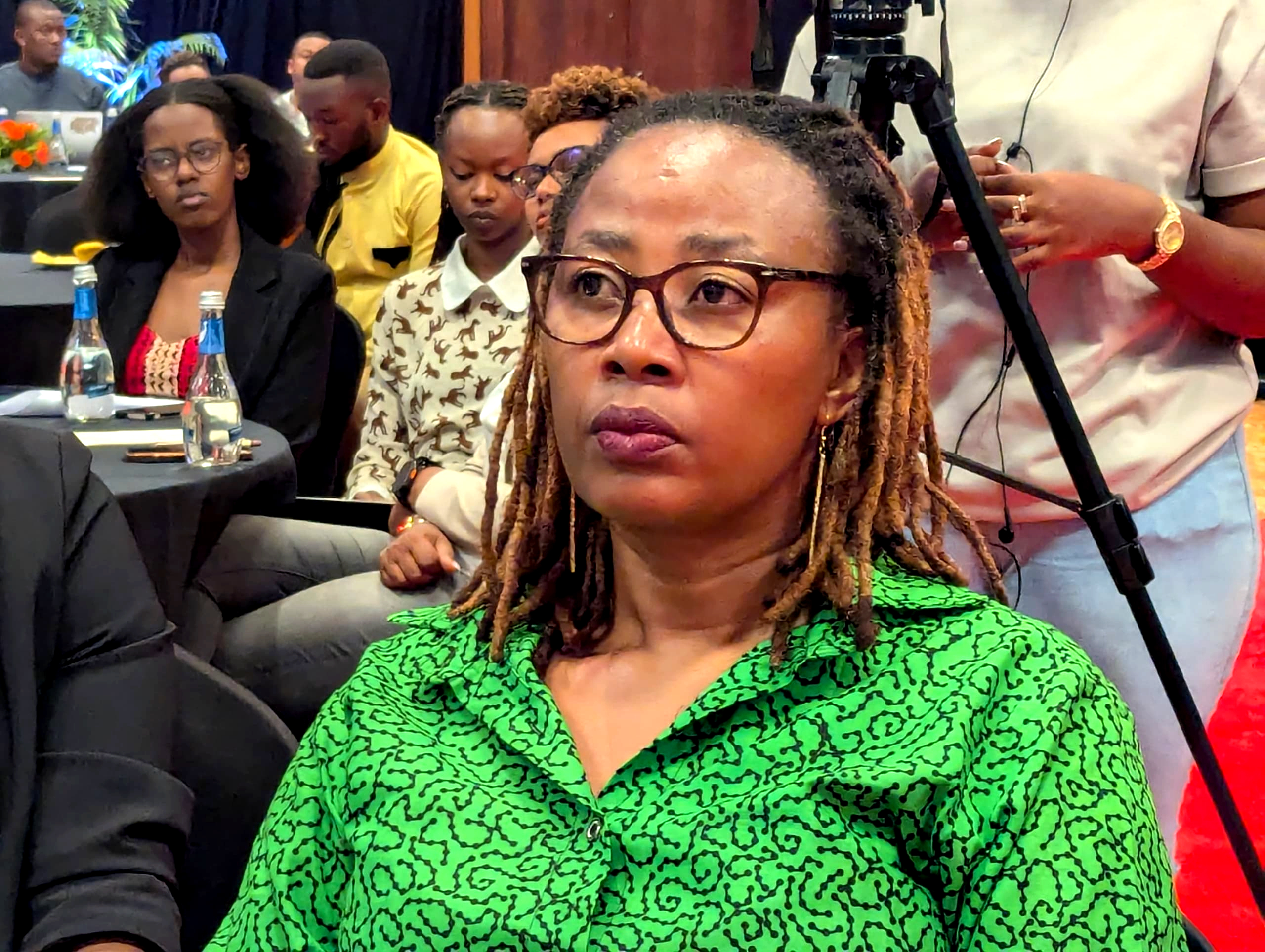 On behalf of the Global Fund, Dr. Vuviseka Dubula, Head of Community, Rights & Gender, underscored the vital role of grassroots participation: “No single donor can do this alone. Togetherness is our only path to reaching the 2030 targets. Rwanda is a trailblazer—its achievements can be replicated elsewhere.”
Dr. Dubula also issued a sobering reminder: although 12 million lives have been saved out of 25 million HIV/AIDS cases in Africa, 73% of those in need—mostly children—still lack access to antiretroviral treatment.
“It’s a shame for all of us. These numbers should not exist in 2025,” she said.
From Aid to Ownership:
Not all voices in the room endorsed continued reliance on donor support.
MP Daniel Molokele of Zimbabwe challenged African leaders to strengthen domestic health financing and reduce dependence on foreign aid: “Africa must prioritize health through internal resources. The shortcomings of past aid programs should push us to rethink and take charge of our own future.”
The advocacy momentum is being channeled through the “One World, One Fight” campaign, spearheaded by the Global Fund Advocates Network Africa (GFAN Africa).
The campaign commended President Paul Kagame for championing the replenishment cause and called on other African heads of state to join.
“Replenishment is not optional—it’s a test of our political will,” said Rosemary Mburu, Executive Director of GFAN Africa. “This is about saving lives and protecting progress.”
Upcoming international forums—including the Afro WHO Ministers’ Meeting in Zambia and the Tokyo-Africa Conference—are expected to reinforce the call for sustained funding for HIV prevention and broader global health goals.
Marijke Wijnroks, Head of Strategy, Investment, and Impact at the Global Fund, urged participants to acknowledge how far the world has come: “Since its founding, the Global Fund has helped save 65 million lives. We’re not done yet, but with innovation and global solidarity, we will get there.”
As financial uncertainty looms, Rwanda’s experience offers a powerful example of how local investment, transparency, and community engagement can yield measurable progress.
But the message from Kigali was unmistakable: without global solidarity, the fight against HIV/AIDS, TB, and malaria could falter just when the world is closest to ending them.