



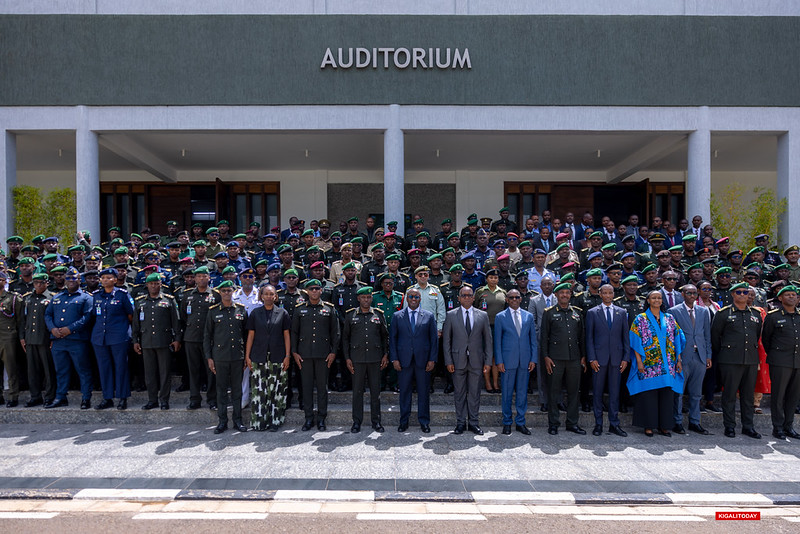
Symposia are meant to be eye-opening, especially when they are held at a military academy. Saturday’s symposium at the Rwanda Defence Force Command and Staff College in Gako more than lived up to that expectation.
The event was organised for military students who would ordinarily have attended this year’s International Security Conference on Africa (ISCA), but who will have graduated by the time the conference takes place.
While ISCA typically features international panellists, Saturday’s speakers were all Rwandan. That, however, did not diminish the international perspective. Few symposia bring together such a wealth of experience and expertise.
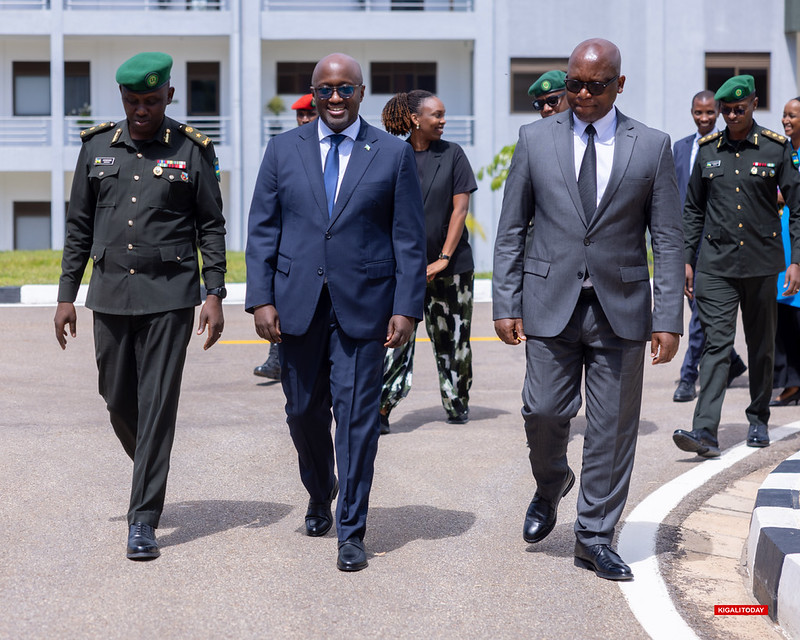
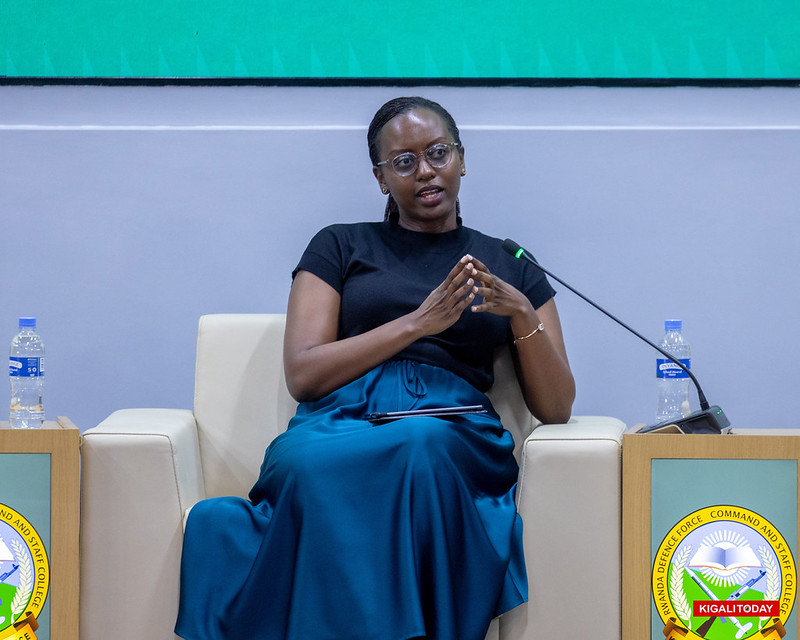
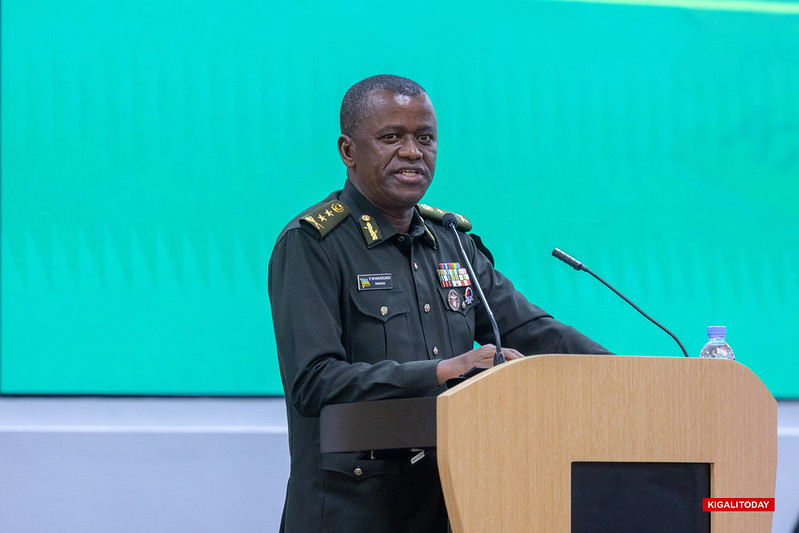
The panel was led by Minister of Foreign Affairs and International Cooperation Olivier Nduhungirehe, Minister of Defence Juvenal Marizamunda, and Rwanda Defence Force Chief of Defence Staff Maj Gen Vincent Nyakarundi. Though all are home-grown, their experience and understanding of global affairs are extensive.
A look at the calibre of the speakers and the symposium’s theme was enough to make giving up a Saturday worthwhile.
The announcement that the symposium would be held under Chatham House rules added an extra sense of anticipation.
Designed to encourage openness, the rules allow participants to use the information shared, but prohibit attribution to individual speakers.
The themes were equally direct: *External Interference in African Affairs: Challenges and the Way Forward* and *Natural Resources and Sustainable Development*.
Combined with a panel of speakers whose careers have placed them at the centre of Africa’s security and diplomatic challenges, the agenda promised a deeply illuminating discussion.
A Frank Discussion of Africa’s Reality
Anyone familiar with these issues may have assumed they had heard it all before. But any such assumptions were quickly dispelled.
Rarely are these subjects discussed so forthrightly, even bluntly, by people who have dealt with them at the highest levels.
The truths presented were at once alarming, encouraging and inspiring.
They were alarming because the challenges facing Africa were described in stark and brutally honest terms.
They were encouraging because the speakers showed that policymakers are fully aware of the continent’s predicament and are thinking seriously about how to address it.
As several panellists stressed, Africa’s future should be shaped by Africans.
That may sound familiar, but the discussion went much deeper, explaining how African countries often remain passengers in a vehicle driven by others pursuing their own interests.
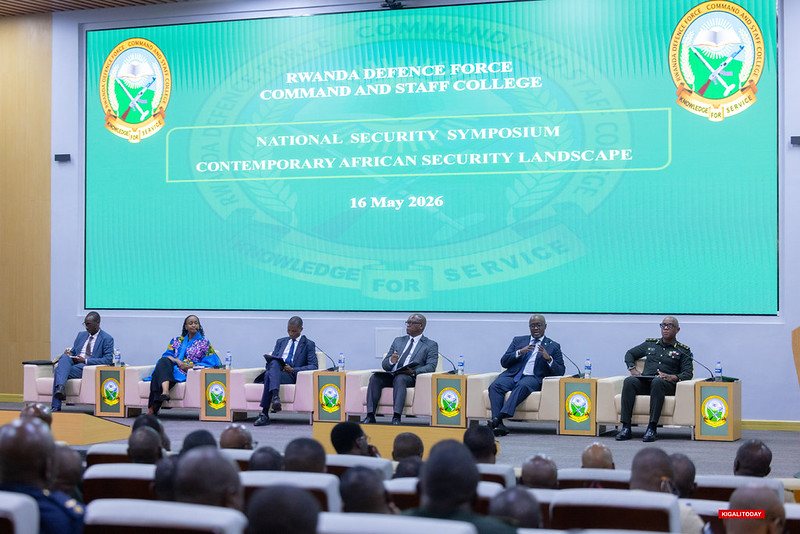
The audience heard that external interference remains one of the most persistent threats to Africa.
This interference takes many forms—military, economic, political and cultural, including what is often referred to as “soft power.”
For Rwanda, currently observing the 100 days of commemoration for the victims of the 1994 Genocide against the Tutsi, external interference also took the form of indifference.
Speakers recalled how colonial powers sowed divisions in Rwandan society, nurtured them over decades, and then failed to act as the genocide unfolded.
The broader pattern, participants were told, stretches back centuries—from the transatlantic slave trade to the 1884–1885 Berlin Conference, where European powers partitioned Africa.
The underlying objective has remained largely unchanged: control Africa’s resources for the benefit of others.
Independence Without Sovereignty
Panellists argued that Africa may have achieved political independence, but many countries still lack true sovereignty.
“The flags went up, but someone else still holds the strings,” one speaker remarked.
Another observed that African countries that insist on defending their sovereignty often find themselves isolated.
The African Union itself, participants noted, remains significantly funded by external partners, raising questions about autonomy.
Even at the United Nations General Assembly, African countries frequently vote in blocs aligned with outside powers rather than according to shared continental interests.
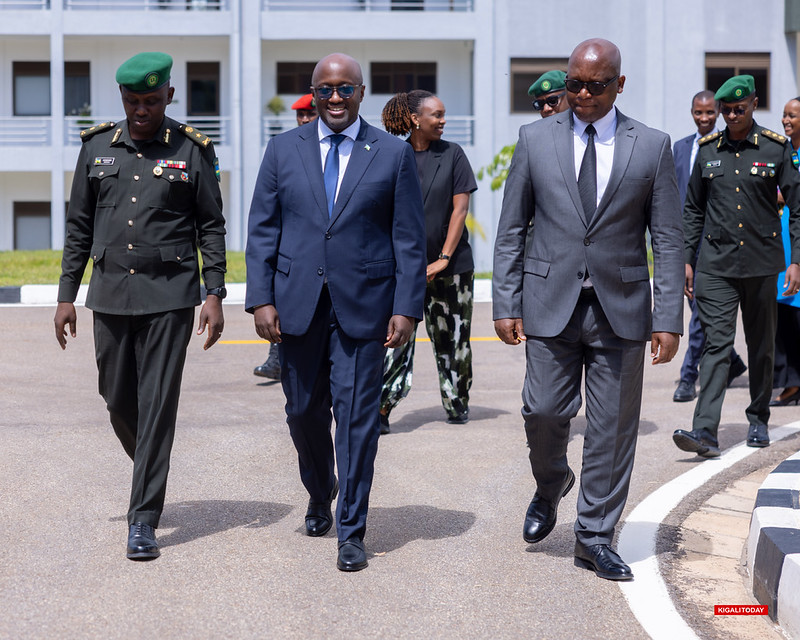
What distinguished the symposium was not necessarily the novelty of the ideas, but the clarity and candour with which they were presented.
The discussion moved beyond slogans such as “value addition” to explain why Africa continues to export raw materials while importing finished products, and what must change to reverse that pattern.
The panellists also highlighted Rwanda’s experience as evidence that sovereignty begins with self-reliance, especially in security.
Countries can cooperate, as Rwanda has done with Mozambique and the Central African Republic, without surrendering their independence.
Lessons Worth Taking Forward
Saturday’s symposium was the 14th in a series that has become an important platform for strategic reflection.
There was a certain irony in the fact that a discussion on decolonisation was held under Chatham House rules, a framework developed in the United Kingdom, one of the world’s major colonial powers.
Yet perhaps that was fitting.
There are lessons everywhere for those prepared to see them.
The Gako symposium provided not only a sobering assessment of Africa’s challenges, but also a compelling reminder that solutions will only emerge when Africans define and pursue their own agenda with clarity, confidence and resolve.
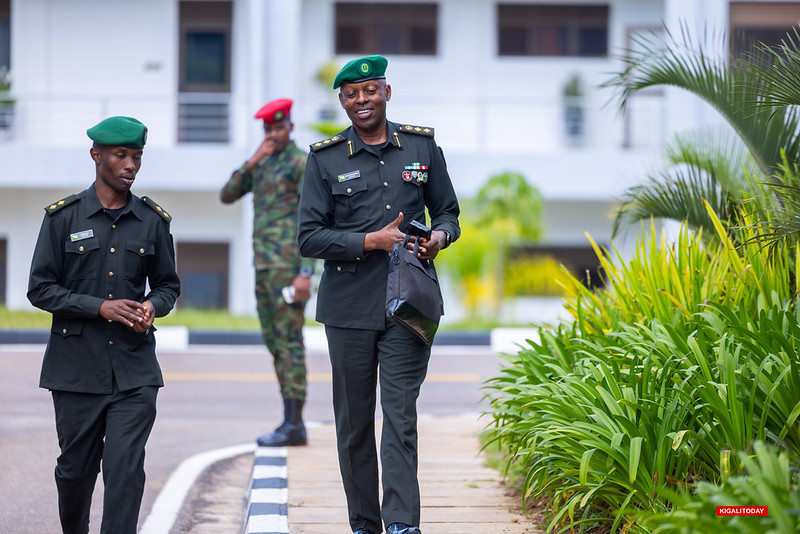
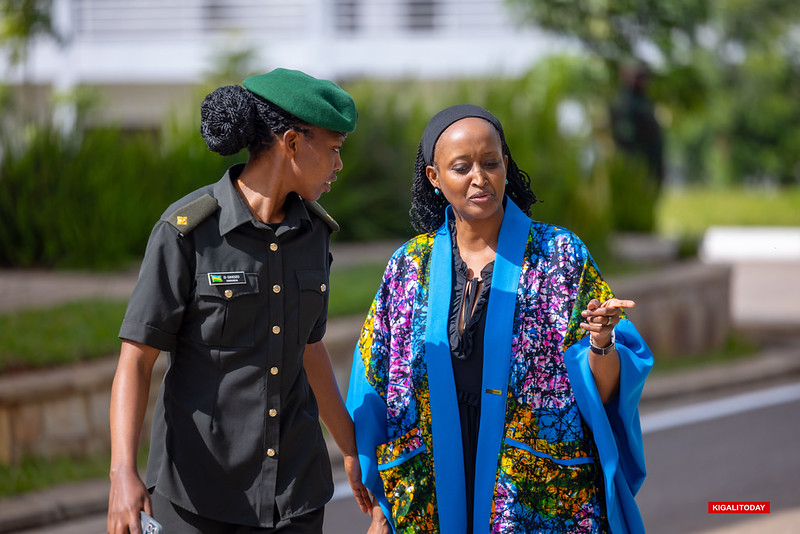 Photos by Melissa Isimbi, KT Press
