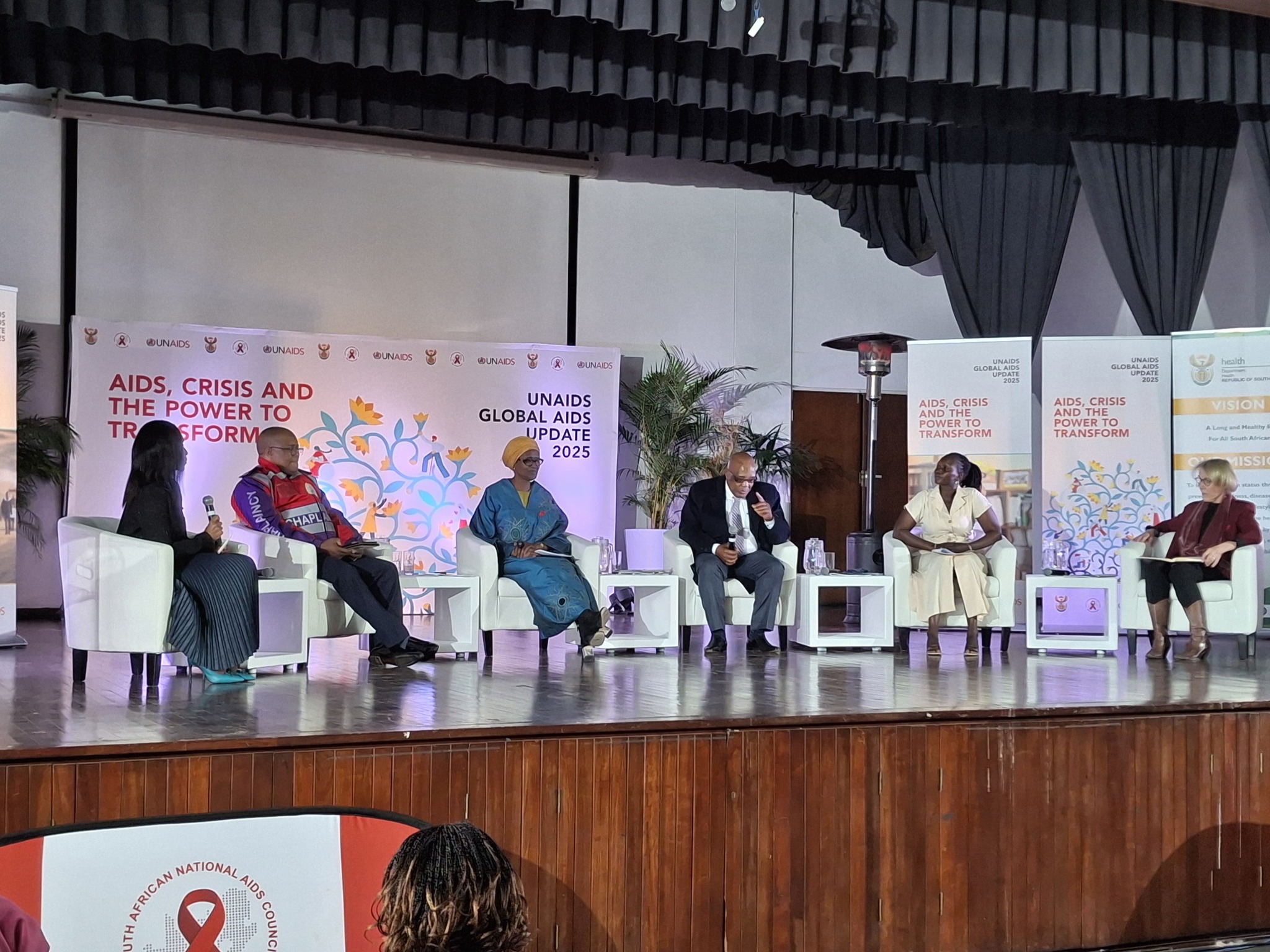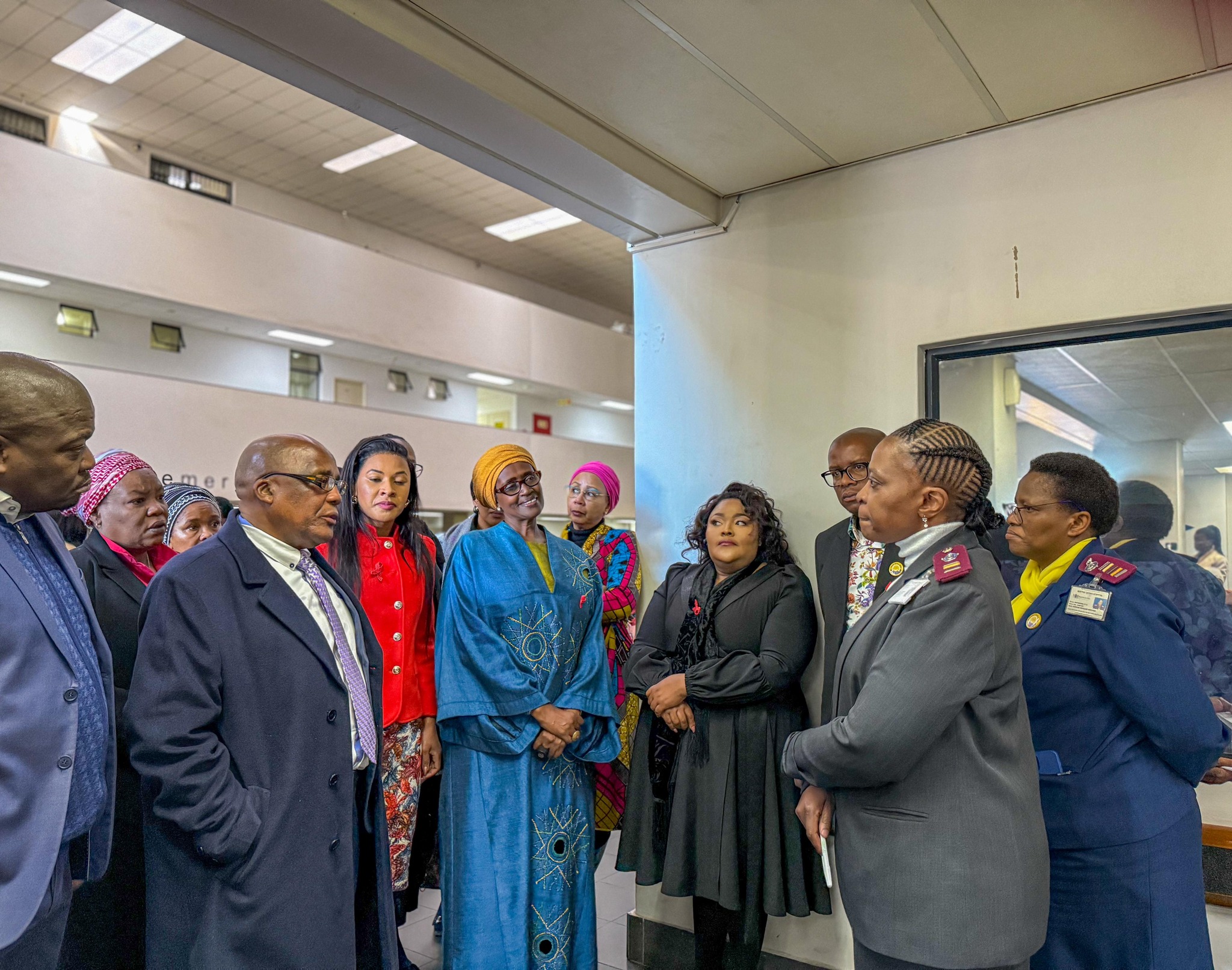



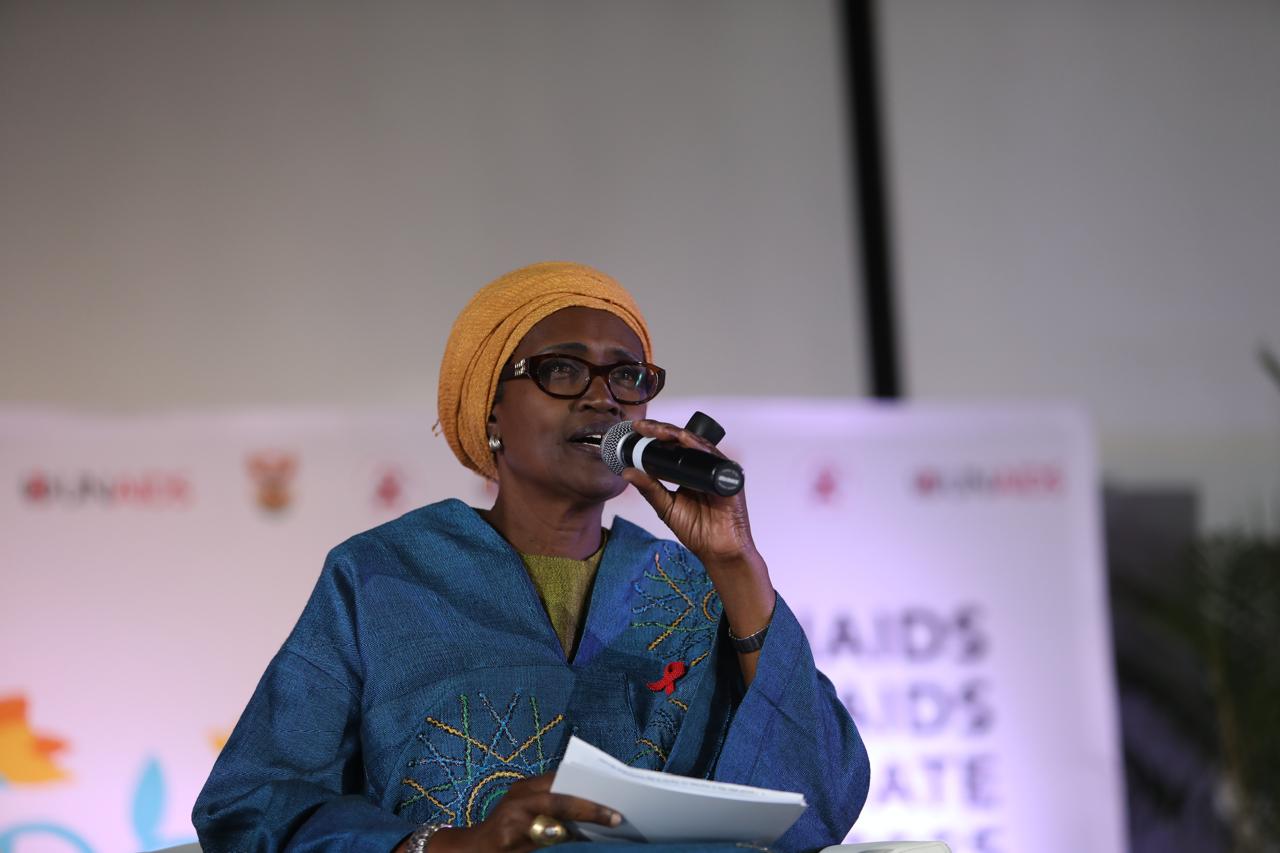
UNAIDS chief Winnie Byanyima speaking at the Update launch in South Africa
Rwanda has been praised by the United Nations for reaching all the major goals in the fight against HIV.
According to a new update released by UNAIDS this July 10, 2025, Rwanda is one of the few countries in the world — and the only one in East Africa — to meet the “95–95–95” global HIV targets.
This means that in Rwanda:
- 95% of people living with HIV know they have the virus – this is the first step to getting help),
- 95% of those who know are taking HIV treatment, and
- 95% of those on treatment have very low levels of the virus in their blood*, meaning they are healthy and much less likely to infect others.
This success means Rwanda is on track to end AIDS as a public health threat in the coming years.
Rwanda has also stopped almost all cases where mothers pass the HIV virus to their babies during childbirth. It is among only 10 countries in the region where more than 95% of pregnant women living with HIV receive proper treatment to protect their children.
UNAIDS Update Launched in South Africa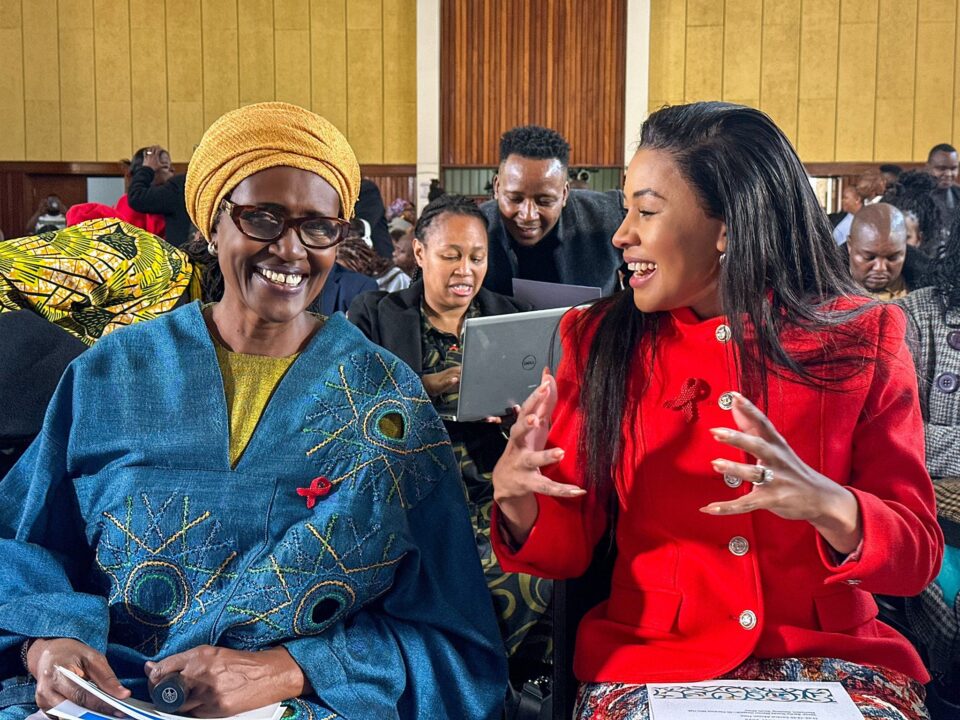
The news was shared during the launch of the 2025 UNAIDS Global AIDS Update, held on July 10 in South Africa and streamed globally to delegates preparing to head to Rwanda.
The event was part of the lead-up to the International AIDS Society (IAS) Conference, which will take place in Kigali, Rwanda from July 13 to 17, 2025.
Winnie Byanyima, the head of UNAIDS and a UN Under-Secretary-General, spoke at the event. She said that while there has been great progress in fighting HIV, the world is now facing a big funding crisis that could undo years of hard work.
“The main message from this report is clear: the HIV response is facing a funding crisis. We must reprioritize and identify more resources for HIV programs—and do so in cost-effective ways,” said Byanyima.
The report shows that by the end of 2024, global efforts had saved 26.9 million lives and reduced AIDS-related deaths by 56% since 2010. But in 2024 alone, there were still 1.3 million new HIV infections worldwide — the same as the year before.
Rwanda Stands Out in the Region:
In contrast to many countries, Rwanda is doing very well. It has one of the strongest HIV programs in the world. Only six other African countries — Botswana, Eswatini, Lesotho, Namibia, Zambia, and Zimbabwe — have reached similar levels of success.
Rwanda is the only EAC country to meet both global benchmarks (95–95–95 and 95% PMTCT coverage).
Uganda and Tanzania have achieved strong vertical transmission prevention, but not full 95–95–95 targets.
Kenya, despite being a regional leader in health infrastructure, is underfunding prevention and has not yet reached either milestone.
Burundi and South Sudan are lagging significantly due to fragile systems and limited data.
UNAIDS said that Rwanda’s success is the result of strong government leadership, a well-organized health system, and help from local communities.
The report also says that stigma and discrimination* against people with HIV — a major barrier to care — has gone down in Rwanda, while it remains high in other countries.
Rwanda has made HIV services available even in rural areas. Community health workers have played a big role by visiting homes, encouraging testing, and helping people stay on treatment.
But Global Challenges Remain:
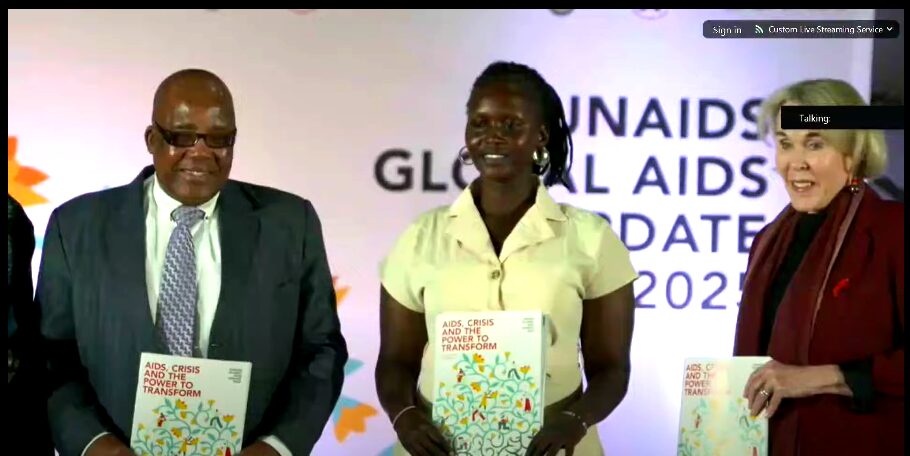
While Rwanda is doing well, the UNAIDS report warns that many countries are struggling. There has been a 6% drop in funding for HIV programs in Eastern and Southern Africa since 2020. Prevention programs — like education and condom distribution — are being hit the hardest.
Byanyima said African countries are losing more money through unfair global systems than they receive in aid. She explained that:
“In 2023, Africa received $72 billion in aid but lost $88 billion through illicit financial flows… and an additional $101 billion in debt servicing. This drains African resources, often for problems not caused internally.”
She added that rich countries should support a fair and fast process to cancel or reduce debt, so African governments can use their money for health and education.
Byanyima also called for a UN tax convention to stop big companies from avoiding taxes in Africa, saying: “Yes, maintain aid—but the real solution lies in unlocking funds tied up in debt repayments and tackling tax avoidance.”
Kigali to Host the World’s Leading HIV Conference:
These global issues will be discussed at the IAS 2025 Conference in Kigali, starting July 13. The conference brings together scientists, health experts, government leaders, and activists from around the world. They will share the latest research and discuss how to keep fighting HIV — even as funding becomes harder to find.
Rwanda is expected to be in the spotlight as a success story, showing how other countries can learn from its approach.
As the world aims to end AIDS by 2030, Rwanda’s story shows that success is possible — but also fragile. To protect the gains made, countries must act now to find new ways to fund HIV programs and support the people most at risk.
“In 2023, Africa received $72 billion in aid but lost $88 billion through illicit financial flows, mostly through multinational corporations repatriating profits to Europe and the U.S., and an additional $101 billion in debt servicing—principal and interest. This drains African resources, often for problems not caused internally,” she noted.
“What we’re telling rich countries is: do the right thing. Agree on a fast and fair process to restructure debt so that countries can free up resources for critical sectors like health.”
Byanyima also called for the swift conclusion of the UN Global Tax Convention to address tax evasion and close loopholes that deprive countries of vital revenues.
“We need that convention now. Yes, maintain aid—but the real solution lies in unlocking funds tied up in debt repayments and tackling tax avoidance,” she emphasized.
These issues will form part of the broader conversations at the IAS 2025 Conference in Kigali, the world’s most influential forum on HIV research and its practical applications.
Held every two years, the conference showcases cutting-edge research and innovations that translate science into actionable policy and practice.
IAS 2025 will also tackle the political and financial challenges currently affecting the global HIV response, with a focus on Africa and other regions most impacted by funding constraints.