The bill if passed will have significant changes to reproductive health care
Kigali — A new proposal presented to Rwanda’s Parliament could give 16-year-old girls the legal right to access contraceptives without needing parental or guardian consent, in what advocates say is a necessary step toward empowering adolescents and reducing teenage pregnancies.
The proposal emerged this Monday during ongoing parliamentary deliberations on a sweeping bill to amend Rwanda’s national health law, which was last updated in 1998.
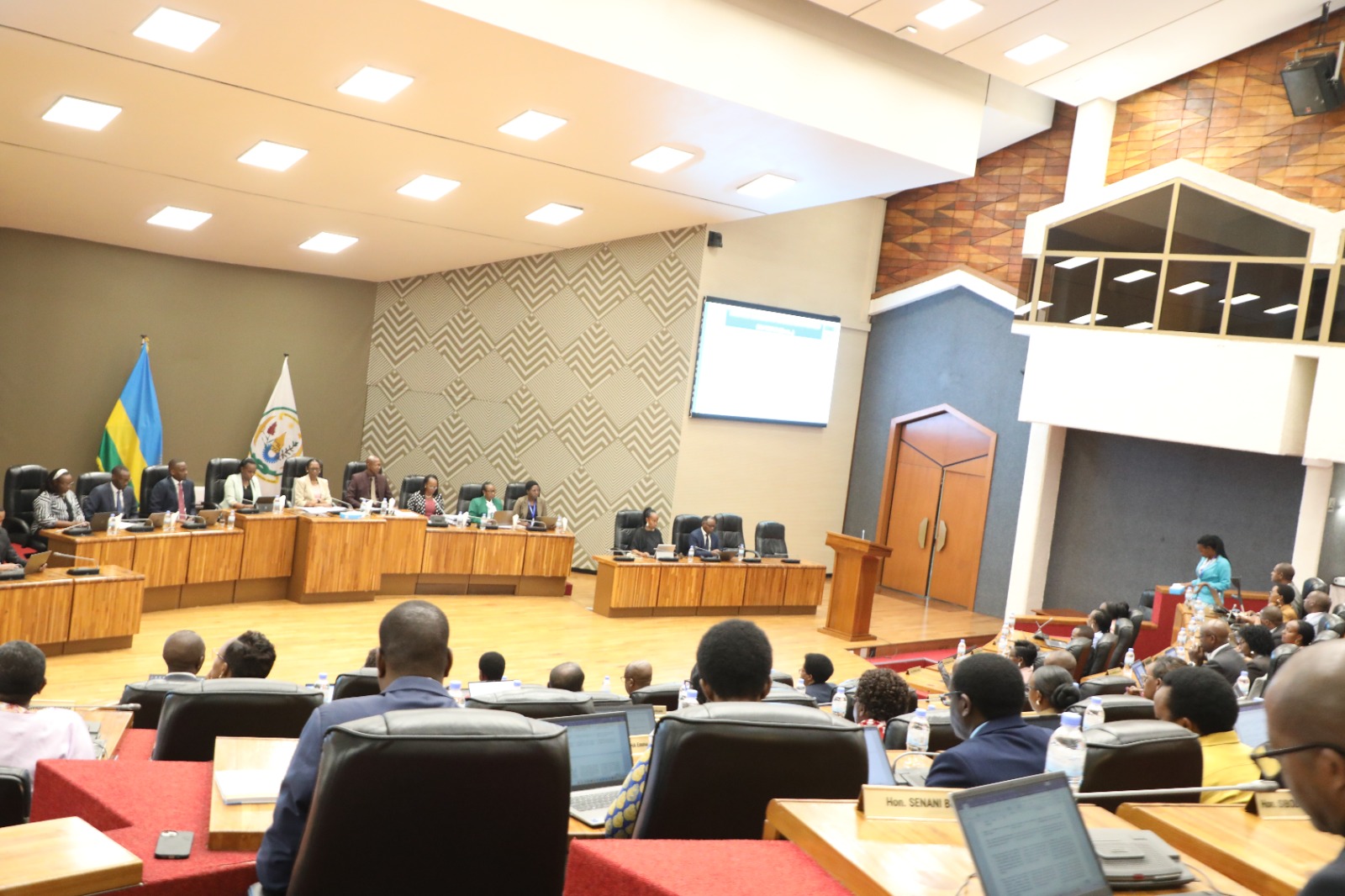
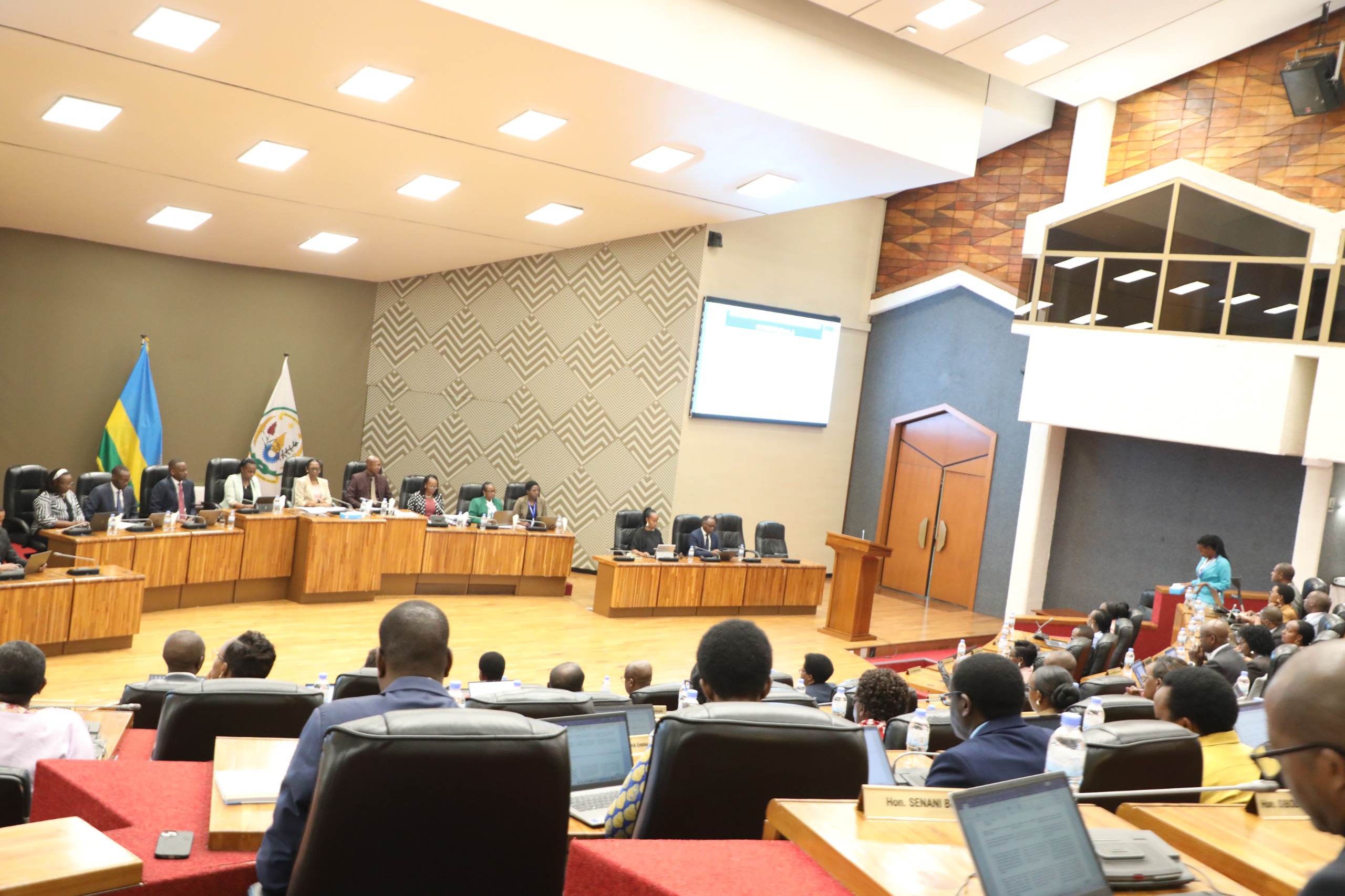
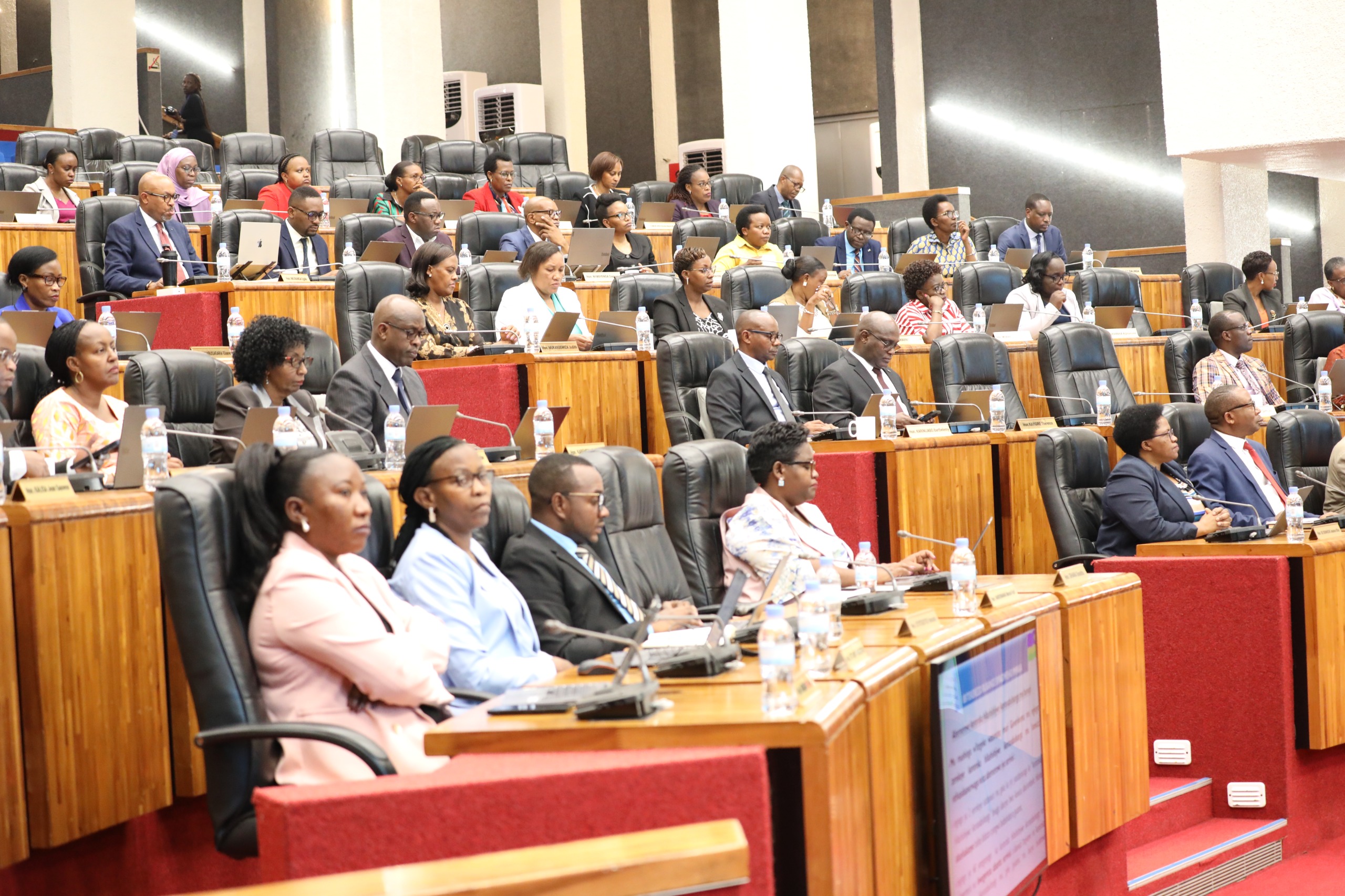
Health Ministry officials led by State Minister for Health Dr Yvan Butera are in the Plenary session of the Chamber of Deputies to present additional aspects of the health laws for amendment.
The new legislation, introduced last year, seeks to overhaul outdated provisions, improve access to healthcare, and consolidate fragmented health regulations.
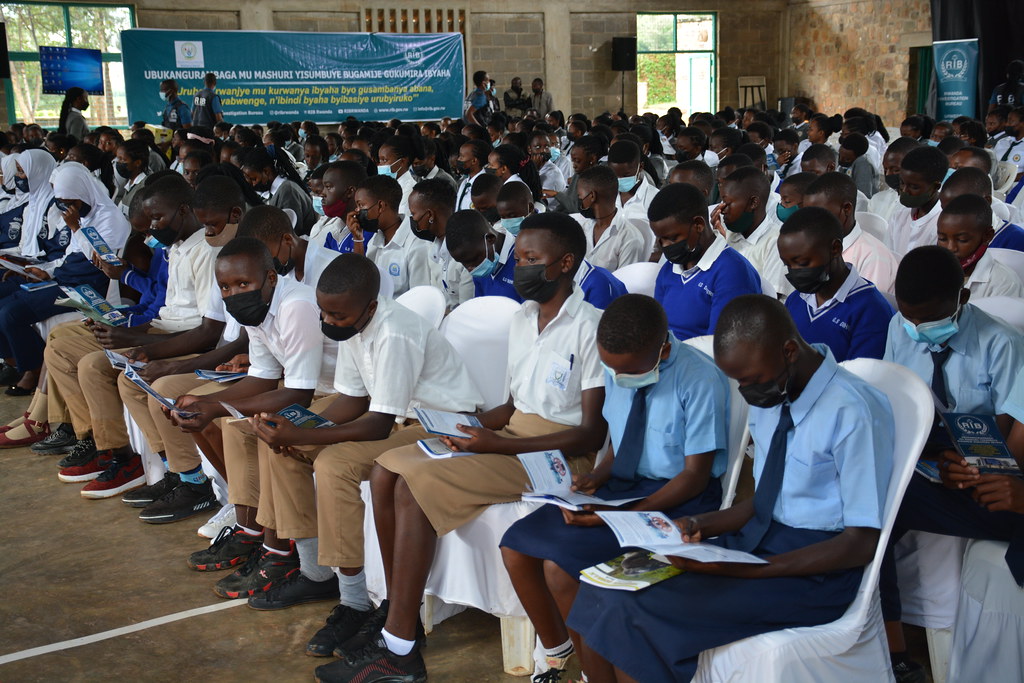
One of the most debated components of the bill involves adolescent reproductive health. While proposals to allow adolescents aged 15 and older to access contraception were introduced as part of the bill last year, the latest proposal goes a step further by focusing on self-directed access: specifically, allowing 16-year-olds to receive contraceptive services on their own, without needing to be accompanied by an adult.
MP Hope Tumukunde Gasatura made the case during a plenary session, arguing that girls aged 16—who already possess national identity cards—should be able to obtain contraceptives directly, especially when parental support is unavailable.
“At 16, a girl should have the right to seek reproductive health services confidentially, especially if she has a national ID and is trying to protect her future,” she said.
Supporters say the measure is crucial as Rwanda continues to confront rising teenage pregnancy rates. In 2024, the country recorded more than 8,000 cases of adolescent pregnancy, prompting the Ministry of Health to make fighting early pregnancies a national priority.
State Minister for Health Dr. Yvan Butera told lawmakers that adolescent pregnancies often result in serious complications for both mother and child.
“Young girls who get pregnant face high-risk deliveries, and 38% of their children suffer from stunting,” he said. “This has long-term impacts on the nation’s health and productivity.”
Despite growing support, the proposal is not without opposition. MP Jean Claude Ntezimana questioned whether minors should have the legal autonomy to make such decisions, noting that the broader society may not be ready to accept such a shift.
The same bill also addresses surrogacy, public health safeguards, and streamlining healthcare regulations. Lawmakers are still reviewing all provisions before a final vote is scheduled.
If passed in its current form, the law would represent Rwanda’s most significant health policy reform in decades—potentially reshaping access, ethics, and autonomy in reproductive healthcare.

State Minister for Health Dr. Yvan Butera (Right) in the House this Monday morning