


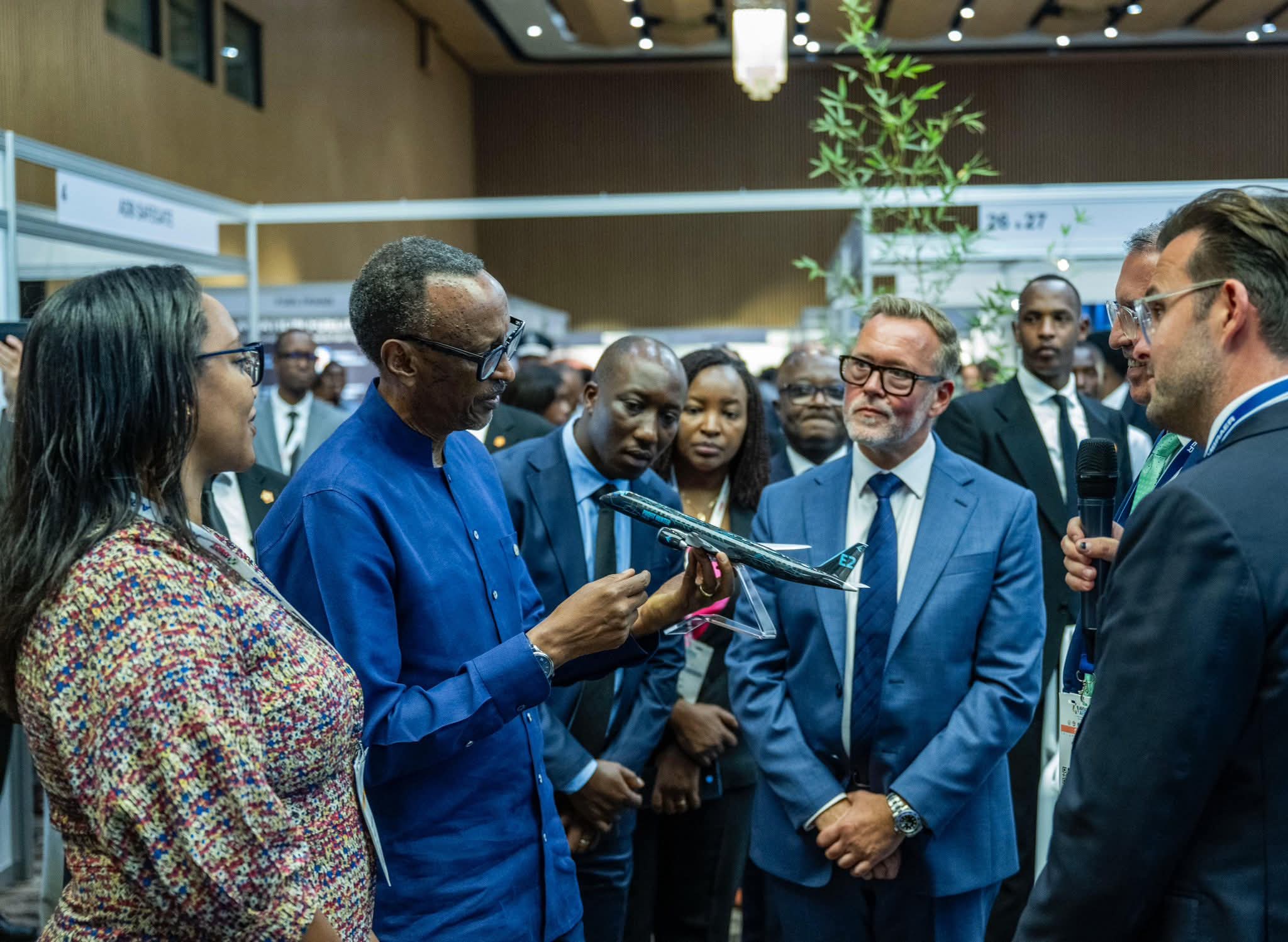
President Kagame tours the exhibition of the summit after his opening addressing
Kigali — President Paul Kagame has called for measures to reduce the high costs of air travel in Africa, warning that they continue to limit connectivity, tourism, and trade across the continent.
Speaking at the opening of the 9th Aviation Africa Summit and Exhibition in Kigali, Kagame stressed that air travel should not be a privilege for the wealthy, but a necessity for inclusive economic growth.
He noted that Africa’s aviation sector has shown impressive growth in a short period, but high operational costs and infrastructure gaps make the movement of people and cargo more expensive than it should be.
“Travel should not only be for the rich,” Kagame said, adding that stronger cooperation among continental institutions such as the African Union and ASECNA will be key to achieving the vision of “one African sky” and free movement across the continent.
Kagame also pointed to Rwanda’s experience in aviation innovation, citing its decade-long partnership with Zipline for drone delivery of urgent blood supplies.
The collaboration, he said, is now expanding to urban deliveries and has laid the foundation for future industries such as e-commerce.
The President further highlighted the unveiling of Africa’s first self-flying air taxi, which took to the skies during the Kigali summit, as an example of the continent’s readiness to embrace cutting-edge technologies.
With Africa’s middle class growing and tourism demand increasing, Kagame emphasized that passenger traffic is projected to double in the coming years.
He urged governments to implement enabling policies, remove barriers such as visa restrictions, and empower women and girls to pursue careers in aviation.
“Empowering women and girls, to pursue careers in the aviation industry, must also be our priority,” he said.
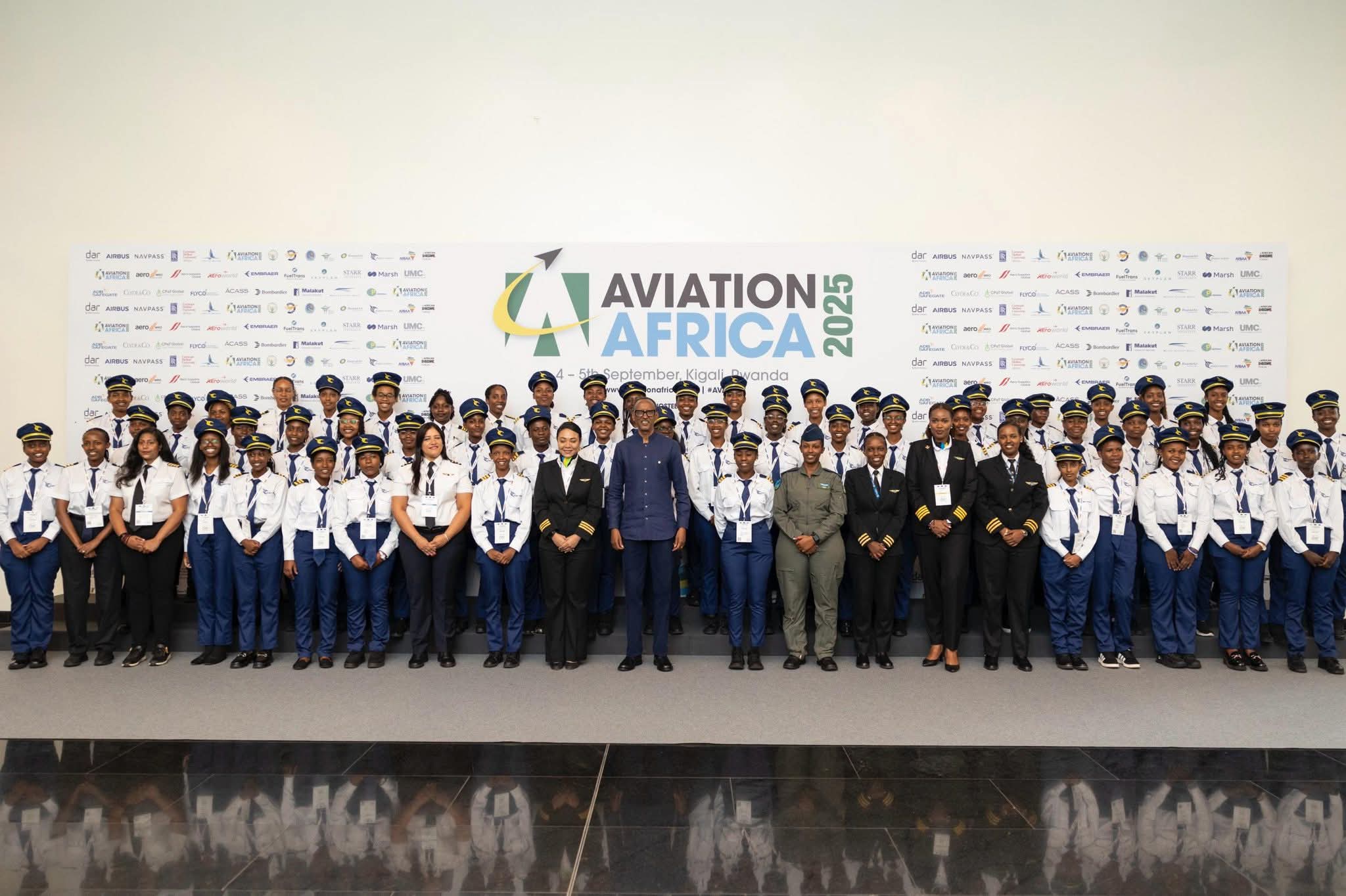
President Kagame also featured in a photo of the Akagera Aviation School, mainly attended by young females
Rwanda, Kagame added, is playing its part by expanding the fleet of its national carrier, RwandAir, and maintaining open visa policies for all African citizens.
“The bottom line, is that we can achieve much more, if we work together. We have all the resources and capabilities we need,” Kagame concluded.
Rwanda – Africa’s “Anchor Hub”
Alan Peaford, Chairman of the Aviation Africa Summit, praised Rwanda for its leadership role in shaping the future of aviation on the continent.
He described Kigali as the “anchor hub” of African aviation dialogue, noting that the 2025 summit attracted a record attendance of 2,000 delegates, including nine ministers, 20 air chiefs, and 30 directors general of civil aviation.
Peaford warned, however, that despite the enthusiasm, Africa’s aviation sector continues to face deep structural challenges.
“Poor intra-African connectivity, operational inefficiencies, and slow adoption of international standards are holding us back,” he said. “But working together with the will to succeed, we can resolve these challenges.”
He stressed that affordability is key to unlocking Africa’s aviation future.
“A healthy air transport system is capable of financing itself with prices affordable to the greatest number of people. Lower ticket prices will increase demand and help develop a sustainable industry,” Peaford said.
Beyond affordability, he urged the industry to think about the next generation.
“Our industry has to attract the youth, be more diverse, and ensure there is appropriate training and opportunities. It’s not just about flying planes. It’s about offering future prosperity for Africa and Africans.”
About the Summit
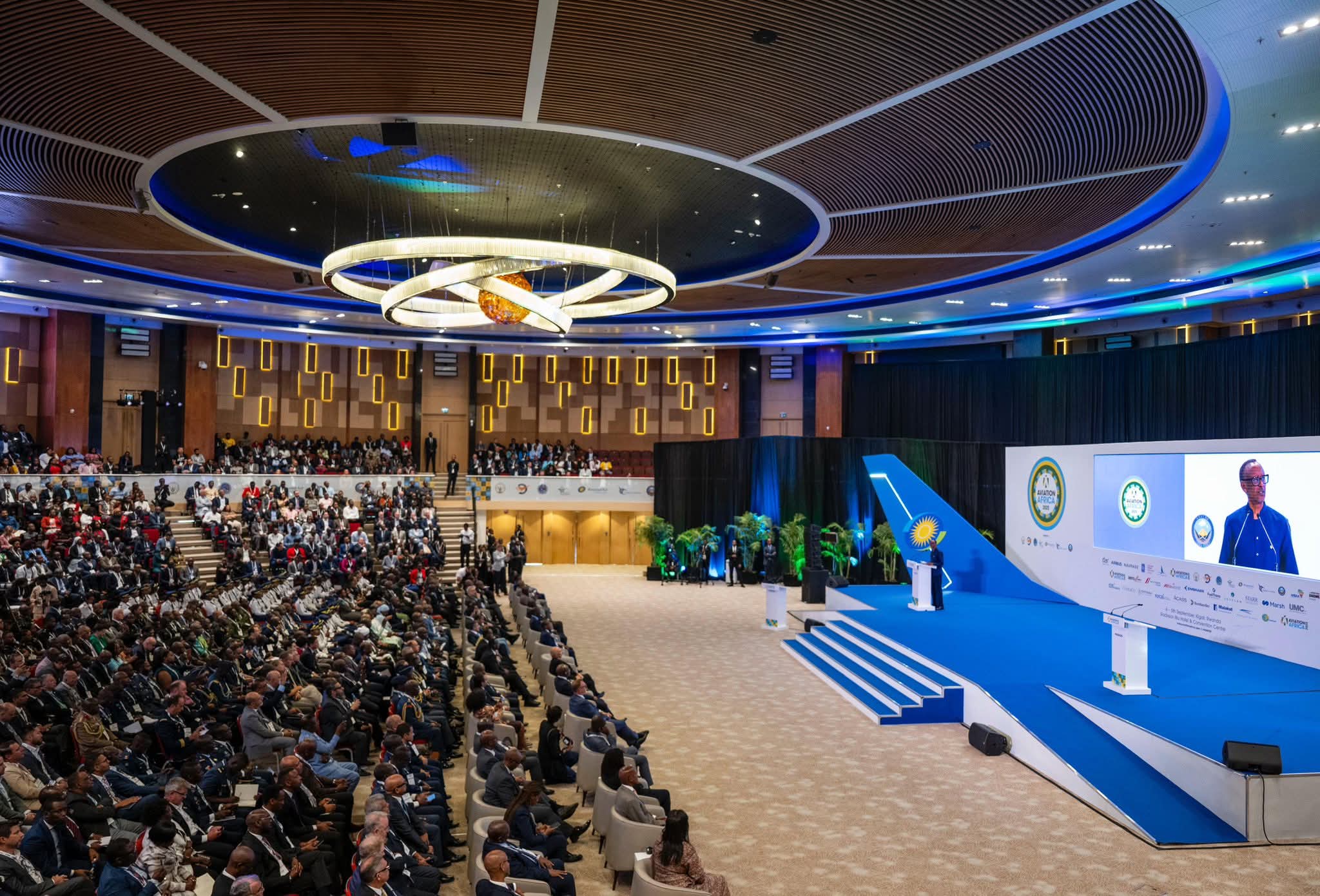
The Kigali summit, running for two days at the Kigali International Convention Center, has brought together more than 120 exhibitors and representatives from over 90 airlines and operators.
The gathering provides a platform for policymakers, regulators, and industry players to debate strategies for improving connectivity, infrastructure, regulation, and workforce development — all aimed at unlocking Africa’s long-promised aviation growth.
For the first time on the continent, the event also showcased the flying driverless air car, a collaboration between Rwanda and China. Its unveiling in Kigali symbolized not only Africa’s appetite for innovation but also Rwanda’s growing reputation as a testbed for futuristic technologies.
The summit’s record attendance reflects the urgency of the conversations taking place: how to break down barriers that keep African travelers disconnected from one another, how to make flying affordable to a broader population, and how to ensure that aviation becomes a driver of prosperity rather than an elite service.
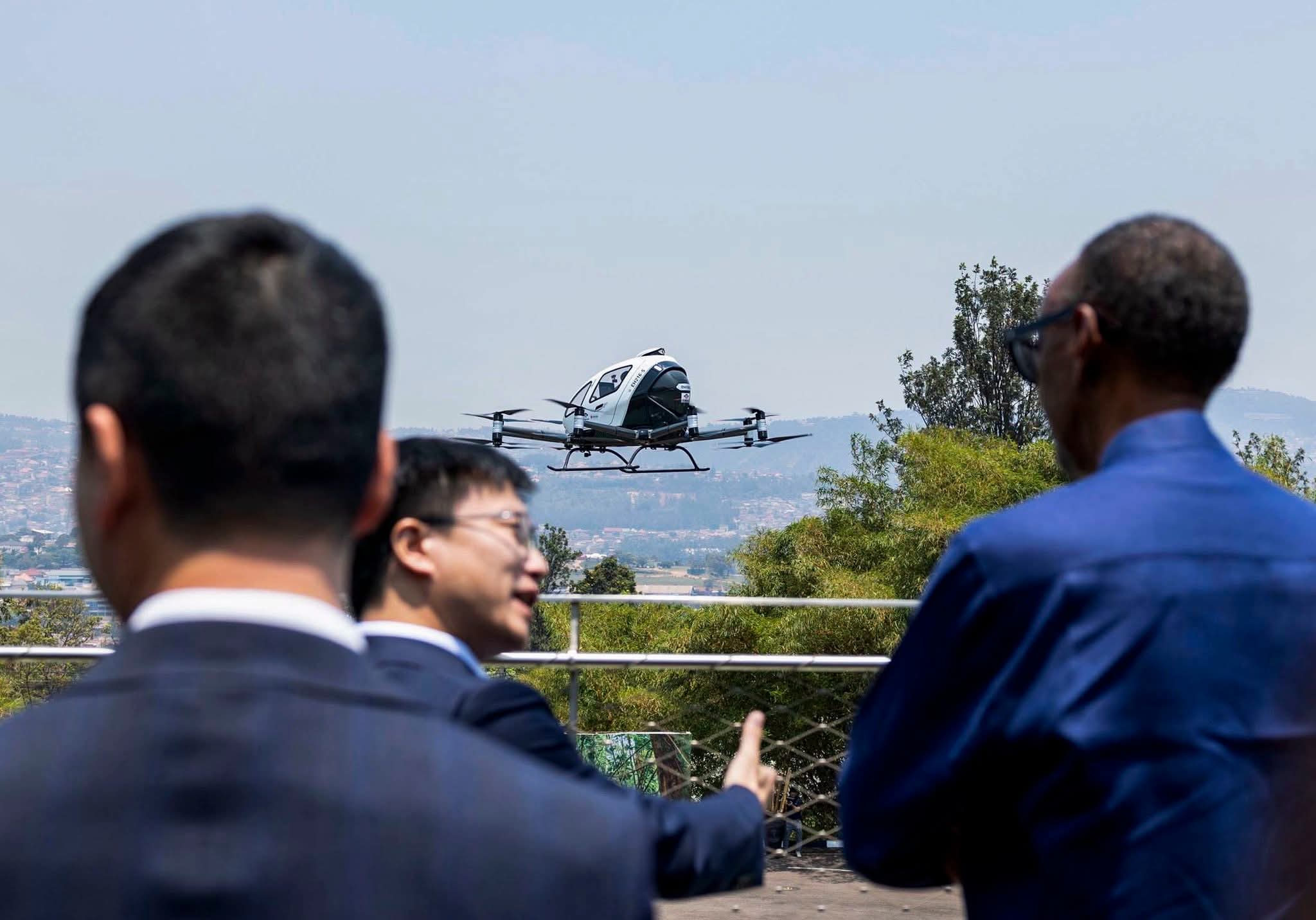
President Kagame also witnessed the unveiling of Africa’s first flying air car, a partnership project between Rwanda and China
