



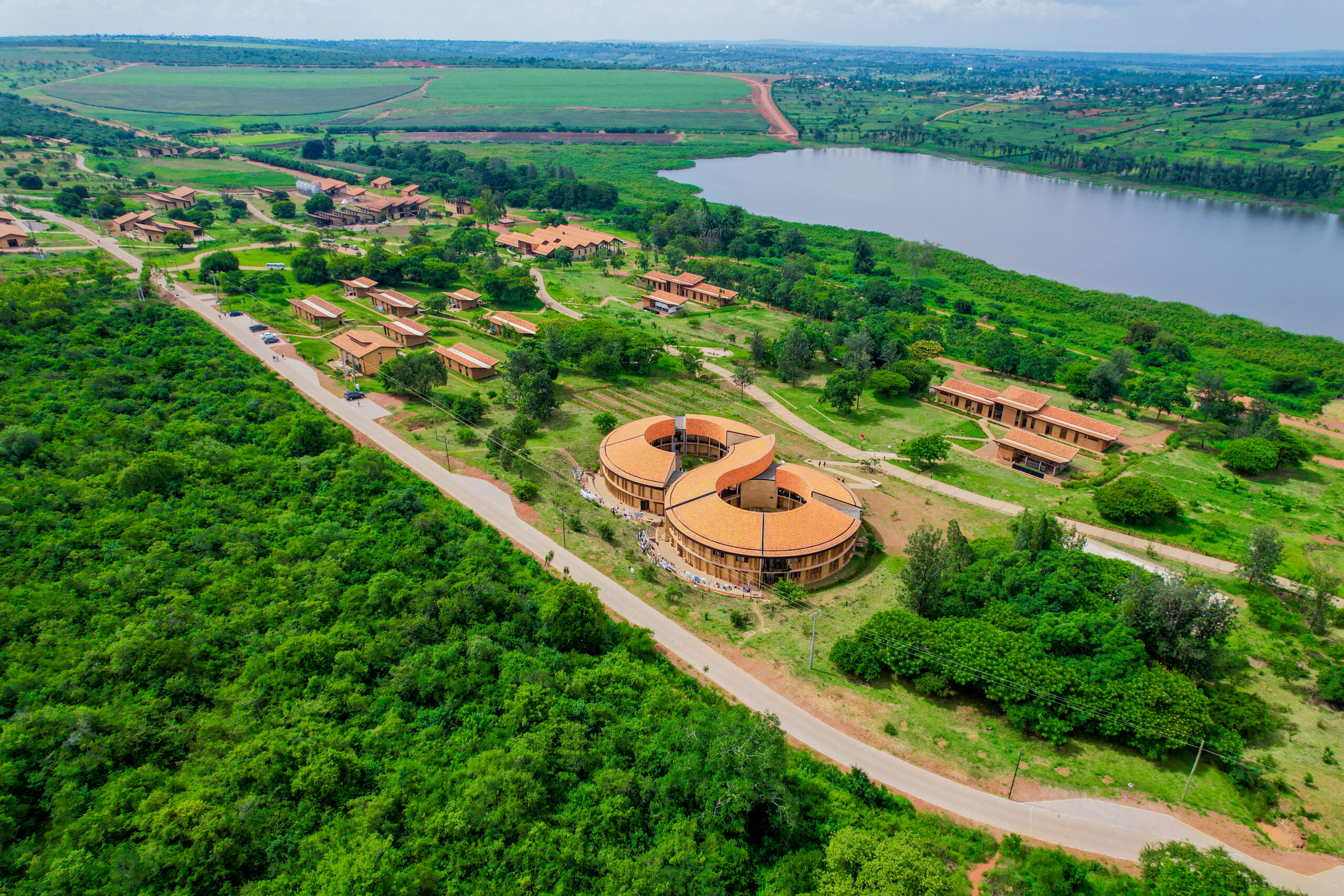
The RICA Campus
GASHORA, Rwanda — On a sprawling 1,300-hectare campus in eastern Rwanda, students are being taught a lesson that could shape the future of African agriculture: sometimes the best way to grow more food is to disturb the soil less.
At the Rwanda Institute for Conservation Agriculture (RICA), tractors move across demonstration plots, livestock graze nearby, and students spend as much time in fields as they do in classrooms.
The goal is ambitious — training agricultural leaders capable of feeding a growing population without exhausting the land that sustains it.
The challenge is not unique to Rwanda.
Across Africa, governments are under pressure to increase food production for rapidly growing populations while coping with climate change, declining soil fertility, shrinking farm sizes and increasingly unpredictable weather patterns.
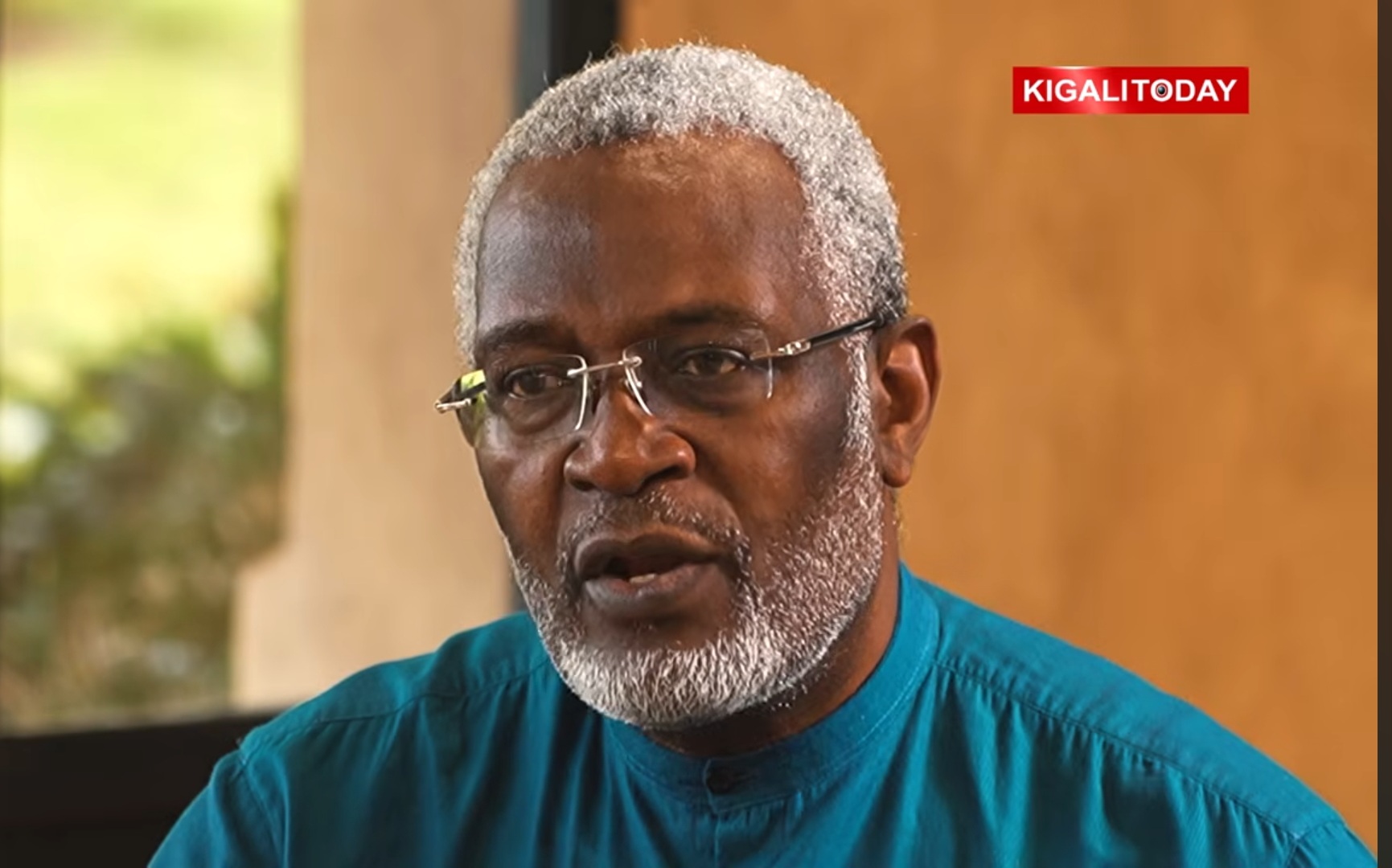
For Dr. Olusegun Adedayo Yerokun, RICA’s Interim Vice-Chancellor, the solution begins beneath farmers’ feet.
“Agriculture depends on healthy soil,” he said during an interview with Kigali Today. “If we maintain soil health, we can sustain productivity for generations.”
Established in 2019 on the site of a former agricultural research station in Bugesera District, RICA was created as part of Rwanda’s effort to transform agriculture from a subsistence activity into a modern, knowledge-driven sector.
But unlike many agricultural colleges, RICA has built its curriculum around a concept known as conservation agriculture — a farming system designed to preserve soil health while maintaining productivity.
The approach is based on three principles promoted globally by the United Nations Food and Agriculture Organization (FAO): minimizing soil disturbance, keeping soil covered throughout the year and rotating crops rather than repeatedly planting the same varieties.
While such practices have gained traction in parts of North and South America, adoption across Africa has been uneven despite growing concerns about land degradation.
FULL INTERVIEW Interim VC Olusegun Adedayo Yerokun PhD
From available agriculture research, excessive ploughing can weaken soil structure, accelerate erosion and reduce the soil’s ability to retain water — a particular concern in regions increasingly affected by droughts and extreme weather events.
“What we are saying is disturb the soil as little as possible, maintain soil cover throughout the year and diversify crops through rotation,” Yerokun said.
The principle may sound simple, but it challenges farming methods that have dominated agriculture for generations.
The debate comes at a time when African countries are seeking to strike a delicate balance between increasing production and protecting natural resources.
The continent’s population is projected to nearly double by 2050, placing enormous pressure on governments to boost food output.
At the same time, climate change is expected to make farming more difficult in many regions through higher temperatures, changing rainfall patterns and more frequent weather shocks.
Rwanda, where agriculture employs the majority of the population, has become one of several African countries experimenting with approaches aimed at increasing yields while preserving ecosystems.
At RICA, students spend roughly half of their three-year programme engaged in fieldwork, laboratory research, internships and farm visits.
The philosophy is straightforward: future agricultural leaders should learn by doing.
“Half of their time here is actually practical work,” Yerokun said. “They are in the laboratory, they are in the field, they are visiting farms or doing internships.”
Beyond training students, the institute works with government agencies, extension officers and farmers to test and demonstrate conservation practices that can be adopted more widely.
The ultimate objective, Yerokun says, is not academic recognition but measurable improvements in farmers’ lives.
“Success is when farmers can double or triple their productivity on the same piece of land, become financially independent, feed their families and improve their livelihoods.”
Whether conservation agriculture can achieve that at scale remains one of the biggest questions facing agricultural policymakers across Africa.
Yet on a campus overlooking the lakes and rolling hills of Bugesera, Rwanda is betting that the future of farming may depend as much on protecting the soil as on producing the next harvest.
LIVE TOUR OF RICA

7 comments
That is my mission and mission
Where my farms Will giving my double production per piece of Land.
That is my mission and mission
Where Will giving me production per piece of Land.
That is my mission and mission
Rwandans Will Get up solutions via trainning and mobilition reach and heavy knowledges concerned on farming protocols
All those mentioned 3 intervantions look good, however it fell short by not mentioning how to achieve those mentioned. I teach Agriculture at ST. Simon Vocational training school, Hoima- city ( Uganda)
The 3 mentioned solutions looks good but fell short not to mention/ advise on how they can be achieved.
Interesting!
Comments are closed.