


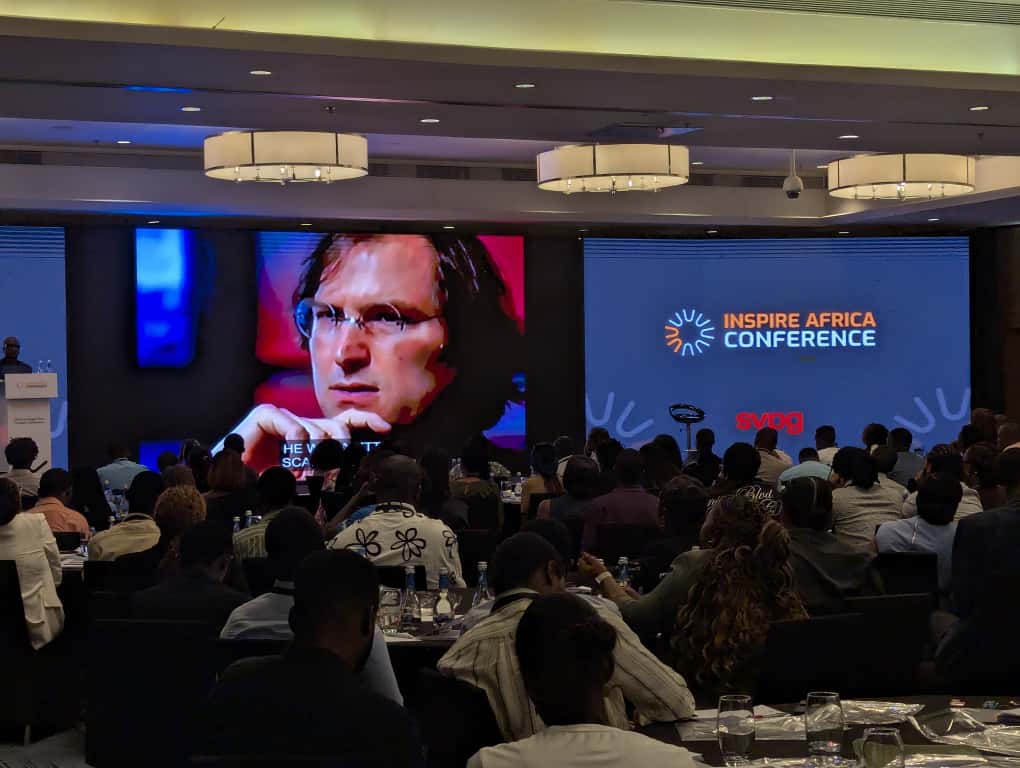
KIGALI, Rwanda — As artificial intelligence (AI) transforms the global economy, African entrepreneurs are being urged to move beyond ideas and start building scalable, investable products that solve real problems and compete internationally.
That call dominated the Inspire Africa Conference, a flagship event by the Innovate Africa Foundation, which brought together hundreds of founders, investors, and product leaders under the theme *“Product × Africa × AI.”
Hosted in Kigali — one of Africa’s most innovation-driven economies — the gathering underscored that the continent’s prosperity will depend not just on adopting technology, but on converting innovation into business value.
“We’re moving beyond building apps to building economies,” said Christian Idiodi, Founder and Board Chair of the Innovate Africa Foundation. “Africa doesn’t lack ideas — we lack frameworks to turn those ideas into scalable, sustainable businesses.”
From Innovation to Market Scale
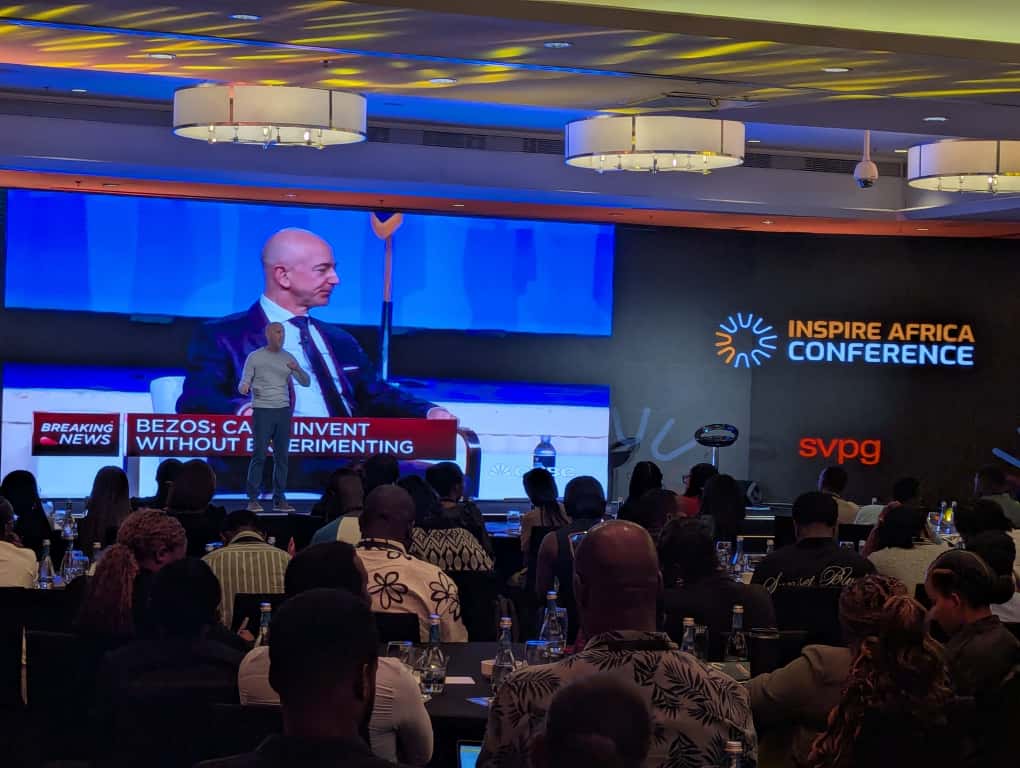
Africa’s tech ecosystem attracted over $3.1 billion in venture capital in 2023, according to Partech Africa. Yet, only a small fraction of startups reach profitability or scale beyond their home markets.
Product leaders at the conference argued that this challenge lies not in a lack of talent, but in the need for structured product leadership, business discipline, and access to patient capital.
To close this gap, the Inspire Africa platform is training entrepreneurs to build products that can attract investors, withstand market pressure, and expand across borders.
AI as Africa’s Competitive Edge:
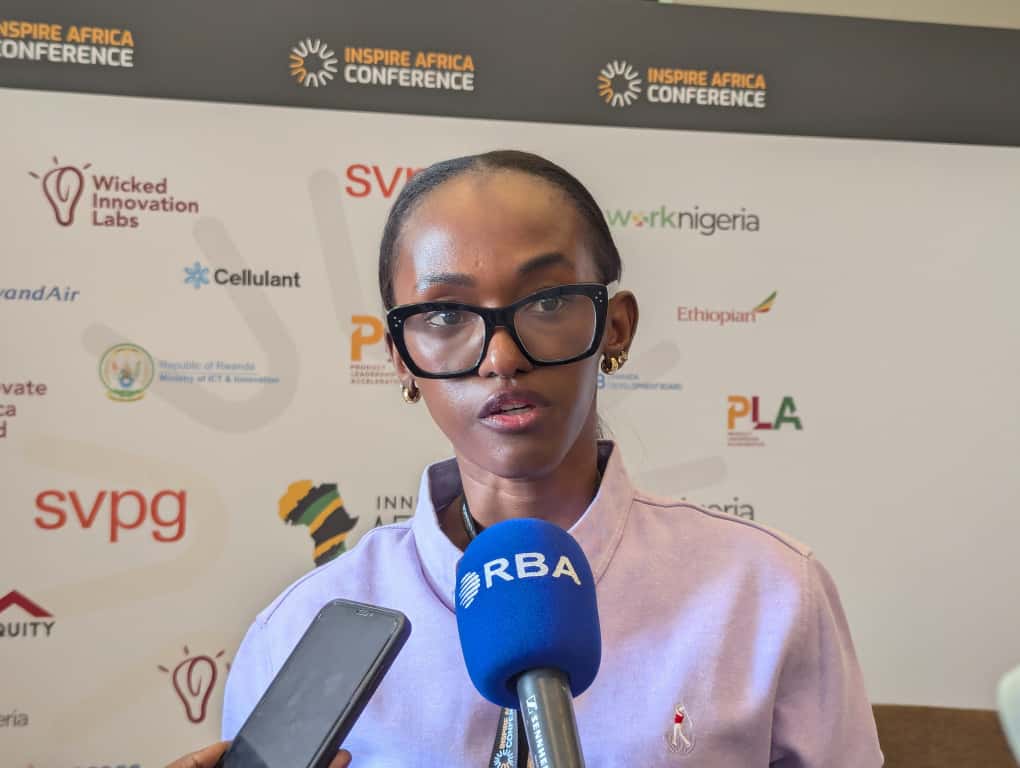
Tina Mbachu
Artificial intelligence took center stage — not as hype, but as a lever for accelerating growth in key sectors such as healthcare, logistics, fintech, and agriculture.
“AI is already redrawing the global map of productivity and power,” said Tina Mbachu, Executive Director of the Inspire Africa Conference. “For Africa, the question is not whether we adopt these technologies, but whether we shape them to serve our realities.”
Mbachu said Africa must invest in local talent and research to ensure that AI becomes a driver of inclusive growth rather than dependency.
With 60% of Africans under the age of 25, AI offers a dual challenge — and opportunity — to equip young innovators with tools to build solutions for the continent’s most pressing needs, from healthcare access to supply chain inefficiencies.
“Bringing different ecosystem players together — private sector, academia, and policymakers — is how we make the right shift,” Mbachu noted.
Rwanda: A Hub for Digital Experimentation:
The choice of Kigali as host city reinforced Rwanda’s growing status as a continental hub for innovation, supported by pro-innovation policies, robust ICT infrastructure, and a fast-growing startup ecosystem.
Projects such as Kigali Innovation City (KIC) and the Centre for the Fourth Industrial Revolution (C4IR) have positioned the country as a natural testbed for ventures exploring AI, product design, and entrepreneurship.
“Rwanda represents what Africa needs — policy certainty, a clear vision, and a commitment to digital inclusion,” said Mbachu. “The government is intentionally building infrastructure and regulations to attract global businesses and empower innovators.”
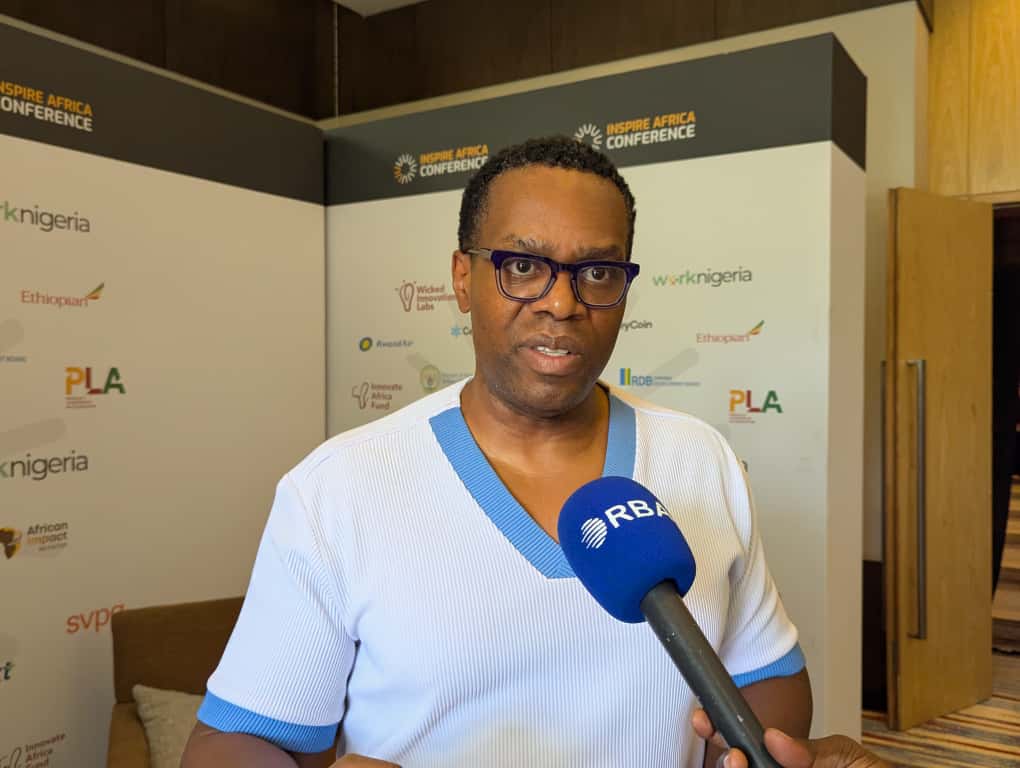
Chidi Afulezi
Chidi Afulezi, Managing Partner at RedKola Digital Labs, said the masterclass sessions were designed to help local innovators build globally competitive products.
“The key takeaway is learning how to identify problems and solve them step by step using AI,” Afulezi said. “That’s what makes today’s innovation more interesting and impactful.”
Investment, Collaboration, and Scale:
Speakers emphasized that Africa’s innovation story will succeed only if governments, investors, and entrepreneurs collaborate to ensure that homegrown ideas are financed, scaled, and owned by Africans.
Participants were trained in product management principles— from market validation to business modeling — to help them bridge the gap between invention and investment.
Marty Cagan, Product Coach at Silicon Valley Product Group (SVPG), challenged innovators to focus on creating value, not just products.
“Product builders have to create solutions that are valuable — something people can use and pay for,” he said. “Leaders should give us problems to solve, not products to develop.”
Building Africa’s Product People:
Since 2022, the foundation has trained over 100 entrepreneurs, supported more than 5,000 innovators, and upskilled 200 professionals across Africa. Its goal is to empower 100,000 product professionals and impact 10 million lives by 2030.
One of the tangible results, for instance is ‘Address Me’, a digital addressing platform from South Africa, helps residents of informal settlements create virtual home and business addresses — improving access to services and financial inclusion.