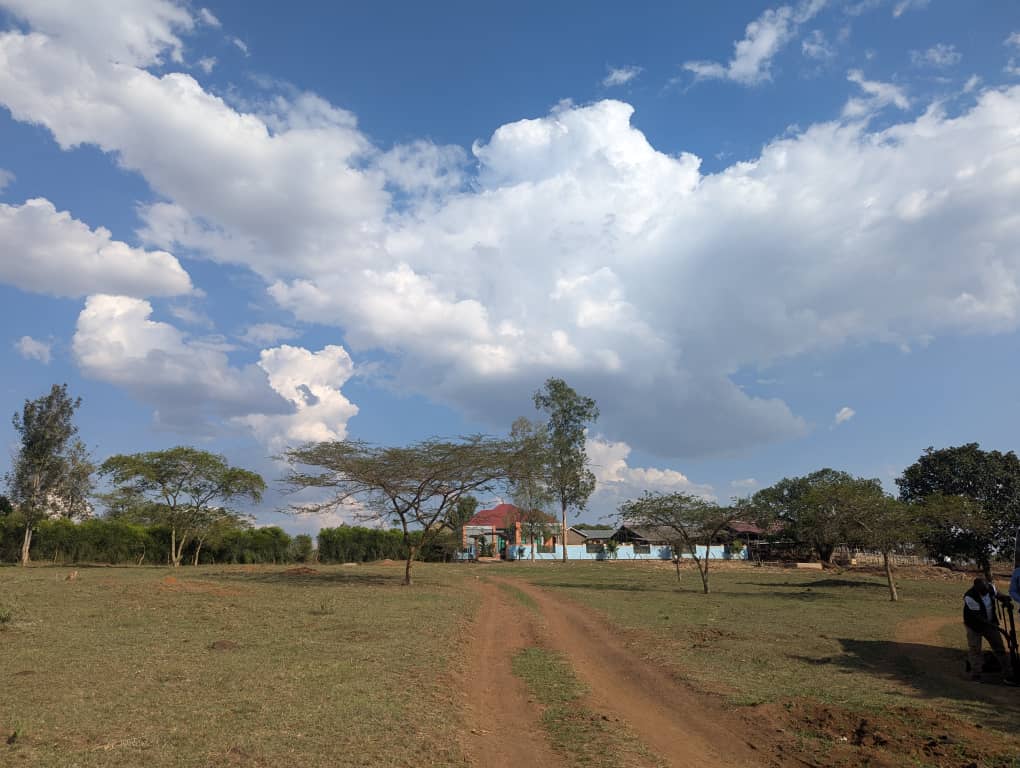
The home owned by Emmanuel Munyaburango and wife Jeanne
In the wide plains of Rwibongo sector, Gatsibo district, stands a striking homestead — painted sky blue with red-tiled roofing — that could easily be mistaken for a guesthouse.
But just five minutes away, the sight of hundreds of cows grazing reveals its true purpose: a modern farm owned by Emmanuel Munyaburango and his wife Muhongerwa Jeanne.
From Tradition to Transformation:
Both Emmanuel and Jeanne grew up in cattle-keeping families, where owning many long-horned cows symbolized wealth and cultural pride. Yet despite having vast land and over 100 cows, they only produced about 50 liters of milk per day, earning roughly Rwf80,000 per month.
“We had the pride of owning cows but no real financial benefit,” Emmanuel recalls. “It wasn’t profitable, we couldn’t save, and giving our children a good education was a struggle. That’s when we decided to change the way we do business.”
Embracing CDAT Support:
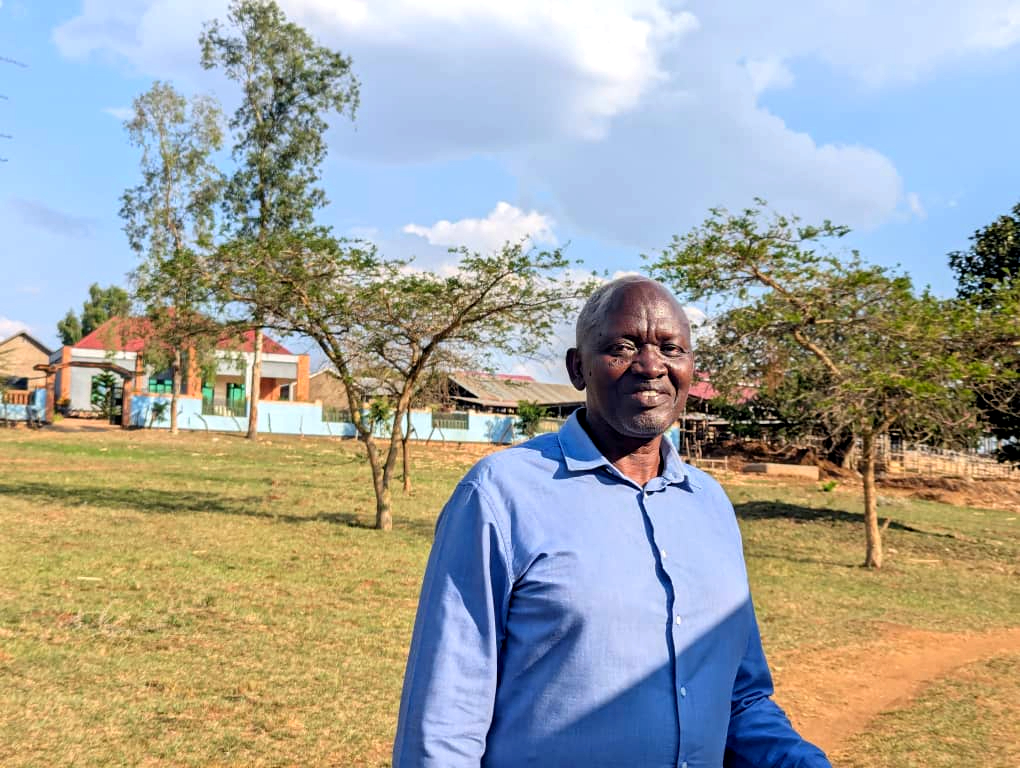
Emmanuel Munyaburango retains a smile at his farm house
The couple applied to the Commercialization and De-Risking for Agricultural Transformation (CDAT) project — a World Bank–funded initiative implemented by the Rwanda Agriculture and Animal Resources Development Board (RAB) through its Single Project Implementation Unit (SPIU).
The program provides matching grants to farmers, especially women and youth, who contribute part of the investment into viable business plans.
With Rwf82 million from CDAT, the couple modernized their farm, valued at Rwf164 million, by purchasing 50 hybrid cows, constructing a modern cowshed (with a capacity of housing 200 cows), and building a 100-tonne feed barn.
“If we are prosperous with 50 cows from CDAT, now imagine the wealth we can have if we invest or get loans from another source to reach our full capacity,?” says Munyaburango as part of his plan to go beyond CDAT funding.
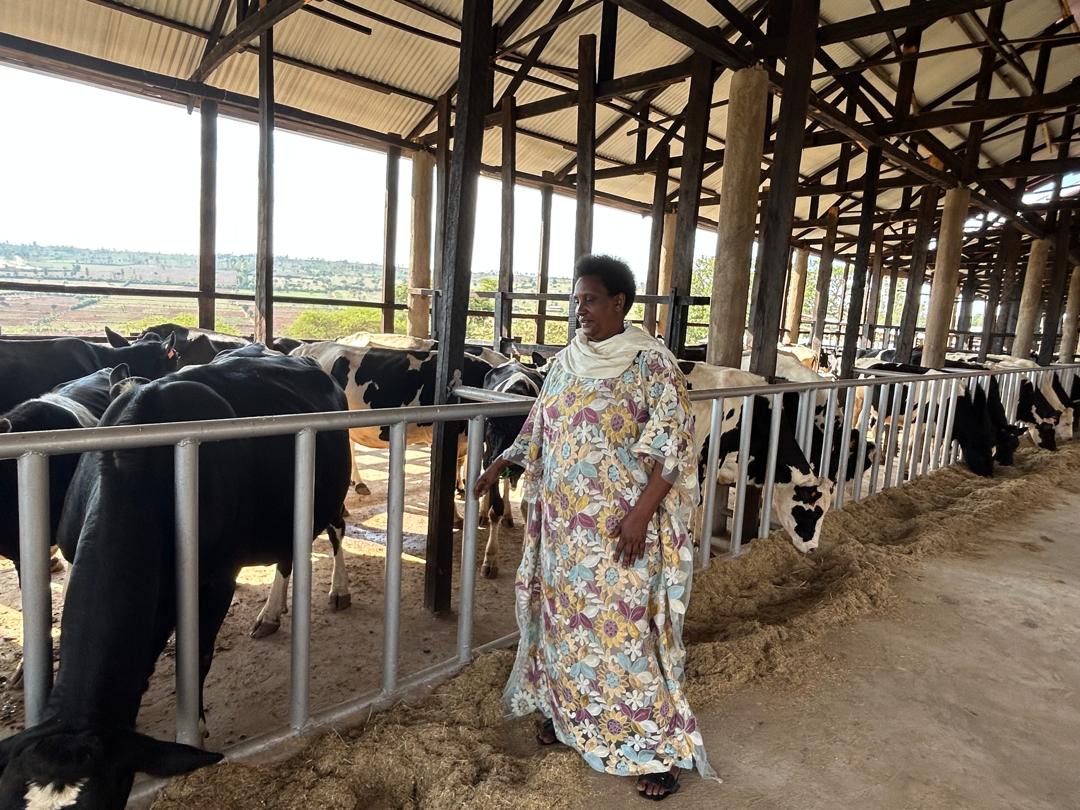
Jeanne taking care of her hybrid milk cows in a CDAT co-financed paddock
The results were immediate: milk production quadrupled to 200 liters per day, securing steady income and improving household wellbeing.
“With this milk, I can feed my family, sell to nearby markets, pay school fees, and still save,” Emmanuel said proudly.
The couple now plans to establish a fertilizer plant and a farmer’s center of excellence to train youth, while also producing organic manure for neighboring farmers. They even invested in a borehole to ensure clean water during dry spells.
Inspiring Other Farmers:
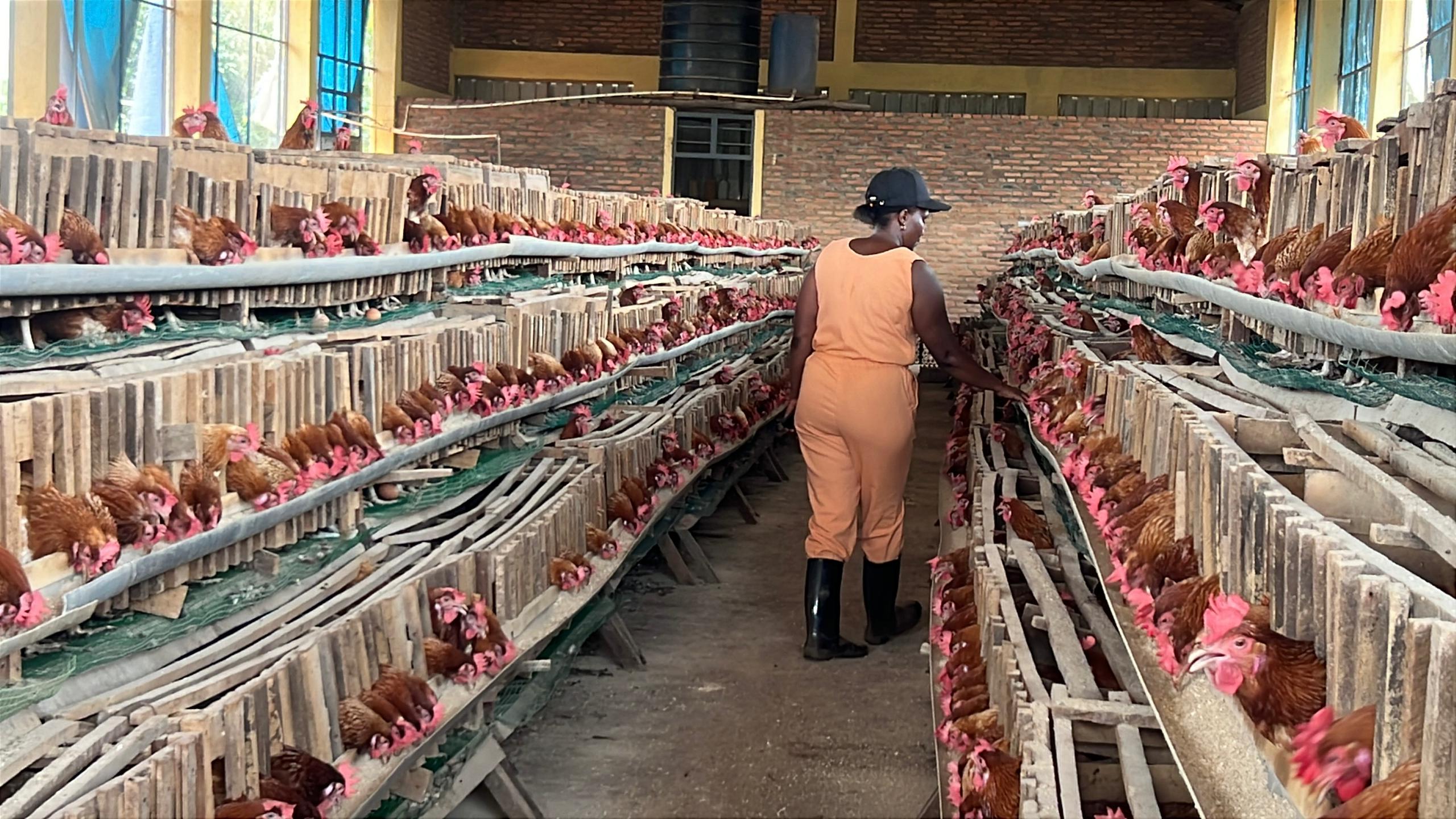
Petronille Mukadusabe, a former teacher, now manages her mother’s poultry farm in Zaza
In Zaza sector, Ngoma district, another success story is unfolding. Petronille Mukadusabe, a former teacher, left her profession to join her mother Mugirasoni Agnes in managing a CDAT-supported poultry project worth Rwf85.9 million.
Starting with 500 chickens, they now raise 6,000 layers in a modern metallic poultry house with cold storage and improved facilities. Egg production increased from 1,800 to 5,400 per day, sold at Rwf200 each.
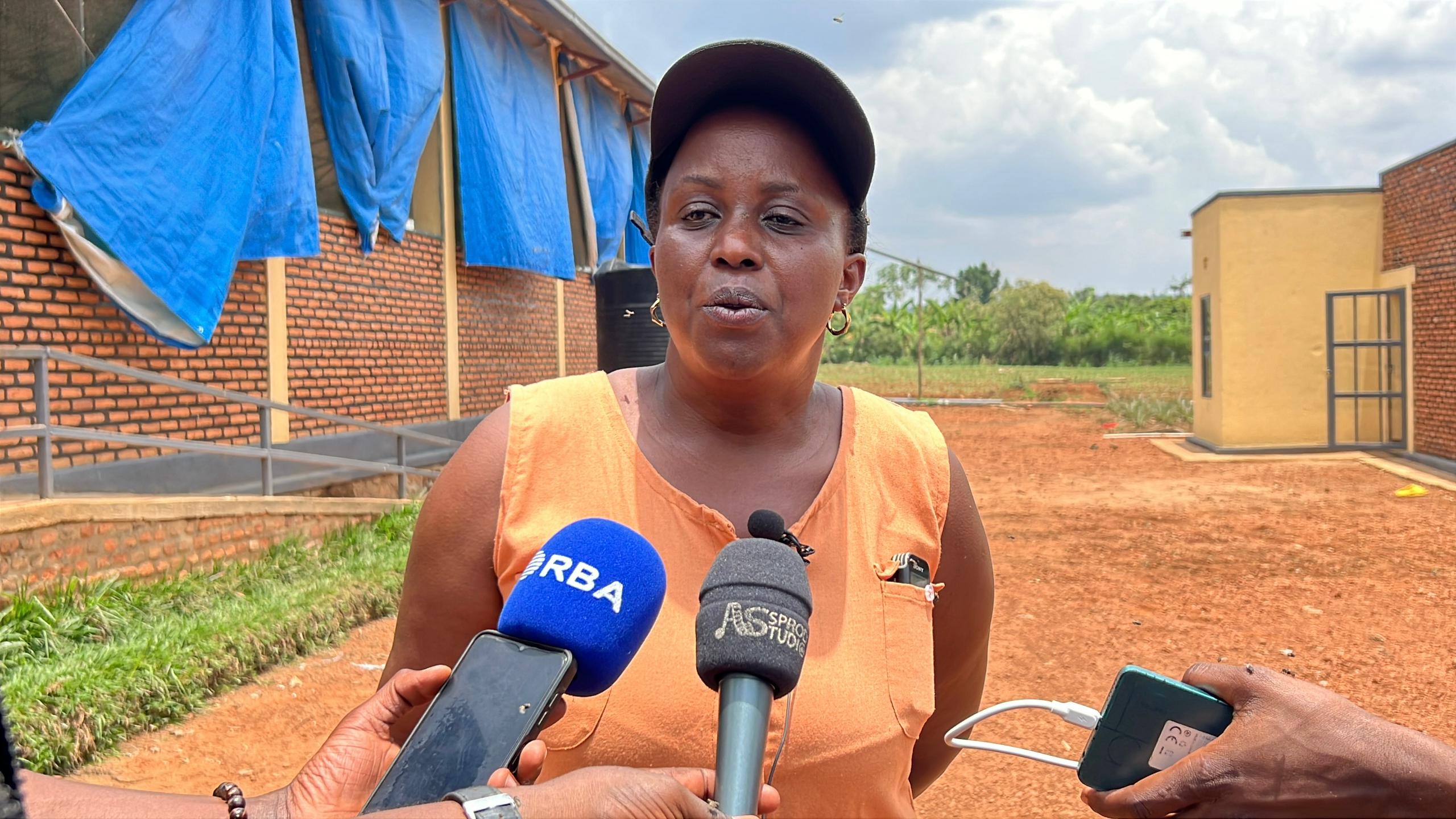
Petronille Mukadusabe
“I earn ten times more than I did as a teacher,” Mukadusabe said. “Unless I get a salary of Rwf1 million, I can’t leave this business. It has empowered me as a woman.”
Though egg prices remain high (Rwf150-Rwf200 each), this commitment has contributed to Rwanda’s growth in availing eggs on the market which has grown from 8.000 tonnes (2017) to 17.000 tonnes (2024) as government plans to reach 21.000 tonnes (2029)- according to the recent Prime Minister’s report presented to Parliament.
Wider Impact:
According to Bonfils Olivier Mugambira, CDAT’s Access to Finance Specialist, the project has a budget of Rwf15.3 billion and has so far financed 244 beneficiaries, aiming to reach 477 by 2027. However, challenges remain in meeting matching grant requirements, particularly for youth and women.
To widen access, Mugambira said CDAT has revised its financing model, lowering contribution percentages in some categories. A second call for applications is expected in December.
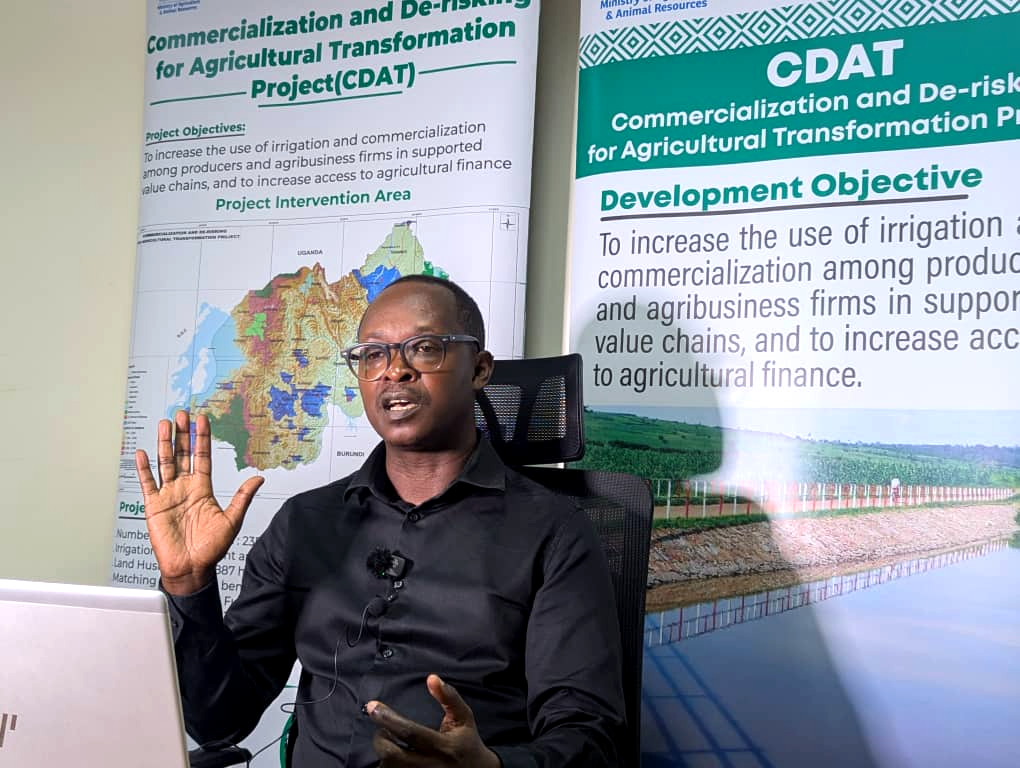
Bonfils Olivier Mugambira
Through the National Strategy for Transformation (NST2) and the Strategic Plan for the Transformation of Agriculture (PSTA5) Rwanda aims at transforming the agricultural sector from a subsistence-based, low-productivity model into a modernized, commercialized, and climate-resilient industry.
Currently Rwanda has hit close to the Malabo Declaration targets requiring African states to at least inject 10% of their annual public expenditure to the agriculture sector.
The 4th Comprehensive Africa Agriculture Development Programme (CAADP) Biennial Review assessment held in Kigali in 2023 showed that Rwanda emerged as the leading performer (8.07) but as of 2023 no African country has met the established benchmark of 9.29 out of 10.
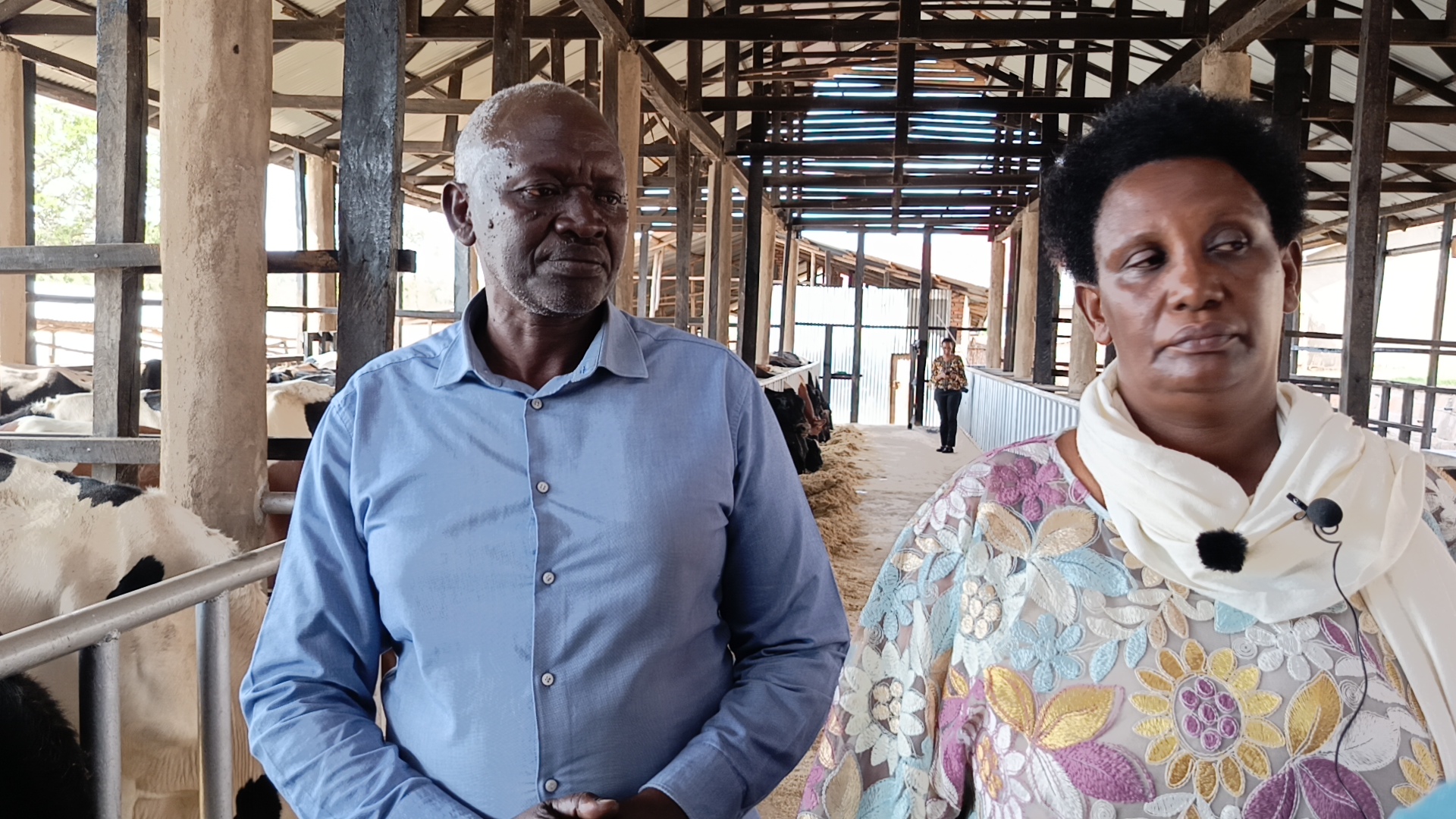
Emmanuel and Jeanne in their new cowshed