



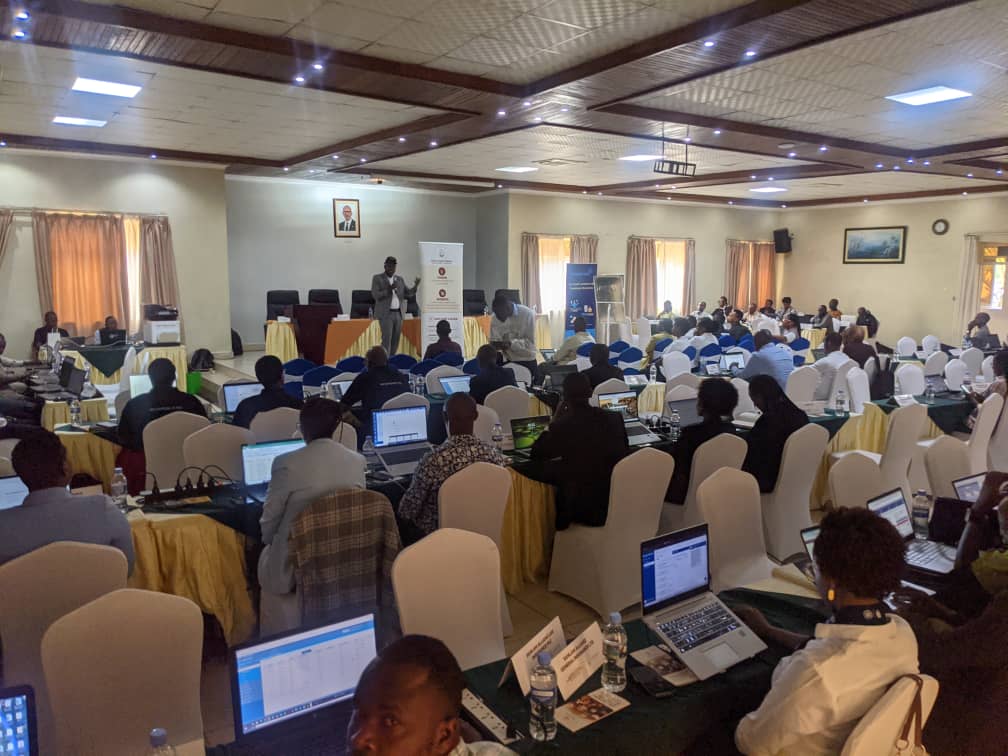
At the BNR outreach event in Rubavu district, September 30, various banking clients showed up to helped on how to get out of the CRB situation
Rubavu – The National Bank of Rwanda (BNR), in partnership with financial institutions, has launched an outreach program to help banking clients who were blacklisted in the Credit Reference Bureau (CRB) despite having cleared their debts.
Every year, BNR dedicates a week to meet citizens and resolve financial disputes between clients and institutions. In 2024 alone, the initiative resolved 1,000 cases, and this year the campaign has moved to Rubavu and Rutsiro districts, where they met with affected people on Tuesday.
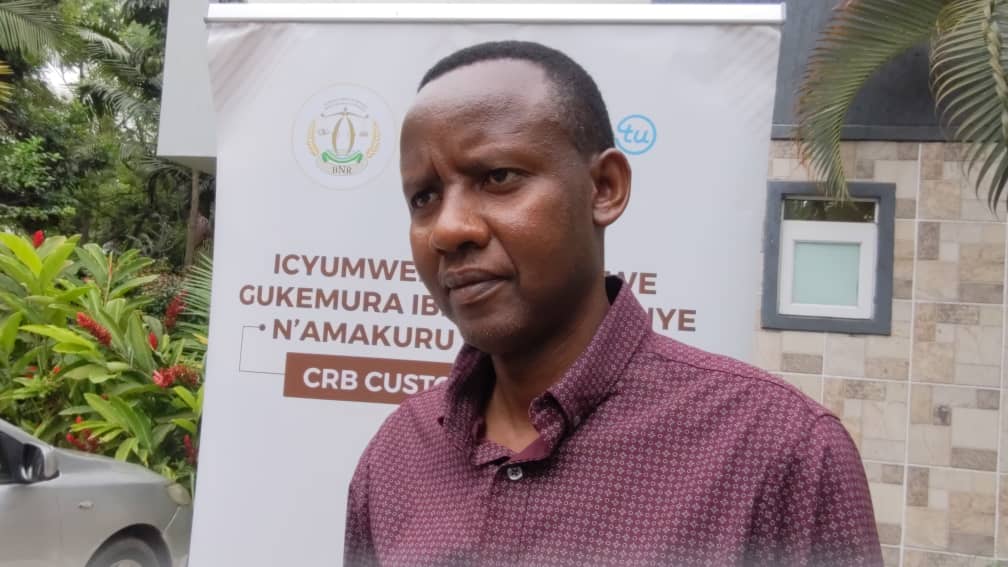
Martin Ngendahayo, a resident of Rubavu, recalled how in 2018 he acquired a solar home system from Mobisol. When he failed to fully utilize it, the company repossessed the equipment but still listed him in the CRB.
“They recorded me as owing more than Rwf 1.3 million, yet they had already taken back their equipment,” he narrated. “Every time I tried to apply for a loan, I was told I was blacklisted. When I went back to Mobisol, they insisted I must pay the debt, even though they had repossessed their items. This has caused me big losses because I cannot borrow elsewhere.”
Similar stories are common across the country. Many citizens say they were blacklisted despite having repaid loans, while others are in CRB without knowing the reasons.
CRB Responds
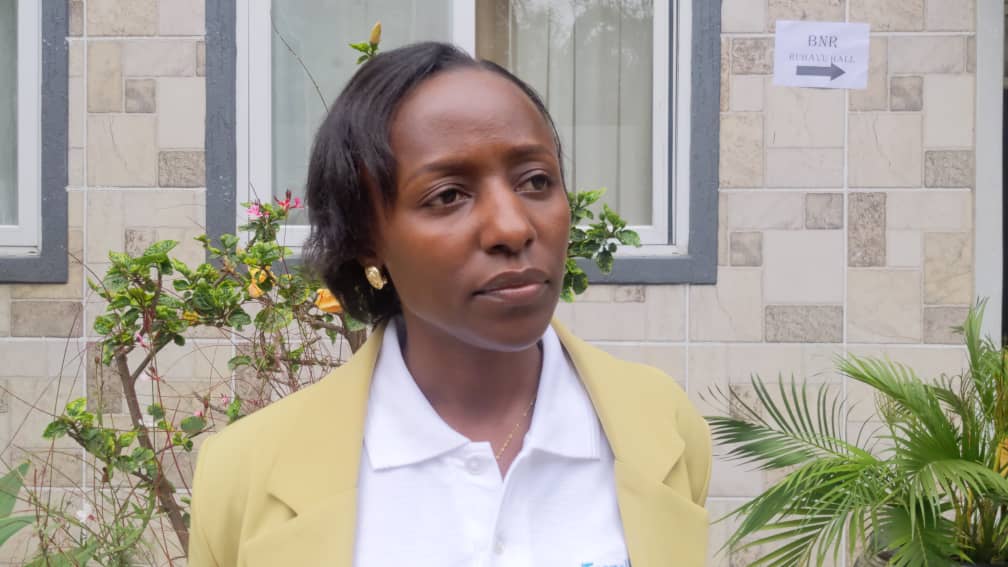
According to Angélique Uwituze, Customer Relations Officer at TransUnion Rwanda, the company managing CRB, the bureau only stores information submitted by financial institutions.
“Being in CRB does not come from us. Financial institutions collect and share the data. Once a client repays, the institution must update their record. However, some delay updating, which leaves citizens marked as defaulters even after clearing their debts,” she explained.
Uwituze urged banks and lenders to update records promptly.
“We receive many requests from citizens asking us to remove them from CRB. But the issue is usually that their bank has not submitted updated data. This can easily be solved if institutions use technology to provide timely updates,” she said.
BNR Steps In
To support banking clients, BNR has introduced a digital tool known as Intumwa Chatbot, which allows clients to raise complaints directly. When a case is submitted, both BNR and the financial institution can follow it up immediately.
However, many borrowers are unfamiliar with the system, prompting BNR to expand its outreach efforts.
Last year, BNR launched this program to leave our offices and meet people directly. With over 500 licensed institutions, including SACCOs, it has resolved 1,000 cases.
“If we had not stepped in, those issues would still be pending. Here in Rubavu and Rutsiro, we are working with local financial institutions to resolve complaints on the spot,” said Valence Kimenyi, BNR’s Director of Financial Sector Development.
Beyond Banks
Being listed in CRB does not only apply to bank clients. Individuals can be blacklisted for failing to pay taxes to the Rwanda Revenue Authority, defaulting on telecom bills with MTN or Airtel, or not paying for solar energy services from companies such as Mysol and Bboxx.
Customers with unpaid water bills to WASAC or outstanding insurance premiums can also be flagged as defaulters.
Kimenyi encouraged citizens to use loans responsibly and honor agreements with banks.
“If you take a loan, use it for the purpose you agreed on so you can repay on time. Also, avoid writing cheques without sufficient funds. A cheque is not collateral—it must be backed by money in your account,” he advised.
He also urged bank users to regularly check their CRB status and correct any errors. This can be done through mobile phones by dialing *707# and following the instructions to access personal credit information.
“We ask citizens to remain honest and institutions to maintain accurate records. Banks are monitored, and those that fail to correct errors face penalties,” Kimenyi said.
