Africa’s defence institutions must produce a new generation of digitally literate, ethically grounded, and strategically agile officers capable of confronting modern security challenges, Rwanda’s Minister of Defence, Juvenal Marizamunda, has said.
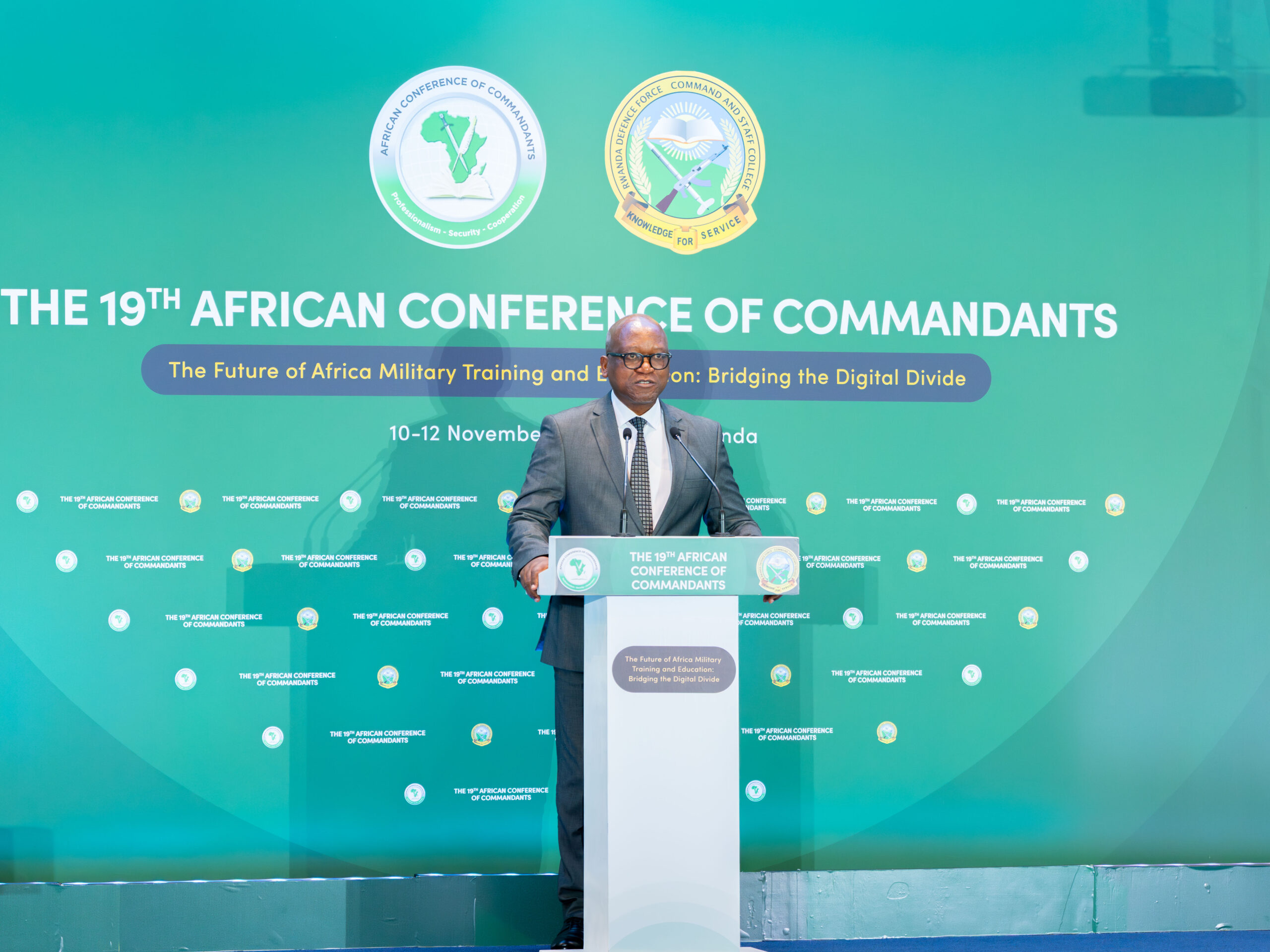
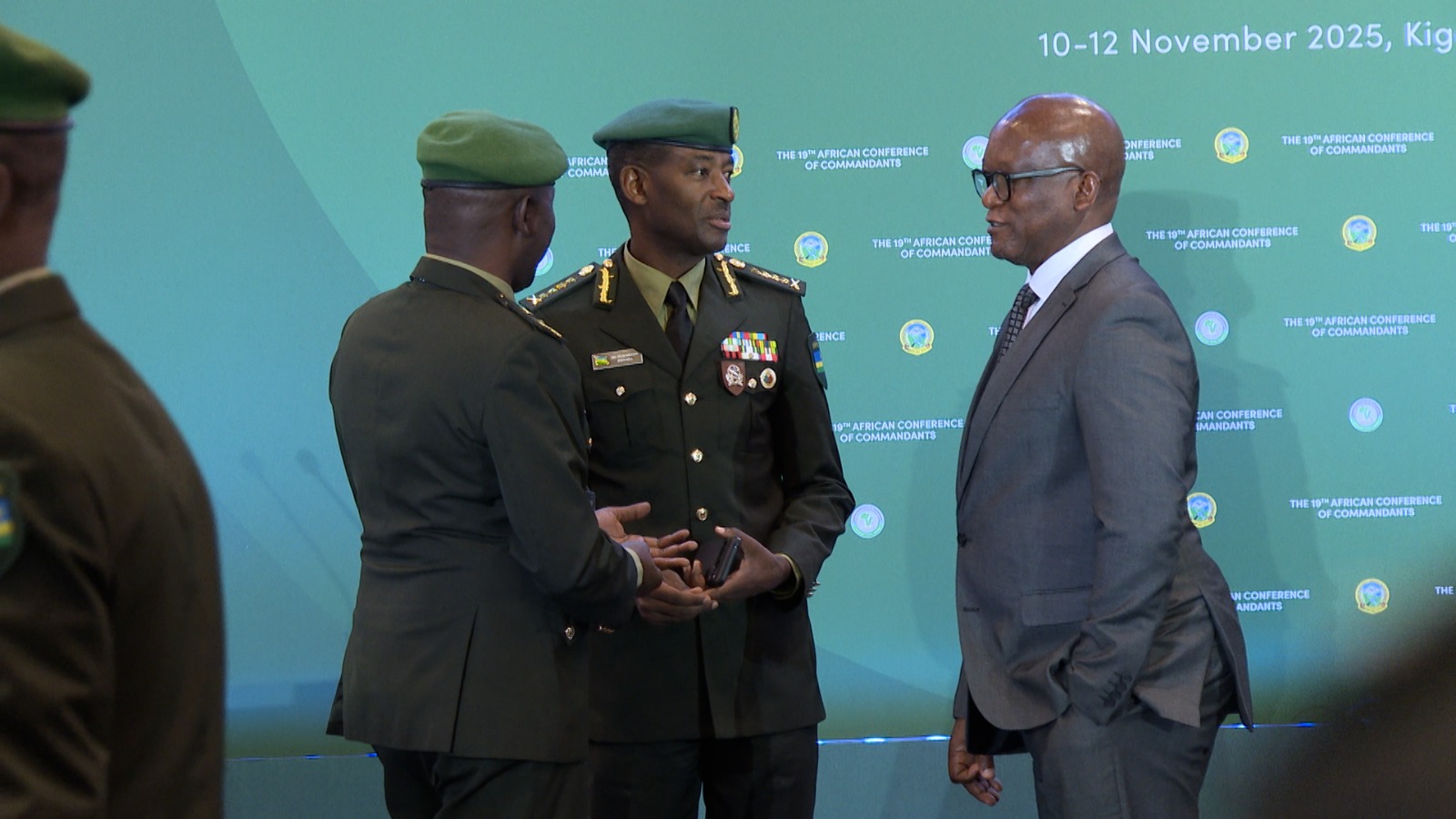
Minister Marizamunda made the call while officiating at the opening of the 19th African Conference of Commandants (ACOC), which kicked off Monday in Kigali under the theme “The Future of Africa’s Military Training and Education: Bridging the Digital Divide.”
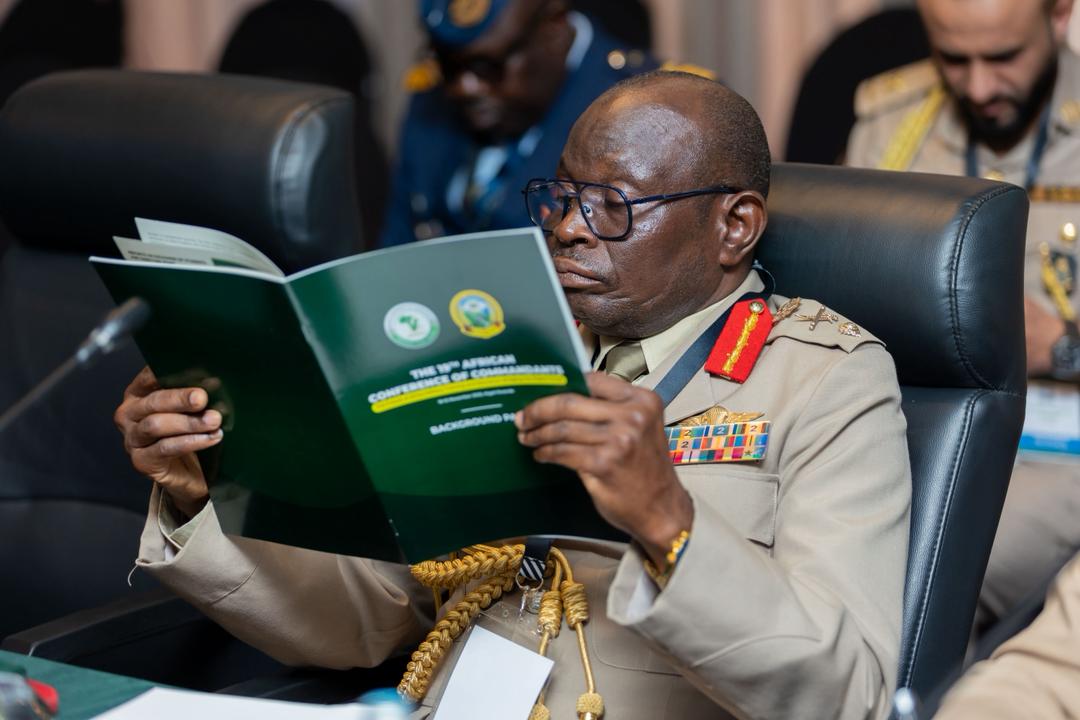
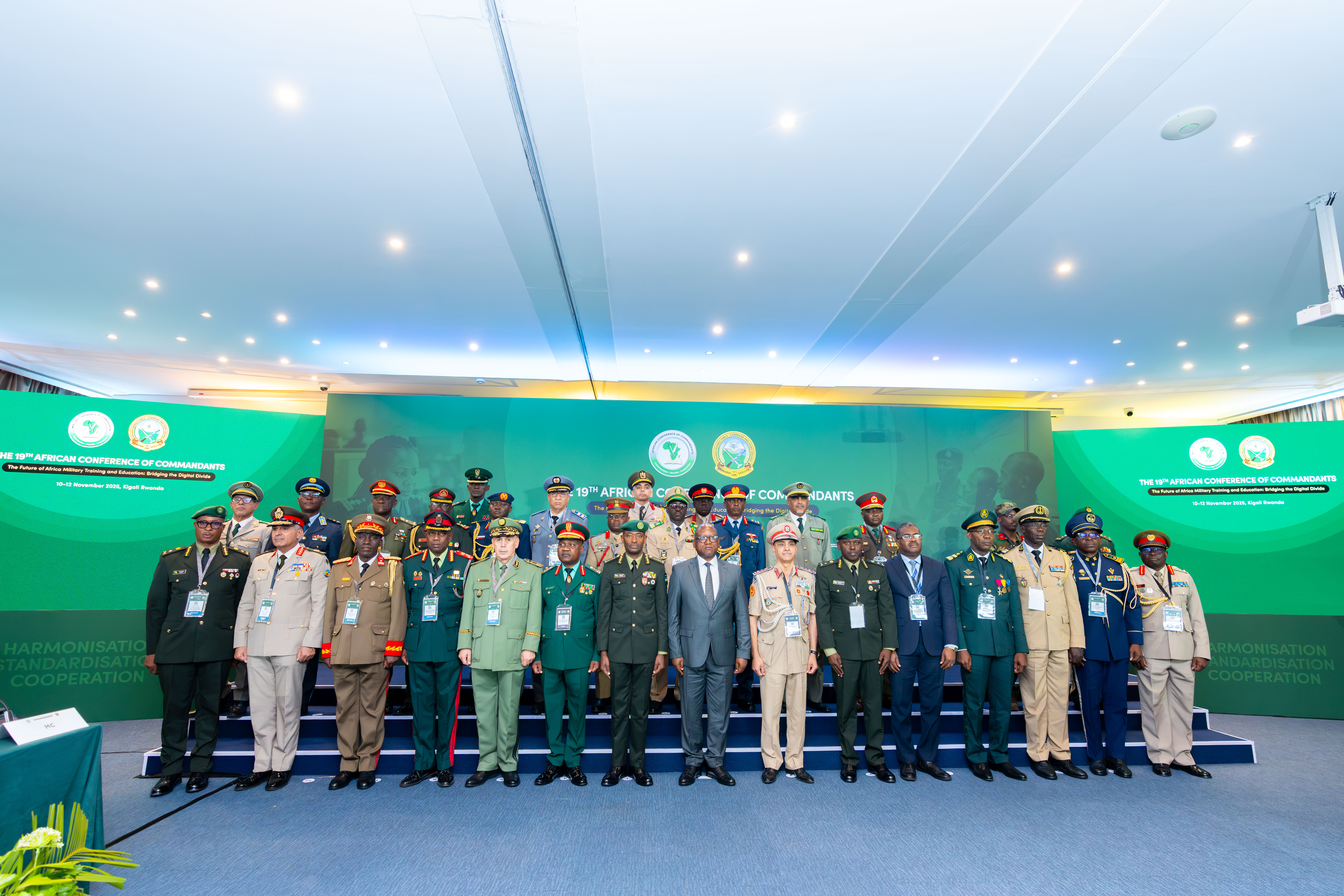
The three-day conference, hosted by the Rwanda Defence Force (RDF) from November 10–12, has brought together leaders of military colleges and defence academies from 24 African countries, alongside officials from the African Union’s Peace and Security Department, regional military experts, and academic partners.
In his keynote address, Minister Marizamunda emphasized that the digital era has transformed the nature of security and defence, calling for military leaders who can think beyond the traditional battlefield.
“The threats facing Africa are multifaceted — from terrorism and cyber warfare to illegal migration, transnational crime, and climate-related insecurity,” he said. “Addressing these requires a generation of officers who are not only tactically capable but also digitally literate, ethically grounded, and strategically agile. This is the essence of professional military education in the 21st century.”
The Minister said Africa’s military institutions must evolve from being traditional training centers into “hubs of knowledge, innovation, and technological adaptation.”
“We cannot build the armies of tomorrow with the tools of yesterday,” he said. “The digital divide that separates some of our military institutions must be closed — and it must be closed by us, through cooperation, shared learning, and continuous innovation.”
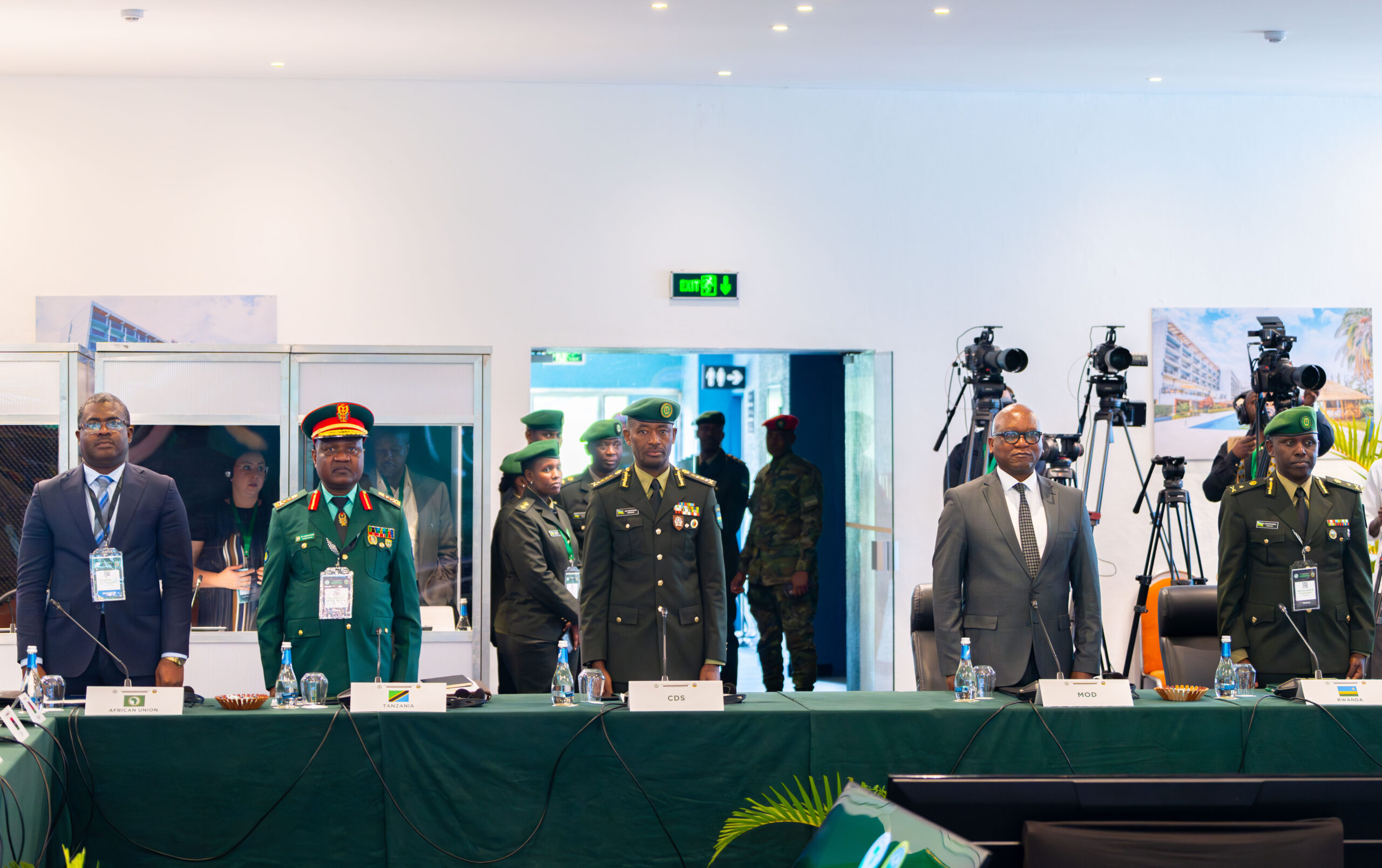
Minister Marizamunda commended the African Conference of Commandants for strengthening unity of purpose among Africa’s Command and Staff Colleges.
“Through this platform, our institutions exchange best practices, align their curricula, and strengthen Africa’s collective security architecture,” he said. “This is how we move from isolated training systems to a unified continental approach rooted in excellence and shared vision.”
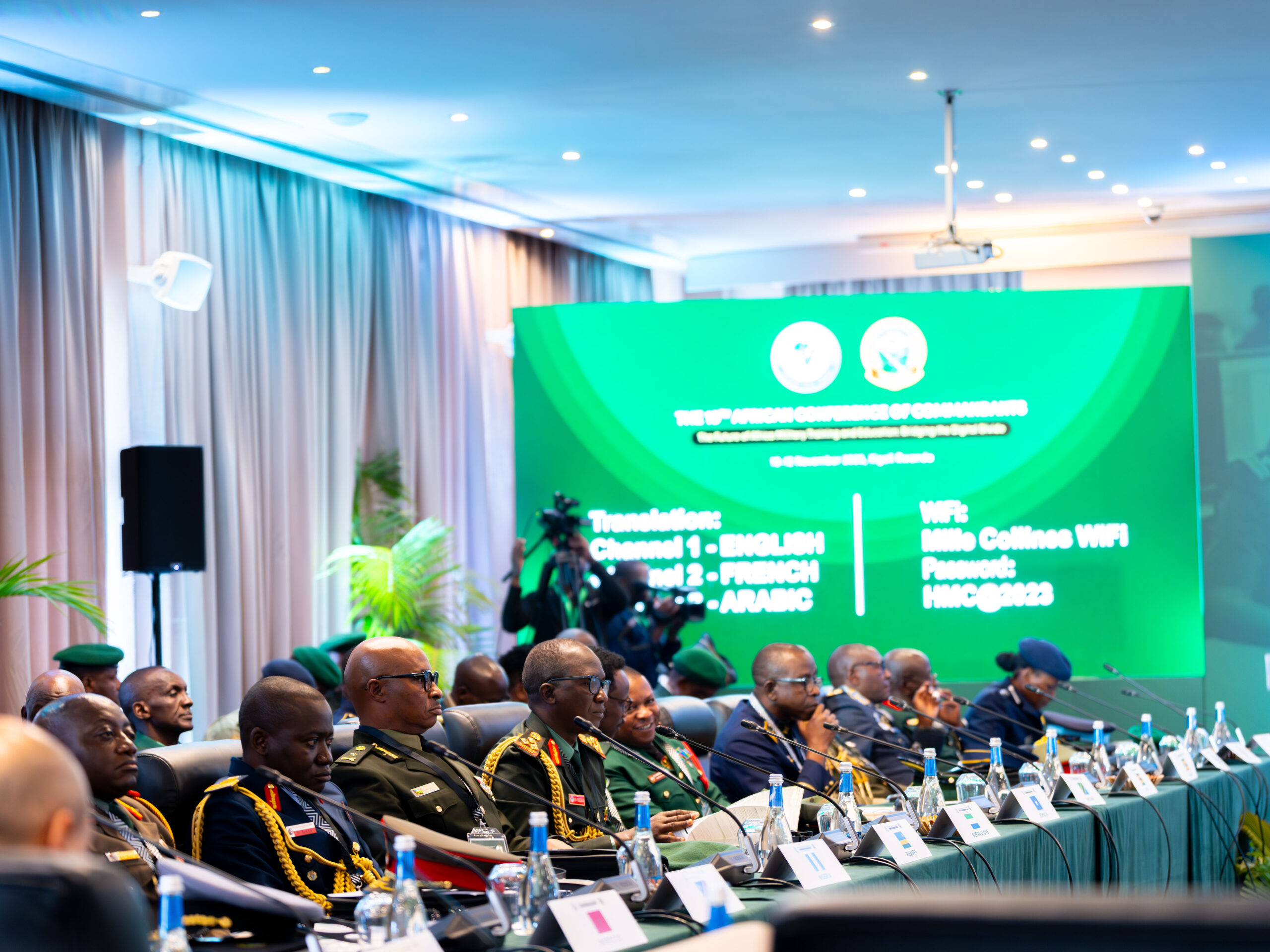
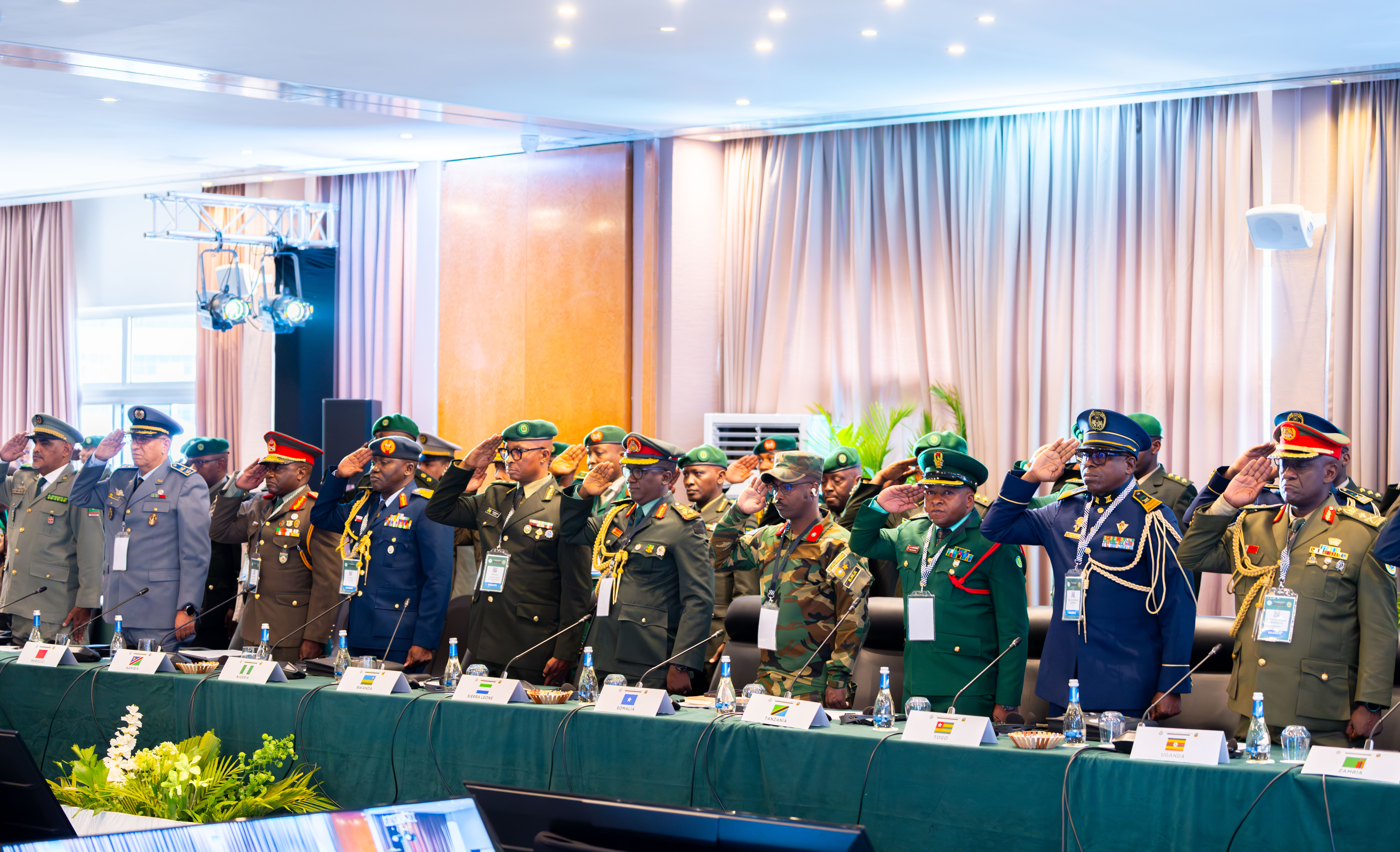
He also praised the RDF Command and Staff College for its “exemplary stewardship” as the current chair of ACOC, applauding its role in hosting preparatory workshops earlier this year.
“Your leadership has ensured the smooth preparation of this conference and has set a strong foundation for its success,” he noted.
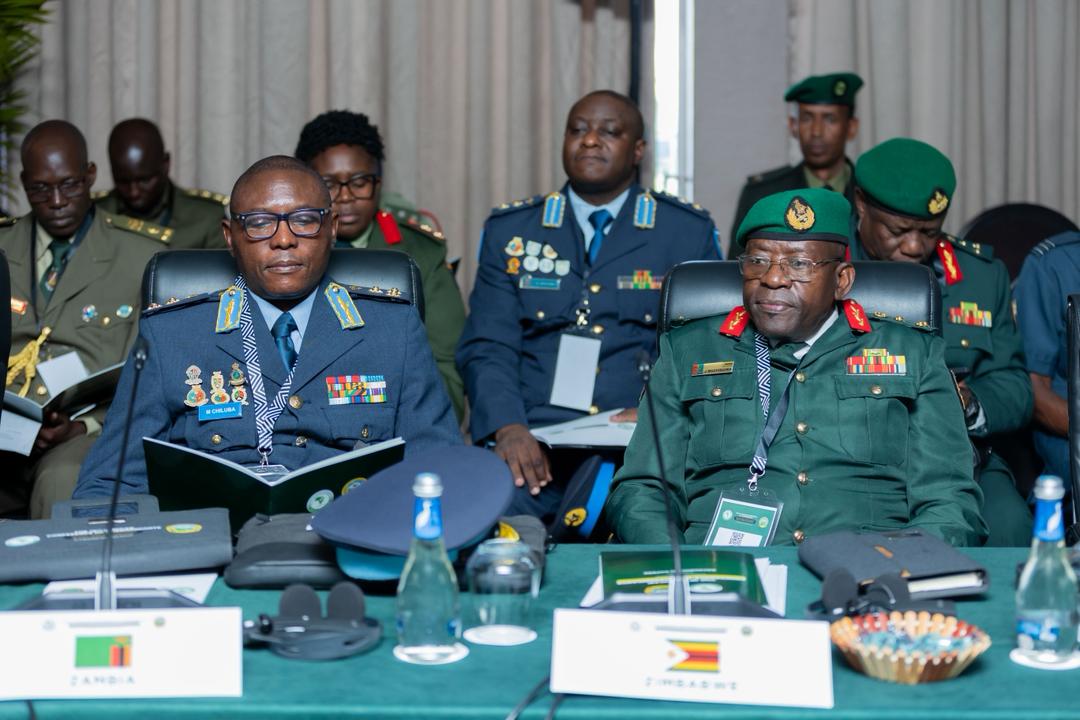
As the chairmanship transitions to the Tanzania Command and Staff College, Marizamunda urged participants to sustain cooperation and shared purpose.
“Let this handover not mark an end, but a continuation of our shared journey toward an Africa that is self-reliant in defence, united in purpose, and strong in partnership.”
The ACOC, first held in 2007, serves as an annual continental forum for advancing professional military education, promoting research and innovation in training methods, and deepening cooperation among Africa’s defence institutions.
This year’s edition is expected to produce actionable recommendations on integrating digital tools, simulation technologies, and joint research to bridge the technological gap in African military training.
“Our future security depends on the minds we train today,” Minister Marizamunda concluded. “If we invest in knowledge, discipline, and technology, Africa will be ready for any challenge — together.”